
What is hormonal imbalance really about?
You know that time of the month when it seems like your body is fighting against you, your skin doesn’t feel like yours, your mood swings quicker than a pendulum, and you lose interest in any physical activity because you just want to curl up in bed all day?
Most times, you brush off the pain and discomfort as regular premenstrual symptoms. Well, what makes you so sure that what you are experiencing is just PMS? What if your body is trying to tell you about hormonal imbalance or something like PCOS?

Understanding your body is essential for your physical, emotional, and mental wellness. Therefore, you must learn to pay attention to what your body is saying.
Understanding Hormonal Imbalance
Hormones are chemical messengers produced by the endocrine glands that move through the bloodstream to regulate most bodily functions. Think of them as the supervisor of your body that gives instructions to the organs on what to do and how to do it.
Hormone Influences:
- Mood: Hormones like estrogen, progesterone, and serotonin affect how you feel. The rise and fall of these hormones are responsible for the different mood you feel.
- Fertility: Estrogen and progesterone play a significant role in ovulation and preparing the uterus for pregnancy. Hormonal imbalance can make it harder to conceive or cause irregular periods.
- Metabolism: Your body uses and stores energy with the help of hormones like insulin, cortisol, and thyroid. When there’s a hormonal imbalance, you might experience weight changes, fatigue, or cravings.
- Menstrual Cycle: Study proves that the main hormones that control the menstrual cycle are estrogen, progesterone, luteinizing hormone (LH), and follicle-stimulating hormone (FSH). Together, they control egg release, period timing, and how your body feels throughout the month.
Recognizing the Signs of Hormonal Imbalance
Hormonal imbalance doesn’t announce itself loudly. In fact, it starts with breakouts that can be easily ignored, random mood swings, or consistent fatigue. Some common signs to watch out for include irregular or missed periods, persistent acne, weight gain, mood swings, fatigue, sleep problems, digestive issues, and hair changes like loss of hair or excessive hair growth.
Furthermore, it is easy to dismiss these signs because they might not be consistent. But paying attention to your body is the first step to finding balance, and that stage is a good time to speak with a doctor about your concerns.
Common Causes of Hormonal Imbalance
Hormonal imbalance can be triggered by common factors like:
- Stress: Chronic stress increases cortisol (the stress hormone), which can disrupt other hormones like estrogen, progesterone, and thyroid hormones. It often causes fatigue, irregular periods, or mood swings.
- Lifestyle: Not getting enough sleep, overworking your body during exercises, or not moving around often during the day can mess with your hormonal balance.
- Diet: Eating processed foods, sugar, or unhealthy fats can interfere with insulin levels and overall hormonal function. Nutrient deficiencies like low magnesium, vitamin D, or B vitamins can also contribute.
- Genetics: Some people are genetically prone to conditions like PCOS, thyroid disorders, or early menopause, which affect hormone regulation.
- PCOS (Polycystic Ovary Syndrome): A hormonal condition that causes elevated androgens (male hormones) and insulin resistance, leading to irregular periods, acne, and weight changes.
- Thyroid Issues: Both overactive (hyperthyroidism) and underactive (hypothyroidism) thyroid glands can cause hormonal imbalance.
Other potential factors include age-related changes (like puberty, pregnancy, or menopause), medications, and environmental toxins that interfere with the endocrine system.
PMS: The Usual Suspect
Premenstrual syndrome, or PMS, is no stranger to women. It shows up as bloating, tenderness of the breast, fatigue, and irritability right before the period starts. Some of these symptoms are usually blamed on emotions, when in fact, they are body conversations.
PMS is discomforting, but it resolves itself. If it lingers after your period, then it’s time to pay more attention.
PCOS: The Silent Intruder
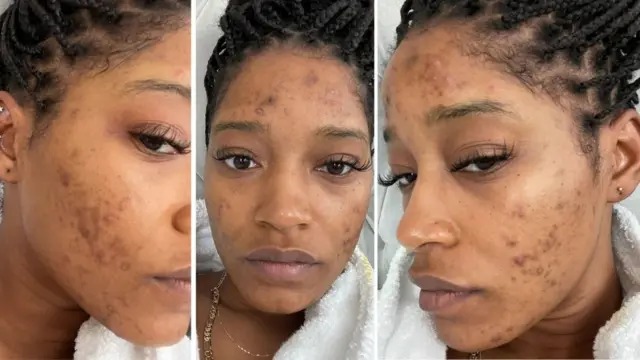
Polycystic Ovary Syndrome is a hormonal condition that can be unnoticeable at first because it looks like regular menstrual symptoms. But signs like irregular or absent periods, stubborn weight gain, excess facial or body hair, persistent acne, hair thinning, or hair loss are quite common. Unlike PMS, these symptoms linger and affect your lifestyle.
PCOS is often caused by an imbalance in reproductive hormones, particularly androgens (male hormones that are also present in women). This leads to the development of many small cysts on the ovaries and the body becoming insulin-resistant.
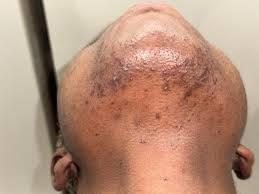
Although the symptoms can be different with individual bodies, there are a few proactive measures to monitor your body.
What You Can Do:
- Track your cycle and symptoms: Use a period-tracking app or write down the patterns you notice over time. This way, it becomes easier to spot abnormalities and have concrete information for your doctor.
- Consult a healthcare professional: Persistent or worsening symptoms should not be ignored. A gynecologist or endocrinologist can help confirm whether it’s PCOS, a hormonal imbalance, or just regular PMS.
- Lifestyle adjustments: Not skipping meals, sticking to a healthy diet, regular exercise, stress management, and enough sleep are the best lifestyle routines to adopt. While lifestyle changes alone may not cure hormonal imbalance, they can significantly reduce the severity of the symptoms.
- Self-advocacy: Having routine tests, asking necessary questions, and seeking second opinions are ways to take your health seriously.
PMS is common, PCOS is serious, and hormonal balance is possible. Next time your body feels like it’s crashing against a wall, that’s your body sending a distress signal…listen to it!