

In Nigeria, there is a timeline many women are expected to follow whether they agree with it or not. Finish school, get a job, meet someone, get married and have kids. Preferably before 30, before conversation starts going round at family gatherings. An unmarried woman in her late 20s is still treated like a problem waiting to be solved. Every achievement somehow circles back to the same question: when are you settling down?
More Nigerian women are stepping back from that question. And it is not out of hatred for partnership or love, but because they are becoming less willing to sacrifice their emotional stability and sense of self just to meet a timeline they did not create.
For these three women, the pressure to get married was no longer enough reason to stay in situations that cost them their peace.
See Also: Low-Effort Love: Nigerian Women Are Done Dealing With Nonchalant Men
“I had followed all the steps the way I was supposed to, and it still led me here.”
Tina, 31, Lagos.
Tina wasn’t just pressured into her marriage. She also talked herself into it. By 27, she had ticked every box she had been taught to care about. She was done with school and financially independent. The pressure from her family was loud and constant. Calls from her mother and aunts, endless wedding invitations, constant reminders of what was expected of her. Tina acknowledged that somewhere underneath it, she had also convinced herself marriage was simply the next logical step.
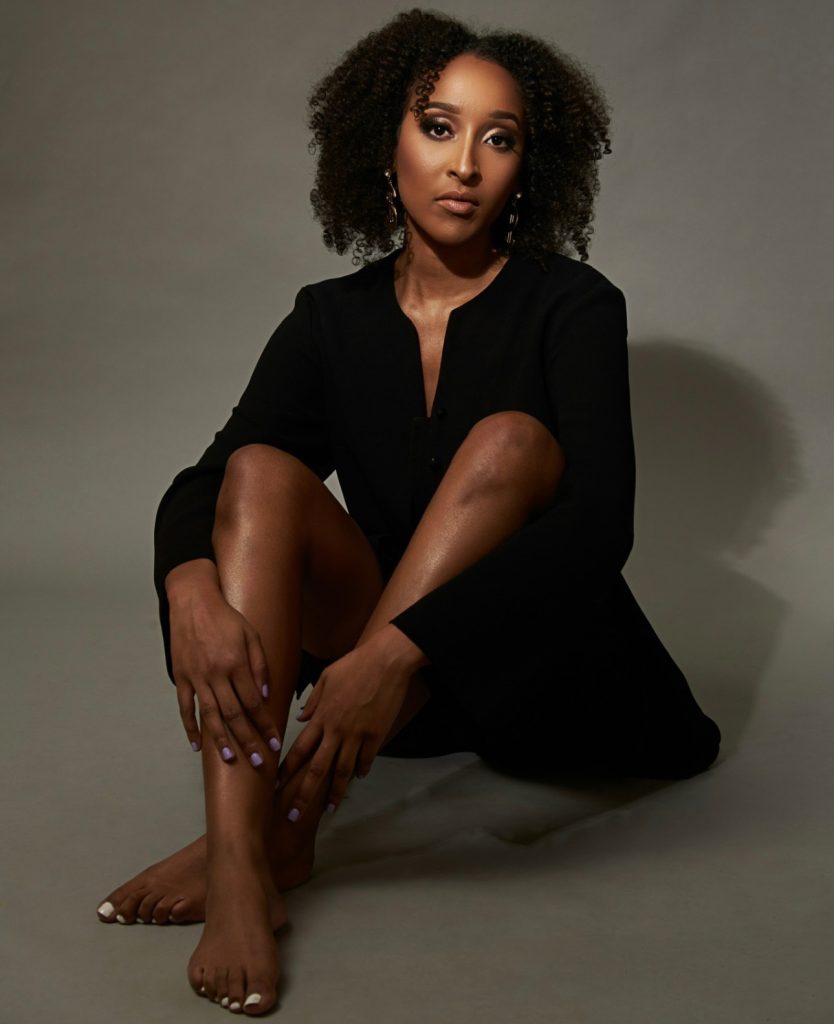
“I saw reasons with it,” she says. “It wasn’t just the pressure. I genuinely thought, okay, my relationship of one year was working, what am I waiting for?”
So when he proposed, she said yes. Not from desperation, from the belief that this was how it was supposed to go. Seven months into the marriage, she discovered he had impregnated another woman. He intended to bring her into their matrimonial home.
“You can’t imagine the shock on my face when he brought it up, that as an Urhobo man, he wouldn’t want a woman to raise his child outside his home.”
Tina had followed the version of womanhood she was taught, yet she was being asked to accommodate her husband’s infidelity.
In many Nigerian homes, a woman who leaves her marriage is treated as the problem. Impulsive, difficult, and incapable of keeping a home. Tina absorbed all of that and left anyway. What the experience gave her, more than anything, was permission to stop outsourcing her decisions.
“Once you’ve already lived through everybody’s worst-case scenario for you, you realise you can survive it,” she admits.
Now, at 31, she is learning what it means to make choices that come entirely from herself.
“The pressure being mounted on Nigerian women is devastating. Now, I’m putting myself first before anything else, and I’m glad a lot of women are finding that path too.”
“God forbid I break my back for a man again, all in the name of commitment.”
Shalewa, 29, Port Harcourt.
By the time Shalewa finished NYSC and decided to stay back in Port Harcourt, marriage felt like a reasonable horizon. For her, giving everything was proof of love and commitment. Whenever she visited her boyfriend, who was also based in Port Harcourt, she cooked, cleaned, and sent money when he asked.
“It wasn’t like I was naive, I knew things weren’t perfect. But when you love someone, you put in the work.”
She stayed patient through behaviour that regularly exhausted her, through the inconsistencies and the way he demanded nearly everything she had. When she didn’t have the money to assist him in getting a new car, they got into an argument that changed everything.
“He plainly told me that all the things I was doing did not mean he would marry me, that I was selfish and inconsiderate.”
That was the moment something shifted for her. Shalewa left in the quiet, firm way of someone who has finally understood something they should have known earlier but cannot be blamed for not seeing.
When asked if she thinks about marriage now, she does not hesitate.
“I honestly don’t care anymore,” she says. “I just want to make my money, travel when I want, sleep peacefully, and enjoy my life. These days, I don’t even give room for any pressure.”
For some women, the shift arrives after heartbreak or exhaustion. For others, it begins much earlier, when the life they imagined for themselves no longer fits who they are becoming.
“I still want to get married. I want a family, but I won’t shrink myself just to make it happen.”
Aisha, 25, Abuja.
Aisha had a plan. Married by 24, kids before 27, a stable home and loving partner, a life that looked like the one she had always imagined for herself. She had wanted it for a long time.
At 25, she is single and has never been further from that plan.
“I know what I want,” Aisha says, “but somehow it keeps not working out the way I thought it would.”
Her most recent relationship ended because of her career. She works in tech and is intentional about building her brand. Her ex made it clear, in small comments that added up over time, that a woman as career-driven as Aisha might eventually have to choose. He wanted someone who would prioritise the home.
“I couldn’t stay, not with somebody who sees my ambition as a problem I’ll need to fix later. That’s not something I am willing to negotiate on.”
Before the relationship ended, she was already dealing with something her family found difficult to accept. She had decided to move out. In many Nigerian homes, that decision alone raises questions. The unspoken expectation is that a woman moves from her father’s house to her husband’s house. Anything outside that pattern means giving up on marriage.
“But my parents don’t understand. I still want to get married,” she says. “I’m not going to pretend I don’t. But I also won’t shrink myself just to make that happen. And I haven’t figured out how to have both yet, because I’m not in a hurry to.”
Aisha is navigating something many Nigerian women eventually arrive at: the distance between the life they were told to want and the life they are actually trying to build. She has not resolved it, but she is not willing to resolve it on someone else’s terms.
See Also: How Old Should You Be Before Getting Married?
What these three women share is not the same story. Tina made a logical choice that turned out to be wrong. Shalewa gave everything to a relationship that was never going to give it back. Aisha is still inside the tension, holding on to what she wants while refusing to pay the price that is being asked for it.
Across Nigerian podcasts, women-led conversations, and online communities, more women are openly questioning the idea that endurance is proof of love. Conversations around marriage are becoming less about securing a title and more about emotional safety, compatibility, independence, and peace of mind.
Marriage is not what is being rejected. What more women are questioning is the expectation that love must require emotional exhaustion, self-erasure, or endless endurance to count. The desire for partnership has not disappeared. What is changing is the willingness to suffer for it.