
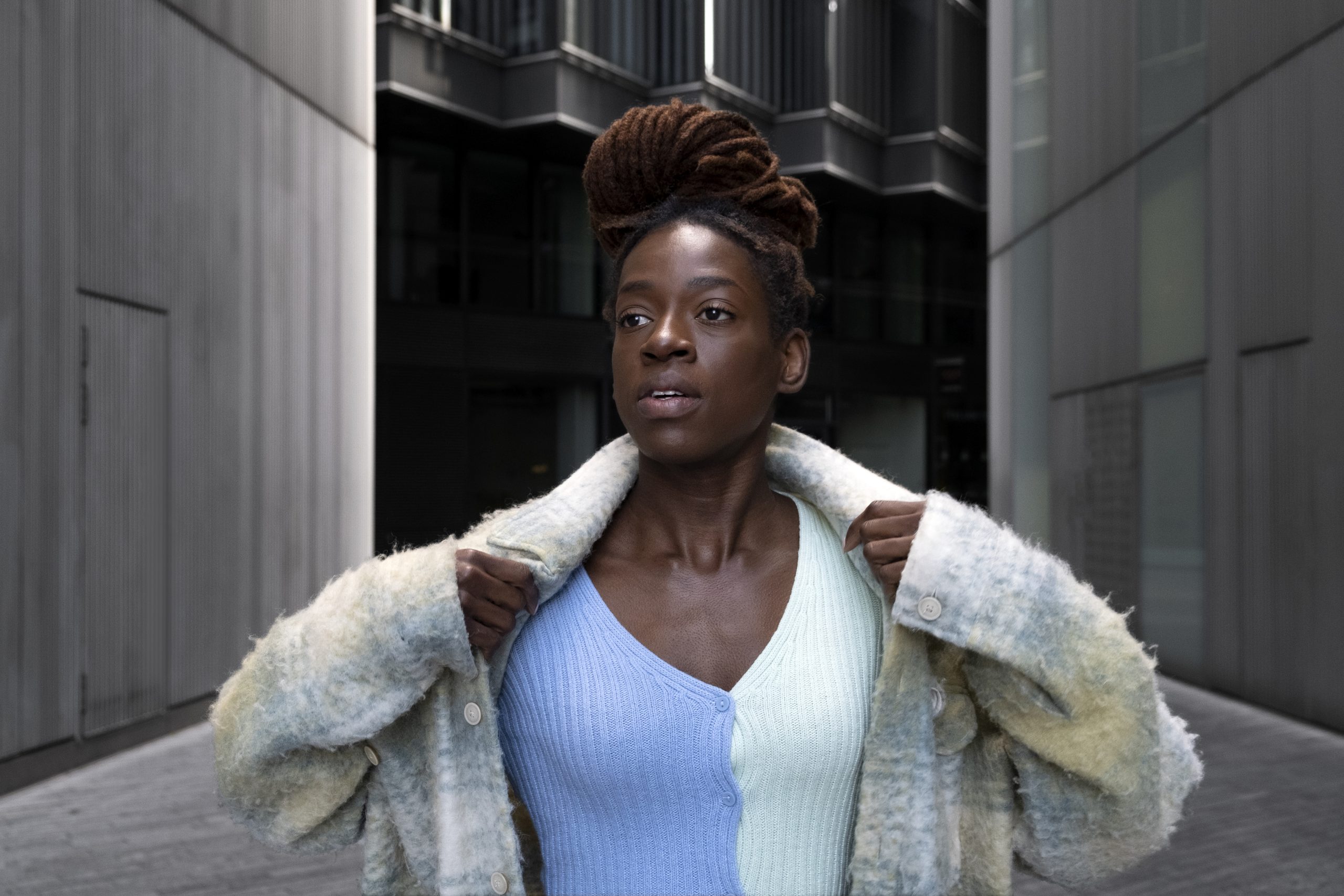
Nigerian women have long been expected to absorb, endure, and adjust inside relationships that do not extend them the same courtesy. But now, that is changing. There is growing clarity about what Nigerian women are and are not willing to accept inside a relationship.
For these four women, they are done dealing with nonchalant men, and they speak to us about how they reached this point and why they are not going back.
“I thought he would change when we got married. He told me there was nothing wrong with his attitude.” — Adaeze, 28, Lagos
I did not see myself ending up in a bad marriage. I left that marriage with nothing I wanted to hold onto, just regrets. I watched my expectations drain slowly. I lost my voice and eventually my willingness to keep explaining myself to someone who had already decided he was not the problem.
I married young, after a relationship that moved quickly and left little room to observe what I was actually stepping into. By the time the patterns became clear, I was already inside the marriage and exhausted from making excuses for a man who offered no emotional commitment in return. When I confronted him, he did not argue. He did not apologize. He told me calmly that morning that there was nothing wrong with how he treated me.
There was no big fight or any affair. The moment I knew it was over was a lot more subtle than that. It was when he looked me in the eye and told me that what I was experiencing was not real enough to make him change his attitude.
It did not hit me immediately until I realized he is unapologetic about his attitude towards me, despite pointing it out to him. So, I told myself to stop waiting for a man who will never see me. I decided not to invest in a one-sided marriage anymore. So, I chose myself. A decision I still don’t regret.

“The only thing I did not give was my life.” — Mercy, 32, Lagos
I was young when we got married. My husband and I were in love. At least that was what I believed. So I entered the marriage without fully recognizing what I was getting myself into. The manipulation was subtle. It showed up in the way he would demand the most ridiculous things, calmly, in a tone that made refusal feel like the unreasonable option.
My difficult pregnancy did not make a difference to him. He would compel me to do strenuous activities, and I would comply. When I begged for rest, he did not argue with me directly. Instead, he would go to anyone who would listen and paint me as the difficult one. I always ended up being the villain in any story he carefully constructed. I kept making excuses for him the way a good woman is expected to. After all, I have to do everything in my power to keep my marriage.
What changed my stance was the incident at the hospital. I was in labor for two days. He was at home, sleeping. I made a clear and final decision that day. I am not having another child with this man. The marriage did not survive it. In Mercy’s words: “The only thing I did not give was my life.”
He did not change. Instead, the withdrawal, emotional abuse, and manipulation intensified, to the point where even my mother could not believe what she witnessed when she came to help with my baby. I am not saying this with bitterness, but with the clarity of having been there. I know better now. I want better.
“I stopped pretending to be happy. That was my decision.” — Ngozi, 34, Enugu
I did not realize how exhausted I was until I traced it back to its source.
My husband came home every evening. He ate. He sat in the same room with me. But he had not asked me a sincere question about my life in four years. Not about my work. Not about how my day went. Not about my mother’s health. Not about the thing I quietly stopped mentioning because mentioning it had never once produced a response.
The moment came on a Sunday evening. I cooked and cleaned while he watched television. I sat across from him and realized I had not said a single true thing to him in months. Everything between us had become functional. Pass the remote. Please send the children’s school fees.
Then I decided. No ultimatum. I simply stopped. I stopped pretending to be content when I was not. I stopped filling silence with cheerfulness that cost me. I started making decisions about my own time without routing them through his approval first.
He noticed. He felt it. For the first time in years, he started asking questions.
I am still here, but I am here as myself now. That was the only version of staying I could agree to.
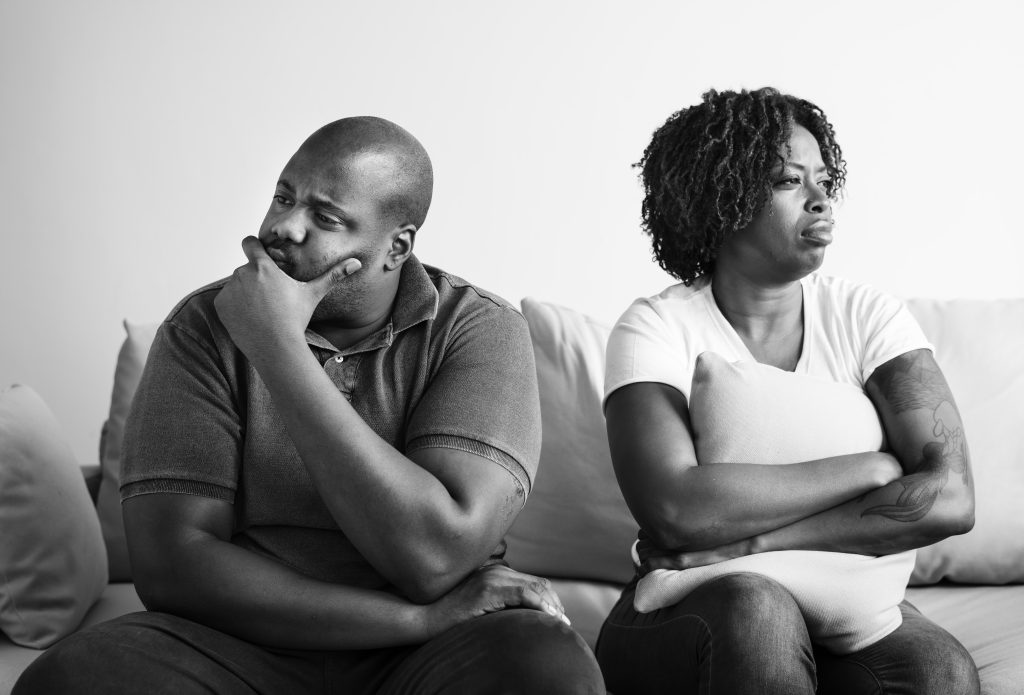
“The day I returned the ring, I finally felt like I could breathe.” — Lara, 29, Lagos
It was eight months from my wedding when I made the decision. The invitations had gone out. The aso-ebi had been distributed. My mother had told everyone.
I had been with Kunle for three years. I cannot say he is a bad man. But he always had a logical reason to make me feel that doubting him was the actual problem. He would promise to show up and would not. He would make a plan and quietly cancel. Then I would arrive somewhere alone and have to explain his absence to people who were already watching.
There is a day I cannot forget. It was a Tuesday. I had been unwell for three days and had already told him. He said he would come. He did not come. At eleven that night, he sent a message: Got caught up. Will see you tomorrow.
I read it and felt something leave my body. Not anger. Something more resolute than anger.
I returned my engagement ring ten days later. I did not cause a scene. I simply did the math and realized that the cost of continuing was higher than the cost of stopping.
My mother did not speak to me for three weeks. Some of the aso-ebi had already been sewn. People had questions. None of it was harder than the thought of spending my life waiting for a man who had already shown me exactly where I ranked in his priorities.
I did not leave because I stopped loving him. I left because I finally started seeing what he had been showing me all along.
Read Also: What to do When You’re on a Bad Date
What these four women share is not the specific form the nonchalance took. It is the point each of them reached where something became undeniably clear, where the relationship stopped being something they were building and became something they were solely maintaining. Nigerian women have always understood what they deserved inside of love. What is different now is the growing refusal to accept anything less, regardless of the social cost of that refusal.