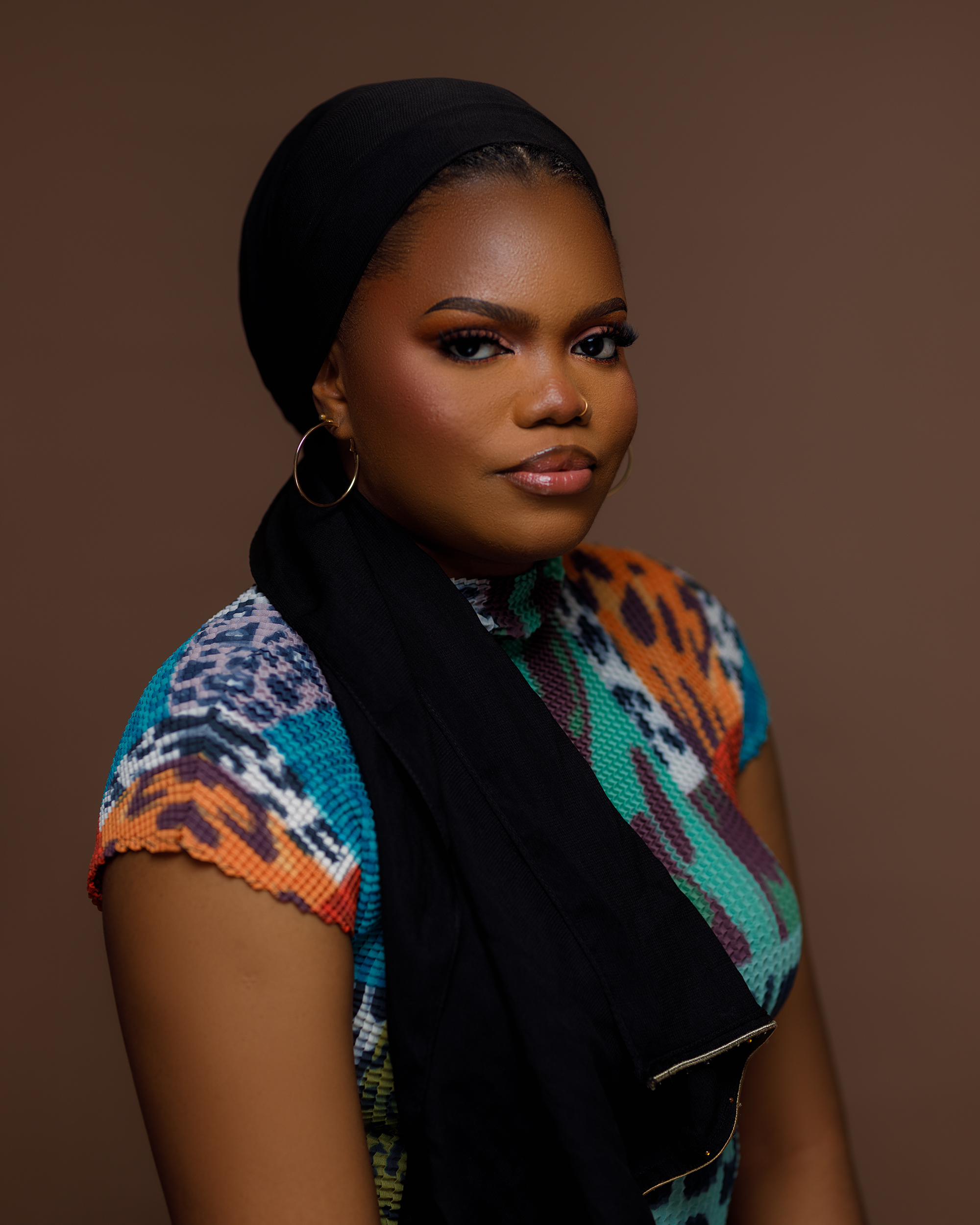

Two things happen consistently every International Workers’ Day. We see motivational content from people who glorify hustle culture, and we see generic spiels on work-life balance.
Just like many days set aside for a purpose, the true intent of Workers’ Day, which is not only to celebrate workers but to continue the fight for labour rights and safer working conditions, has been set aside for performances.
And even in that, an entire category of workers keeps going unacknowledged because their work was never classified as work to begin with. That category is domestic labour, and the people doing most of it are women.
See Also: Nigerian Women On What Happens When You Outgrow The Career You Worked Hard For
The Unpaid Work Nigerian Women Have Always Been Expected to Do
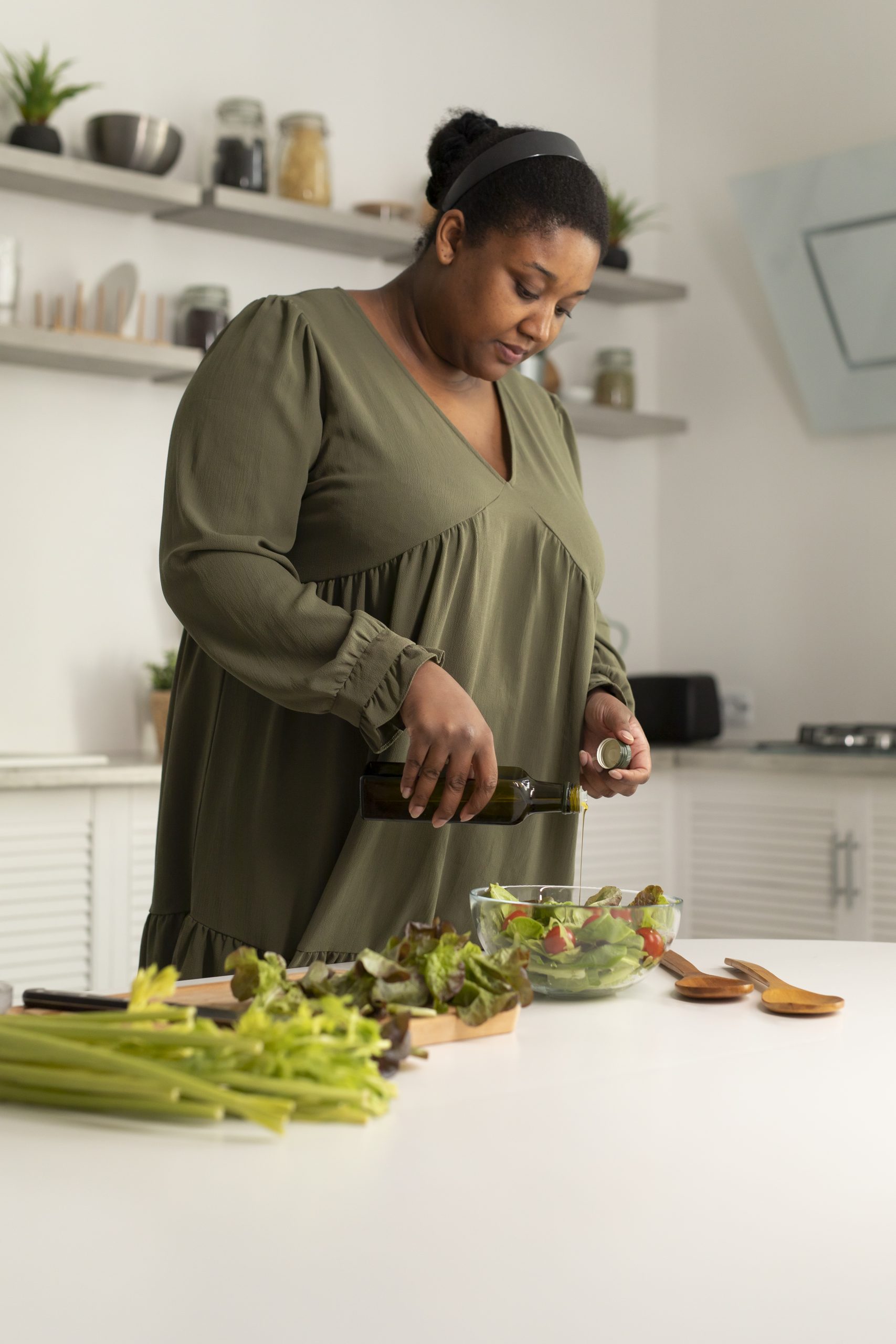
If you ask Nigerian women, especially the married ones, what their mornings look like, you will get an eerily similar answer. She wakes up before everyone else, prepares breakfast for the family, tracks school runs, and cleans the house before she heads to her own work if she works outside the home. This is not something she stumbled into. It is what has been ingrained in her since childhood that homemaking is her responsibility.
You know that line in Kizz Daniel’s Showa, “Can you wake up around 4:30 to make breakfast for me?” That’s the reality of most Nigerian women.
If there’s one thing our culture does well, it’s that it glorifies the domestic labour of women and yet it does not acknowledge it. None of the work the woman does in the home comes with a salary, a review, or any formal acknowledgement that it constitutes labour. It is something simply expected of a woman to do because it is the “natural order of things.”
She is not even allowed to complain or protest this. Some women who are full time homemakers have even been asked, “What do you contribute to this home?” The cooking, the cleaning, the emotional management of an entire household, the mental load of holding every moving part of a family together, none of it is considered real, skilled, time-consuming work.
And yet, despite all of this, a woman cannot win on either side of the arrangement. The woman who chooses to stay home and build her life around the domestic space is told she has no career and no life. The implication is that because her labour is unwaged, it is somehow less real.
Then there is the woman who steps outside the home to build a career, who shows up, delivers, and holds her own. She is told that the home is still her main responsibility. Her work outside the home does not transfer the cooking to anyone else, nor does it redistribute the mental load. She must simply be able to do everything. She is society’s idea of a strong woman.
See Also: Afrobeats Has Gone Global But Where Are The Women?
Why Being Called a Strong Woman Is Not a Compliment
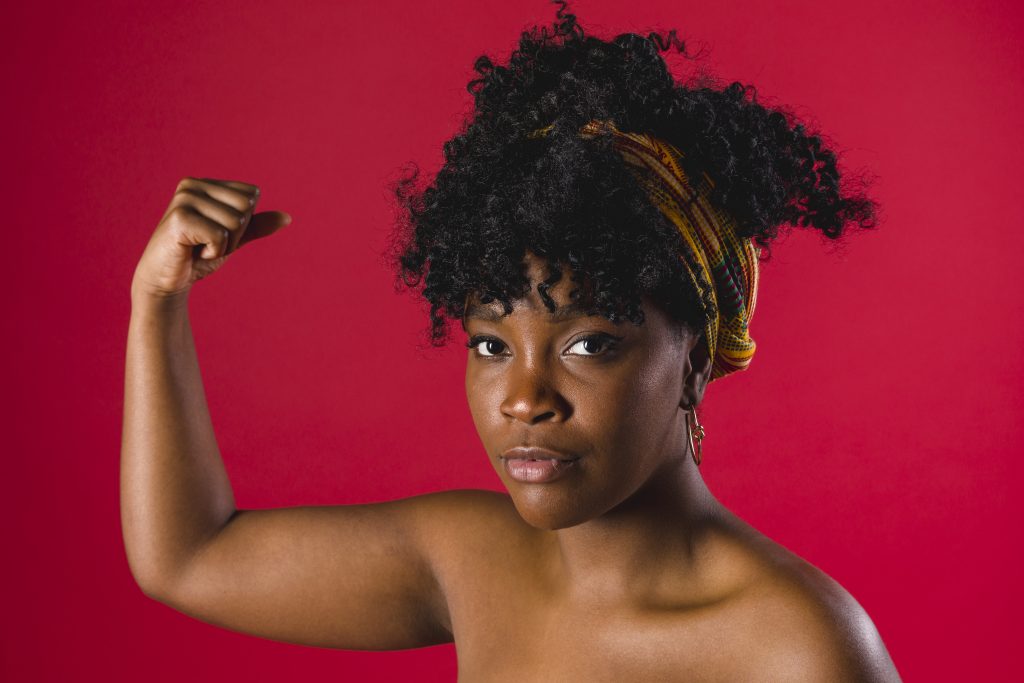
The strong woman is one of Nigeria’s most celebrated cultural exports. She is referenced in speeches, in sermons, and on International Women’s Day, we see the social media posts glorifying her.
She is your mother who raised five children and still had to put food on the table. She is your aunty who is struggling with work and life but never lets anyone see it. She is held up as the standard, the evidence of who a real woman is.
The strong woman trope does not exist to honour women. Instead, it exists to manage them. It takes the very real weight that culture has placed on women and reframes it as a virtue, so that the woman carrying it feels pride instead of protest. If she is exhausted, she is strong. If she is overwhelmed, she is resilient. If she must break down, she does so only where nobody can see, and she picks herself back up because that is what strong women do. The label is doing the work of keeping her in place while making her feel celebrated for staying there.
And when a woman dares to speak against this, they pull out the big guns: “Our mothers did this without complaining. Why is your own different?”
They paint it as if our foremothers’ silence was evidence that the load was bearable, rather than evidence that they too were never given the language or the permission to say otherwise. What was passed down was not strength. It was the expectation to absorb, and the instruction to bear the burden quietly.
See Also: Why Nigerian Women Keep Showing Up for Each Other: HERtitude as a Case Study
Workers’Day 2026 Is Incomplete Without This Conversation
The irony is glaring. A day dedicated to the fight for workers’ rights is observed every year by millions of women who will go home after it and work for free. Every year, when we talk about labour rights and fair conditions and the dignity of work, we are having an incomplete conversation. We are celebrating workers while leaving out the people who have been working the longest hours, in the most demanding conditions, without pay, without recognition, and without the right to even call what they do work.
The domestic labour of Nigerian women is built on a structure that has been maintained deliberately through culture, through upbringing. Calling it out is not an attack on the family or on tradition. It is simply asking that we be honest about what is actually happening and who is carrying the weight of it.
Workers’ Day 2026 is incomplete for Nigerian women if it does not eventually make room for this conversation.