Social media’s visual culture profoundly shapes how young women view beauty and their own bodies. Nigeria’s social media scene is vast, about 31.6 million active users with nearly 45% female aged 20–34.
Platforms like Instagram and TikTok wield enormous influence, acting as strong defining forces in beauty and wellness matters. This Elowell Max Survey gathered 166 responses from Nigerian women, (majority aged 18–24) to probe these effects. Many admit comparing themselves to seemingly perfect, edited bodies, yet a majority say they feel neutral or even more confident after a scroll. Nearly 90% say online images are not realistic, yet over a third have changed their fitness or diet, and more than half say social media has influenced how they think about cosmetic procedures. This survey reveals the dynamic of digital beauty culture in real time.
SEE ALSO: Is Hitting Private On Social Media the New Self Care Move?
Interestingly, most Nigerian women use social media to shape how they look, feel, and move through the world, all the while knowing the images they chase are, for the most part, not real.
Respondent profile
The data come from a group of 166 Nigerian women, most of them under 35. 89 (53%) are 18–24, 61 (37%) are 25–34, and 21 are 35 or older. 144 (87%) live in Nigeria; a handful list Nigerian states or “Nigerian” as location, and only 2 are based in the UK.
Platform influences
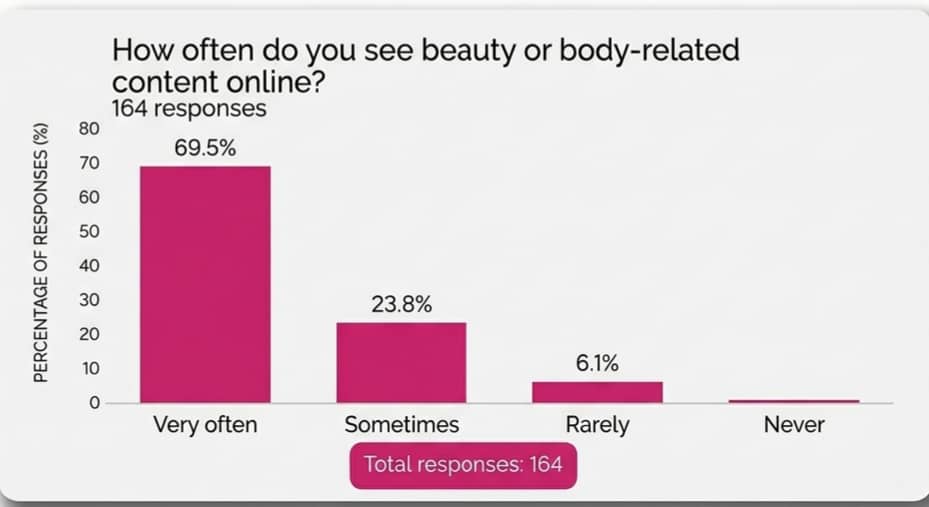
When it comes to beauty ideals, Instagram and TikTok emerged as the strongest influences. Asked which platforms shape their beauty ideals, respondents overwhelmingly name Instagram first, TikTok second. Many list them together, often with Pinterest in the mix—creating a trio of highly visual, algorithm driven feeds. Across all answers, 92 mentions include “Instagram” (alone or with others), 78 include “TikTok”, and 61 include “Pinterest”. YouTube appears in 25 answers, Facebook in 17, and only 15 cite “Other” platforms such as Twitter/X.
The pattern suggests that beauty standards are not coming from just one app, but from a mix of highly visual feeds. Respondents are constantly exposed to glamorous, filtered, and highly polished content across multiple platforms, which helps shape what is seen as attractive, fashionable, or desirable.
Body image impact
Feelings after scrolling are not as dark as you might expect. 43.4% (72 of 166) say social media has made them feel dissatisfied with their body “sometimes” or “often”.
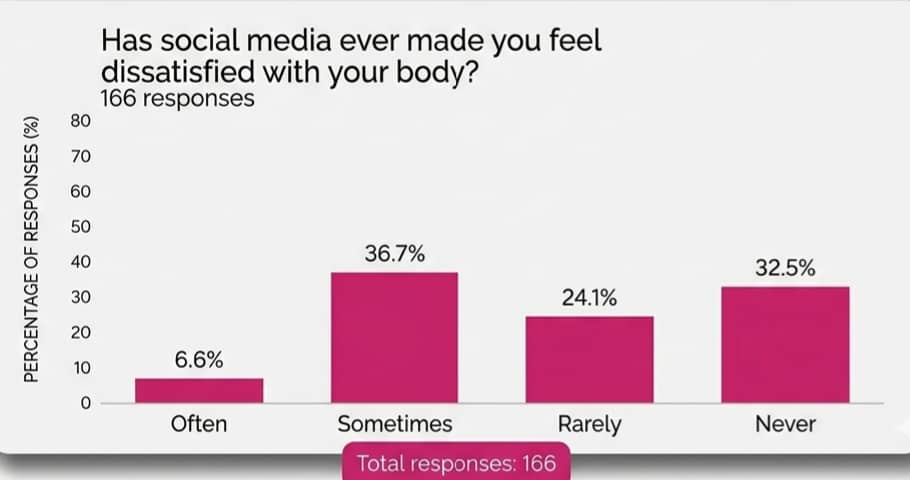
That’s a clear sign that polished fitness photos, “glamour” lighting, and “perfect” bodies can sting, but it’s thankfully not the whole story. After a scroll, the most common feeling is neutral (103 women, 62%); a substantial 51 (31%) say they feel more confident, and only 12 (7%) feel less confident. This suggests a generation that compares, but often also scrolls past. Social media moves the needle, but it doesn’t uniformly drag women’s self image down.
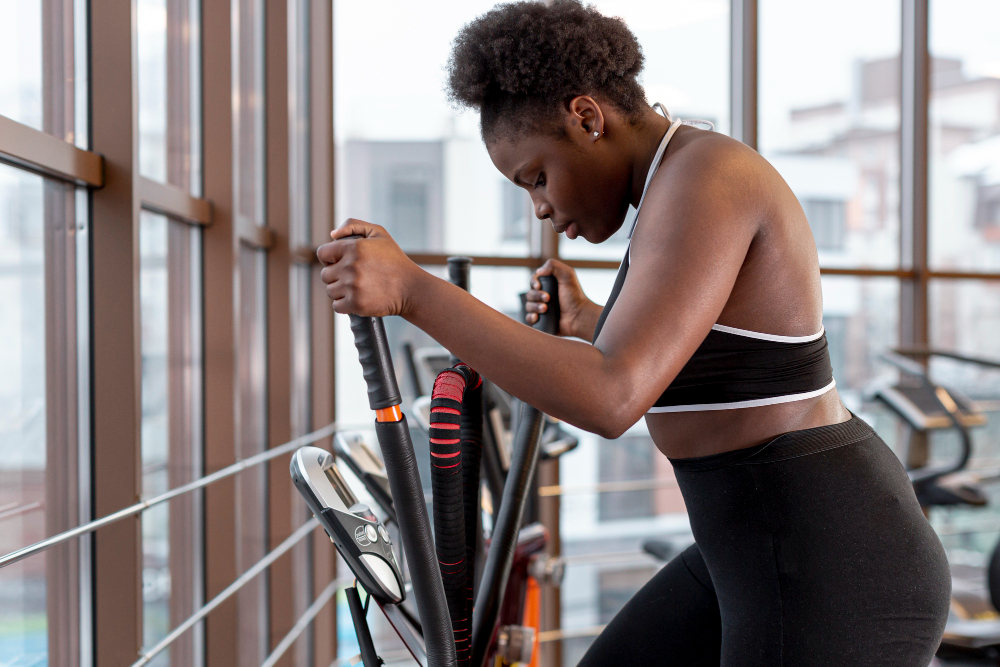
Most women are under no illusion that they are looking at “real life”. 87.3% (145 of 166) say online body images are “not realistic” or they are “not sure”; only 21 (12.7%) think they are realistic. Comments like “I know they’re photoshopped” or “this is not real life” run through the responses. But while many seem aware that the content is curated, edited, or unrealistic, they somehow keep using these images as a yardstick anyway. So while the platforms are influential, the response is not always blind imitation.
Behavior changes: fitness and diet
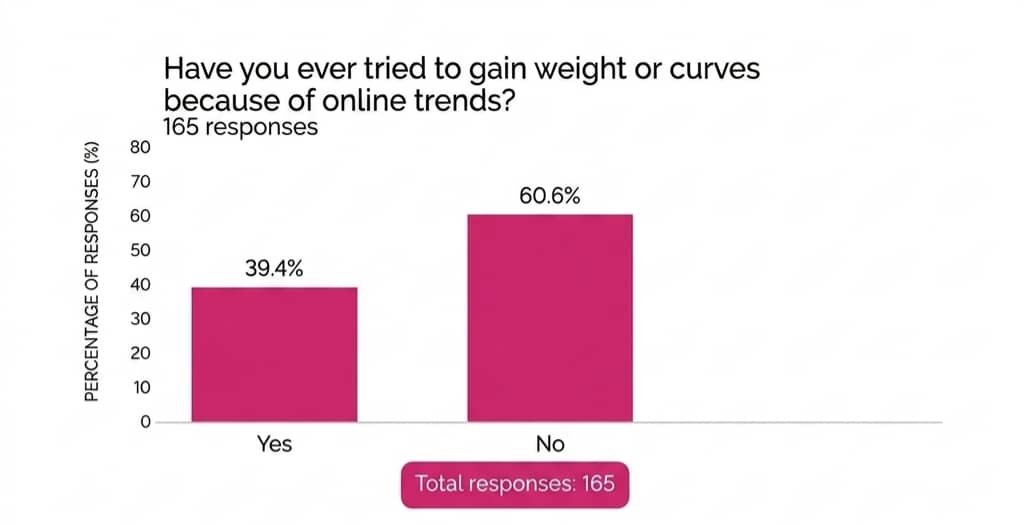
The survey finds that the mirror inside the feed is also shaping real world routines. Over one third of women say they’ve changed their fitness or diet because of something they saw online. 37.3% say yes to “tried to lose weight because of something you saw online,” and 39.2% say yes to “tried to gain weight or curves” (65 of 166). 72.9% say social media has had at least a slight influence on their fitness, diet, or workout habits (86 “slightly,” 35 “significantly”).
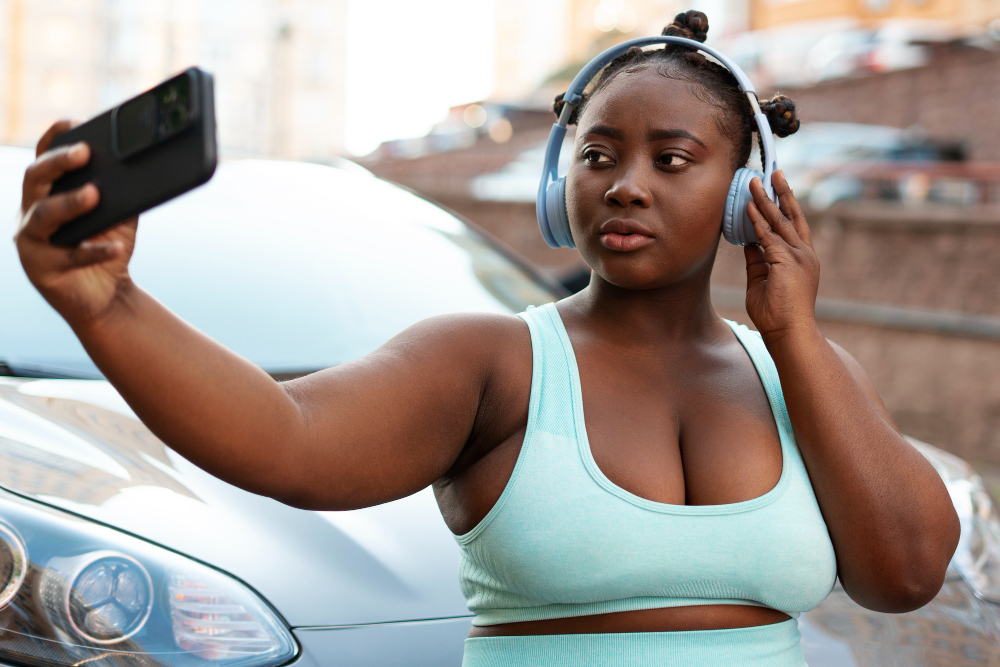
This is “thinspiration” and “curves inspiration” in the same browser tab. Some follow strict fitness accounts, others try viral diets or trending workouts. A few switch to a different style of movement: yoga, HIIT, home workouts—because they saw someone younger, sexier, or more “relatable” doing it. Only 4.2% say they’ve ever had a cosmetic procedure, but many admit adjusting how they eat, train, or dress based on what they see.
Cosmetic procedure trends
Cosmetic procedures still sit in the “what if” space for many. 56.6% (94 of 166) say social media has influenced their thoughts about cosmetic treatments—65 “slightly,” 29 “yes, strongly.” What grabs their attention is skin treatments. 87 mentions of “skin treatments” (facials, peels, skincare, lasers) appear across multi select answers. Surgical options are far less common: 15 mention Brazilian Butt Lifts, 11 breast augmentations, and 6 liposuction, often as part of a longer list. 29 say “None” or “None of the above”.
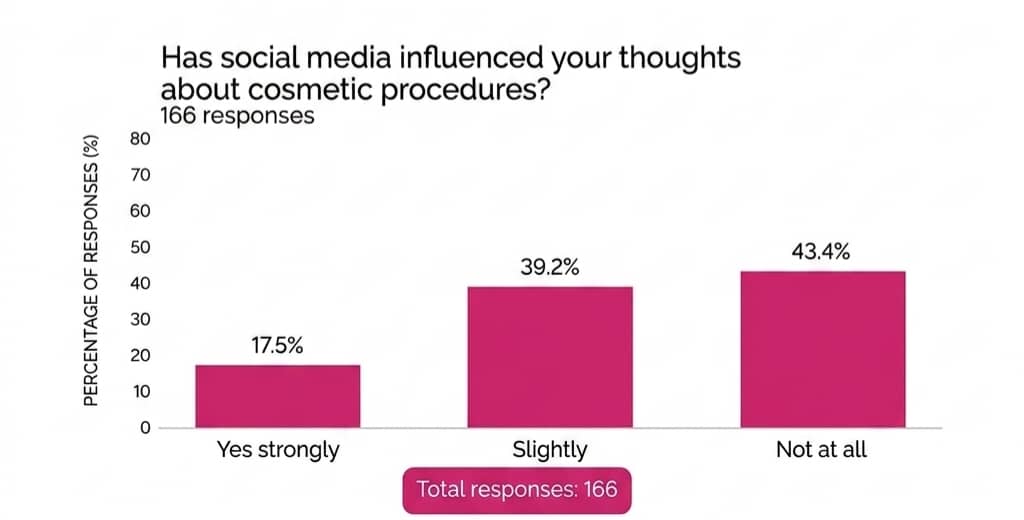
Only 7 women (4.2%) report ever having a cosmetic procedure. Most are curious, not committed, scrolling through Before & After photos, reading influencer experiences, and weighing risks. Their ideal enhancements lean toward the low stakes: “skin care, facials, hair treatments,” “laser hair treatments,” “clearer skin,” “better hairline.” This shows digital beauty culture at its most cautious.
Internet standards and self confidence
When asked if the internet promotes healthy body standards for women, most say no, or not really. 28 answer “Yes,” 82 say “Sometimes,” and 56 say “No.” The majority do not believe social media is a healthy guide. At the same time, their emotional response after scrolling is often neutral or even slightly positive. They describe a kind of careful detachment: admiring someone, thinking “wow,” and then mentally stepping back. Some say they “scroll past,” “laugh at the filters,” or “use it as motivation, nothing more.” A small group (7%) still feel less confident, but the majority seem to be absorbing beauty content without fully absorbing the pressure.
Influential role models and ideals
In open ended answers, a cluster of names keeps appearing. Nancy Isime, Kate Henshaw, Mercy Johnson, Tems, Tiwa Savage, Adesua Etomi—celebrities and influencers associated with curvy yet toned physiques, strong fashion, or graceful ageing. A few mention global figures like Zendaya or Cardi B, or simply “random Pinterest fitness accounts.” These are the bodies Nigerian women return to when they think about “beautiful” or “enviable”.
But the commentary is self aware. “I know they’re photoshopped,” one says. Another describes following them “for inspiration, not reality.” This mix of admiration and doubt explains why so many end up feeling neutral: they like the look, they recognise the illusion, and they decide how much of it they want to live by.