There are so many myths surrounding women’s health, especially in these parts.
“It’s better to give birth to avoid fibroids.”
“Family planning spoils the womb.”
“Your body pushes out dirt during your period.”
“Having only girls is the woman’s fault.”
As an African woman, there are chances you’ve heard at least one of these before. It could have been from the lips of an aunty at a family gathering, a neighbor who’s a self-acclaimed medical expert, and sometimes, even your own mother.

The funny part of these erroneous ideas is that they don’t usually sound like myths. They sound so believable because it usually comes from a place of wisdom and is passed on. A myth can survive generations because a grandparent passed it down to their children, a community holds onto a belief and keeps repeating it until it sticks, or someone’s uncle swears he witnessed something go wrong because a woman did not dance naked seven times after dropping her baby.
This is not to dismiss cultural beliefs and traditions, but some of these myths are problematic, and women have paid the price for decades with their bodies. Let’s talk about some of these myths.
Myths About Women’s Health and Facts
If you still believe in these things, it’s time for a reality check.
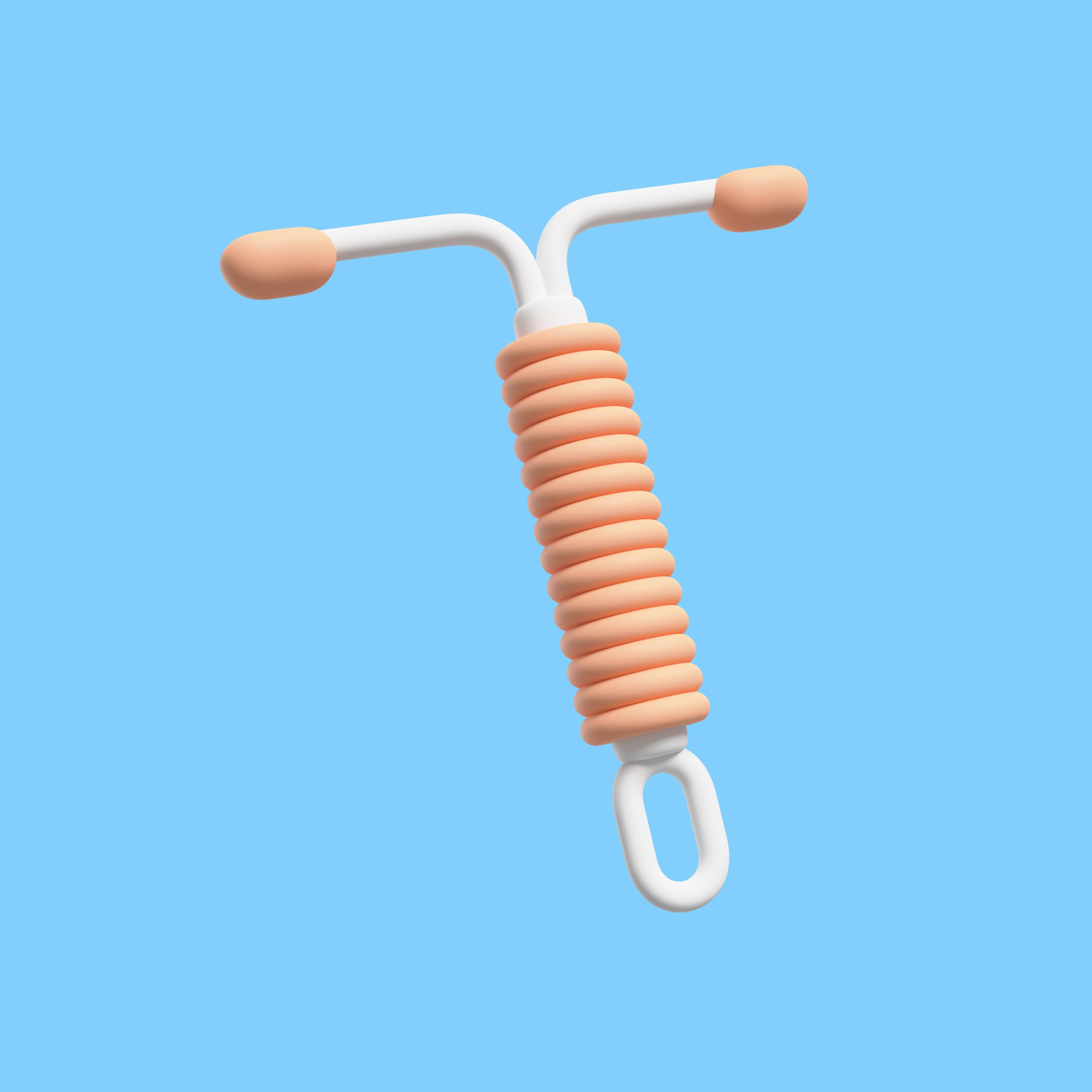
Myth 1: Contraceptives Cause Infertility
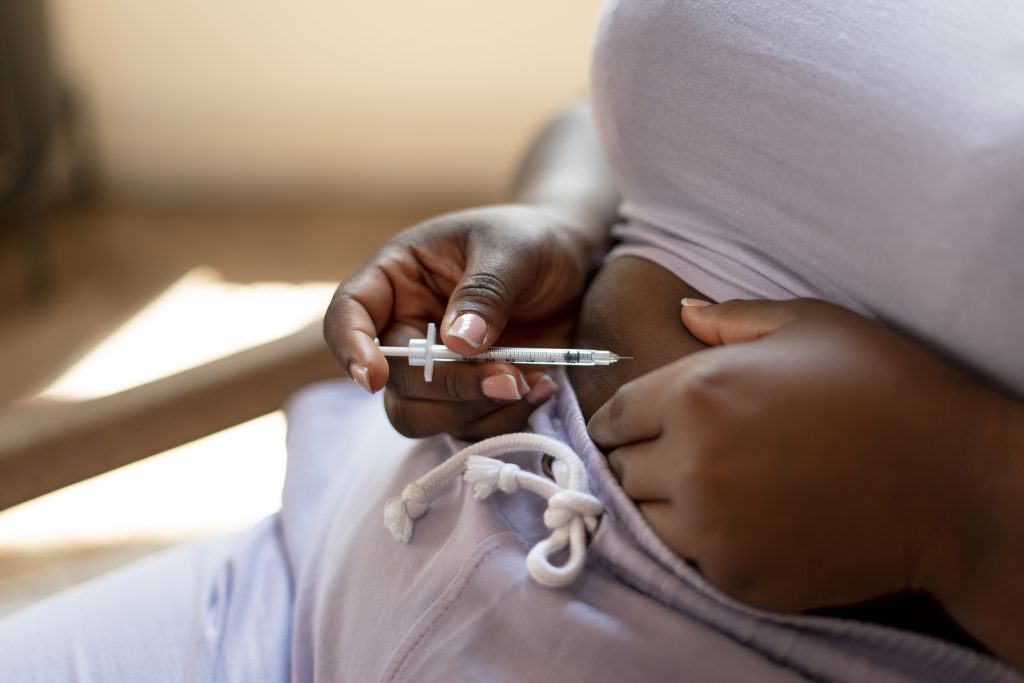
This is one myth that scares many women away from taking birth control. If a woman considers delaying pregnancy for a few years, words like “contraceptives can cause infertility” or “implants have bad side effects on your health” will put fear in her mind. Especially if she still has plans to have children.
Fact: According to the World Health Organization, modern contraceptives do not cause permanent infertility. Most of these methods are reversible, and the body returns to a state of fertility after discontinuation. In fact, the World Health Organization points out infertility can affect both men and women, and none of it is caused by “approved contraceptives.”
Blaming contraceptives for an existing issue is like accusing your umbrella of causing rain.
Myth 2: Menstrual Blood Is Toxic or Impure
Another funny myth is African women believing that menstrual blood is toxic or not clean. Some women cannot do certain things like cooking for men when they’re on their periods. They made periods feel like you’re a criminal moving around with evidence.
Fact: Menstrual blood is not dirty, poisonous, or contaminated. According to the WHO, menstruation is a natural bodily process where the uterus sheds blood and tissue when pregnancy does not occur.
The idea that menstrual blood is unclean comes from cultural taboos and religious practices, not science. Generations of women have carried these myths around, believing that their body’s natural function is something to be shameful for.
Myth 3: The Woman Determines the Gender of the Child
This myth has broken hearts, damaged marriages, and turned innocent women into scapegoats.
A woman gives birth to three girls.
Her in-laws start to look at her suspiciously, like she intentionally picked them off the shelf. They might even suggest that her husband marry another wife. And this is all because she “ cannot produce boys.“
For years many women have been accepting the blame for something they don’t have control over in the first place.
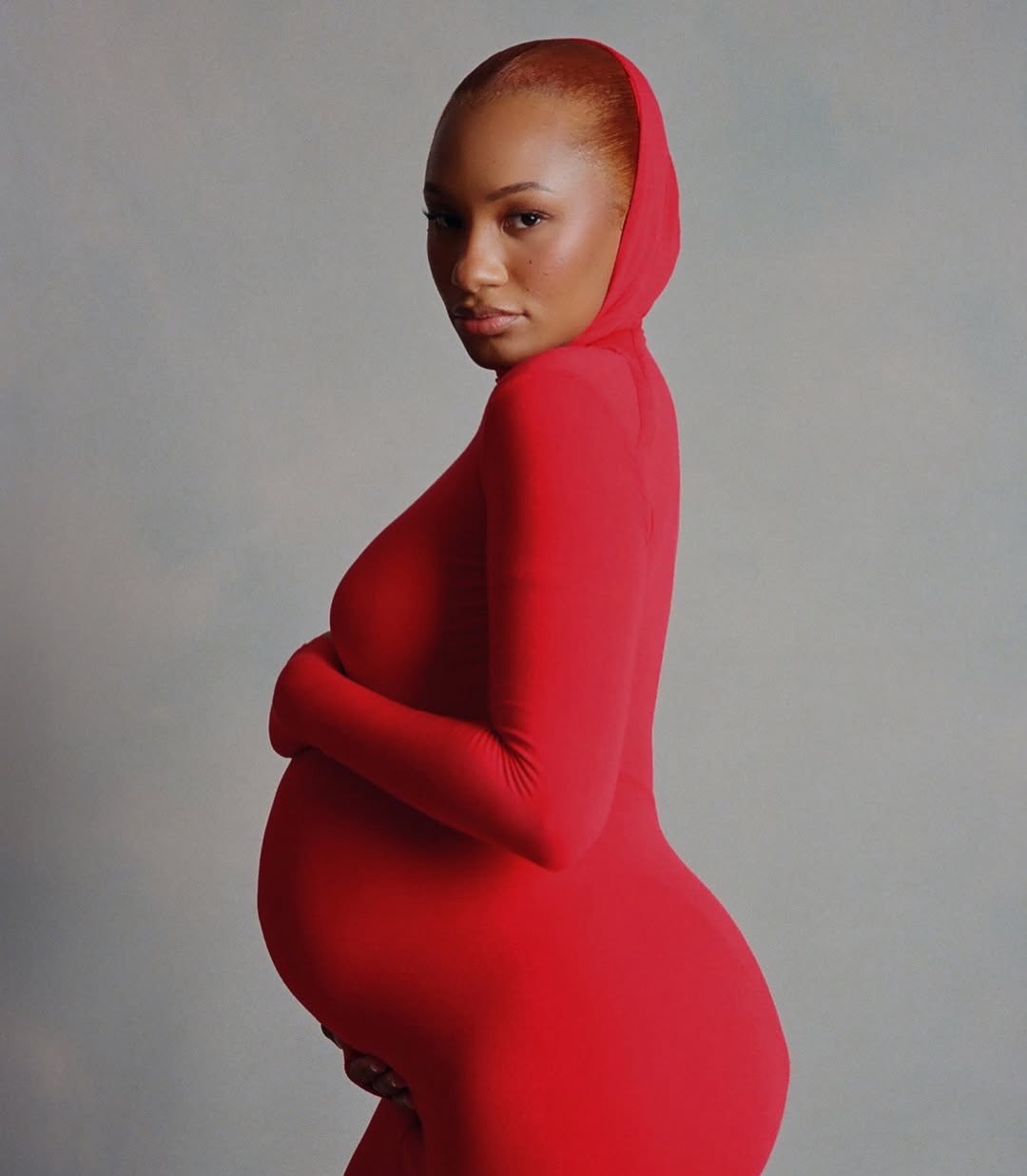
Fact: A woman’s egg always contributes an X chromosome. The sperm contributes either an X or a Y chromosome. If an X-carrying sperm fertilizes the egg, the baby is female. If a Y-carrying sperm fertilizes the egg, the baby is male. In simple terms, the woman is not the one that determines the gender of a baby. It is what the man gives.
Read Also: I Want to Go Back to the Era Our Grandmothers Lived In
Myth 4: Menstrual Pain Is Something Women Must Simply Endure
Someone once asked online if older women have menstrual pain, because we hardly hear of it. The truth is, they do, just like the rest of us. The difference is they don’t talk about it.
Generations of African women were raised on the philosophy of endurance. So, they manage the cramps, dizziness, vomiting, and everything their body gives.
Fact: Because menstrual discomfort is common doesn’t mean severe pain should automatically be dismissed. What is seen as “normal” is most likely an untreated medical condition. Normalizing extreme pain can delay diagnosis.
Myth 5: Pregnancy and Childbirth Must Be Painful
It’s surprising that some women in this generation still believe there’s a badge of honor for going through labor pain. There must be pain, screaming, and more pain.
Of course childbirth can be painful; nobody is saying it’s a walk in the park. But the belief that women must suffer through pregnancy and childbirth has created a culture where discomfort, complications, and even dangerous symptoms are sometimes ignored. Some healthcare providers in Nigeria even make women feel guilty for seeking relief from pain.
Fact: The WHO describes maternal healthcare as ensuring pregnancy, childbirth, and the postnatal period are positive experiences, not endurance tests. Many pregnancy-related complications are preventable or treatable with proper care. Suffering is not the ID card for motherhood.
Myth 6: A Woman Cannot Get Pregnant During Her Period
This myth is responsible for surprise pregnancies and shocked faces.
“But I was on my period!”
Yes.
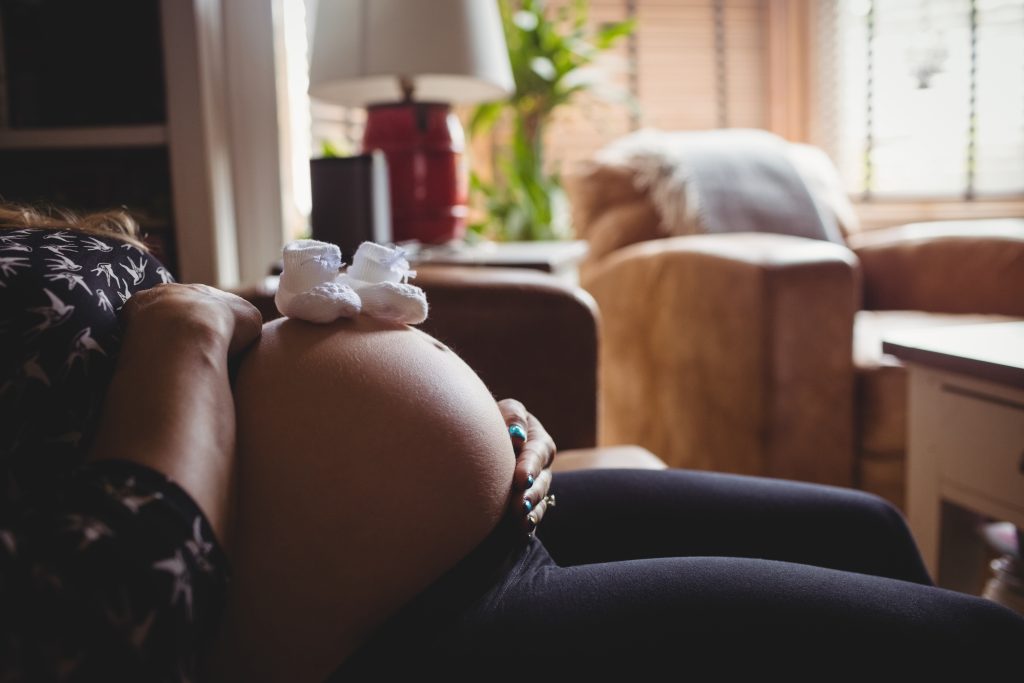
And pregnancy can still happen. Although the chances are slim for many women.
Fact: Sperm can survive in the reproductive tract for several days. If ovulation occurs earlier than expected, a woman can get pregnant. Sometimes, the body doesn’t conform to human calculation.
Myth 7: Fibroids Are Caused by the Idleness of the Womb
According to this theory, fibroids grow because a woman delayed having sex, delayed marriage, delayed childbirth, and left her womb “unused.” It sounds plausible until science proves it wrong.
Fact: Fibroids are non-cancerous growths that develop in or around the uterus. Researchers still do not know their exact cause, but factors such as genetics and hormones are believed to play important roles. They are not caused by a womb being idle.
Women’s bodies do not malfunction because they missed a social deadline.
Myth 8: Female Genital Mutilation (FGM) Is Beneficial for Women
This may be one of the most damaging myths masked as culture. The people who believe in this practice claim female genital mutilation preserves purity and promotes chastity. But they don’t consider the effect on the victim.
Fact: FGM has been linked to chronic infections, severe bleeding, pain during intercourse, difficult childbirth, and physical and psychological trauma.
It is recognized by major health organizations as a harmful practice with no health benefits. Because a procedure has existed for a long time doesn’t make it beneficial.
Myth 9: Heart Disease Only Affects Men
When people hear “heart disease,” they often picture an older man clutching his chest dramatically before he slumps. They assume that it rarely happens to women. Well, heart disease affects women too.
Fact: Women’s symptoms can be different from men’s, making it easier to dismiss. The WHO lists heart disease among the indirect causes contributing to maternal illness and death globally.
Read Also: 10 Health Checks Every Woman Should Stop Postponing
The Real Cost of These Myths
Women’s health myths are usually harmful.
They keep women trapped in unnecessary trauma and stigma. They convince them to ignore their pain.
What makes them powerful is that they often come from a place of love, and over time they sound like the truth. But when misinformation becomes a part of our daily life, it leaves people with the weight of beliefs that work against them.