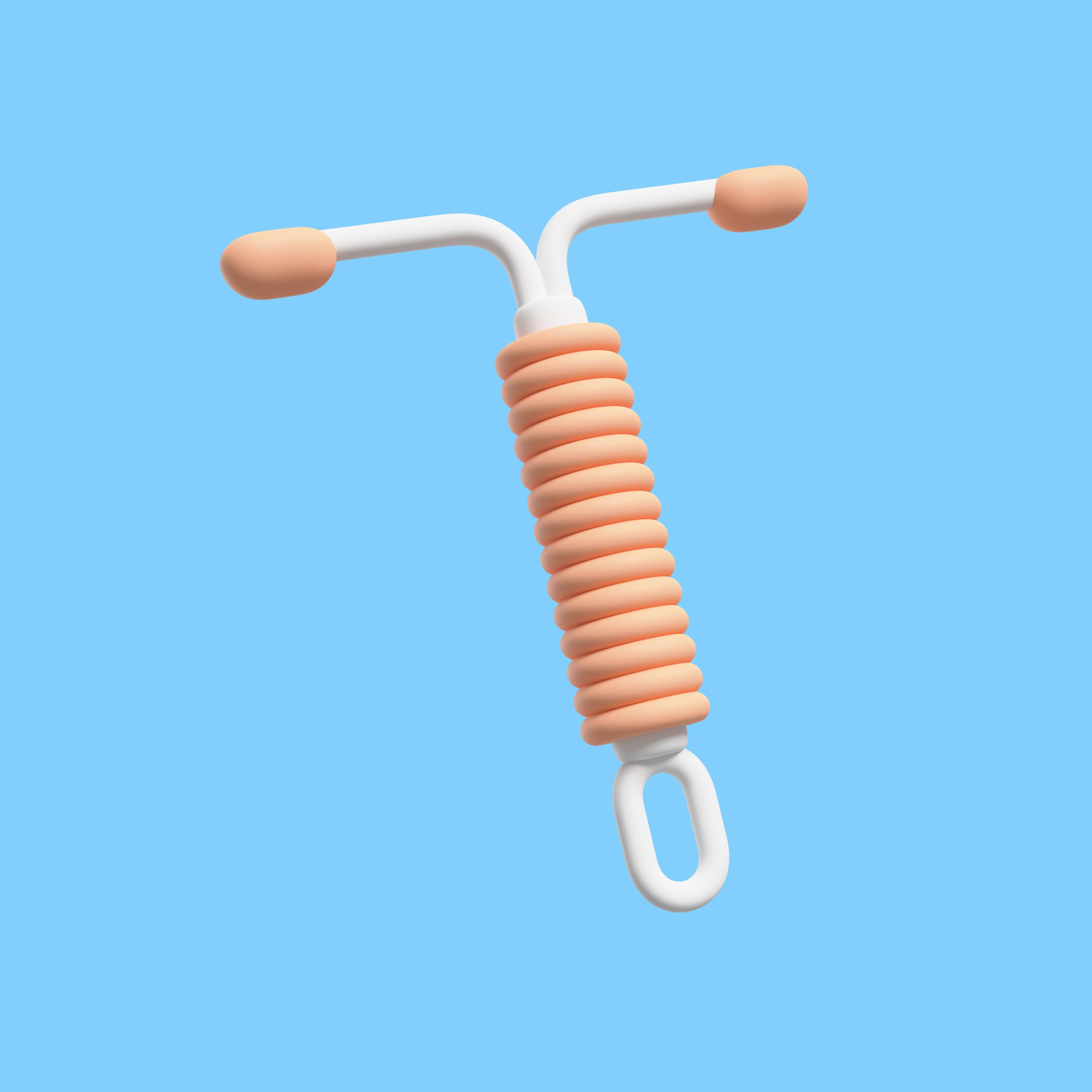
A woman once tweeted that she didn’t feel like herself until she removed her birth control implant. And the replies came flooding in.
Different women shared their experiences with family planning.
One woman said she almost passed out from migraines for the first few weeks after getting implants.
Someone else said nobody warned her that she would spend the first three months bleeding. Now, her period lasts 15 days.
Unexplained weight gain, extended bleeding, low libido, mood swings, depression, acne, migraines, anxiety, and even hair loss are some of the struggles women experience with birth control.
Somewhere in that X comments section, someone asked a question that shifted the conversation— “What if men get vasectomies instead?”
The conversation stopped being about birth control and became a gender war instead.
Another wave of opinion spread.
“It’s permanent.”
“What if he wants children later?”
“No man should be forced to do that.”
The big question now is, who should pay the ultimate price for preventing pregnancy? Whose body is the society more comfortable asking to be sacrificed?
Whose Responsibility is Birth Control?
Honestly, family planning has not really been treated like a shared responsibility in many cases. It is a shared decision, but sometimes rarely a shared burden.
For decades, women have been told that preventing pregnancy is a responsibility that comes with womanhood. Funnily, it starts from the home when elderly women gather to share experiences. Girls learn it in their peer groups. Even medical practitioners rarely involve men when sensitizing women on family planning. Informing them about pills, implants, injections, IUDs, and how the side effects are more bearable than unwanted pregnancy.
If we look at it without bias, pregnancy, childbirth, and breastfeeding change women’s bodies; why should contraception also be a woman’s burden?
The not-so-funny part is that the doctor can say, “Oh, let’s try another one,” like you are shopping for thrift dresses at Aswani market. The search for the “right” birth control can take months. Sometimes years. And that is only if you can afford it.

Although, some women are lucky to find the one that works just perfectly for them. Many women choose birth control willingly because they like the control it gives them. They like the idea of being able to plan pregnancies around their careers, financial and personal availability. The benefits outweigh the drawbacks for them. But choosing something because it’s convenient is a different feeling when you’re the only person expected to make that choice.
Research consistently shows that hormonal contraceptives can cause side effects ranging from mild to severe. Although not everyone experiences them. Somehow, it has become something women just do.
Meanwhile, men’s options can fit comfortably inside one sentence.
Use condoms.
Or get a vasectomy.
That’s it.
And this is probably the reason why it is quick to come up when women are sharing their birth control horror stories.
Read Also: Where Are the Men? Rethinking Family Planning Responsibility in Nigeria
How Does Family Planning Affect Men & Women?
It sounds very simple to say.
A vasectomy is a short procedure that blocks sperm from entering semen. It doesn’t stop a man from producing testosterone. It doesn’t affect erections. It doesn’t hinder sex. It doesn’t stop orgasms. His masculinity doesn’t disappear after the procedure. Yet men reject the idea like it means castration.
Well, it isn’t.
Most men recover within a few days. However, like any other surgical procedure, vasectomy has its own risks. Some men experience pain, infection, bleeding, or long-term discomfort. Vasectomy reversals exist, but they are expensive, technically demanding, and cannot guarantee restored fertility. That is why doctors recommend vasectomy for people who are confident that they do not plan to have biological children in the future.
And that is why the question “Why don’t men just get a vasectomy?” isn’t simple. It is a decision that shapes the rest of their reproductive life, which explains the resistance.

A woman taking birth control can stop anytime, and fertility will return, although the timeline varies by method and person. The conversation is not to undermine the concerns of men. Women understand what uncertainty looks like. But do husbands empathize with their wives when discussing family planning?
Imagine receiving the news after you have your baby that another pregnancy would be dangerous. As a woman, a million and one things start to run through your mind, especially if you are still considering having more children.
Your body is about to go through things no one can prepare you for because contraceptive reactions vary by body. Then your husband says he can’t get a vasectomy because “what if something happens between us?”
Now you are carrying both fear and sudden responsibility at the same time.
No one is wrong in situations like this. Both parties are trying to protect themselves.
Women are protecting the body that has been stretched, torn, and healed.
Men are protecting their fertility and right to future choices.
Everyone’s concerns deserve respect. But that respect doesn’t come with fairness when decisions need to be made.
Whose fear carries more weight? Whose body absorbs the consequences?
Neither question has an easy answer. Contrary to popular opinions, this conversation is not a competition. Nobody should be compelled to endure something that makes them miserable or a procedure they don’t want. The quality of each relationship would determine how couples make these decisions. It will tell if the woman is the only one standing at the center of the “family planning” discussion or not.
For centuries, medicine has mostly focused on female contraception. In a 2016 World Health Organization (WHO) clinical trial, researchers had to cancel a 96%-effective trial for male hormonal contraceptives because participants experienced side effects like mood changes, acne, and weight gain. Meanwhile, these are some of the side effects women have been living with.
The quiet assumption that birth control is one party’s cup of tea is why these debates are coming up. It goes beyond birth control. It’s about partnership, trust, love, and fairness. Whose pain should be acknowledged. Whose body should be protected. What the future holds for the couple’s plan for reproduction.
Should love ask someone to change their body forever?
When does sacrifice become expectation?
When does choice become obligation?
Honestly, there’s no universal answer to these questions.