Natural hair is beautiful and resilient, but it also requires intentional care to flourish.
If you’ve ever stood before a mirror, taken a handful of hair, stretched it out, and wondered why you are stuck with short, dry hair? Kinfolk, you’re not alone, and I do not say that with pride, because it can be frustrating.
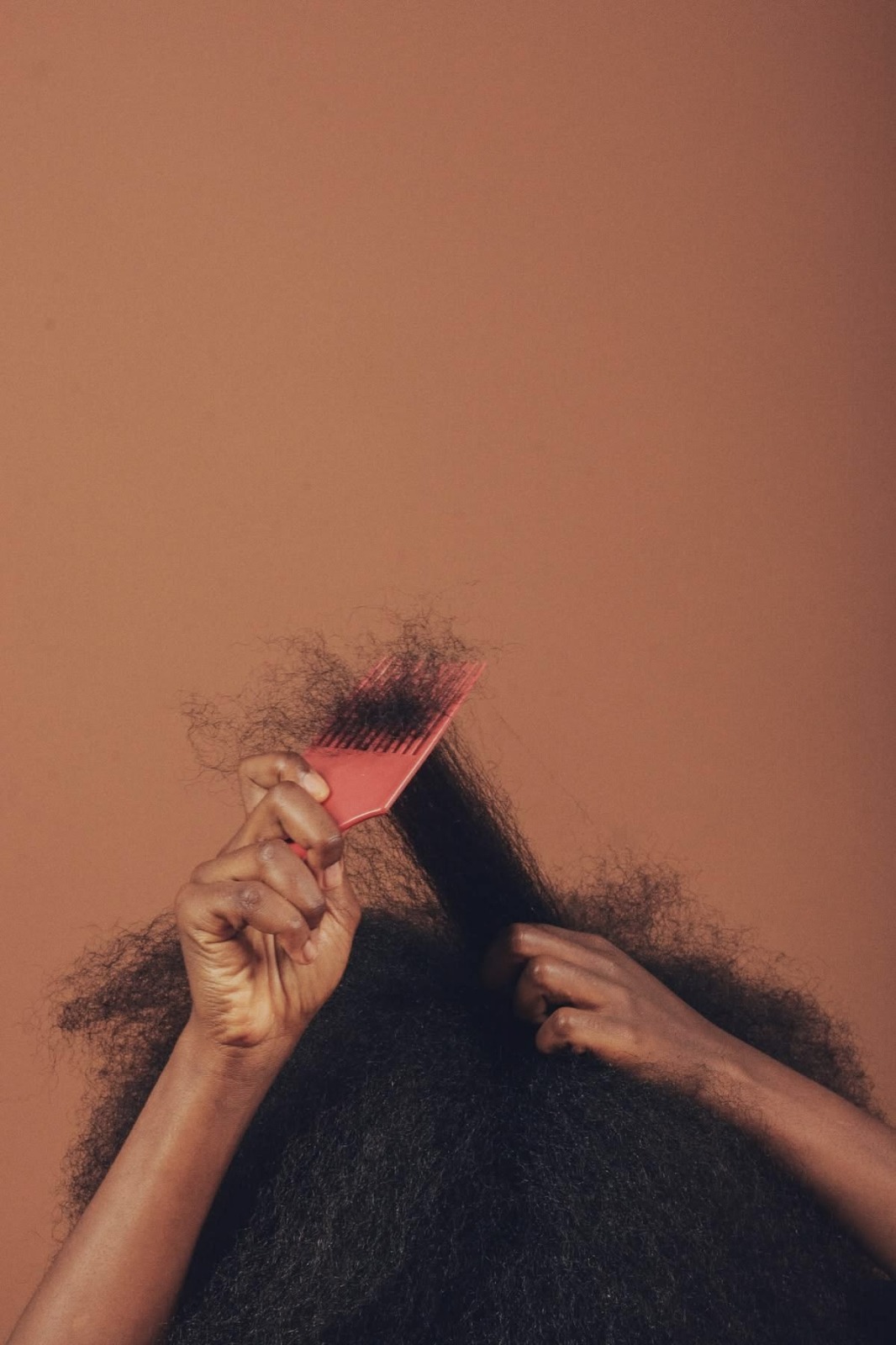
Because how is it possible that you are doing “all the right things” and still aren’t seeing the growth, moisture retention, or volume you want? You are using the herbs everyone testifies about, but your edges are gradually disassociating themselves from you, and you are just another braid away from being bald. Sometimes, combing your natural hair gives you a health scare when you see how much you have shed.
I am currently struggling with keeping a healthy hair routine. I have seen women with healthy natural hair and decided that they must be doing something right. So, I went seeking answers and found that there are some common mistakes that may be standing in the way.
Mistakes That Affects Your Natural Hair
Natural hair needs dedication. It needs the kind of commitment that many of us feel is too demanding, and the habits we pick up work against our hair goals. Here are nine things that need to be checked.
Are Protective Hairstyles Actually protective?
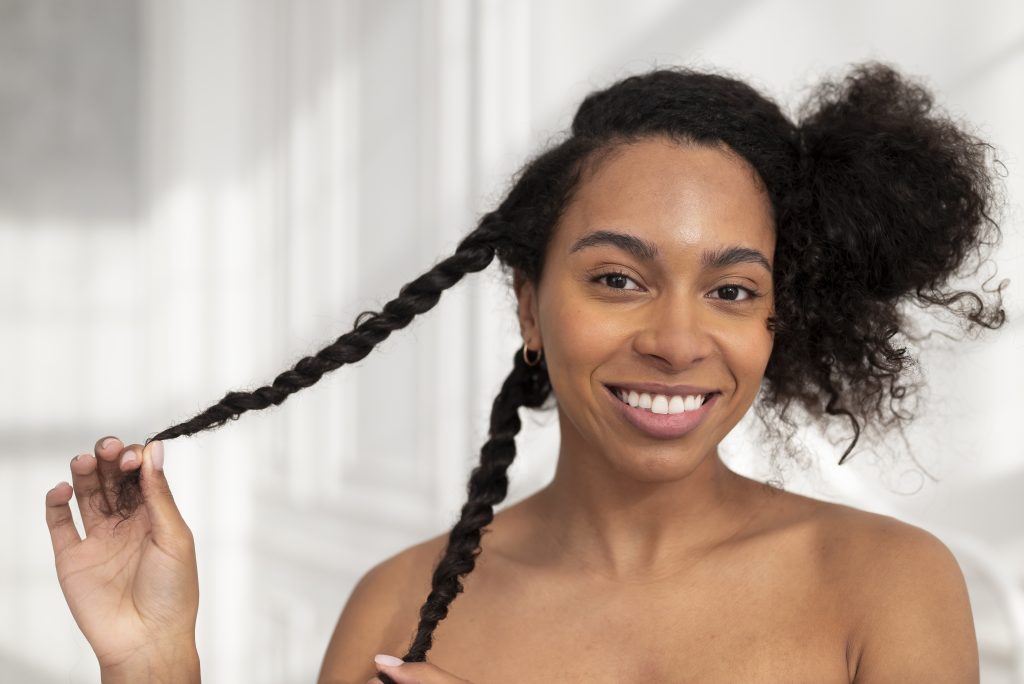
One of the ways African women express themselves is through their hair. It is a love story that has been shared for centuries. Knotless braids, cornrows, Ghana weaving, faux locs, twists. We wear them because they’re beautiful, practical, and, supposedly, protective.
But the real question is, are they protective if they are painful? The first night after getting a new braid feels like torment. Yes, your stylist has given you a facelift, but are your hair follicles in approval?
According to dermatologists, tight hairstyles can cause traction alopecia, a type of hair loss caused by constant pulling on the hair roots. It commonly affects women of African descent because of hairstyles that place repeated tension on the scalp.
The irony is many women make protective hairstyles to grow their hair, only to lose the hair, and their edges pay the highest price for this decision. The truth is, protective hair doesn’t have to be tight.
Read Also: Wigs or Braids: Which Is Safer In Terms of Toxicity
Water is Not Your Enemy
Some people claim they moisturize their hair, but they don’t actually add moisture.
Hair cream. Hair oil. Hair butter. Everything except water.
Natural hair struggles to stay hydrated because its texture slows down the circulation of natural oils from the scalp to the hair strands. That’s why dryness is a common issue with natural hair. There’s nothing wrong with using hair products, but you will only be locking in moisture, not adding to it.
Protein-Moisture Balance
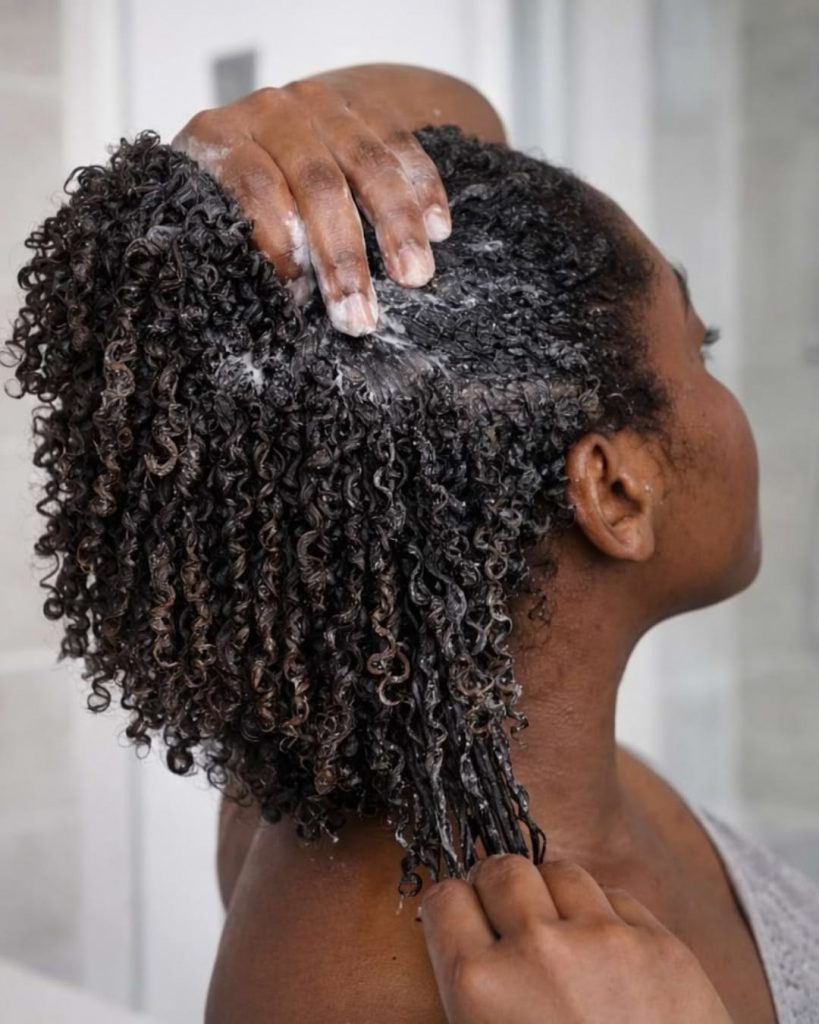
Your hair also needs a balanced diet. It needs both moisture and protein. Protein helps strengthen the hair structure, while moisture helps maintain softness.
Too much protein can leave hair feeling stiff, rough, and prone to snapping. Too much moisture can make strands overly soft and weak, causing them to break easily. So, you must learn to strike a balance, not overload your hair.
Detangling Dry Hair
Over time I have learned to not leave my hair to dry for too long after washing. I would usually let it air dry before applying cream or leave-in conditioner, but that always makes it dry and stressful to comb.
Instead of reapplying water after it dries out and forcing a comb through it, oil it while it’s still moist. Some people force a combo through dry, tangled hair. This will only lead to tension on your scalp and breakage.
Many people mistake this breakage for shedding and assume their hair is not growing when in reality, they’re losing length to detangling.
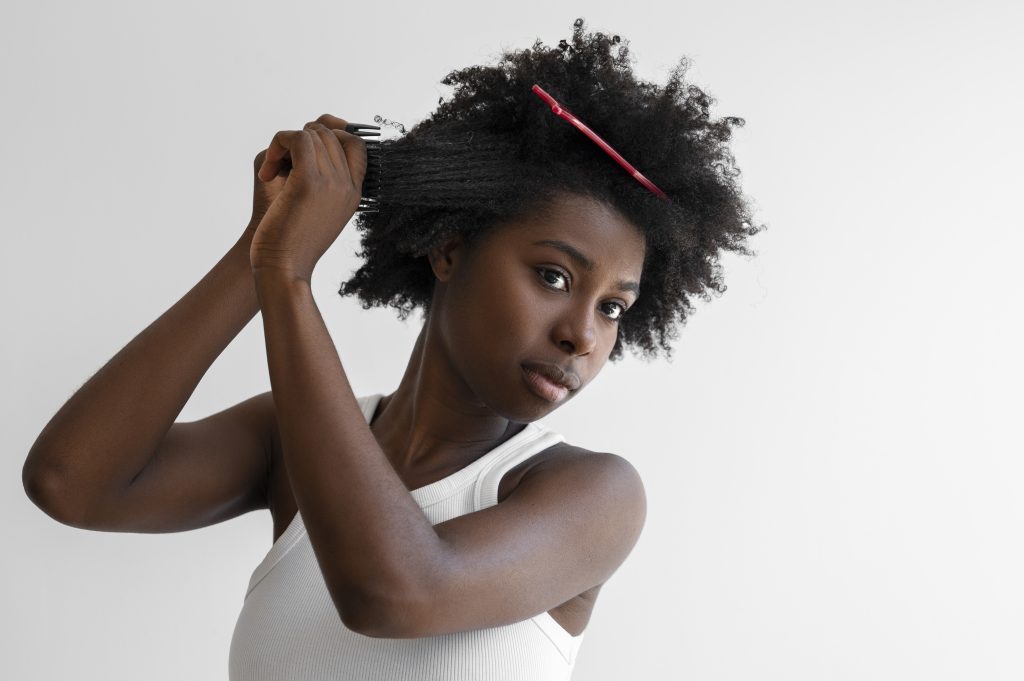
Ignoring Scalp Health
Natural hair conversations usually focus on length retention and texture. The scalp rarely gets attention. But healthy hair grows from a healthy scalp.
Excess product buildup, inflammation, sensitivity, and poor scalp hygiene can affect hair growth. Dermatologists always emphasize that the state of the scalp is a major factor in hair health.
Nobody expects a plant to flourish in unhealthy soil.
Excessive Heat Styling
The sleek shine of a silk press is an aesthetic many women admire. Your hair problem starts when you use heat regularly. It weakens the hair’s structure, reduces elasticity, and can cause permanent damage.
People with curls will lose them eventually. The tricky part is the damage is usually a slow, gradual process.
Read Also: How To Blend Sew-In Perfectly With Natural Hair
Skipping Regular Trims
There are many women who have never trimmed their hair. They leave the damaged ends without an awareness of the effects. The weak ends of the hair usually continue upward, leaving the hair more vulnerable to breakage. So, it’s not just about the tip of your hair shedding.
Using Too Many Products
Natural hair marketing is so powerful. We are quick to jump on a new promise of instant changes. A new growth oil. New hair butters. The herb or capsule that works like magic. Before you know it, your shelf is full of products that you incorporate into your five-step routine.
The actual problem is switching products constantly. You won’t understand what your hair responds to, coupled with the fact that it can lead to buildup.
Overwashing or Underwashing Your Hair
You must have a routine for wash days. You can’t be extreme with washing your hair.
Some people wash their hair too often. Some rarely wash it.
Washing too frequently can strip away natural oils and contribute to dryness. Going too long without cleansing can lead to product buildup, dirt accumulation, and scalp issues that make it harder for moisture to penetrate the hair. Your hair doesn’t need constant washing, nor do you have to neglect it.
Moderation is important.
Sleeping with Uncovered Hair
Many of us spend time grooming our hair only to throw ourselves into bed at night to undo half the work.
Cotton pillows absorb moisture from the hair and create friction as we move during sleep. This friction can lead to dryness, tangles, and breakage, especially for textured hair.
This small habit might seem inconsequential until your hair starts to lose moisture. Then, you will realize that a hair bonnet is not just a fancy accessory.
Forming New Habits
Some of the biggest mistakes we make are expecting instant results, forgetting that genetics and habits play a huge role in hair health.
The timelines are filled with before-and-after photos of full, long hair, and it is easy to believe that your hair is rebelling against you. But healthy hair growth is usually slow, steady, and uneventful.
It’s time to start practicing intentional habits with our hair journey rather than be frustrated.