A growing number of women are making decisions about their bodies not in response to anyone’s opinion, but in spite of it.
That conversation has always been contradictory. She is celebrated for being full-figured at family gatherings and shamed for the same body in the next breath. That constant back and forth makes it difficult for women to tune out the noise long enough to hear what their own body is actually saying. Both Josie and Glory lived inside that contradiction for years before they chose themselves.
Josie could not get up without holding onto something. That was the moment she knew something had to change. Josie is 25 years old, a writer, and for about a year, she carried a weight she did not fully reckon with until her body made it impossible to ignore.
See also: Wellness: Redefining Health Beyond Weight Loss
She felt lethargic constantly: a five-minute walk left her heaving, her lower back and chest ached with the effort of simply moving. “I didn’t even realise I was that big until I decided to lose weight,” she says. The decision, when it came, was entirely hers. No doctor’s ultimatum, no family intervention, just her body speaking loudly enough that she finally had to listen.
She went on a strict diet and committed to the gym. The hardest part, she says, was not starting. It was continuing. “Consistency is a battle, that is why it is great to have an accountability partner.” The results came gradually: the back pain disappeared, and she can now walk twenty minutes without gasping for air. She feels lighter in every sense.
The response from people around her was mixed. Her family and close friends were supportive, but new acquaintances pushed back, telling her not to lose weight at all. “I have always heard negative comments about my weight all my life and I stubbornly refused to listen,” she says. “So when I finally decided to lose the weight for myself, hearing someone say I shouldn’t lose weight, it annoyed the heck out of me.”
Her advice to any woman sitting with a body that is suffering while the world tells her to stay the same is direct. “If you are going to change, do it for yourself, people will never be satisfied with anything you do. It is either too fat or too slim for them, so change for yourself, until you are satisfied.”
See also: Do Curvier Women Get More Engagement or Just More Scrutiny?
Eze Glory is a 29-year-old digital marketer who carried excess weight for three years before her body forced the conversation. The signs were impossible to ignore: constant fatigue, discomfort, difficulty breathing, and then her blood pressure rose.
That was the turning point. The decision to change was hers, though the health warnings from those around her also played a role. Like Josie, she pursued the change through diet, exercise and lifestyle modification. The hardest part for her was exercise: showing up consistently when the body resisted, but she pushed through.
The response from people around her was overwhelmingly positive. “Happy,” she says simply, describing how those closest to her reacted and how does she feel now? “Comfortable and light.” Three years of carrying a weight that made breathing difficult, reduced to two words that say everything.

Musa Barakat Kehinde is a nutritionist and dietitian with a background in biochemistry and nutrition. She has been practising for three years, helping individuals improve their health through proper nutrition, lifestyle modification and personalised dietary guidance.
She has seen firsthand what excess weight does to a woman’s body when left unaddressed. The most common health issues she encounters include high blood pressure, type 2 diabetes, hormonal imbalances such as PCOS, joint pain, fatigue, infertility challenges and sleep problems. “Excess weight can affect almost every system in the body if not addressed early,” she says.
For Barakat, the threshold is clear. “Excess weight becomes a serious health concern when it begins to interfere with normal body functions like difficulty breathing, uncontrolled blood pressure, elevated blood sugar, heart strain, severe mobility issues or reproductive health complications.” These are not abstract medical terms. They are the lived reality of women like Josie, whose body had been sending signals long before she acted on them.
What Barakat finds most significant in her work is the difference between women who lose weight for external reasons and those who do it for their health. “Women who pursue weight loss mainly for appearance or social pressure may struggle with consistency,” she explains. “Those who focus on improving their health often develop more sustainable habits because their motivation is deeper and long-term.”
See also: If These 5 Recipes Don’t Give You a Flat Tummy, Nothing Will
She is also direct about the role culture plays. “Cultural beliefs can sometimes make women feel that losing weight means losing beauty, status, or even happiness,” she says. Her response to that is equally direct. “Health and beauty can coexist, maintaining a healthy body is not rejecting culture, it is protecting life.”
Her parting words carry the weight of everything this piece is about. “Respect culture, but do not sacrifice your wellbeing to satisfy expectations.”
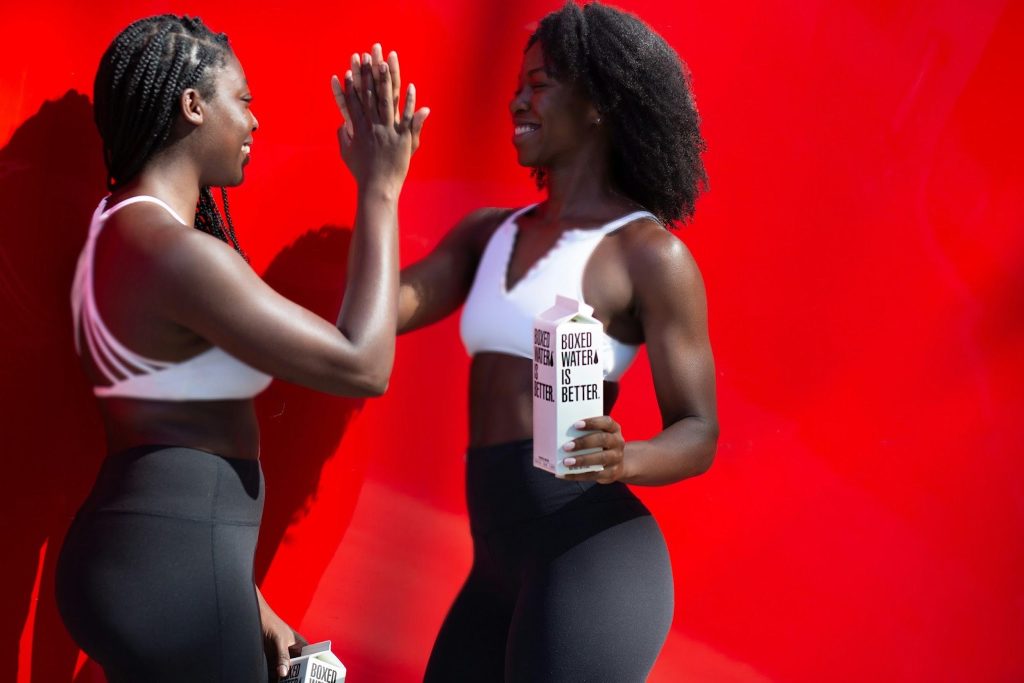
Josie and Glory made their decisions at different times, for different reasons, in different bodies. But they arrived at the same place: a body that works for them, chosen entirely on their own terms. That is the new script Nigerian women are writing for themselves, one body at a time.