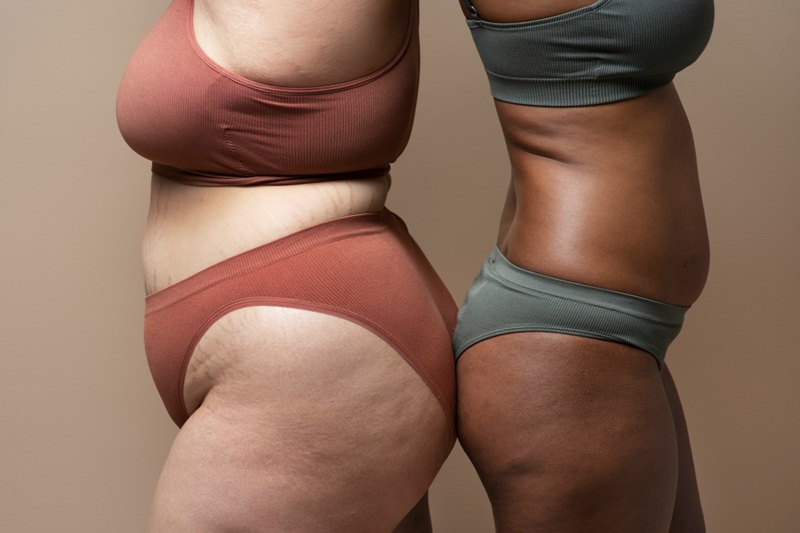
In Nigeria, conversations about body image are often quieter than they should be. Many women navigate complex feelings about their appearance, about weight, skin tone, body shape, or facial features—yet these experiences are rarely discussed openly. The issue is sometimes dismissed as superficial, or framed as something that mainly concerns Western societies. But the reality is that many Nigerian women experience pressure about how they look, even if those conversations rarely reach the surface.
Across Nigerian cultures, certain physical traits have historically been admired or idealized. Curves, smooth skin, well-groomed hair, and a polished appearance often carry social value. Compliments about appearance are common, but so too are subtle comparisons—between friends, siblings, classmates, and colleagues.
The rise of visual platforms such as Instagram, TikTok, and Snapchat has futher created an environment where images circulate constantly. Within this digital space; fashion, makeup, fitness, and beauty routines are shared with remarkable creativity. With social media, Nigerian women build communities, launch businesses, and celebrate individuality.
But the same platforms that enable expression has been proven to intensify comparison; consciously and unconsciously.
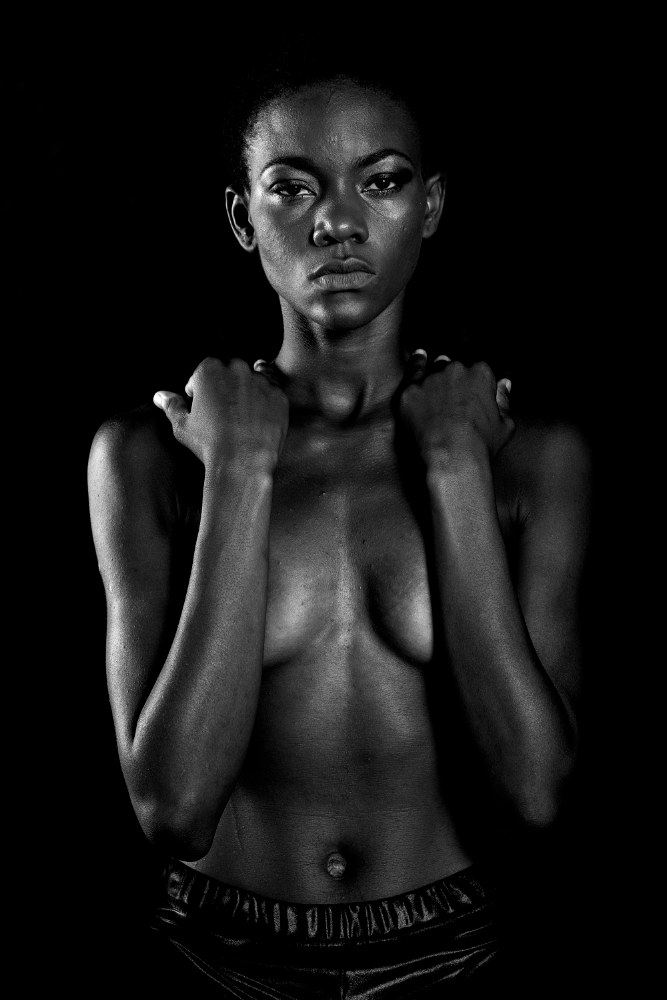
Many images online are carefully produced. Lighting, editing tools, filters, and strategic angles can transform an ordinary photo into something that appears effortless and flawless. These images are not necessarily dishonest, but they are often curated. Over time, when highly polished visuals dominate a person’s feed, they can subtly reshape expectations about what is normal or desirable.
Even when users understand that many images are edited or staged, the emotional effect of repeated exposure can still linger. A few seconds of scrolling can quietly trigger questions that many women recognize: Am I supposed to look like this? Should my body look different?
These moments are rarely documented, yet they are part of the everyday experience of digital life.
Despite the growing influence of social media, there is still limited research that captures how Nigerian women themselves interpret these pressures. Much of the existing global research on body image and social media focuses on Western audiences, leaving many cultural contexts—including Nigeria—underrepresented in the data.
At Elowell Max, we believe these conversations deserve closer attention.
We are currently conducting a survey aimed at better understanding the relationship between social media and body perception among Nigerian women. The project aims to gather insights from at least 300 Nigerian women, creating a dataset that reflects real experiences across different ages, backgrounds, and digital habits.
The survey explores how women engage with social media, how frequently they compare themselves to online images, and whether digital beauty culture influences how they feel about their own bodies. Rather than assuming what these experiences look like, the goal is to allow Nigerian women to speak for themselves.
The findings will later form the basis of a comprehensive editorial report examining social media culture, visual comparison, and body perception in Nigeria’s digital landscape.
Participating in this survey will take less than five minutes. Here is the link to start ELOWELL MAX INDEX