
Life happens so fast, especially for women. One minute you are this energetic person who remembers everyone’s birthday in the family. The next minute, you can’t remember where you kept the purse you were just holding. A woman can go from feeling healthy to dealing with premenstrual pain, discomfort, waist pain, or dizzy spells in a click of a finger.
Like the case of Mercy, who shared with us how she missed all the signs. She had gotten used to the pain that comes with her periods. She had gotten used to being placed on drips by her nurse three out of the five days of her menstrual cycle.
Until an episode that landed her in the hospital.
“I was told that I passed out for almost 20 minutes before I was revived on the way to the hospital.”
She was on her way out when it happened. When the doctors insisted she take tests, they found out she had endometriosis.
“It wasn’t until they started listing the symptoms that I realized I had missed all the signs.”
Read Also: 10 Things About Women’s Health you Wish you Knew Sooner
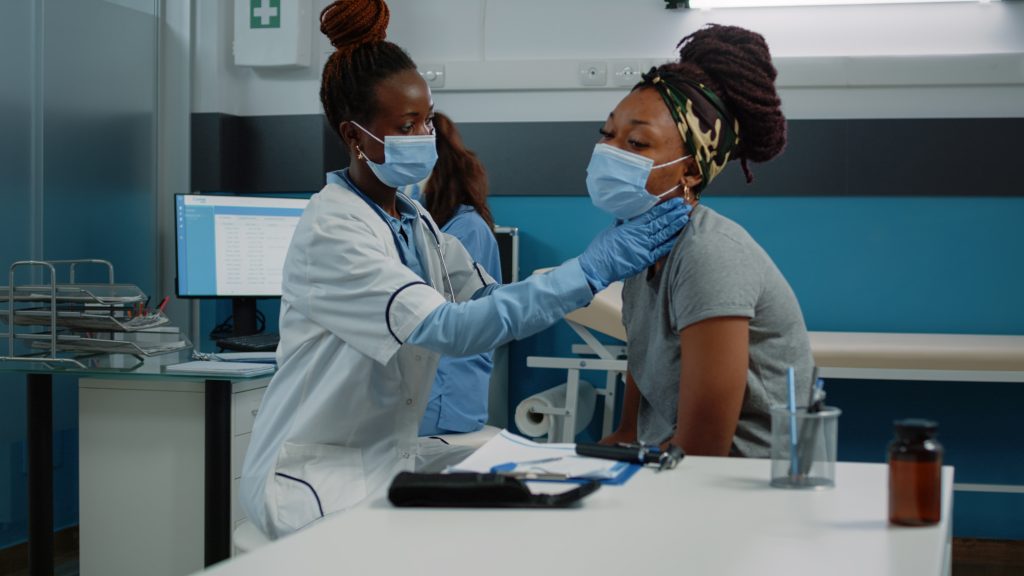
The truth is many health conditions arrive without a warning sign. Some of the illnesses affecting women today are easy to manage if caught early. And that’s why these checks deserve priority on your calendar, not something you can push to “sometime soon.”
10 health checks for every woman
1. Cervical Cancer Screening
This is one of the few cancers that can be prevented through regular screening. This test detects abnormal cell changes before they become cancerous. The most common screening methods are the Pap smear and the HPV test. Pap smear checks for abnormal cervical cells, while the HPV test looks for strains of the human papilloma virus that can cause cervical cancer.
Why does it matter?
Cervical cancer develops silently, and most patients experience symptoms in the early stages.
According to the World Health Organization (WHO), regular screening significantly reduces both cervical cancer incidence and deaths by identifying changes before they become dangerous.
When should I get it?
Although recommendations vary depending on country and medical history, women above 30 can commence cervical cancer screening. And girls from the ages of 12 to 26 should get an HPV vaccine to reduce the risk.
2. Breast Cancer Screening
Don’t wait for a lump before you get yourself checked. And this is because breast cancer usually develops longer before the symptoms appear. Mammograms are one of the most effective tests that can detect breast cancer early. They can identify abnormalities that may be too small to feel during an examination.
Why does it matter?
Detecting breast cancer early increases the survival rate more than late diagnoses.
The American Cancer Society notes that regular mammograms help reduce breast cancer mortality by identifying cancer before it spreads.
When should you have it?
It is advisable to begin mammogram screening between ages 30 and 40. Women with family history need to start screening earlier.
3. Blood Pressure Check
This silent troublemaker causes chaos without anyone noticing. Hypertension rarely has obvious symptoms, which reduces the risk of heart disease, kidney disease, and other health complications.
Why does it matter?
Women have been walking around with spiked blood pressure for years without knowing it. Heart disease remains one of the leading causes of death among women globally. Regular blood pressure checks are one of the simplest ways to identify the risk.
When should you have it?
Every adult, especially women, should get their pressure checked at least once in six months. Remember, those with existing health conditions may need to monitor it more frequently.

4. Cholesterol Test
Many people think you need to be fat or older to be bothered about cholesterol. The reality of the illness idea is cholesterol levels can affect heart health much earlier. A cholesterol test measures different types of fats in your blood, including LDL (bad cholesterol), HDL (good cholesterol), and triglycerides.
Why does it matter?
Cholesterol buildup can block your arteries and increase the risk of heart attack or stroke. Routine testing is a way to monitor and know if your levels are healthy.
When should you have it?
It is best to begin routine cholesterol screening in your 20s and continue at intervals recommended by your doctor.
5. Blood Sugar Test
Diabetes doesn’t announce itself loudly. Most women discover the other diabetes after years of symptoms they’ve dismissed as stress and fatigue. A blood sugar test helps dictate prediabetes and diabetes before serious complications.
Why does it matter?
Diabetes can damage the eyes, the nerves, the heart, the kidneys, and blood vessels if not properly treated. Early diagnosis allows you to adjust your lifestyle or commence treatment before complications arise.
When should you have it?
Every adult should have a diabetes screening, especially if you have risk factors like obesity, family history, or a history of gestational diabetes.
6. Pelvic Exam
No one really gets excited about this, because it can be a bit uncomfortable, but this examination helps medical practitioners assess the health of reproductive organs and identify any condition that might go unnoticed.
Why does it matter?
Pelvic exams help detect infections, cysts, fibroids, and other reproductive abnormalities that might raise concerns. Sometimes symptoms like pelvic pain or unusual bleeding point to underlying issues that require immediate attention.
When should you have it?
This varies based on age, symptoms, and individual risk factors. Regular gynecological visits help determine the appropriate timing.
7. Iron check
It’s dangerous, assuming all fatigue is normal. Women are experts at being multifunctional. They believe exhaustion comes with daily activities. Iron deficiency is one of the most common nutritional deficiencies among women, essentially those who bleed heavily during their periods.
Why does it matter?
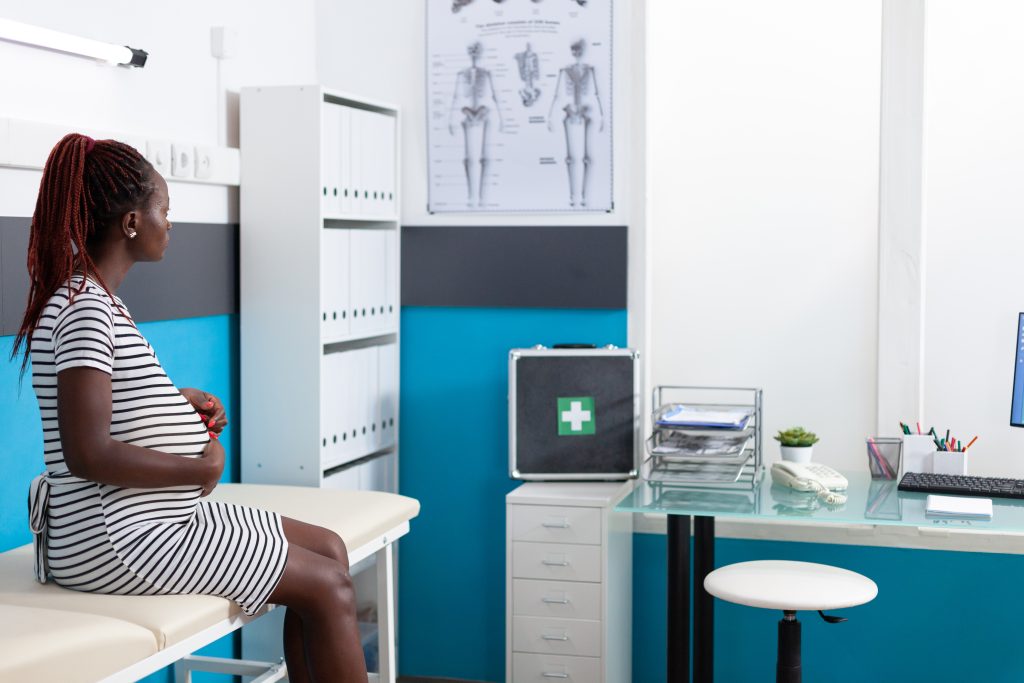
Low iron levels can cause anemia, leading to fatigue, weakness, dizziness, loss of concentration, and headaches. Many women think they are losing concentration due to work stress without knowing their iron supply is depleting.
When should you have it?
Women experiencing heavy menstrual bleeding or constant fatigue and other symptoms of anemia should consider going for a test. It is also recommended during pregnancy.
8. Thyroid Test
The thyroid gland may be small, but it has a huge influence on how your body functions. It helps regulate your metabolism, body temperature, energy levels, and many hormonal processes.
Why does it matter?
A thyroid gland shouldn’t be underactive or overactive. This can cause weight changes, fatigue, depression, anxiety, and irregular periods. Some symptoms are usually mistaken for burnout or aging.
When should you have it?
Although it is recommended that women with symptoms, family history, or certain autoimmune diseases see a healthcare provider. However, every woman needs a thyroid test
9. Bone Density Test
Take care of your bones before they complain because they won’t send a warning sign that they are getting weaker. A bone density test measures bone strength and helps identify osteoporosis, or reduced bone mass.
Why does it matter?
Osteoporosis increases the risk of fracture, especially in older, menopausal women. The condition usually develops silently and may not be discovered until a bone is broken.
When should you have it?
Women above 60 are generally advised to have a bone density screening, though early testing is best.
10. Comprehensive Reproductive Health Check
Getting the full picture is just better. Sometimes your house isn’t about a particular test. It’s usually interconnected information. A comprehensive health assessment may focus on your menstrual cycles, fertility, sexual health, hormonal changes, genetic or hereditary diseases, and overall reproductive health.
Why does it matter?
This test can give us clues about all the health concerns that can be in the clinic. Therefore, regular reproductive health tests allow healthcare providers to spot patterns and address concerns before they become a bigger issue.
When should you have it?
You can have it annually or twice a year. This gives you a chance to discuss your reproductive health with your doctor.
Read Also: Pain Is Not a Portion: The Menstrual Health Conversations Nigerian Women Are Still Not Having
Prioritizing Your Health
Women’s health often comes after work deadlines, family responsibilities, social obligations, and so many procrastinations.
“I’ll see the doctor next week.“
“I’ll get the lab test done soon.“

Many of these tests actually take less time than doom-cooling, watching a full movie, or attending parties every other weekend. You might get a test done, and there is no issue. Your result is good, and you think you don’t have to keep wasting money, but one thing about preventative health checks is that you can catch a problem early if you have them on schedule.
Sometimes the best thing you can do for yourself as a woman is not to work hard or to make more money but also to save some time for routine checkups.