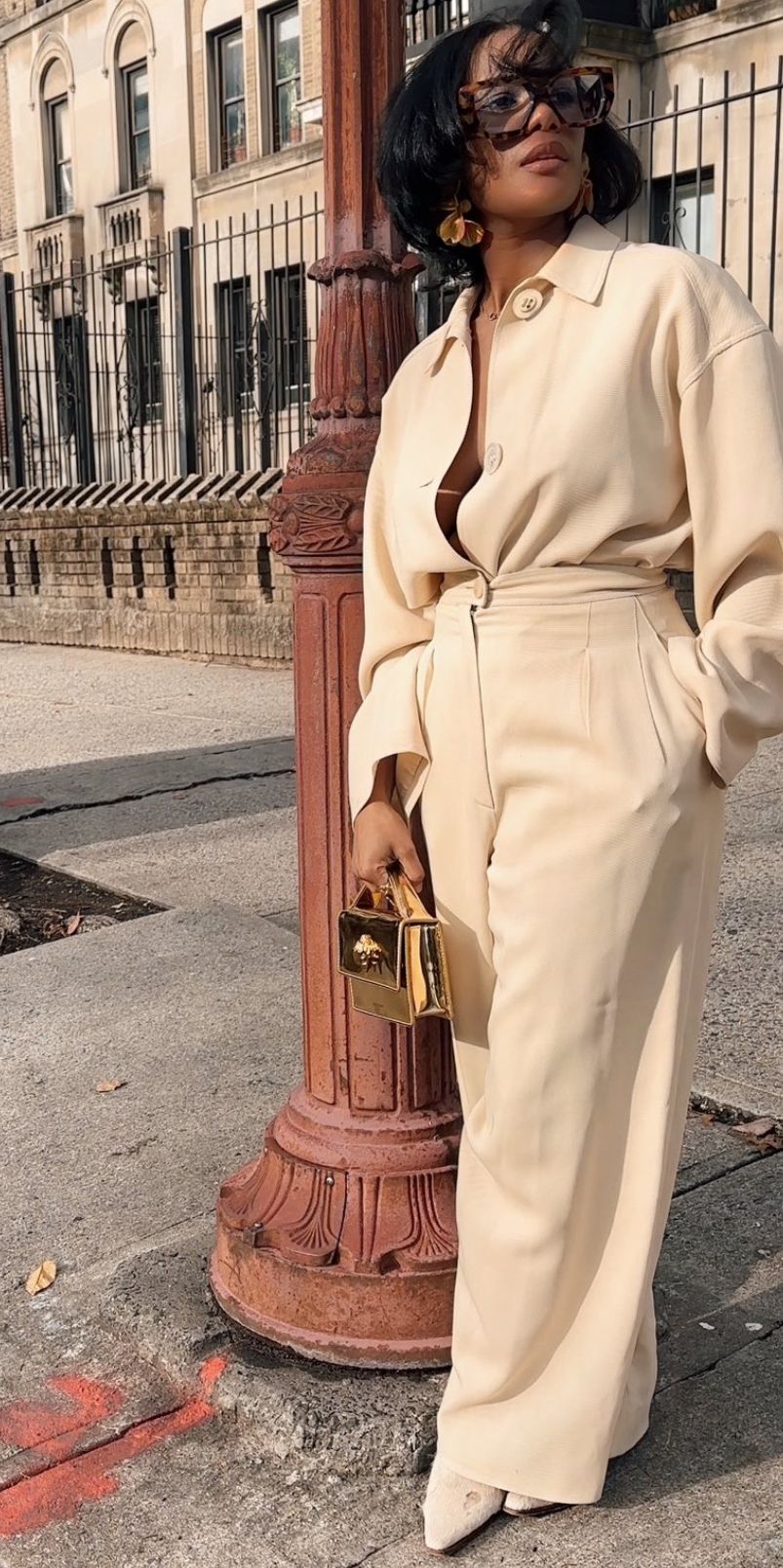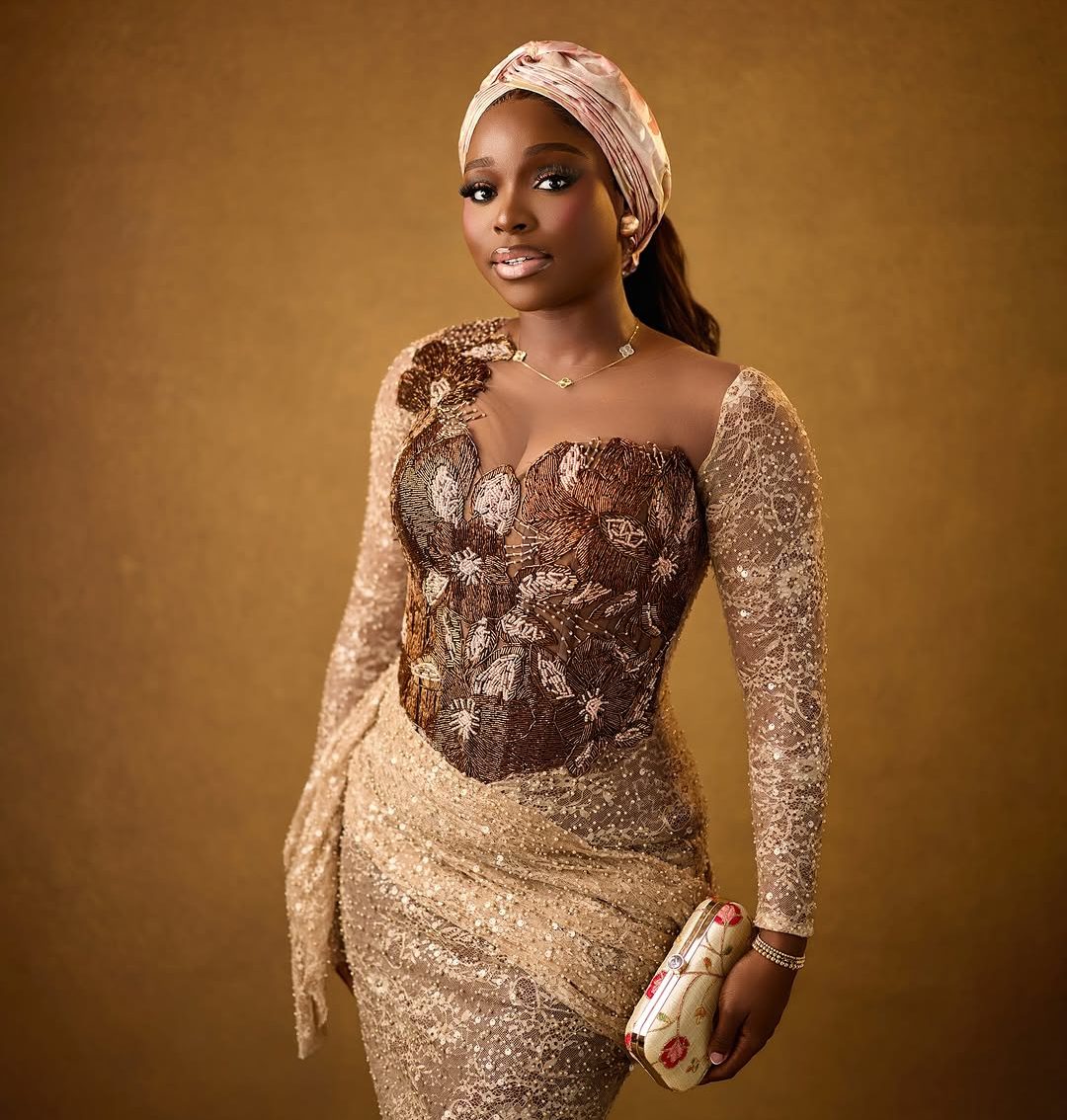

A woman would post a photo of herself rocking luxury accessories online, but before the compliments start rolling, fashion detectives have started zooming in.
The amount of “stop buying fake designers” I have seen is honestly questionable.
Why is there a debate around luxury accessories?
Luxury fashion has always been more than just fashion. People don’t just buy a designer bag because they need something to hold their purse or lip gloss. They have to attend urgently. At least not for that price. Luxury has always been about what the item represents. To some, it’s an investment. To others, it’s a representation of success, status, and taste.
But what happens when someone wants to look the part without the price tag?
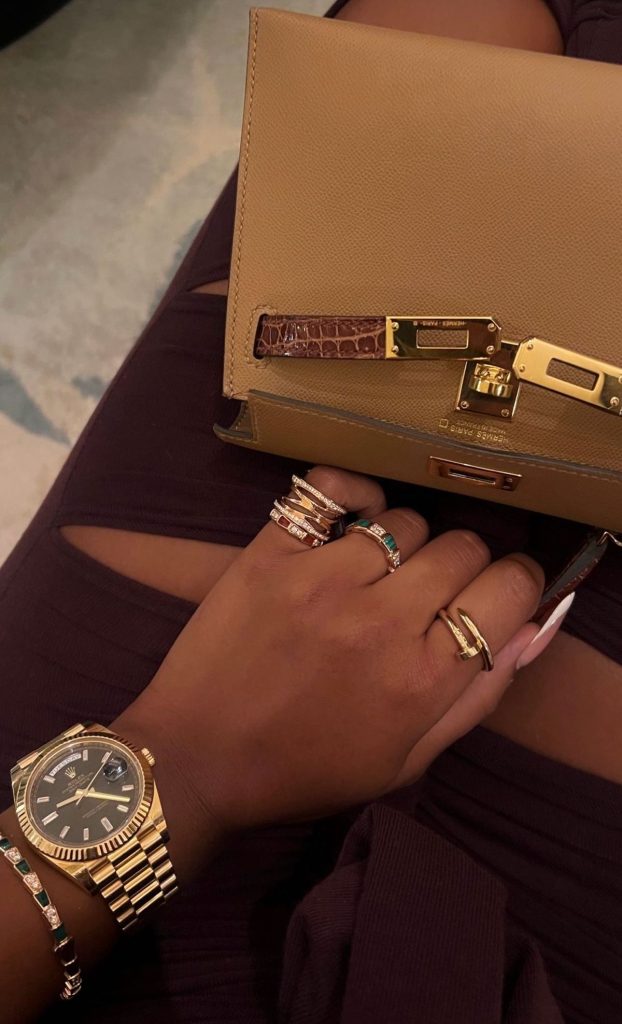
Is the Desire for Luxury Accessories an Obsession with Class?
For every woman proudly carrying a luxury item, there’s another woman who’s carrying the counterfeit version, dupe, replica, or whatever soft word people have invented to avoid saying “fake.” But somehow strangers on the internet have turned themselves into the luxury detectives and police.
The debate is usually beyond luxury bags or wristwatches. It’s usually about who deserves to look wealthy and who should get punished for trying to fake it.
For most women, the desire for luxury accessories starts way before adulthood. It starts with admiring celebrities casually holding expensive bags, jewelry, and wristwatches in magazines, movies, and music videos.
Luxury is being interpreted as evidence of hard work and ambition as well as a symbol of beauty. The message is subtle, but younger people aspire towards this.
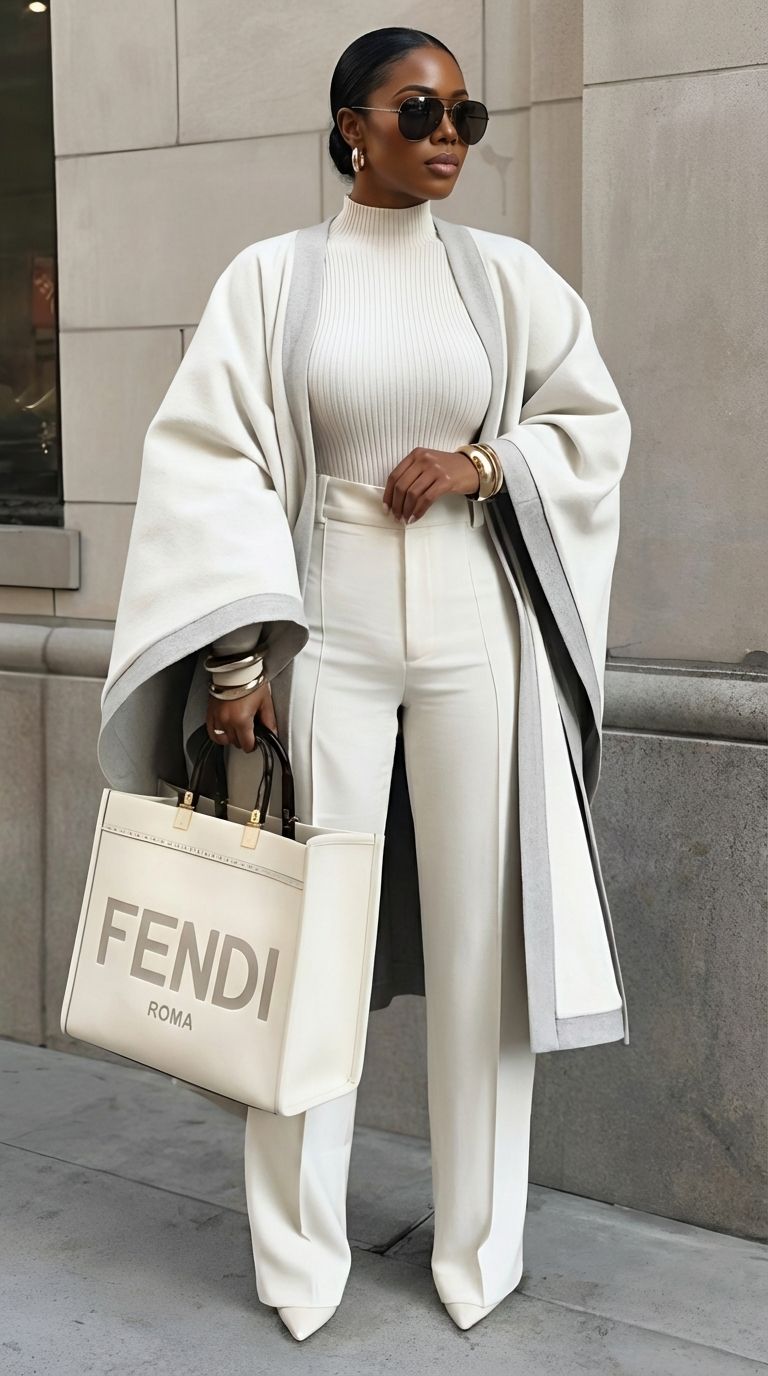
Successful women carry luxury.
Stylish women wear luxury.
So, it’s not surprising when people attain a certain age and desire it.
For many women, luxury can feel symbolic. Many of us come from cultures where presentation matters. You have to look put together at all times.
As the saying goes, “You are addressed the way you dress.” So, most people want to always look successful, because people notice these things. People may not know your net worth or bank balance, but they see what you wear.
And whether you like it or not, your appearance affects how women are perceived.
A woman with a polished look is often assumed to be more successful, classy, and accomplished. Even though that may not be necessarily fair, it is reality.
Why do women judge other women for carrying counterfeit luxury? Does it matter if she can’t afford the real deal?
Read Also: The Economy of Looking Good: How Much Are Nigerian Women Spending
Why Are Women Shamed for Wanting Luxury They Can’t Afford?
The awkward truth is, many people who buy luxury accessories cannot comfortably afford them, and the people who can afford them comfortably do not buy them often.
Imagine buying a luxury accessory wristwatch you can’t afford to replace when it goes missing.
The woman carrying an authentic Chanel bag might have saved for months. It might even be second-hand luxury. It could have been a gift, or she sacrificed other things to own it.
Meanwhile, someone carrying a counterfeit version just wants the same aesthetics without spending her entire salary. Yet, one woman is celebrated and the other is mocked.
Why?
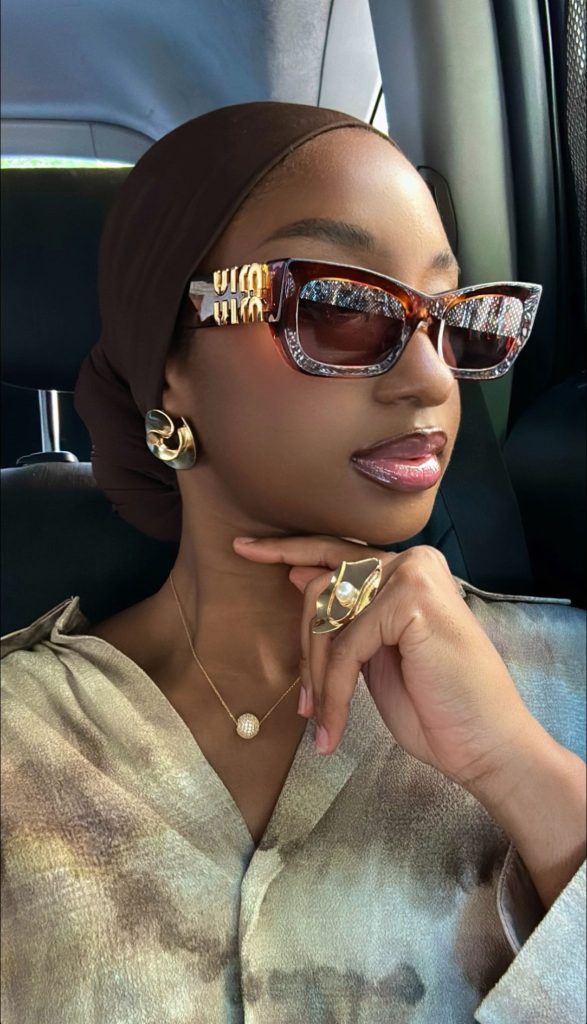
Because society places so much value on authenticity when it comes to luxury. It’s not because the product is better, but exclusivity is part of the appeal.
Luxury accessories are symbols of status because not everyone can access them. The debate is that counterfeits challenge the access luxury brands are selling.
A woman posts a picture online, and then everyone suddenly becomes an expert.
“Oh, the stitching is wrong.”
“The logo looks off.”
And all this is part of status protection.
If someone has spent thousands of dollars on an authentic item, they find it irritating to see someone achieve the same visual effect for a fraction of that cost.
That seems valid on one side. People genuinely think if they have worked hard for the real thing, everyone else should do the same.
But it can also be insecurity, and that is something we do not focus on most times. Women often compete with one another through appearance.
Who looks richer? Who looks more polished? And worst of all, who belongs here, and who doesn’t?
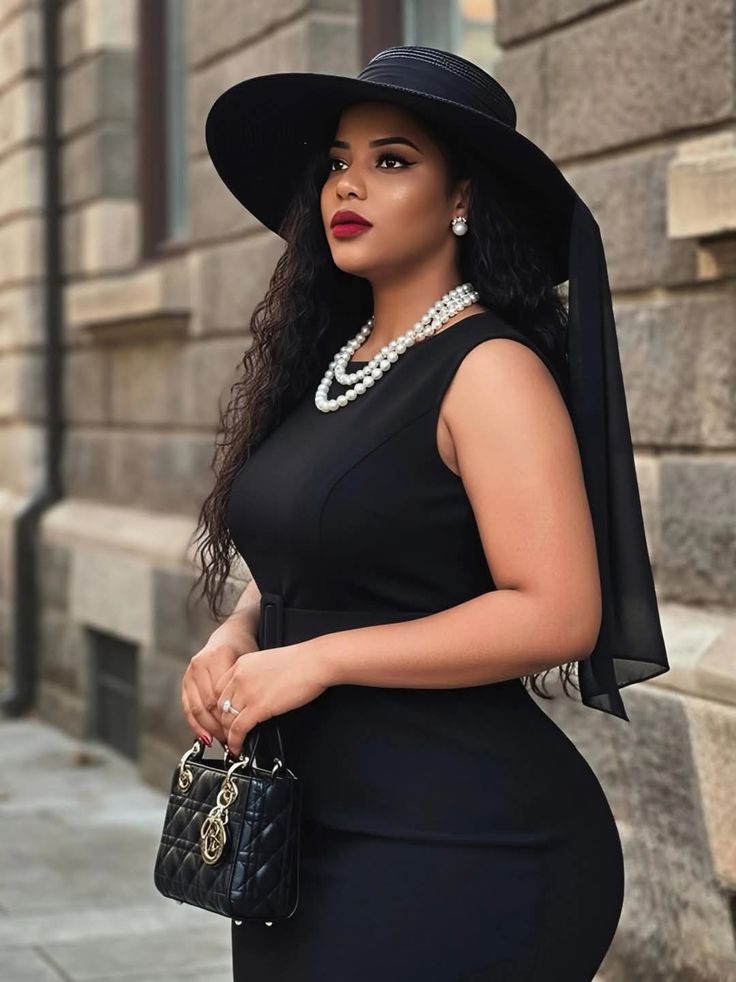
And in that kind of environment, spotting a counterfeit item becomes less about fashion ethics and more about social boundaries. It’s a way of saying, I belong here, and you don’t.
One of the most fascinating things is that we live in a society, in a society that is more offended by a woman having a fake luxury bag than by a woman drowning in debt to afford a real one. The internet does not even know the real story, but owning luxury accessories is aspirational, irrespective of the fact that both women are chasing image, status, and dreams.
The wealthy want those who are not well-to-do to earn the right to look successful.
Does it matter if a fake wristwatch or bag imitates the real thing?
Read Also: The Era of Micro Accessories Isn’t Over Yet
I think the focus should be more on quality rather than being bothered about other people’s fashion choices. And this is because people who can’t tell counterfeits apart can get duped. It can be painful paying an exorbitant price for a fake designer good. We also should be considerate of the effect counterfeiting has on brands.
Maybe the debate needs to shift away from class and status. The moral debate should probably rest heavily on makers and vendors of counterfeit luxury accessories.
Honestly, women understand the appeal of luxury, whether they own authentic designer items or not. We are all working towards an aspirational lifestyle. The difference is how we get there.
So, should women be pressured to buy the real thing to be taken seriously?
Should they be judged for wanting the look when they can’t afford it?
Should carrying a counterfeit item be seen as deception or an addiction to status symbols?
The bag might be fake, but the judgement is real.