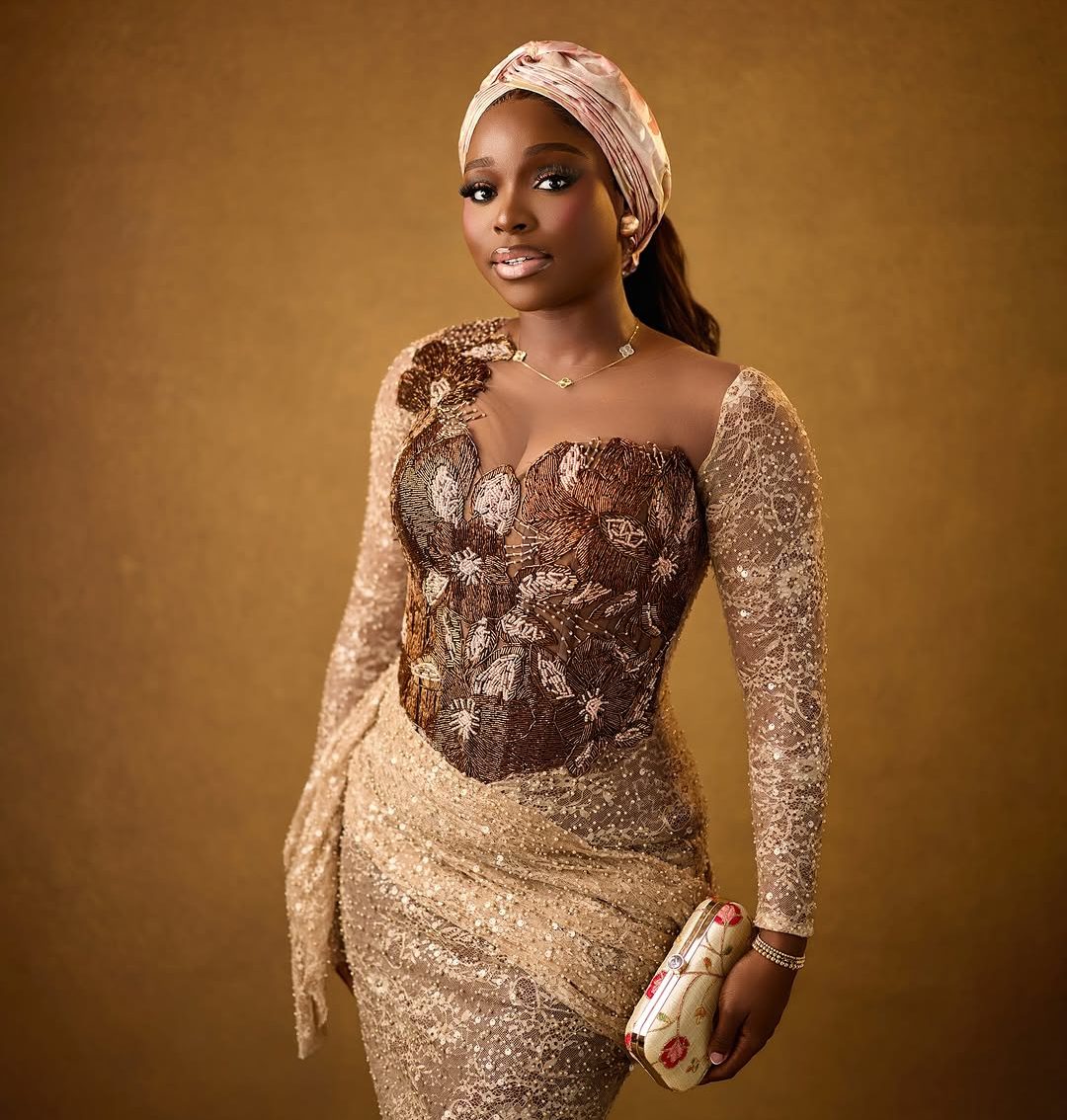
₦386,000, that is what a bridesmaid spent on a single wedding last year. That figure covers fabric, tailoring, jewellery, shoes, a purse, makeup for two days, hair, nails and transport and she said it was worth every naira.
Idowu Oluwapelumi Lizzie is a 24-year-old sales representative who attended her friend’s wedding less than two months ago. For this particular wedding, she was required to purchase two different fabrics; one for the engagement and one for the church and reception.
The engagement fabric was a beaded lace sold at ₦20,000 per yard, she bought three yards for ₦60,000. The church and reception fabric was silk sold at ₦2,500 per yard and she bought four yards for ₦10,000. The Gele and Asoke was sold at ₦6,000 per person.
See also: Aso-ebi Culture: Is It Worth the Financial Pressure?
What made this wedding different, she figured, is that the bride sent a formal bridesmaid proposal first; giving each person the choice to say yes or no. The bride also gave room for those who could not afford both fabrics to purchase just one.
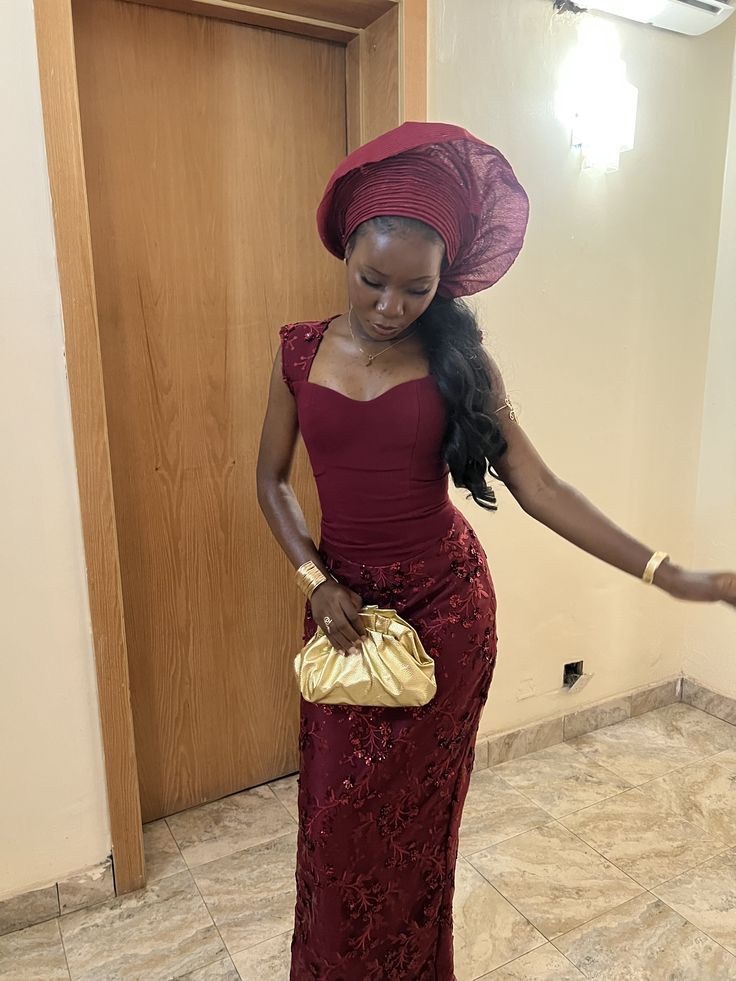
It was, by Lizzie’s account, a considerate arrangement but even with that flexibility, the costs accumulated quickly. Tailoring for both outfits came to ₦65,000, Jewellery cost ₦38,000, Her purse was ₦37,000 and heels were ₦38,000. Her makeup artist handled both days of the event and charged ₦40,000 for the full service, gele included.
Hair came to ₦30,000; ₦15,000 for extensions and ₦15,000 for workmanship. Nails cost ₦27,000; ₦20,000 for powder nails on her fingers and ₦7,000 for gel on her toes. Transport to and from the venue added another ₦35,000.
The total came to approximately ₦386,000; the highest she has ever spent on Aso Ebi. Her lowest, for context, was ₦185,000. Was it worth it? Without hesitation. “For all the Aso Ebi I have bought so far, I have not lived to regret buying any,” she says. “They were all worth it.”
Her reflection on what the experience actually demands goes deeper than the numbers. “Being an Aso Ebi girl means giving your all,” she says. “It is about what you are willing to sacrifice, the supportive aspect, the responsibility aspect, the financial aspect, the time aspect, even your mental state. Being an Aso Ebi girl has to come with the right reason and for the right person.”
Adejumoke is a 23-year-old entrepreneur who attended her friend’s wedding about four months ago. Unlike Lizzie’s experience, her total spend was considerably lower but the breakdown tells a familiar story.
She paid ₦45,000 for two fabrics and a Gele fabric with the choice to participate left entirely up to her. Tailoring for both outfits came to ₦35,000, shoes cost ₦20,000, her bag ₦15,000 and accessories another ₦10,000 which it all combined to ₦45,000 on styling alone.
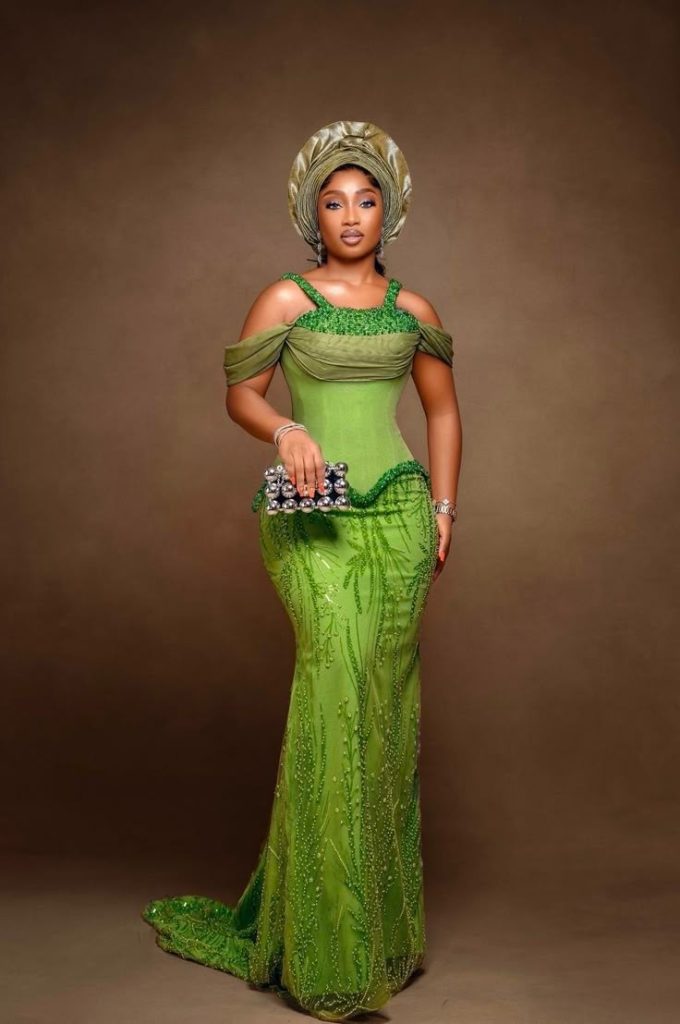
Her tailor was generous enough to sew her Gele without extra charges, though she still paid the Gele artist ₦3,000 for tying. Makeup came to ₦15,000, hair to ₦20,000 and transport to and from the venue was ₦6,000. Her total expenses came to ₦169,000 and this was also her first Aso Ebi experience and, so far, her lowest.
See also: What is an Aso-ebi Rewear Value After a Party?
As for whether it was worth it, her answer is careful. The event itself? Not particularly but the person at the centre of it? Absolutely. “It is better to do it for people who are worth it,” she says. “My friend has always been a good person to me, which is why I even considered it. If it was a random person, I never would have thought about it.”
Tolulope Tanimola is a 22-year-old registered nurse, midwife and research assistant who attended her friend’s wedding in October 2025. Of the three women, her experience came closest to what many would consider the more manageable end of the Aso Ebi spectrum though even that came with its own bill.
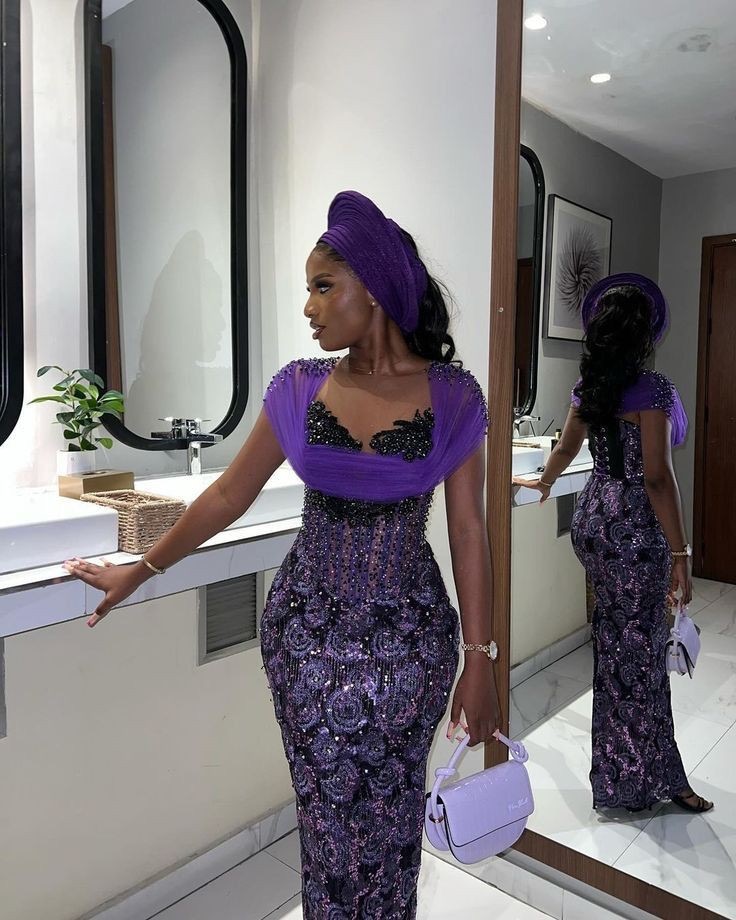
The fabric and gele were sold to her for ₦35,000, the cheapest she has encountered so far. She had a choice in whether to buy it but chose to anyway. “I still had to buy it in order to celebrate with my friend on her big day,” she says.
Tailoring cost another ₦30,000, shoes, bag and jewellery cost her nothing since she already owned them. Gele tying was ₦2,000, makeup ₦10,000 and hair ₦20,000. Transport was covered entirely by the bride and groom, a detail that made a noticeable difference to her final figure.
Everything together came to just under ₦100,000 which is her lowest Aso Ebi spend to date, and also her highest. It was, she says, worth it. The outfits can be reworn for other occasions, which softens the financial sting. But when asked whether she would do it again, her answer shifts.
“Honestly, with the situation of the economy, I don’t think I will,” she says. Of the three women interviewed, she is the only one who said no, her parting thought is a quiet appeal. “I just wish people could make it optional because of the financial burden.”
The fabric price is the number that arrives first in a WhatsApp message casually, almost innocently. But for both Lizzie and Adejumoke, it was the smallest line item in a much longer bill.
See also: Nigerian-Made Is Back: Women Speak on Choosing Local Designers
Lizzie’s fabric cost ₦70,000, everything that followed; tailoring, jewellery, shoes, purse, makeup, hair, nails and transport came to ₦386,000. Adejumoke’s fabric was ₦45,000 and the rest added another ₦124,000 on top. Tolulope’s fabric was ₦35,000 even at the most affordable end, the additional costs brought her total to just under ₦100,000. The fabric is just the door, what is behind it is the actual cost.
Three women, three weddings, three very different figures: ₦386,000, ₦169,000 and just under ₦100,000. But beneath the numbers, the same question keeps surfacing: is the person asking worth it? For Lizzie and Adejumoke, the answer was yes without hesitation while for Tolulope, the economy has started to complicate that answer. What all three agree on is that Aso Ebi was never just about fabric, it never was.