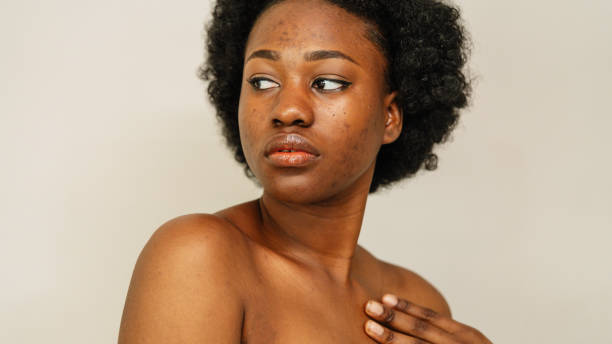
Have you ever dealt with bad acne? Have you experienced a moment when you are washing your face or applying another recommended toner and you just stop mid-routine to stare at yourself in the mirror like, “What more do you want from me?”
How come you have tried expensive serums, black soaps, DIY masks, steamed your face, changed your pillowcase religiously every two weeks, yet your acne is still living rent-free and literally rubbing it in your face?
You keep collecting skincare products like infinity stones, and your bank account is weeping in the name of these investments, but the bad acne is not budging. Meanwhile, TikTok girlies are using random face soap and glowing without filters.
Life is not fair.
Why You Have Bad Acne
The most annoying part about bad acne is that everybody suddenly becomes a dermatologist once they see your face.
“Just use lemon.”
“Honey works like magic.”
“Stop eating oily food.”
“Turmeric is nature’s gift. You should try it.”
But the thing is you don’t have bad acne because your skin is bad. You might just be treating the wrong problem entirely, and most people don’t pay attention to that. Because not all acne is the same.
Those tiny beads spread across your forehead after one week of wearing wigs in Lagos heat might be fungal acne.
That painful pimple that takes its rightful position on your jawline every month and announces your menstrual cycle to the world is hormonal acne.
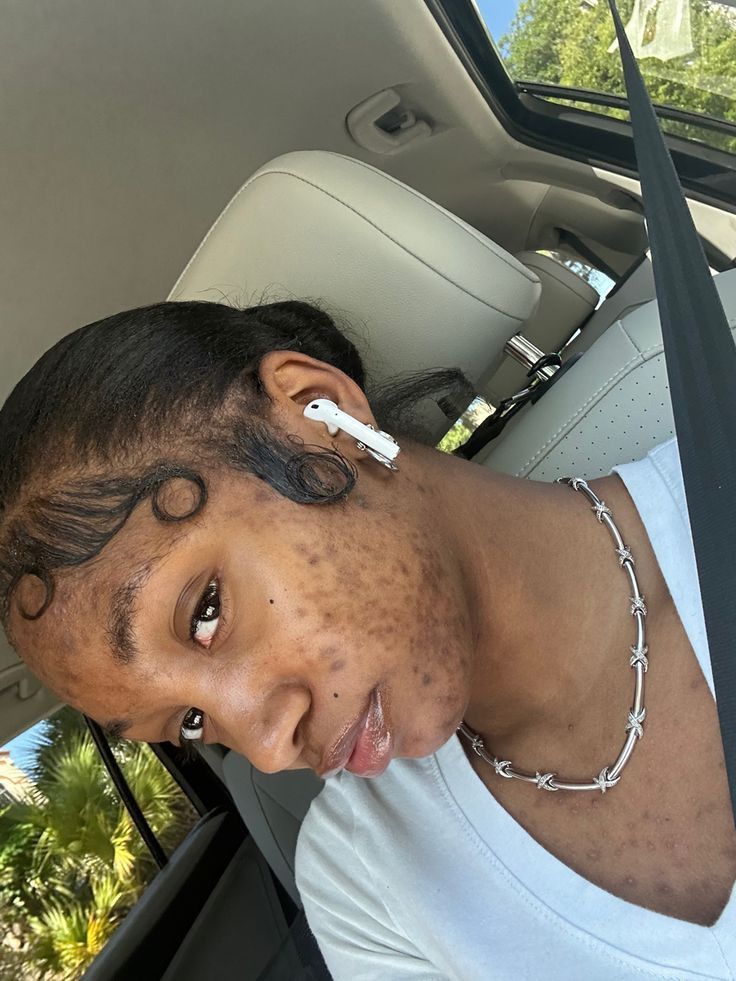
Tiny blackheads and rough texture that refuse to leave no matter how much you scrub are called comedonal acne.
Big angry red pimples that makeup can’t conceal? Inflammatory acne.
Different acne needs different solutions, but many of us treat our skin like we’re fighting a common enemy. That’s where the problem starts.
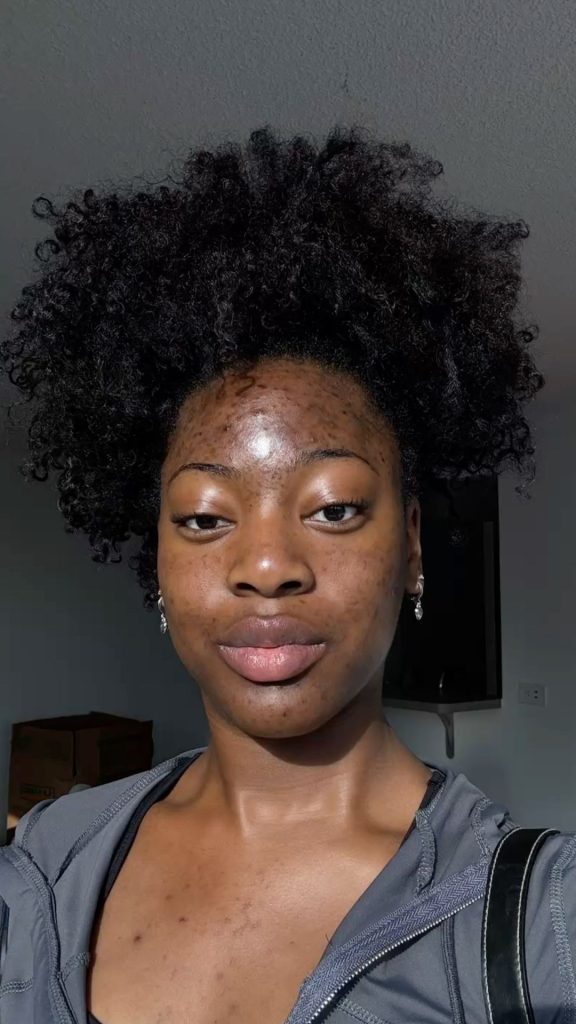
Take hormonal acne, for example. You can wash your face 25 times a day, and it still won’t clear because the issue is internal. Stress, hormones, lack of sleep, diet changes, and even your period can trigger it. Your body reacts to stress hormones by producing more oil and inflammation, and your face is reflecting a good amount of what is going on inside.
Read Also: How to Use Hyaluronic Acid to Fix Bleached Skin
Then there’s the other problem of doing too much. A lot of people with bad acne are unintentionally attacking their skin.
Today it’s salicylic acid.
Tomorrow it’s retinol.
Next tomorrow it’s glycolic acid.
Then one random organic soap joins the list because someone swore it “cleared everything.”
Sis, your face is confused. The real reason your bad acne isn’t improving is because your skin barrier is damaged from over-experimenting. Your skin barrier is basically your face’s security guard. Once it’s weak, everything like irritation, inflammation, dryness, and breakouts enters freely.
This is why simplifying your routine can genuinely save your skin. Not every acne needs a 10-step skincare routine recommended by a girl with perfect lighting and good genes. Sometimes your skin just needs consistency and peace. That simple routine you disregard is probably all you need. Use a gentle cleanser/toner, moisturizer, sunscreen, and one treatment product at night, and that’s it.
Actionable Plans To Fix Your Acne
If your acne is not responding to regular skincare products anymore, it’s time to shift from trial-and-error to specific medical treatment. Persistent, deep, or scarring breakouts usually require professional intervention to control them or prevent permanent damage.
See a Professional Dermatologist: If your skincare routine is failing you after trying it consistently, you need a dermatologist. They can diagnose the specific type of acne you have and tailor a treatment plan to what your skin needs.
Upgrade to Prescription Topicals: Some skincare products cannot penetrate deeply enough into the skin to stop cystic or hormonal acne. Only a doctor can prescribe much stronger formulas after diagnosis. Prescription retinoids, antimicrobials, and azelaic acid are recommendations that work for different types of acne.
Consider Oral Medications: For moderate-to-severe inflammatory acne that covers the face or body, topical creams alone may not be enough. Oral antibiotics can be prescribed for short periods to reduce inflammation and bacteria. Isotretinoin, formerly known as Accutane, is a potent oral retinoid that treats all four causes of acne and often clears scars permanently.
Try In-Office Procedures: Dermatologists and clinical estheticians can perform procedures like chemical peels, light/laser therapy, or acne extractions to clear out pores and speed up healing.
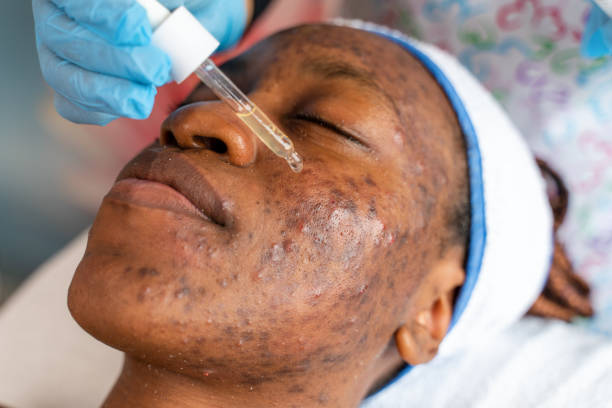
Re-evaluate Your Lifestyle & Routine: Lifestyle plays a huge role in the acne cycle and why you’re struggling with it. Avoid using too many active ingredients, simplify your routine, look into your diet, and give prescription treatments 8 to 12 weeks to show their effectiveness.
Now let’s discuss homemade remedies. Not the lemons and baking soda type. Your face is not tiles. Some natural remedies can actually help when used properly. Raw honey can calm inflammation. Aloe vera helps soothe irritated skin. Green tea can reduce redness. According to 2024 research by the National Library of Medicine, applying green tea extract to the skin significantly reduces sebum production and pimples in people prone to acne.
Bad acne is not something you can scrub away aggressively like you’re washing burnt pots. You should know that hair products like the edge controls you use may also be laying the foundation for forehead breakouts. Heavy hair oils, wig glue, and creams can clog pores badly, especially in hot weather. Other culprits you don’t suspect are your phone screen, makeup brushes, and hair bonnet.
Read Also: 5 Practical Treatments That Helped My Hyperpigmentation
One thing people really need to understand is that clear skin is not always proof that somebody takes care of themselves better. So, if you’ve been trying everything and nothing seems to work, don’t attack your face out of frustration. Maybe try consistency, professional help, and fewer experiments.