

A Tiktoker posted that her husband doesn’t go out with her, but he never forgets to buy her favorite food. It sparked reactions that made people conclude it’s just for clout. Even if it was, that’s the reality of some women.
Is financial provision the price women pay for their sanity in relationships?
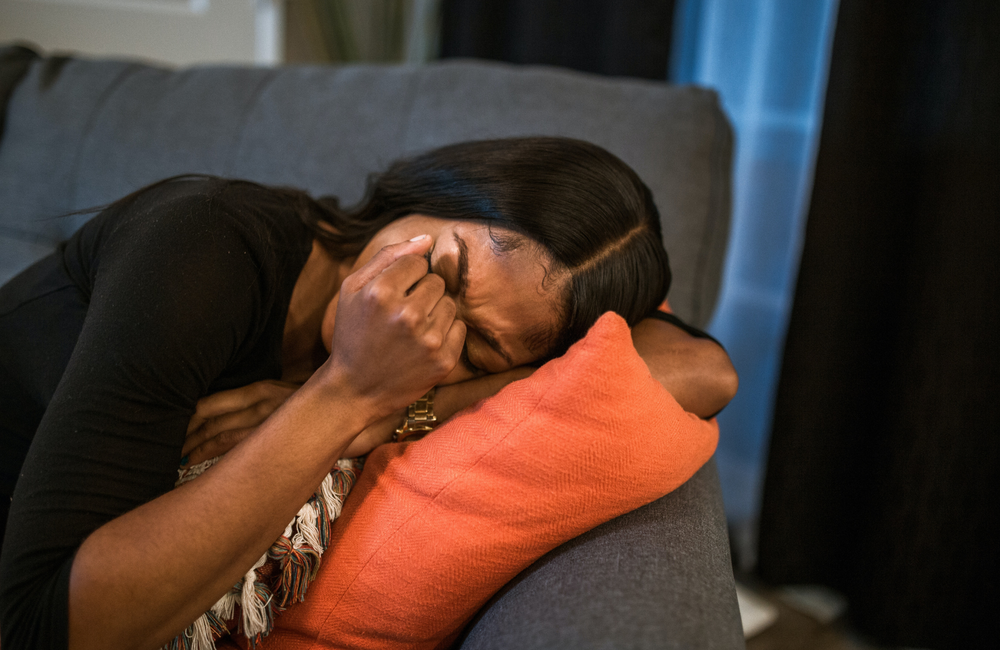
Just recently, another content creator kept emphasizing how unkempt his wife looked wearing his shirt and looking older than her age. Why? Because she is pregnant. It was a show of humiliation that left the woman visibly hurt and embarrassed.
What are women really enduring in marriages? Why have they normalized abuse?
Emotional Abuse in Relationships
Everyone had a different expression on their faces that did not match Amaka’s smile as she went on and on about her husband’s shortcomings. Lara thinks they are incompetencies, but who’s going to tell her? The group of friends tried to conceal the horror and disgust, but it seems everyone lost their poker face.
“He doesn’t cook. He would wait for me to get home before eating.”
“He doesn’t clean.”
“He doesn’t help out with the children.”
“Every time I start to complain, he just sends me money.” She laughed.
She noticed the faces of her friends for the first time since she hijacked the conversation and made herself the subject matter.
“At least he provides.” She shrugs.
The conversation was over.
The three other ladies remembered their drinks and started to pick their glasses up one after the other.
Nobody asked her anymore questions. No one asked if she’s happy or lonely or why she feels the need to defend a relationship she shares nothing with her so-called life partner.
This is common in many African homes. The man provides, while the woman takes care of the home. The statement “He provides” has become the answer to every question, public humiliation, silent treatment, emotional abuse, and absence.
But when did money become the measuring tape for love?

Her family told her to stay—Mercy, 38
I endured years of insults, threats, and emotional neglect.
My husband constantly embarrassed me and refused to support my personal needs. He doesn’t share his money with me. When I wanted to start my business, he threatened to throw me out, claiming that I wanted to be promiscuous. I had to go report to my family what I was going through in Peter’s house.
“Women in our family don’t marry twice.”
My oldest brother’s statement made my heart heavy that day. I knew immediately that there’s no solace for me even in my father’s house. So, I went back home to handle my issues and cope with it daily.
The family’s reputation was more important to them than her reality. Sometimes what is holding women prisoner in abusive marriages is the expectations they allowed themselves to be tied to.
“He’s a good provider… he just never listens.” – Nana, Kenya
My family looks like the perfect one to outsiders. A husband that provides for the home, takes care of his children and a wife that looks well cared for. But I felt invisible in that marriage.
He dismisses my opinions, controls our finances, and ignores my emotional needs. We basically live by his rules.
I was lonely despite living with my husband. I remember sharing this online, and people had things to say. Most of them think I was making a fuss about nothing.
Going by their responses, I am not supposed to complain about a man that pays rent and school fees regularly. But a house can feel empty even when every bill is paid.
“He doesn’t hit me… so maybe it’s not abuse.” – Nike, Lagos
People always say leave like it’s easy. My friends claim they don’t understand why I stayed. Although I made excuses for him back then, I see it now.
They saw the dependency. The isolation. But I didn’t see it. I was convinced no one else could love me like that. I was scared to start all over. I believed I was responsible for his reactions. He doesn’t raise his voice at me when he’s angry. He never raised his hands either.
“You’ll never survive without me.”
“No one will believe you.”
“You’re too sensitive.”
Words like these still live rent-free in my mind three years after I walked away.
Read Also: “I Honestly Don’t Care Anymore”: 3 Nigerian Women on Marriage Pressure
When Money Becomes Control Instead of Care
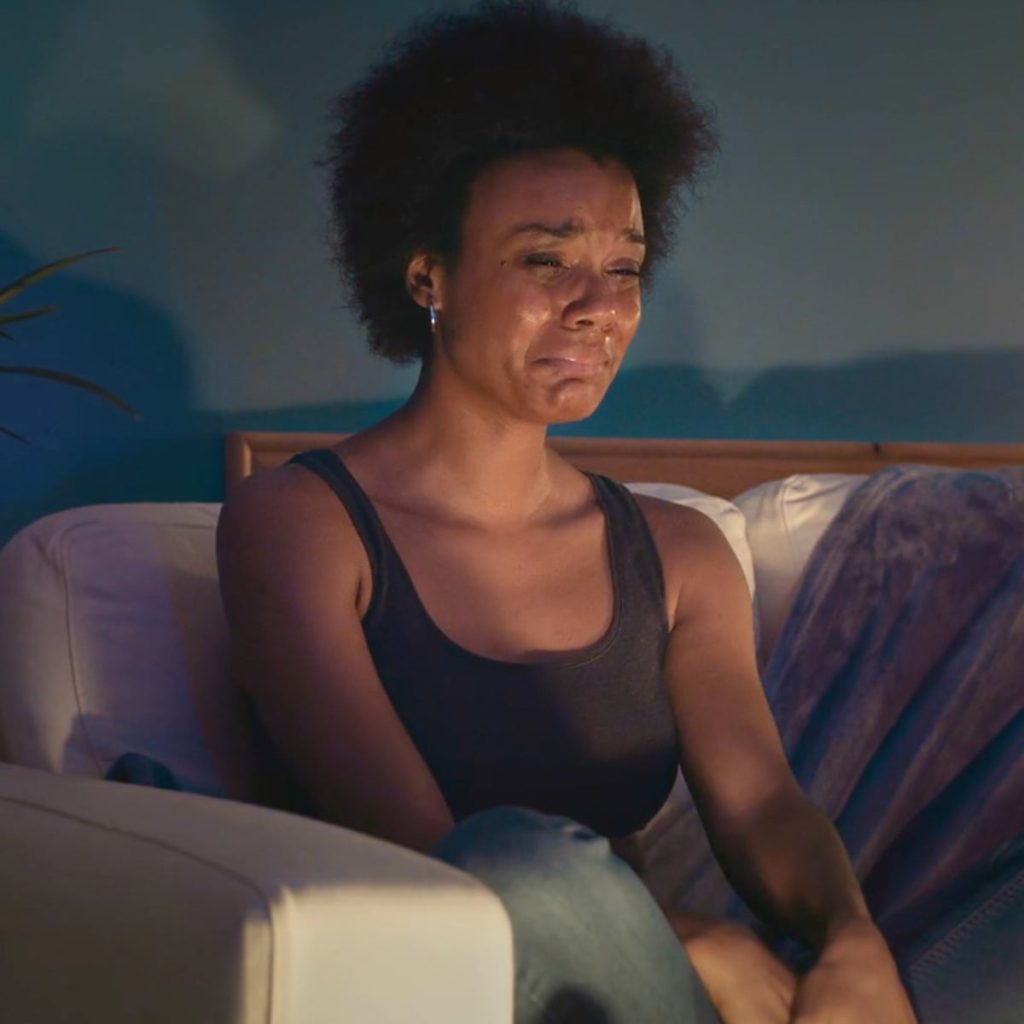
There is a pattern of women indirectly assuming the role of providers in Nigerian homes. Husbands demand elaborate meals without providing enough money to buy food.
Some women describe the dynamics of their marriages as a constant episode of being shouted at, threatened, or locked out of the house for failing to perform impossible expectations. Pregnancy even leaves many women financially dependent.
Waiting for housekeep money.
Waiting for transport fare.
Waiting for permission before making a personal decision.
When one person controls your livelihood, they control your life.
Most relationships revolve around financial dependency and power negotiation. Sorting out bills matters, but love should not stop at provision. A woman shouldn’t trade respect for stability. Or peace for companionship.
This is common in African societies because women are taught to endure. Words like “every home has its problems” are being reiterated. Women are expected to pray for their home, think of the children, and be patient. So, many women stay not because they are gullible but for the fear of the unknown.
Instead, they hold on tight to familiarity. Some stay because they believe things will change. Some stay because leaving costs more than staying.
And that’s probably why statements like “At least he provides” will be echoed for a long time. Not out of gratitude, but justification or resignation to a fate that is known.