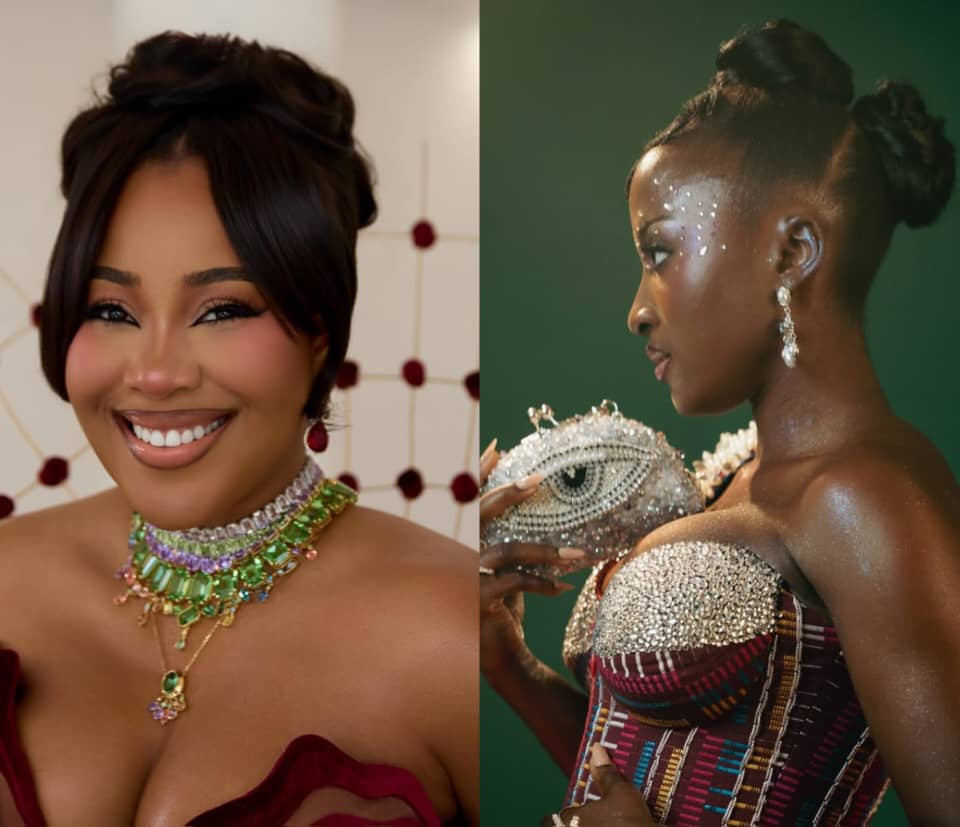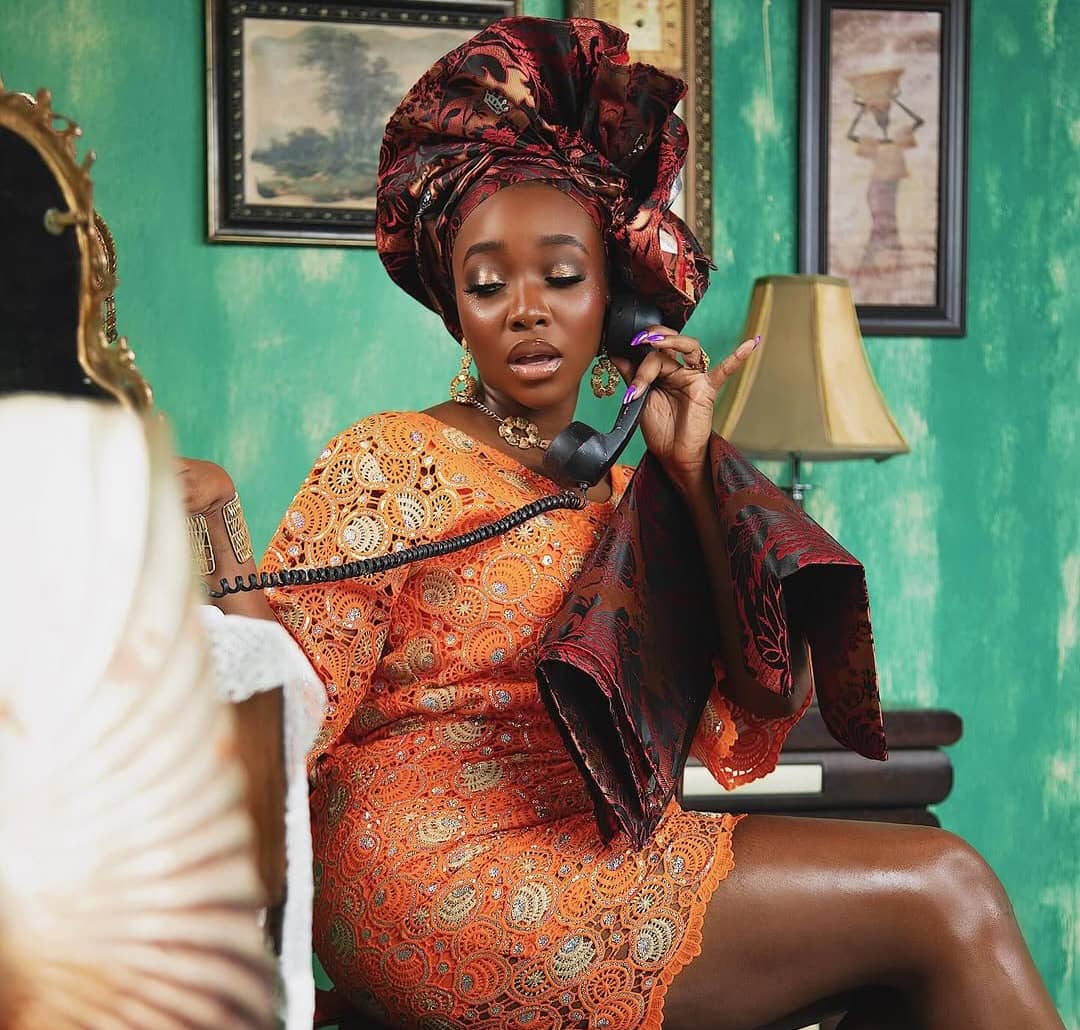

In January 2026, DJ Cuppy, stepped away from social media and began a 21-day biblical fast and spiritual reset. For a woman who has built her entire brand on visibility, choosing to go silent and spiritual for 21 days was not what anyone expected.
See also: Phyna Got a BBL and Nigeria Put Her Grief on Trial
By Nigerian society’s standards, DJ Cuppy has everything a woman is told to achieve. She is the daughter of billionaire businessman Femi Otedola, holds an Oxford master’s degree, and has a thriving global DJ career. She hosted the opening session of the United Nations General Assembly in 2024, becoming the first Nigerian to do so, and was named a Gates Foundation Goalkeeper in June 2025 for her work advancing education and gender equality. By every measure, she has arrived.
A Life Redirected
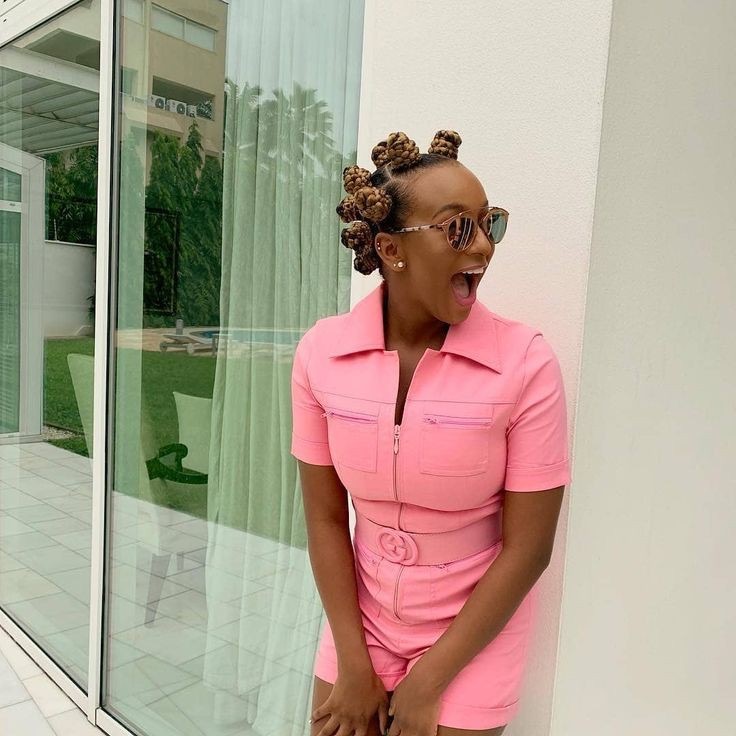
In 2024, DJ Cuppy was baptised at Holy Trinity Brompton Church in London, describing it as the best time of her life. “I am a new creation, reborn in His grace,” she said. She spoke of finally understanding what it meant to live with intention, guided by something greater than worldly expectations of success.
The spiritual awakening, she explained, interrupted her career plans in the best way. “Being booked and busy is meaningless without walking in purpose,” she said. For a woman whose diary had always been full, that was a significant thing to admit.

See also: Ayra Starr Knows Exactly How to Keep You Glued
What makes DJ Cuppy’s journey compelling is not just the faith. It is the honesty. She has spoken openly about feeling empty despite her success, about the holes that achievements could not fill. “The way to live is actually to die,” she said, referring to letting go of her former self to fully dedicate her life to God.
That statement challenges the story Nigerian society sells women about what success is supposed to feel like when you finally get there.
The Marriage Conversation
Then there is the marriage conversation. Since her engagement to British boxer, Ryan Taylor ended in 2023, DJ Cuppy has been openly talking about wanting marriage while equally embracing her independence.
She has said that being single allows her to do “exactly what I want all the time” and that she values that peace deeply, particularly after past relationships where she felt some men were more interested in her father’s wealth than in her.
See also: The Internet Is Trying to Manifest a Temi Otedola Baby and Honestly, It’s Getting Weird
At the same time, she consistently tells single women in their 30s to find their worth in God rather than in a partner, reciting Isaiah 54:5 and reminding them that God is their real husband. It is a position that holds two truths at once: wanting marriage and not being diminished by its absence. That tension is exactly what makes her current moment feel new.
What Other Women See
Bolaji Funmilola, a 25-year-old front-end developer, says she has followed DJ Cuppy since the “Gelato” era and views her as one of the few Nigerian celebrities who openly shows the human side of success.
Reflecting on Cuppy’s recent 21-day fast and social media break, she believes it was a genuine attempt to reset mentally and spiritually rather than a performative move, noting how overwhelming online spaces can be when expectations are constantly projected onto public figures.
Funmilola adds that Cuppy’s openness about desiring love and companionship resonates with many women who, despite being successful and independent, still want emotional fulfilment. According to her, Cuppy’s experience mirrors the broader pressure Nigerian women face, where achievements often do not shield them from societal expectations around marriage. She argues that while society celebrates successful women, it often does so conditionally, especially when they express vulnerability, though she notes that more women are beginning to challenge that narrative by speaking more honestly about their desires and realities.

Happiness, a 24-year-old registered nurse who is also building a career as a virtual assistant, says she has followed DJ Cuppy for a while and admires her bold, expressive personality and independence, noting that despite her privileged background, she chose to carve her own path rather than rely solely on her family name.
Speaking about Cuppy’s decision to embark on a 21-day fast and step away from social media, she describes it as understandable and even necessary, pointing out that life online can be overwhelming and that even those who appear to have it all still need time to reset.
She says she strongly relates to Cuppy’s honesty about being successful while still desiring love and peace, emphasising that “success doesn’t replace emotional connection.” For her, watching Cuppy navigate these realities publicly is powerful, particularly in a Nigerian context where women are often expected to remain strong and silent about their struggles. She argues that society rarely gives successful women the space to be both accomplished and vulnerable without criticism, but believes that voices like Cuppy’s are gradually helping to shift that narrative and encourage more honesty.
Whether she would call it that or not, what DJ Cuppy is doing is refusing to perform contentment. She is a Nigerian woman at the peak of her public life choosing radical honesty about what she has, what she wants, and what she is still figuring out. In a culture that expects successful women to be grateful and quiet, that is not a small thing. It is, in the truest sense, a new script.