

Congratulations. If you’re reading this, chances are you’re about to meet the mother of the man you love—and yes, that is a very big deal.
You may be calm on the outside, but internally? You’re probably running through a mental checklist. What should I wear? Should I tone it down? Should I wear native? What if I look too modern? What if I look too serious? What if she doesn’t like me? Take a breath.
SEE ALSO: How Old Should You Be Before Getting Married?
In many African, and especially Nigerian traditions, meeting your partner’s mother is not just a courtesy visit. It is a symbolic and cultural moment layered with meaning. For some mothers, this meeting quietly answers questions long before they are ever asked. Questions about upbringing. About values. About whether you understand home.
And before a single word is exchanged, before you greet properly or sit down, your outfit has already spoken. Dressing for this moment is less about fashion trends and more about intention. The goal isn’t to erase your personality or dress like someone else’s idea of a “good woman.” The goal is to present a version of yourself that feels respectful, thoughtful, and grounded—without losing your sense of style.
Think of it as soft power dressing. Elegant. Calm. Assured. A look that says, I know who I am, and I understand where I am.
Now, let’s talk about how to do that—properly. Shall we?
First, Understand the Unspoken Language of Dressing
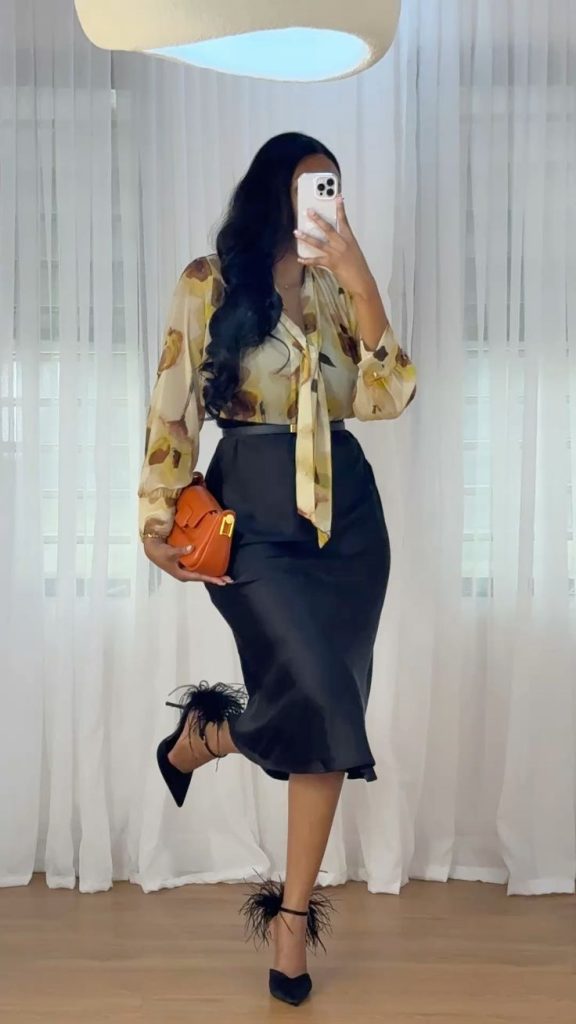
In most African homes, clothing is a language. It communicates values without saying a word. Mothers notice the details you may think are small: how fitted your clothes are, how much skin you show, how polished you look, and whether your outfit suits the occasion.
This doesn’t mean they’re judging you harshly. It means they’re reading signals. In many cultures, dressing well is tied to home training, respect, and emotional intelligence.
So before you choose an outfit, ask yourself:
- Does this feel appropriate for a family setting?
- Would I feel comfortable sitting, greeting elders, and moving around in this?
- Does this reflect care and intention?
If the answer is yes, you’re already on the right track. Let’s go over this again so it really sinks in. Nigerian mothers generally look out for—consciously or unconsciously.
- How covered you are
- How neat and intentional you look
- Whether your outfit feels respectful or careless
- If your clothes align with the setting (home visit, family gathering, church, lunch)
What they’re not looking for:
- Loud trends
- Overexposed skin
- Party clothes disguised as casual wear
- Anything that looks like you’re trying too hard to impress
Think of it this way: this is not the day to prove you’re fashionable. It’s the day to show you’re well-raised, self-aware, and grounded.
The Golden Dressing Principles
Before we get into outfit ideas, keep these rules in mind:
Modesty is not old-fashioned.
It’s cultural intelligence. Covered shoulders, reasonable necklines, and skirts below the knee are safe bets.
Comfort matters.
If you’re tugging at your dress or adjusting your top every two minutes, it will show in your body language.
Neatness beats luxury.
A simple outfit that is clean, pressed, and well-fitted will always outshine expensive clothes worn carelessly.
Avoid extremes.
Not too tight. Not too loose. Not too loud. Not too plain. Balance is everything.
Outfit Ideas That Always Translate Well
1. The Elegant Native Look
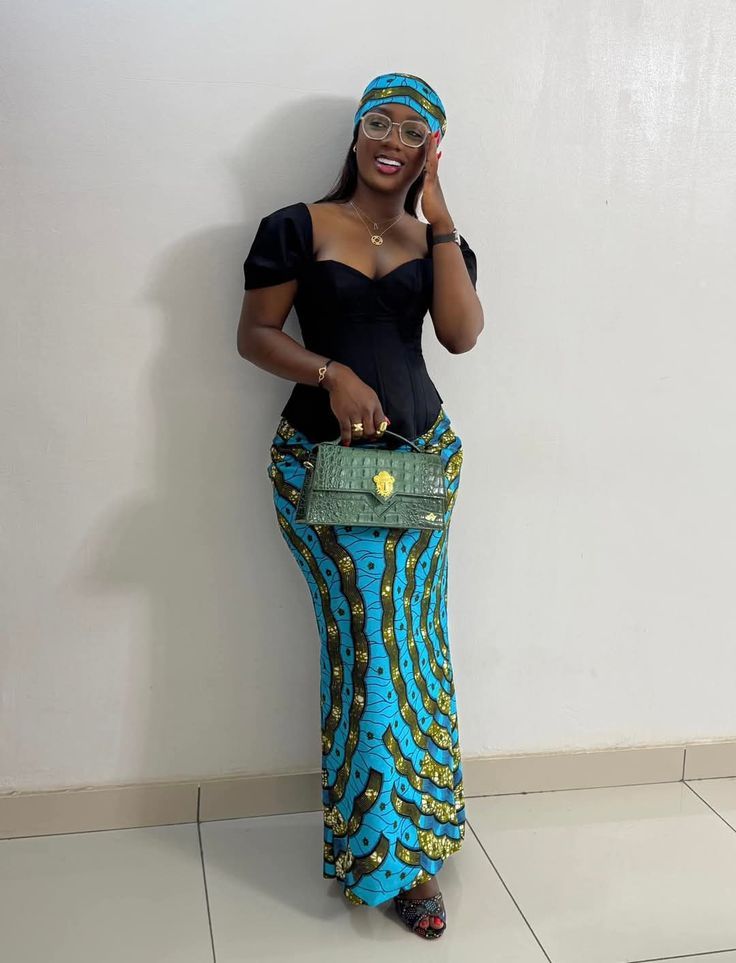
If there is one outfit category that rarely goes wrong, it is a well-done native look. A simple Ankara, Adire, or lace outfit instantly communicates cultural awareness and respect. It shows effort without trying to being perfomative.
Ideas:
- A fitted blouse with a wrapper or tailored skirt
- Midi-length or full-length styles
- Soft colours or classic prints
- Minimal embroidery or detailing
Why choose this?
Native wear carries an unspoken message of seriousness and readiness. It also feels familiar and comforting to Nigerian mothers. You look like someone who understands home.
Pair it with:
- Low or medium heels
- Simple jewellery (stud earrings, a wristwatch)
- Neatly styled hair—nothing overly dramatic
2. The Smart Casual Dress
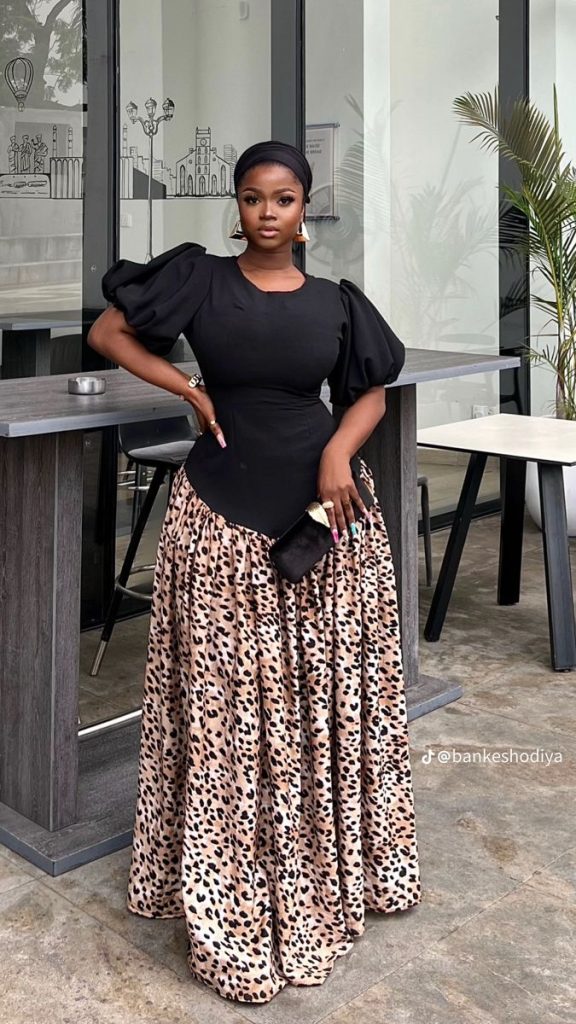
If the meeting is informal, perhaps at home or over lunch—a well-structured dress is a safe and stylish choice.
Think:
- Midi dresses
- Shirt dresses
- A-line or wrap dresses
- Sleeves or modest straps
What to avoid:
- Body-hugging silhouettes
- Deep slits
- Off-shoulder or backless styles
Why choose this:
A smart casual dress strikes the perfect balance between being youthful and respectful. It allows your personality to show without feeling inappropriate.
Pair with:
- Closed-toe flats or low heels
- Neutral makeup
- A small handbag
3. The Blouse and Skirt Combination
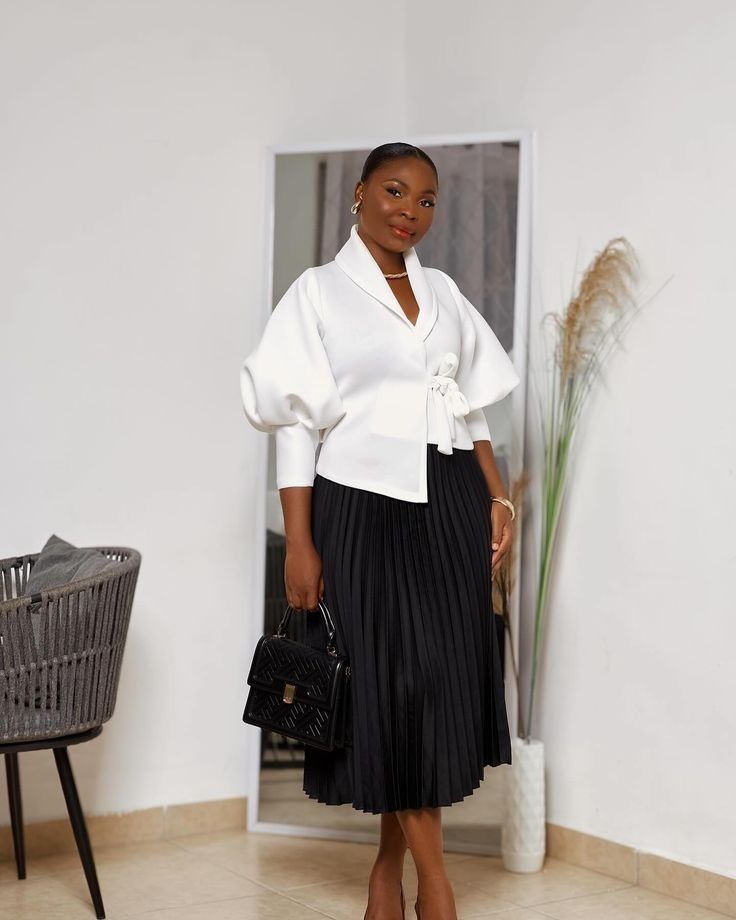
This is an understated but intentional look . It is perfect if you want flexibility and comfort without looking too relaxed. A well-cut blouse paired with a midi or maxi skirt feels mature, calm, and thoughtful.
Best combinations:
- Plain blouse + patterned skirt
- Soft chiffon or cotton tops
- High-waist skirts that sit comfortably
Why choose this:
This look reads as “put together” without being flashy. It also works across age groups and settings, making it a reliable choice.
Finish with:
- Simple sandals or block heels
- Tucked-in blouse or light waist definition
- Natural hair or neatly styled braids
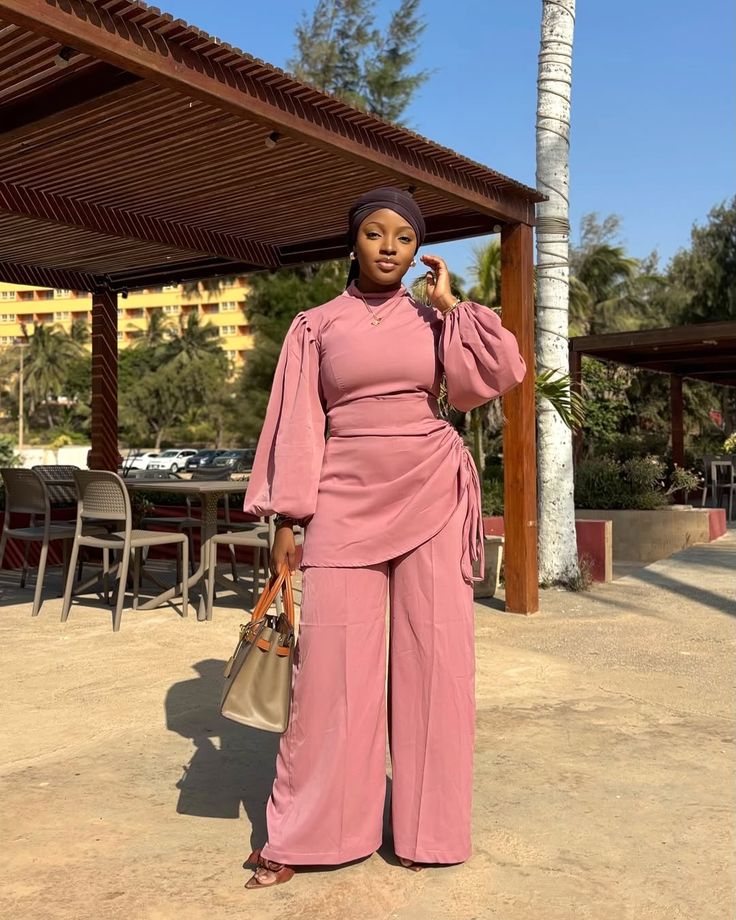
4. The Classic Two-Piece Set
A tailored two-piece outfit, especially in Ankara or plain fabric—can look both modern and appropriate when done right.
Look for:
- Matching top and skirt sets
- Loose but structured fits
- Soft colours or minimal prints
Why choose this:
It shows you are stylish and contemporary, but still aware of the occasion. The structure keeps it respectful, while the design keeps it fresh.
Pro tip: Avoid crop-style tops or overly fitted pieces.
….finally
Meeting your mother-in-law is not about passing a test. It’s about showing respect—for yourself, for the man you love, and for the culture you’re stepping into.
Dress in a way that feels true to you, but also sensitive to the moment. When you get it right, your outfit doesn’t speak loudly. It speaks clearly, and that clarity is what leaves a lasting impression.