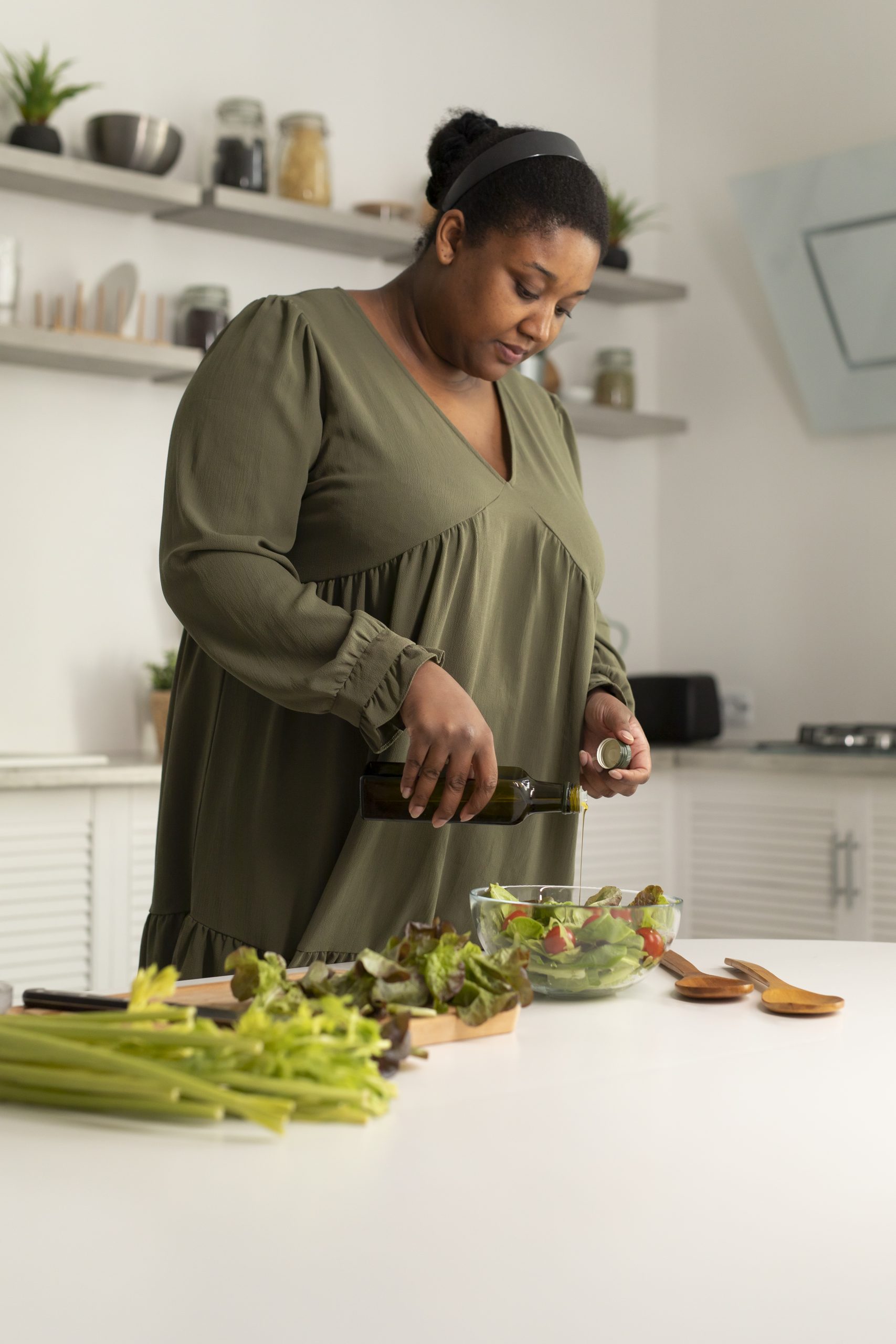
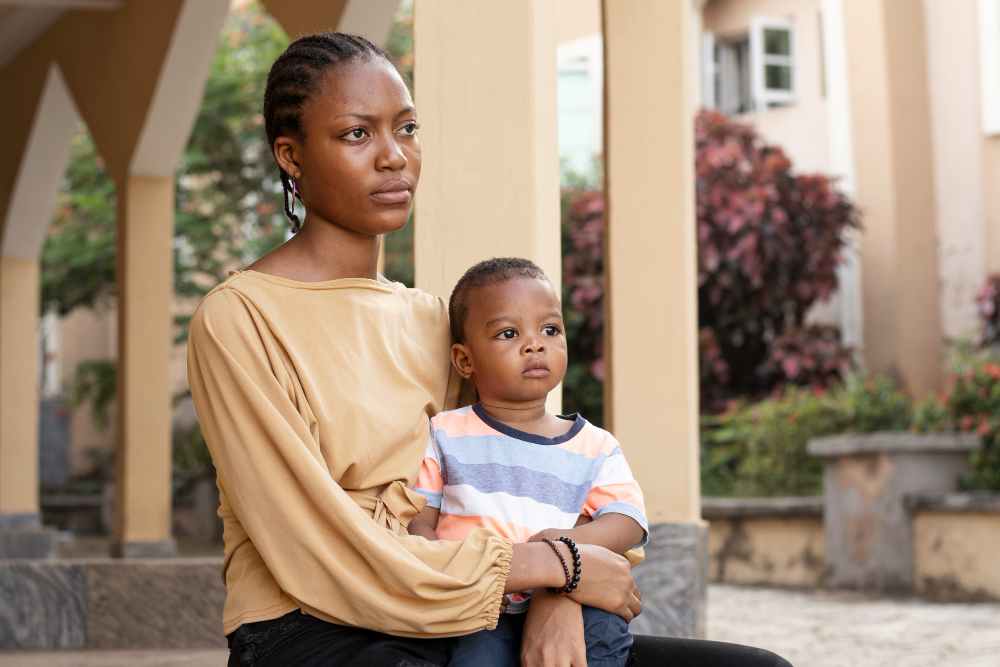
It is the end of the month and once again, you have split your salary in two, one half for your family and the other stretched thin across your own growing needs. The bills keep piling up, but so do the expectations. You cannot complain because you love your family, and they need you.
But what about you? When did being the eldest daughter automatically become synonymous with breadwinner? When did self-neglect become proof that you are a good daughter?
For many women, the roles were assigned before they were old enough to consent to them. Caregiving, emotional availability, financial support, and preserving family harmony. These expectations became so normalized that stepping back from any one of them feels like a personal failure, even when holding all of them is destroying the person underneath.
When Responsibility Becomes an Identity
For many daughters, these responsibilities begin long before adulthood. They are groomed early into caretaking roles, helping raise younger siblings, emotionally supporting parents, managing household tensions, and learning to put everyone else first. Endurance gets praised as maturity. Obedience gets called being good. And somewhere in the years of doing both, self-sacrifice stops being a choice and becomes a default.
In many homes, being a good daughter means being always reachable, always present, always absorbing what the family needs without measuring the cost to herself. And the moment she begins to resist, the labels come: proud, selfish, difficult, too influenced by Western ideas.
Ugo knows this pattern well. As the first daughter in her family, the caregiving started before she was ten years old.
“I started watching the first one before I was 10,” she says. “At that point, I didn’t have any time for myself. Even hanging out with friends or doing things for myself was impossible because I was always watching my siblings.”
What started as helping out eventually became who she was. The responsibilities grew over the years until she barely had a sense of herself outside of being useful to everyone else. The expectations were so normalized she barely noticed how much of herself she was losing in the process.
This experience has a name. First Daughter Syndrome describes the emotional, physical, and caregiving weight placed on the eldest daughter in many African families, often turning her into a second mother before she reaches adulthood. Research shows that eldest daughters experience higher levels of anxiety, depression, and burnout compared to their siblings, with these effects intensified by deeply embedded cultural expectations around filial duty.
See also: “Trust Your Own Pace”: Zainab Balogun On Growth, Pain and Womanhood
The Breaking Point
Photo: Freepik
University offered Ugo something she had not had in years: distance. But even then, she could not fully receive it.
“It was too much for anyone to take in, let alone an adult, and mind you I was doing this as a teenager,” she says. “Getting into university was like an escape and I still felt guilty.”
The guilt is not incidental. For many women who begin to reclaim space for themselves, guilt becomes the primary obstacle, more than the family’s criticism, more than the social cost of being seen as difficult. It is the belief, planted early and reinforced often, that their needs are always secondary.
But Ugo had reached a point where continuing was no longer an option. The emotional and financial strain had pushed her into depression. The version of herself that existed only in relation to everyone else’s needs had begun to break down entirely.
“I decided to leave because I was already getting depressed and in a dark place,” she says. “If I didn’t take myself out of that situation and break that family dynamic, it would have ruined me.”
She left. Not as abandonment, but as self-preservation.
“I’m a young adult and I’m sure my parents didn’t do all this at their age, why should I?”
The Cost of Choosing Yourself
The backlash that follows these decisions is real. A woman who begins to protect herself is often labelled selfish, wicked, or accused of abandoning her family. The same family that relied on her constant availability may struggle to understand why she can no longer give without limit. And because the guilt runs so deep, many women question themselves long after the decision has been made.
For Ugo, leaving felt like freedom and betrayal at the same time.
“It was like an escape and I felt this guilt that I was leaving my siblings behind. When they call me about things, I panic. I can’t really describe it, but anyone that’s an eldest daughter would understand.”
Many women who attempt to reclaim themselves also grieve in ways they do not expect. Some grieve the loss of closeness with their families. Others grieve the older version of themselves, the version that was constantly praised, approved of, and called the good daughter. Because for women who built their identities around endurance and usefulness, stepping away means dismantling the only self they have known.
See also: Low-Effort Love: Women Are Done Dealing With Nonchalant Men
What Comes After
What Ugo found on the other side was something she had not expected: peace.
She became more emotionally stable, gained clarity about the kind of life she wanted, and started building an identity outside of being useful to everyone around her.
“I’m doing well for myself now. I have a stable career and life has been peaceful for me.”
Her story sits inside a wider shift. More women are having this conversation, publicly and privately, about what it means to love a family without disappearing into it. The generational divide is real. For older women, especially those who endured the same expectations themselves, self-sacrifice is simply part of what womanhood requires. That belief gets passed down as wisdom, as preparation, as love.
But younger women are beginning to ask whether that inheritance is one they want to accept. Whether setting a limit on financial support, choosing emotional distance, or moving out entirely is a betrayal of family or a refusal to let love become self-erasure.
Choosing yourself is not the same as choosing not to love your family. For many women, it is the only way to continue loving them without losing themselves completely in the process.