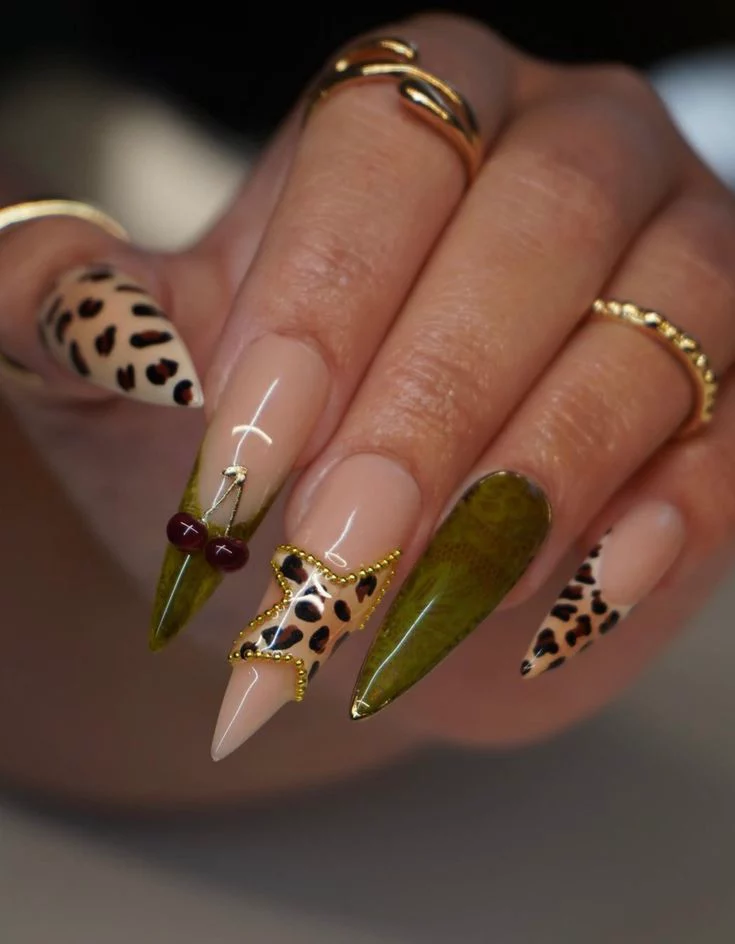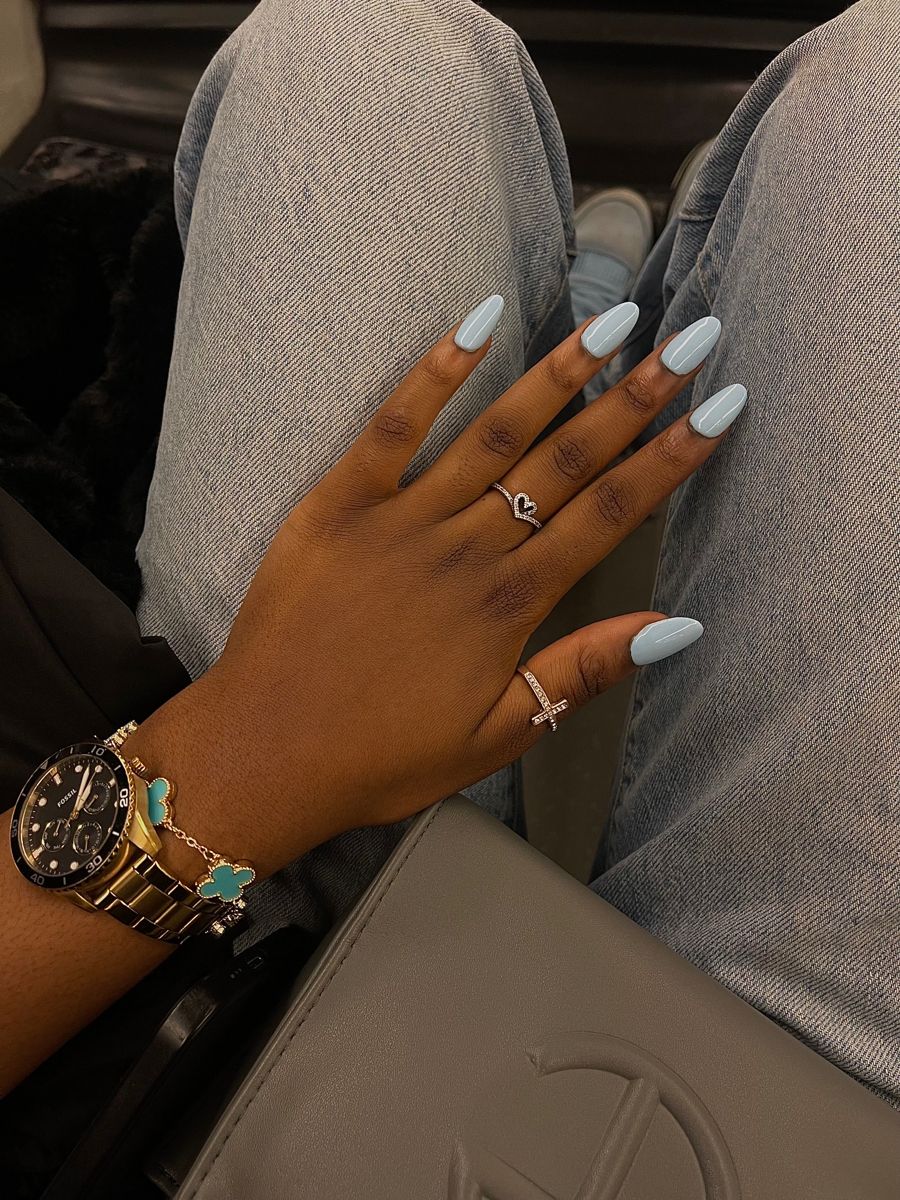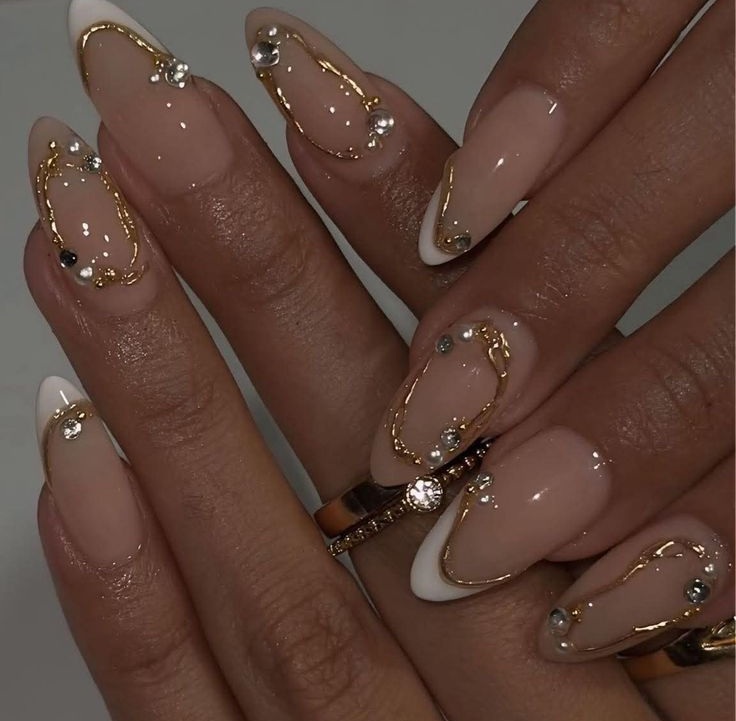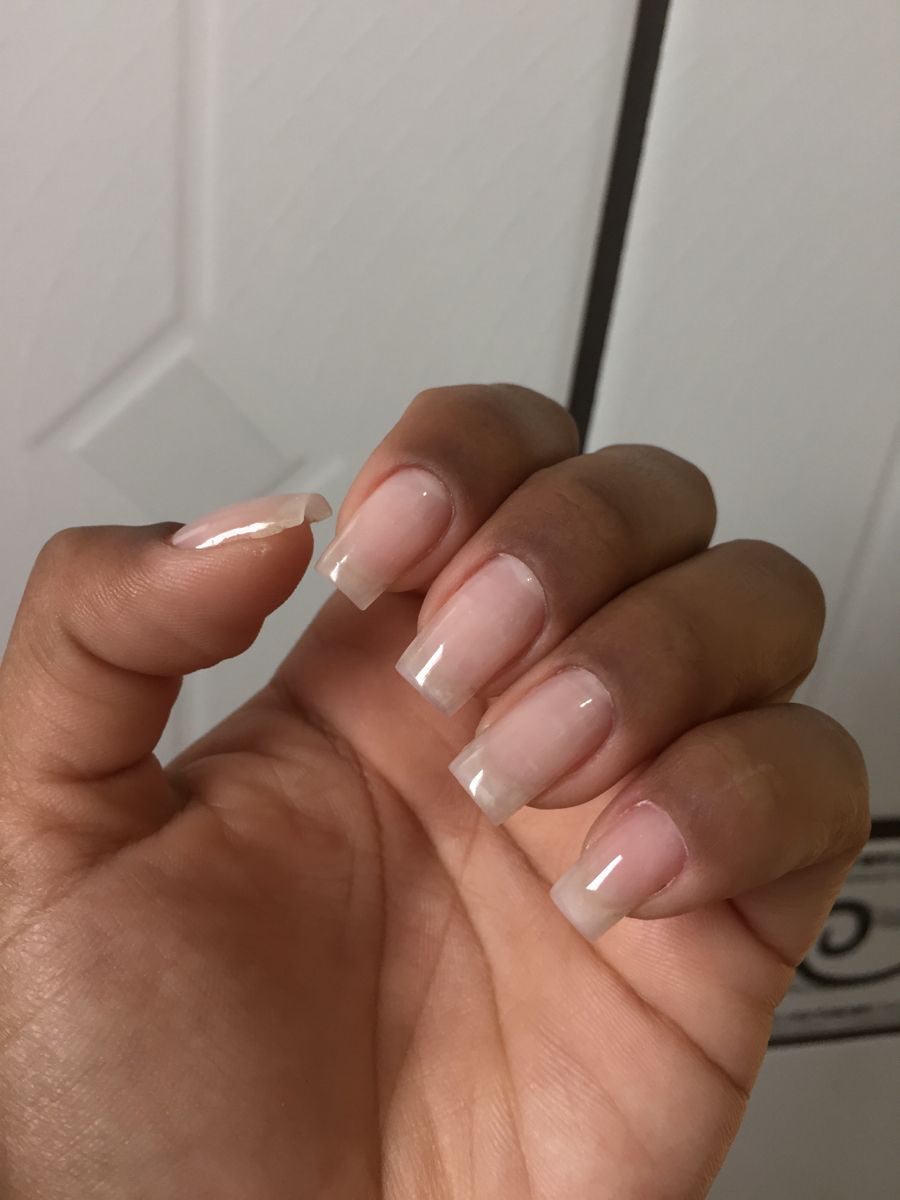
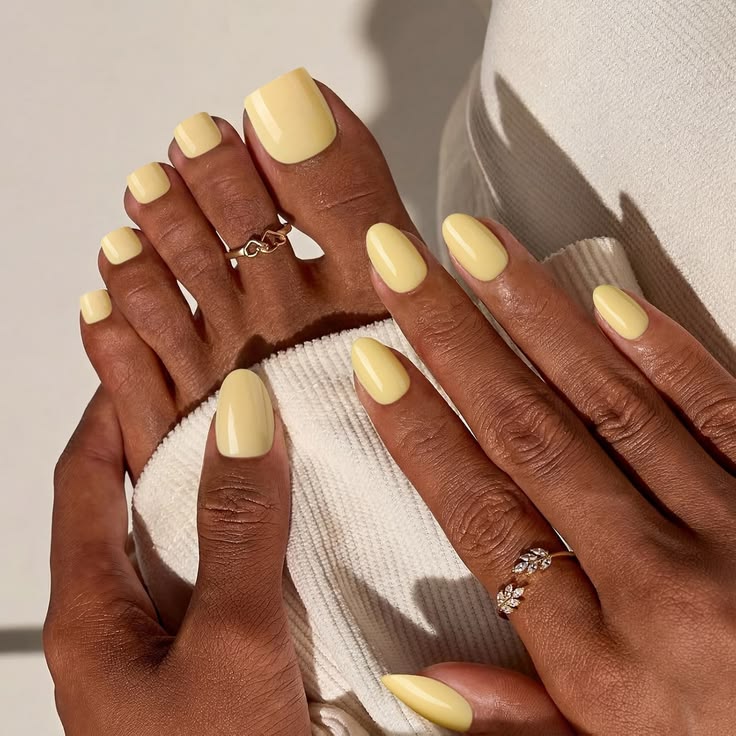
Manicures have become so embedded in the Nigerian beauty routine that most women no longer think twice about them. You book the appointment, pick a colour, sit through the drilling and the curing lamp, and leave with polished fingers. Gel nails, in particular, have quietly become the default choice, loved for their glossy finish, durability, and ability to last weeks without chipping. The process is familiar and the result is reliable. But an important conversation has been gaining ground, online and offline.
Questions about what exactly is being applied and what repeated exposure might add up to over time. The concern is not that gel nails are dangerous. It is that most women are using them without much information about the process behind them.
See also: The Economy of Looking Good: How Much Are Nigerian Women Spending For Beauty
The appeal of gel nails is straightforward and practical. Unlike regular polish that chips within days, gel stays glossy and intact for weeks without much upkeep. For women managing packed schedules, one appointment that lasts through weeks of meetings, events, and everyday life is worth the cost.
What Is Actually Going On Your Nails
Gel polish is commonly understood as a longer-lasting version of regular nail polish, but the chemistry is different. Most gel systems rely on compounds called acrylates, which are liquid ingredients that harden when exposed to UV or LED light. That curing process is what gives gel nails their durability. It is not simply painted on and left to dry. It is set into place at a molecular level.
The word “chemicals” circulates a lot in online conversations about gel nails, often without useful context. Acrylates are used across a wide range of beauty and medical products. The relevant question is not whether they are present but how they are handled and how often someone is exposed to them.
When gel polish is applied and cured correctly, with quality products and proper technique, it is designed to sit on the nail surface without causing problems. When the process is rushed, the products are low-grade, or there are no breaks between sets, that is where the problem lies.
What the Reactions Look Like
Dermatologist Chetanna Anaje is direct about what she sees clinically. “The chemicals can cause allergic contact dermatitis. It can show up as redness, discomfort, rashes, and itching.” She notes that the effects are not always immediate. Reactions often start as mild irritation, slight sensitivity after curing, or thinning nails. Repeated exposure can make the body increasingly reactive over time, meaning a product that caused no problems at first can become harder to tolerate eventually.
The consequences extend beyond skin reactions. “It can lead to destruction of the nail plate, causing weakness of the nails,” she adds.
Removal compounds the issue. Gel and acrylic products do not simply wipe off. They are soaked, filed, or scraped away, and when that process is rushed or too aggressive, the natural nail takes the damage. Hygiene is another factor that often goes unexamined. Tools that are not properly sterilised between clients can introduce infections, particularly when the skin around the nail is already compromised.
On the question of frequency, Anaje does not prescribe a fixed timeline. Her guidance is more specific than that. “If someone reacts to gel or acrylic, I do not advise that they go back to it.” And on early warning signs: “If one starts developing itching or redness, they should stop.”
UV Lamps: Real Risk or Internet Fear?
The UV lamp is perhaps the most discussed element of gel manicures online, and also one of the most misrepresented. For most women sitting in the salon, it is the quietest part of the process. A few minutes under the light, a brief warmth, and the nails are done. Yet it has generated more online debate than almost any other step.
The concern about UV exposure during gel curing is not unfounded, but it is frequently overstated. The exposure in a typical salon session is short and concentrated on the hands only. It is not comparable to prolonged unprotected sun exposure, which is the comparison that tends to fuel the more alarming online claims. At the same time, it is not something to be unconcerned about. Repeated short exposures accumulate, and without any form of protection, it could have consequences.
Nail technician Kamsi points to a different layer of the problem. “Nail damage can be caused when nail prep is not done properly.” In practice, many clients return on continuous cycles, particularly during busy social seasons, without taking breaks. And while hygiene is an expected standard in any salon, it is rarely something clients think to verify. Most women are focused on the result. What products are being used, how tools are handled between clients, and how removal is approached are details they hardly concern themselves with.
What Women Are Actually Thinking
Stephanie, a Nigerian student, talks about her choices. Her approach to gel nails is entirely practical. “I do gel nails when I have short holidays. For long holidays, I usually do acrylic because it can stay on for months.” When choosing a salon, her criteria are “sometimes price, sometimes how neat the person’s hand is.” Safety has never been factored into her choices.
She has some awareness of UV risks from what circulates online. “From what I heard, UV lamps cause cancer or reactions. I do not know how true that is.” She sometimes applies sunscreen before the lamp. She has never had a reaction. And she has never discussed any of this in a salon.
That is where most women sit with this. Not in ignorance exactly, but in the space between partial information and no real opportunity to ask questions. The process is rarely explained. The products are rarely named. And because nothing has gone wrong yet, there is no obvious reason to push for answers.
See also: Why Are Some Women Taking Out Their BBL?
Conscious Use, Not Blind Routine
None of this is an argument against gel nails. The case being made here is a narrower one: that the routine deserves more attention than it currently gets.
Spacing out appointments and allowing the nails genuine recovery time between sets is important. Paying attention to early physical signals like persistent itching, redness, or nail thinning matters just as much. Be present enough in the salon to notice how tools are handled.
And when something does not feel right, stopping and getting a professional opinion is more straightforward than working around a reaction that will likely worsen.