
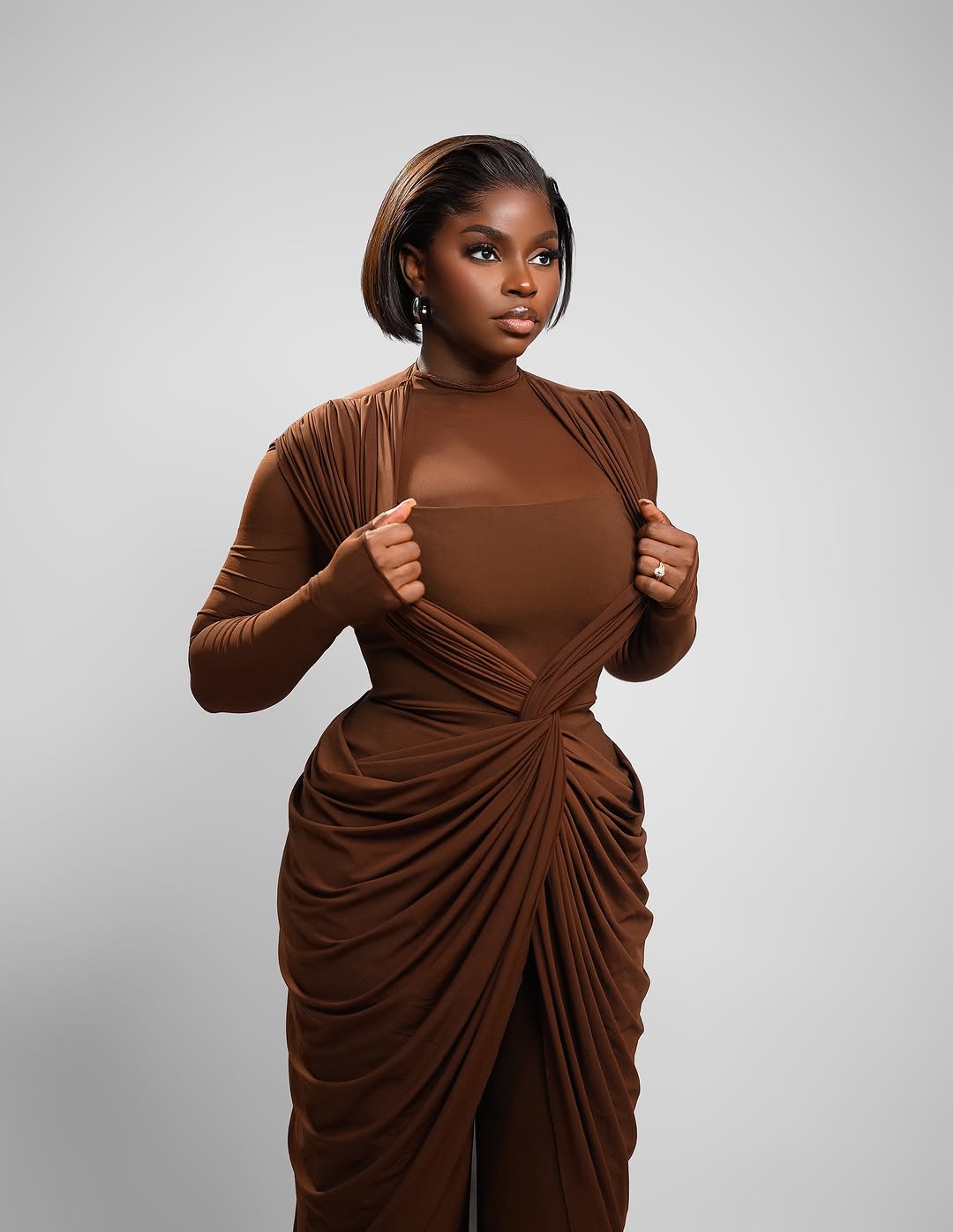
Something is changing in the way Nigerian women relate to locally made fashion. Three Lagos women, two designers and one festival attendee explain why.
Nigeria is finding ways to celebrate its own in fashion. One of those ways is through Woven Threads, founded by Omoyemi Akerele, where African fashion designers display their work on the runway. The seventh edition, held from 9 to 12 April 2026 in Lagos under the theme CRAFTED, promoted sustainability, circularity and ethical design within the African fashion industry.
Hannah Ogunnusi is a 22-year-old social media strategist and content creator who attended Woven Threads VII after being invited by Redrick PR. It was her first runway experience.
SEE ALSO: 5 Ways to Style Trending Ankara Pants
“Seeing the models walk out so poised and serious in such beautiful pieces was really striking,” she says.
The energy in the room was calm but electric. The designs were stunning, the art pieces in the space stood out, and the experience left her inspired. “It honestly felt like I was ticking something off my bucket list,” she says. “It was amazing seeing different creatives present their work in such unique ways.”
For her, it was more than a fashion show. It was proof that Nigerian designers are capable of commanding a room.
See Also: Tips To Make Your Bubu Look Incredibly Chic In 2026
Beyond the Woven Threads fashion show, three Nigerian women tell us why they embracing and including local designers in their wardrobe.
Eniola is a 22-year-old entrepreneur based in Lagos. She once believed foreign brands were superior simply because they were imported.
The shift, for her, was gradual, seeing people around her wearing stunning Nigerian designs made her reconsider.
Another thing that changed her perspective was the realisation that foreign brands do not always design with Nigerian women in mind.
When she shops local, she looks for quality, finishing and uniqueness in the stitching, the fabric strength, the fit.
The economy also played an important role in pushing her toward local designers. But the quality and style that made her stay. Nigerian designers gave her better styles and more unique pieces than foreign ones. “People should stop thinking foreign is the only way to look classy,” she says. “When you buy local, you are not just buying a dress. You are buying a dress that actually handles our curves and our weather.”
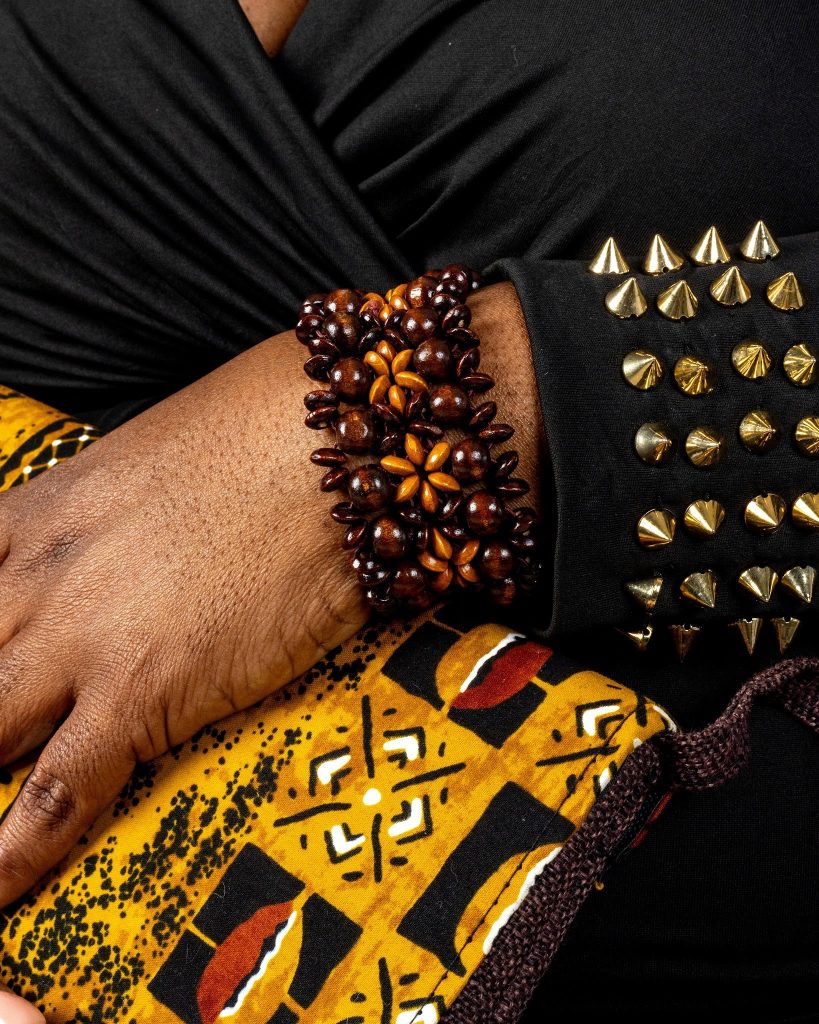
Eriunu Precious is a 23-year-old entrepreneur and influencer based in Lagos. Most of her wardrobe is from Nigerian fashion brands. She loves African prints and has always been a strong supporter of local fashion. For her, it comes down to uniqueness and cultural pride.
As an influencer, she has seen firsthand how social media drives patronage. “I post an outfit, people see it and like it, then they patronise the local designer,” she says.
She is convinced that most foreign outfits can be replicated and improved upon by Nigerian designers. The only time she reaches for a foreign brand is when she needs something urgently and has no time to wait.
“Nigerian designers have gotten better,” she says. “More unique, with a new twist every now and then.”
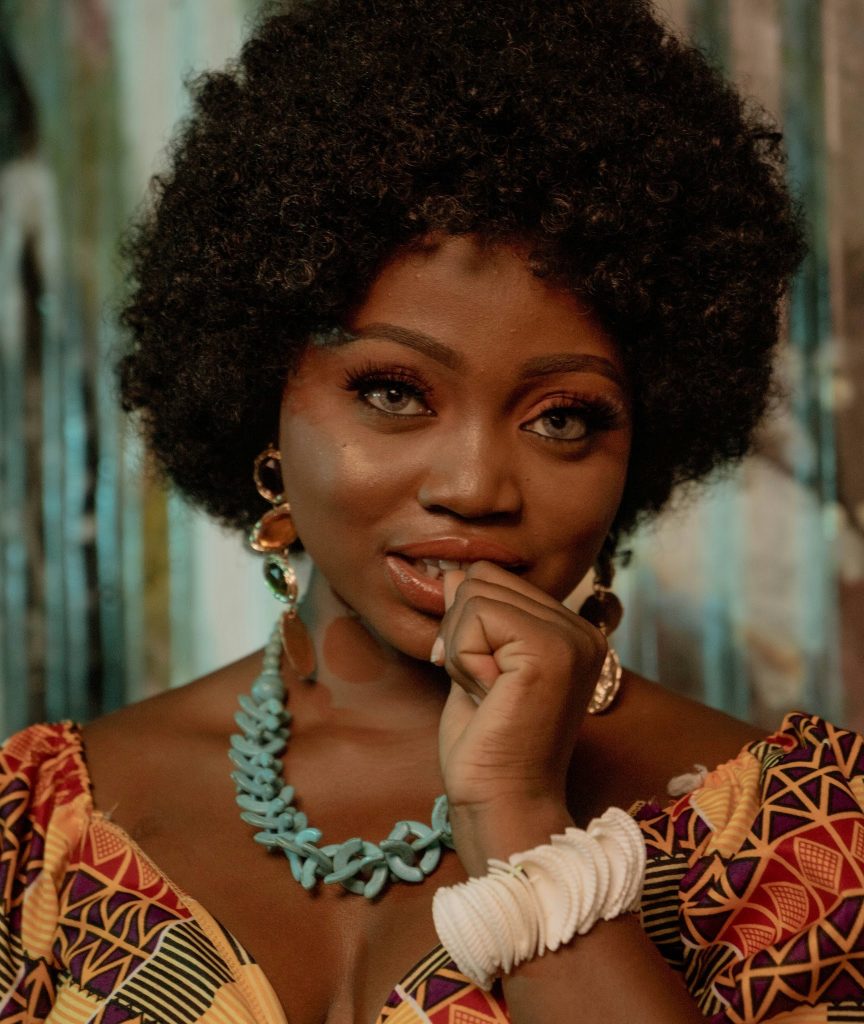
Jumain is a 23-year-old entrepreneur who maintains a healthy balance between Nigerian and foreign brands.
She believes Nigerian designers win on creativity, originality and their understanding of African bodies. “Who knows the African body better than an African” she asks.
She points to Nigerian owanbe attire as proof; the beading, the finishing, the craftsmanship. She acknowledges that foreign brands still have an edge in branding, consistency and online shopping, but she has become more intentional about choosing local. She wants to build a wardrobe with unique, well-made pieces, not fast fashion.
What would make her go fully local? Consistency in finishing, sizing and delivery timelines. “I want to build a wardrobe with pieces that are unique and well-made,” she says. “Not just fast fashion.”
See also: Is Nigerian Fashion Losing Its Identity To Social Media?
It is not only consumers who had something to say, two Lagos-based designers offered their perspective on the shift from the other side of the needle.
Nissi Stitches is a Lagos-based designer working in both menswear and womenswear. He notes that while couture pieces carry a higher price point, everyday pieces like bubu and corporate wear remain affordable. He is clear about what goes into each garment. “Making a piece involves time, garment construction, art, calculation, manipulation and crafting a silhouette from plain material,” he says. For him, Nigerian fashion is also about cultural preservation. “Cultures are vanishing, so we adapt our culture into our fashion,” he says. “That is how we keep it alive.”
Oluwadarasimi Tolulope, known as @tayloredbysimi, is a fashion illustrator and designer based in Lagos with five years of experience. She specialises in Ankara, bridal wear and Aso-ebi. The shift, she says, is visible. More Nigerian women are now choosing local designers for weddings and Aso-ebi rather than importing outfits.
She identifies three driving forces: cultural pride, improved quality and price but is clear about which matters most. “Cultural pride is the strongest,” she says. “Wearing custom Aso-ebi is a deeply rooted gesture of support. It says: “we see you, we support you.” Quality, she adds, has caught up with and sometimes surpassed imports. “Five to ten years ago, a local tailor meant a risky fit. Not any more.” Nigerian designers now deliver luxury-level beading, corsetry, structure and fabric mixing and social media, through pages like @AsoEbiBella, has made sure the world knows it.
These voices all tell a consistent story. The shift toward Nigerian fashion is being driven by different forces for different women. Whether it’s cultural pride, economic pressure or improved quality the destination is the same.
Nigerian women are not choosing local because they have to. They are choosing local because they want to. As Jumain puts it: “Who knows the African body better than an African?” Nigerian designers have not just gotten better but they have made Nigerian women proud to wear them.


One thought on “Nigerian-Made Is Back: Women Speak on Choosing Local Designers”
Comments are closed.