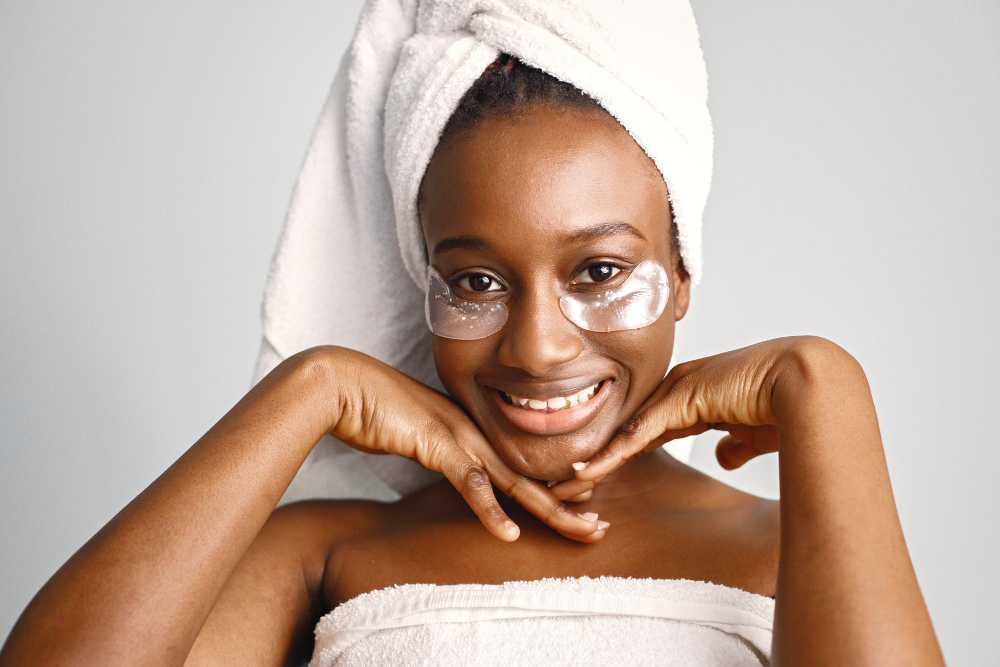
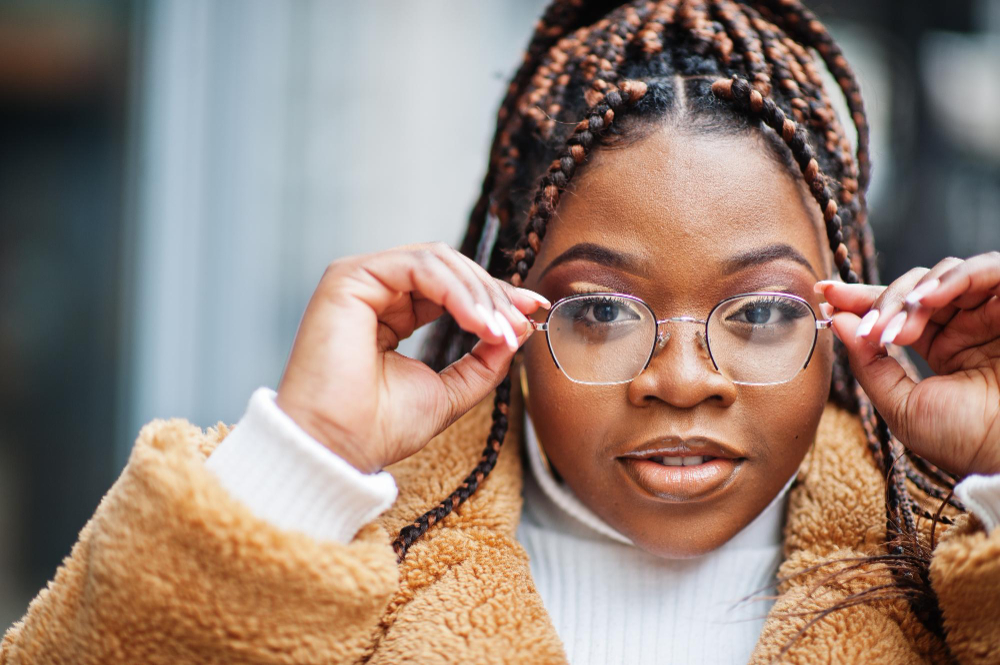
“You don’t look your age” has been one of the most frequently heard phrases lately, especially among millennials. Usually it comes with a smile, occasionally it is a reaction of surprise, and nearly always with the expectation of gratitude. But beneath the surface lies a multi-layered comment that can flatter, confuse, or even offend, depending on who’s hearing it and how it lands.
In today’s society, where social media filters distort reality and looking young is highly valued, this expression has acquired a different significance. Is it still praise? Or has it silently slipped into the list of those little socially acceptable insults we are conditioned to tolerate?
Is Being Youthful the Ultimate Aesthetic?
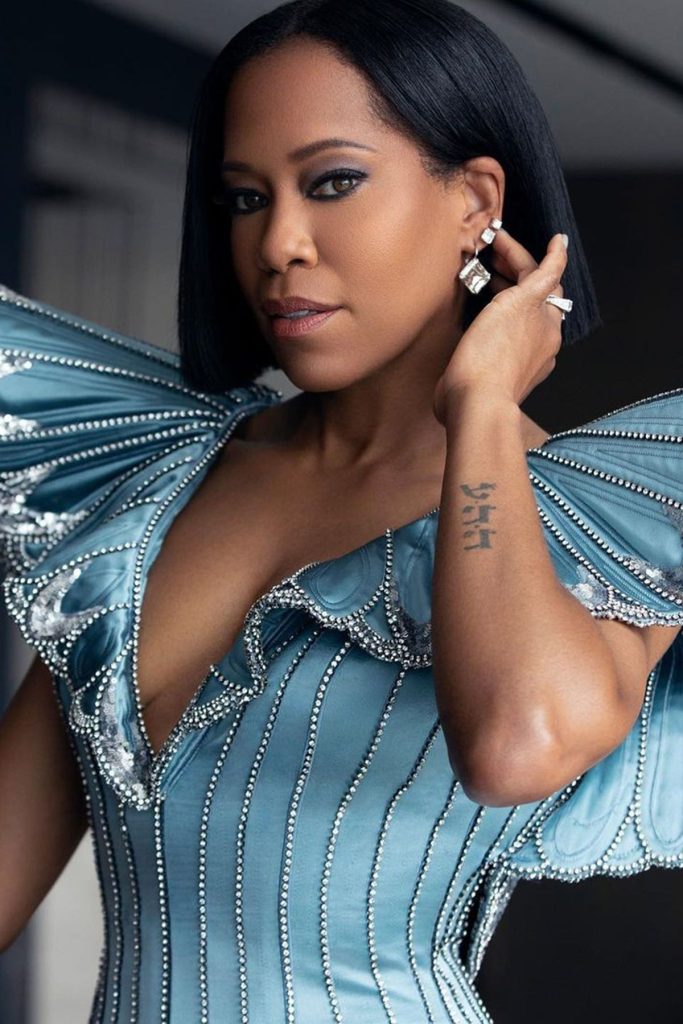
Scroll through any social platform, and you will see an unspoken consensus that looking young is desirable. It can be seen in many ways. From skincare products that promise “age reversal” to viral videos promoting hacks for youthful looks, youthful looks are still celebrated like a trophy.
“You don’t look your age!” is one of the common top praises in comment sections. It is written with enthusiasm, fire emojis, and a hint of disbelief. But at the same time, there is also a message that you are not expected to look good for your age, but somehow you manage to do so. And that is when the compliment starts to be less convincing.
What exactly does a certain age look like?
The statement assumes that aging naturally diminishes beauty, vitality, or relevance. So, when someone defies that expectation, they are applauded. Social media reinforces the idea that aging gracefully is not common.
Imagine a workplace setting, for instance. A woman in her 40s leads a meeting with confidence and clarity. Afterward, a colleague says, “Wow, you don’t look your age at all! It may be intended as praise, but it subtly shifts focus from her competence to her appearance and ties her worth to how well she defies aging.
Or a family gathering. An aunt smiling at her niece says, ”I can’t believe you’ve really had three kids?” “You don’t look your age!” Everybody in the room nods in agreement. However, under the laughter there is a subtle message: motherhood and age are usually associated with visible “damage,” and not showing any of it is highly praiseworthy.
See Also: Why Are Some Women Taking Out Their BBL?
Even with friends, the comment might feel uncomfortable. Depending on how young she is, a 28-year-old might easily accept it when she’s told she looks 22. But a 35-year-old who gets the same compliment may hesitate. What is a 35-year-old expected to look like? Tired? Worn-out? Less attractive?
The reaction often depends on context, tone, and personal experiences. Some people see it as a harmless joke. Others see it as a reminder of the society’s insecurities with aging.
How “You Look Your Age” Can Be a Compliment
To be honest, intention plays a big role in the matter. Most times, comments like “You don’t look your age” really express admiration. It might be someone admiring your beauty or a recognition of good health and self-care.
Receiving such a comment can be very uplifting, especially in a world that puts a high value on youthfulness. It is as if one is being told that he or she is full of life, young at heart, has good genes, or is very intentional at taking care of himself or herself.
See Also: Can Modern Skincare Really Outperform Traditional Skincare?
Besides, there’s the cultural aspect. In a lot of cultures looking young means having good health and exciting prospects. So, the phrase turns into a way of saying you are doing well, you are thriving, and you have kept yourself up. And from that perspective, it’s not hard to take it as a compliment, because it actually is.
A Backhanded Compliment
Sometimes, compliments are a reflection of our beliefs and environment we live in. “You don’t look your age” is a sneaky way of saying that looking your age is one of the least desirable things. Which might imply that aging naturally is a bad thing.
The stereotype is that aging is a decrease in a person’s value and beauty. This can spark insecurity in others, who want the praise that they look younger than their age. This is one of the leading causes of Botox, fillers, and some cosmetic surgeries.
So, is it a compliment or not?
The truth rests somewhere between uncomfortable and complicated.
“You don’t look your age” can be a compliment, but it is shaped by societal biases that link youth with worth and aging with decline. Despite the intentions of whomever is saying it, it sometimes carries an underlying impression that might be questioned.
Perhaps the real issue isn’t the phrase itself, but what we’ve been conditioned to believe about age.
What if we appreciate people’s beauty rather than act surprised? After all, aging is not a loss of beauty. It is the beauty unfolding. And maybe the best compliment isn’t saying someone looks younger than their years but recognizing that they look exactly like themselves, and that is good enough.
When next you’re about to say those words, take a pause. Think deeply about what you really mean. If it is admiration, say it. If it is appreciation, make it known without mincing words. Because the best compliments are the ones that don’t need comparison or a contradiction to sound nice.