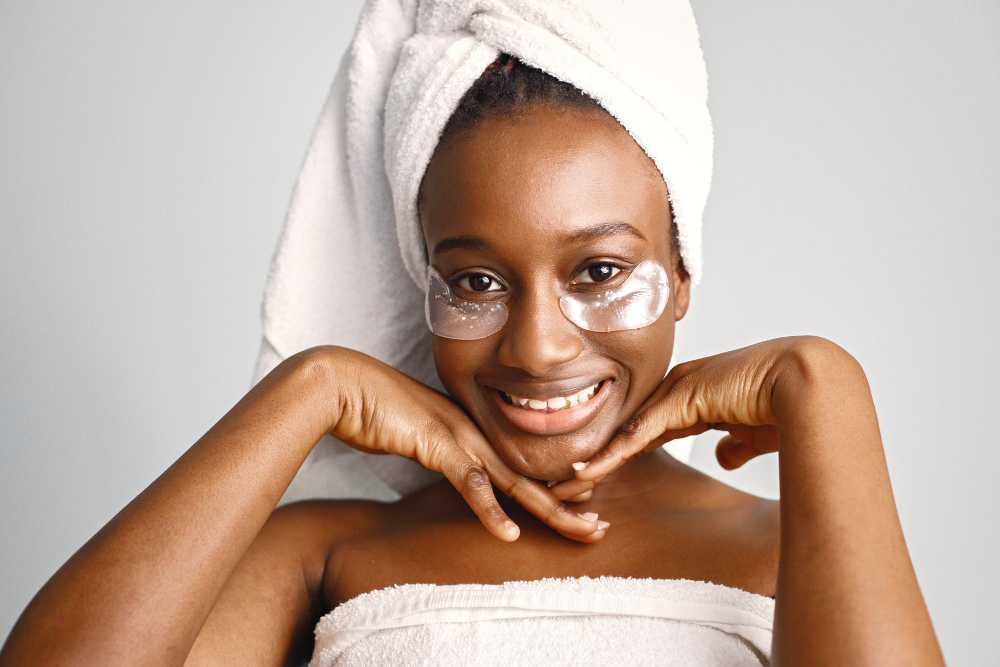

My grandmother was, in every sense, a goddess. I can still faintly recall her skincare routine; one that, by 2026 standards, would seem almost amusing because of how simple it was. She relied on traditional skincare: shea butter, olive oil, original black soap, and clay soaps, all handmade by her.
As children, whenever she came around, she made sure we followed her routine. At the time, it felt exhausting, yet strangely refreshing. Looking back now, one thing stands out clearly: despite the simplicity of her methods, her skin was flawless.
SEE ALSO: These African Skincare Brands Are An Absolute Delight
African shea butter, with its rich golden color, is derived from the shea tree and is naturally packed with vitamins A and E, making it an excellent remedy for dry and chapped skin. Similarly, handmade black soap, crafted from the roasted ashes of fruits and leaves, carries what can only be described as the true DNA of nature, offering a deeply nourishing and cleansing experience.
Across Africa, these ingredients were not trends; they were traditions. They were minimally processed, freshly prepared, and tailored to individual needs. Oils, clays, butters, and even milk baths were used with one singular goal: beauty and youthful preservation.
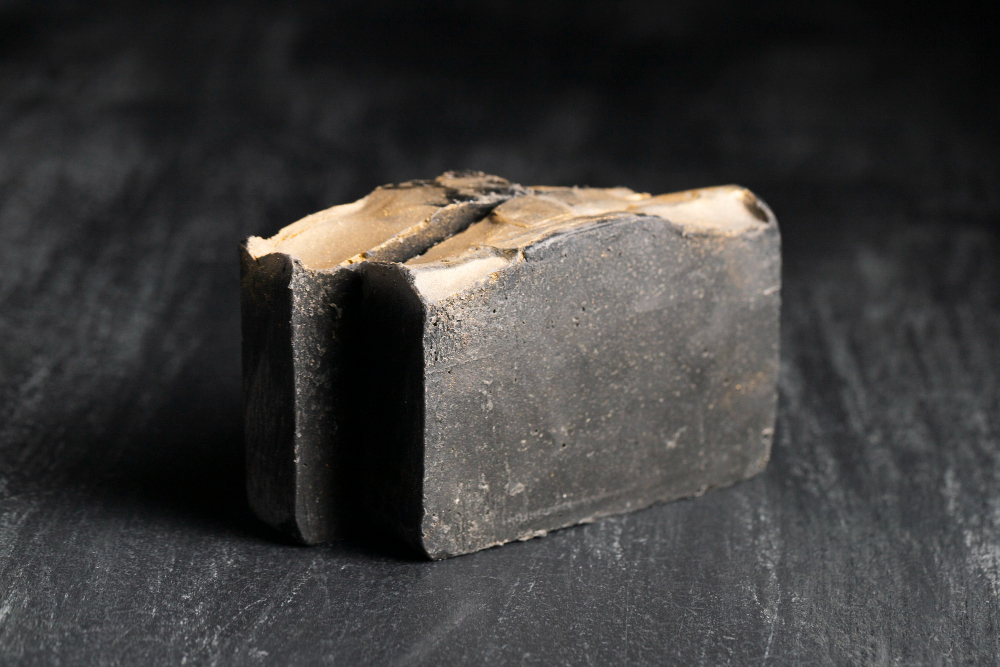
Beyond Africa, other ancient beauty rituals have endured for centuries. In Japan, the traditional Onsen bath, a mineral-rich hot spring ritual, does more than cleanse the body; it fosters a profound connection between mind and soul. In South Asia, Ayurvedic beauty practices incorporate ingredients like turmeric and neem, powerful antioxidants known for addressing concerns such as eczema and fungal infections.
What makes these rituals remarkable is their reliance on nature in its purest form. They were guided by observation, generational knowledge, and lived experience. However, they were not without limitations. Preservation was often difficult, measurements were imprecise, and safety standards varied. While effective, these methods lacked the scientific validation and stability that modern systems now prioritize.
The Rise of Modern Skincare Science
Modern skincare emerged at the intersection of beauty, chemistry, and scientific innovation. What was once rooted in generational rituals evolved into a global industry driven by research, clinical testing, and technological advancement.
Historical records suggest that the first commercially available skincare products appeared in the 1800s, including creams, balms, chapsticks, and basic soaps. Since then, the industry has grown into a sophisticated ecosystem of laboratories, dermatological research, and carefully engineered formulations.
Today’s skincare products are built around isolated and tested active ingredients. Scientists study natural compounds, refine them, enhance their stability, and measure their efficacy under controlled conditions. Precision in formulation has allowed brands to target specific concerns such as hyperpigmentation, acne, excess sebum production, and premature aging.
Modern skincare includes:
Cleansers – Designed to remove dirt, oil, makeup residue, and impurities. Available in water-based and oil-based formulations depending on skin type.
Exfoliants – Products such as AHAs and BHAs that help remove dead skin cells, improve texture, and unclog pores.
Moisturizers – Essential for maintaining the skin barrier and hydration. Ingredients like hyaluronic acid and glycerin function as humectants, drawing moisture into the skin.
Serums – Lightweight but potent formulations containing concentrated actives like vitamin C, retinol, and peptides to target specific concerns.
Sunscreen – Often described as the final step in a daytime routine, sunscreen protects against UV damage, skin cancer, and photoaging, especially crucial when using active ingredients.
Yet, despite its advancements, modern skincare is also not flawless. A product that works for one skin type may not produce the same results for another. There is no universal formula that boldly declares itself the answer to all skin concerns for all skin colors.
Additionally, increasingly complex ingredient lists can overwhelm consumers. The overuse of multiple active ingredients has raised concerns about irritation, barrier damage, and long-term sensitivity. In solving problems, modern science has sometimes introduced new ones.
So where do we draw the line?
The answer does not lie in choosing one over the other. There is no real competition between traditional beauty rituals and modern skincare science. Instead, there is a bridge, one that connects the simplicity of our ancestors with the precision of contemporary research.
Many people still practice traditional beauty rituals today and achieve outstanding results. At the same time, modern formulations provide stability, safety, and targeted solutions that traditional systems could not always guarantee.
But beauty extends beyond polished laboratories and elegantly labeled glass bottles. It transcends cosmetic formulations. True glow is not only chemical; it is cultural. It is inherited. It is emotional. It is the quiet confidence that comes from honoring heritage while embracing progress.
The real conversation is not about which approach delivers the better glow. Rather, it is about discernment, knowing when to accept innovation and when to return to simplicity.
The future of skincare will not succeed where tradition and science compete. It will thrive where innovation meets age-long wisdom, and where the richness of heritage enhances the precision of modern discovery.