
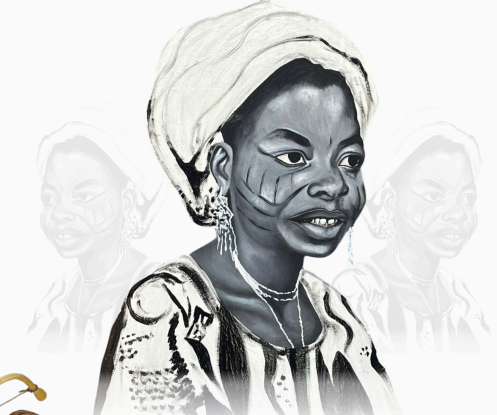
Known for its heavy drums, fast-paced lyrics, and lively stage performances, Fuji music has been one of Nigeria’s most dominant and culturally rooted Yoruba musical genres. Yet the story of Fuji has often been told mainly through the achievements of male artists who dominate the genre. A new documentary, Women of Fuji, Episode II of The Fuji Documentary, is now drawing attention to the women whose contributions to Fuji music have often gone unnoticed.
The Origins of Fuji Music
Fuji music developed in southwestern Nigeria during the 1960s from an earlier musical tradition known as Wéré, also called Ajisari. This was a style of singing performed by young Muslim men during the month of Ramadan. Moving through neighbourhoods in the early hours of the morning, they used drums and chants to wake people up for Suhoor, the meal Muslims eat before sunrise during the Ramadan fasting period.
Over time, these early chants began to include storytelling, praise singing, and social commentary. Sikiru Ayinde Barrister, who performed Wéré music as a young man, later transformed it into a full musical genre that could be performed throughout the year.
In doing so, he blended elements from other Yoruba musical styles such as Sakara and Apala—both drum-based genres known for praise singing and poetic lyrics—along with influences from popular Nigerian sounds like Juju and Highlife. Barrister later named the new genre “Fuji,” reportedly after seeing a poster of Mount Fuji in Japan, a name he said simply sounded appealing.
Women Who Helped Shape the Genre
Although male performers are more widely associated with Fuji music, several women have also helped shape the genre over the decades.
Alake Alasela broke new ground in 1977 with her first recording, establishing a strong female presence in Fuji music at a time when the genre was largely dominated by men.
Around the same period, Salawa Abeni gained wider recognition in the late 1970s with recordings such as “Late General Murtala Ramat Mohammed.” The song resonated with audiences and helped solidify her status as one of the earliest prominent female voices associated with Fuji music.
Osanle Iyabo, who was active in the late 1970s and early 1980s, earned recognition through regular performances at Fuji concerts and community events. Her regional recordings also helped introduce the genre to wider audiences.
By the 1980s, Queen Comfort Omoge had become known for her energetic performances and recordings. She blended Fuji rhythms with traditional Yoruba vocal styles, helping to expand the genre’s appeal and influence.
Expanding Fuji in Later Decades
In the late 1980s, Tope Asake Makanaki began her career as a Fuji performer, and by 1990 she had released her album Afro Juju. She later performed widely across Nigeria and in other countries, maintaining an active presence in Fuji music through the 2000s and 2010s before she passed away in 2020.
Another powerful vocalist among the newer generation is Ajoke Fatimo, known for early hits in the 2000s such as “Yellow Card.” More recently, she delivered a notable performance at Fuji Vibration 2024, reinforcing her presence and reminding audiences of the continued influence of women within the genre.
Queen Kikelomo Ayinde, daughter of Fuji pioneer Sikiru Ayinde Barrister, also continues this legacy among contemporary Nigerian and diaspora audiences through her performances and promotion of Fuji music.
Collectively, these women helped move Fuji beyond its early community roots while opening more space for female participation in a field where their contributions were often overlooked.
Why Many Female Fuji Artists Were Overlooked
Despite their talent and contributions, many of these women remained largely unrecognized for decades.
Research notes that male artists and promoters frequently avoided describing women as Fuji singers, even when their recordings clearly followed Fuji musical structures. Instead, female performers were often placed under other categories such as Waka or Awurebe—genres commonly associated with Islamic or devotional music.
This classification limited their visibility within the mainstream Fuji scene and contributed to the idea that Fuji was primarily a male genre.
Cultural expectations also played a role. Because Fuji developed from Wéré, the early morning Ramadan chants traditionally performed by Muslim youths, the bold stage persona associated with Fuji performers was often seen as easier for men to adopt publicly.
Women who attempted similar careers often faced stronger social and religious scrutiny when performing publicly. As a result, many female Fuji artists performed mainly at community events, regional concerts, or smaller music circuits rather than the larger commercial stages that elevated many male performers.
Recent historical research therefore emphasizes that women were never absent from Fuji’s development; rather, their contributions were simply less documented and less widely celebrated.
Documenting the Missing Stories
The documentary Women of Fuji, created by Saheed Aderinto, brings renewed attention to these overlooked contributions.
The film highlights the experiences and careers of female Fuji performers including Alake Alasela, Karimotu Aduke, Mutiat Amope, Musili Arike, and Muinat Ejide. Through interviews and historical research, the documentary captures how women participated in the genre from its early years while navigating the cultural and industry barriers that limited their recognition.
By documenting these stories, the film contributes to a broader effort to preserve Fuji’s history in a way that reflects the roles played by both men and women.
Correcting this cultural blind spot is important because it helps ensure that the history of Fuji music reflects the contributions of everyone who shaped it. Highlighting the stories of these women not only celebrates their artistry but also restores an important part of the genre’s history.