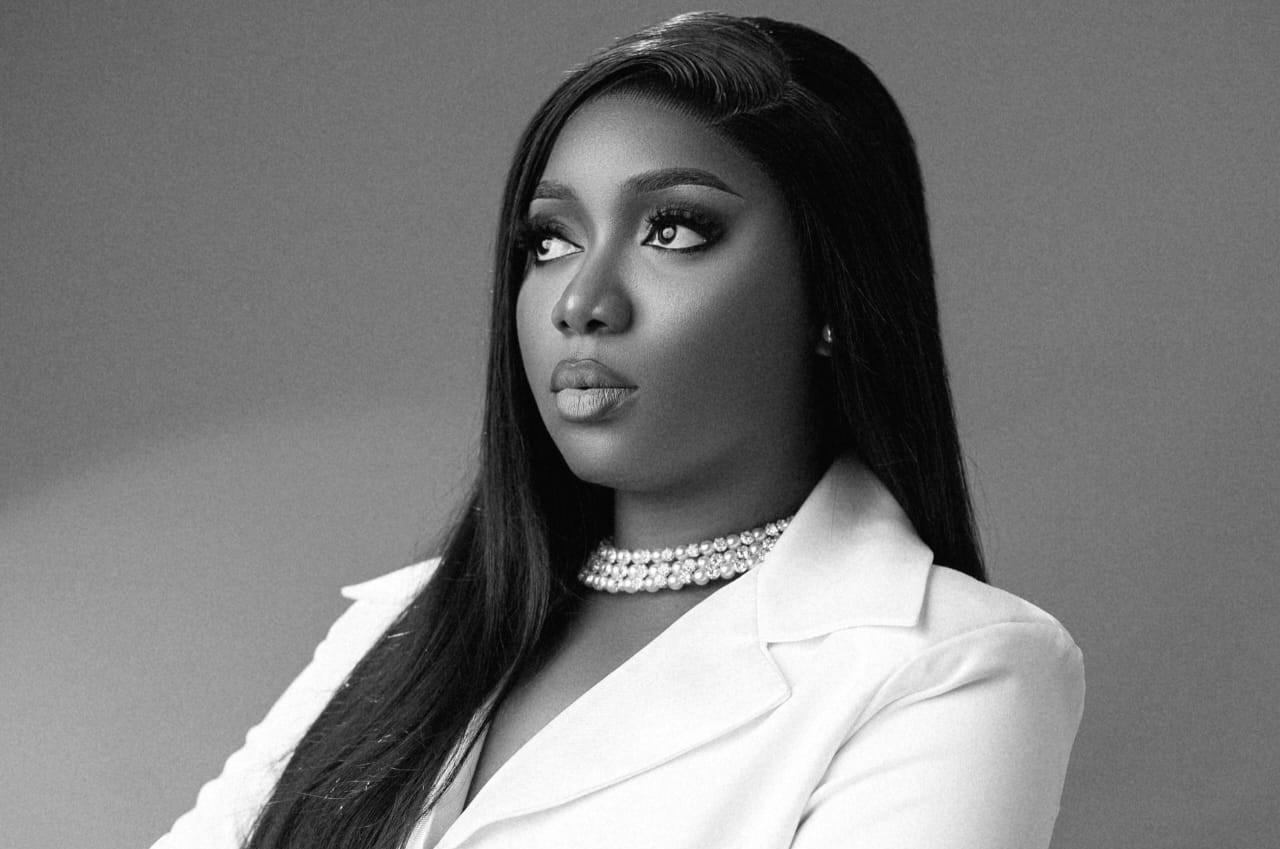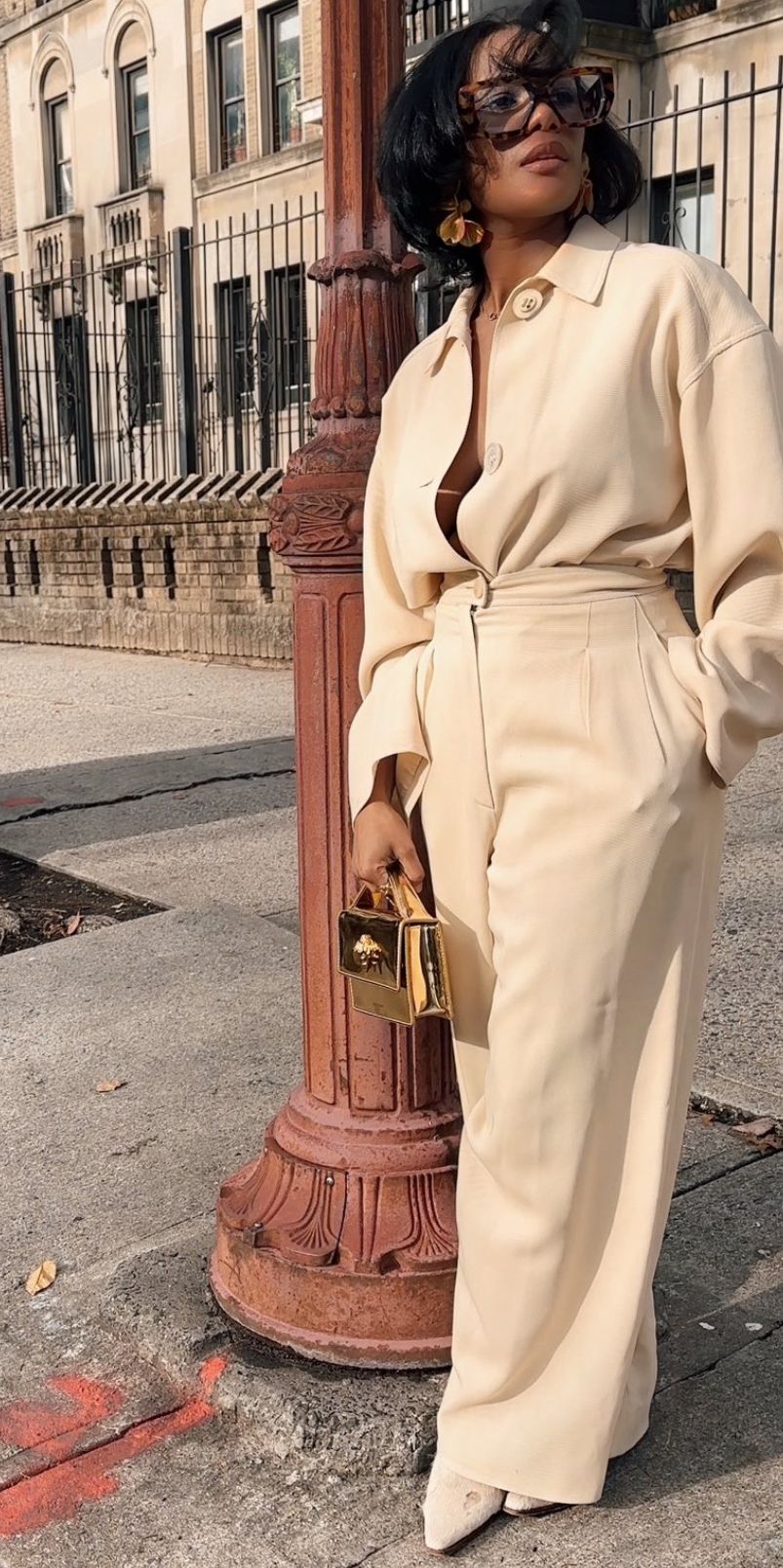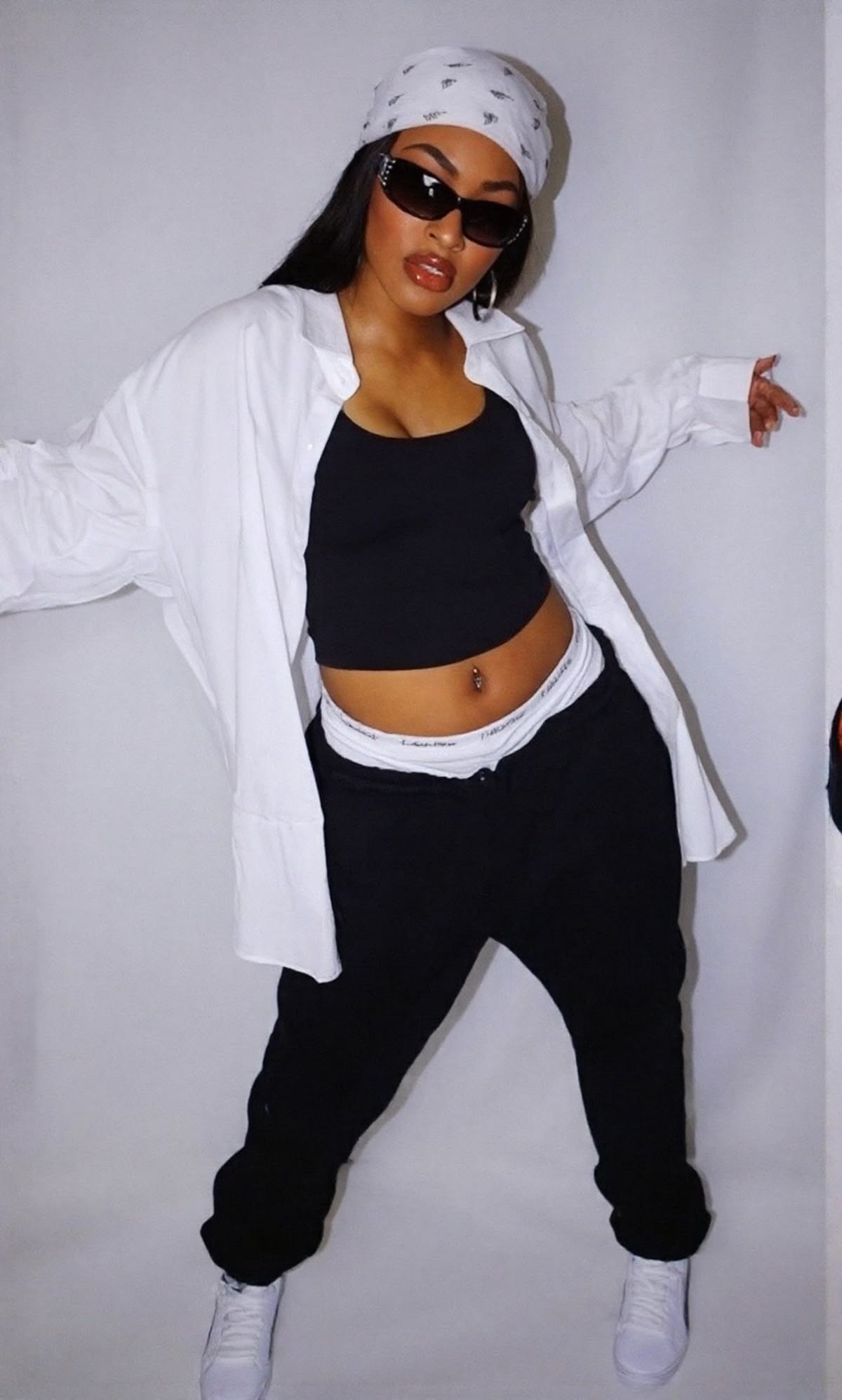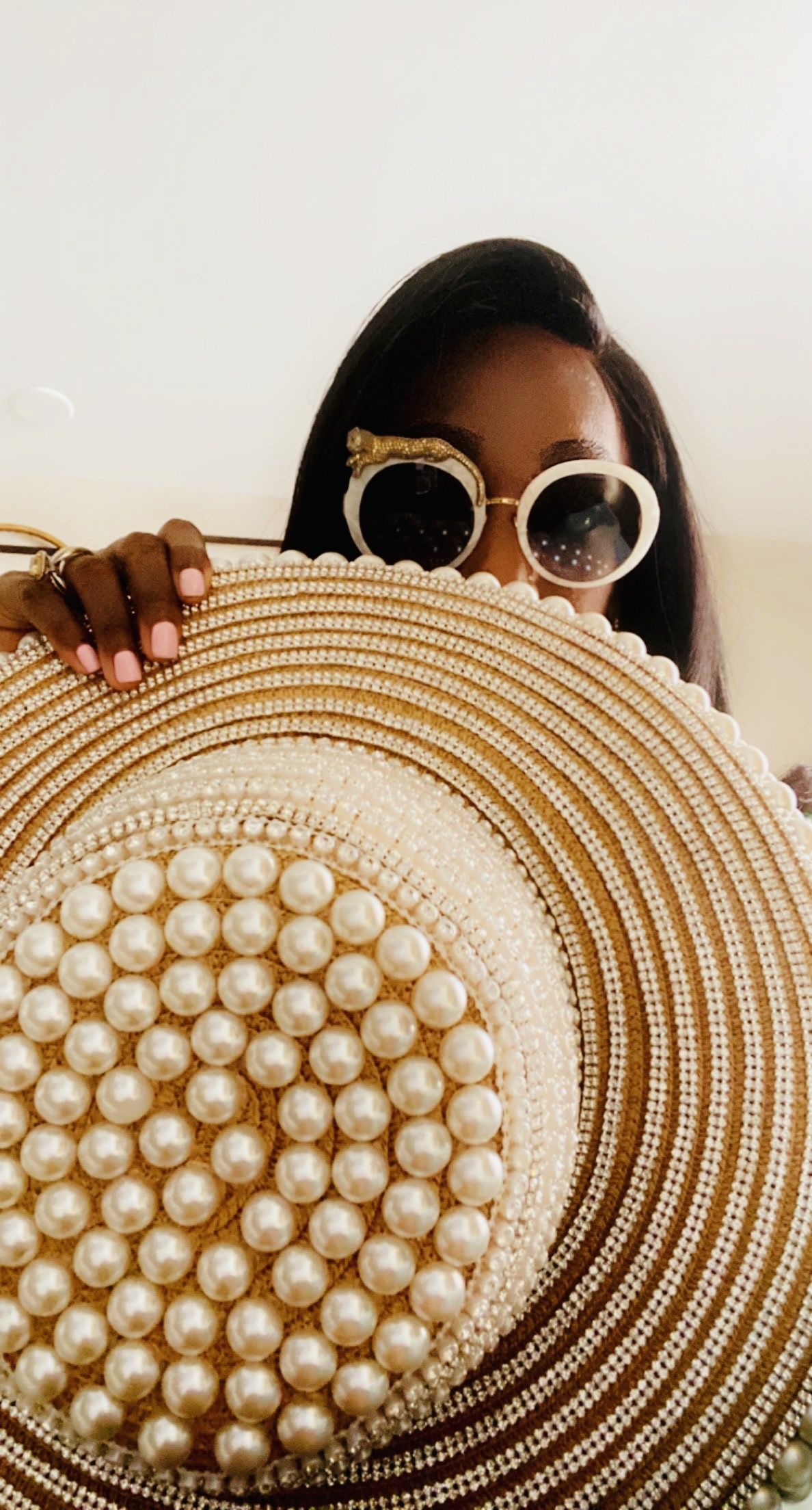
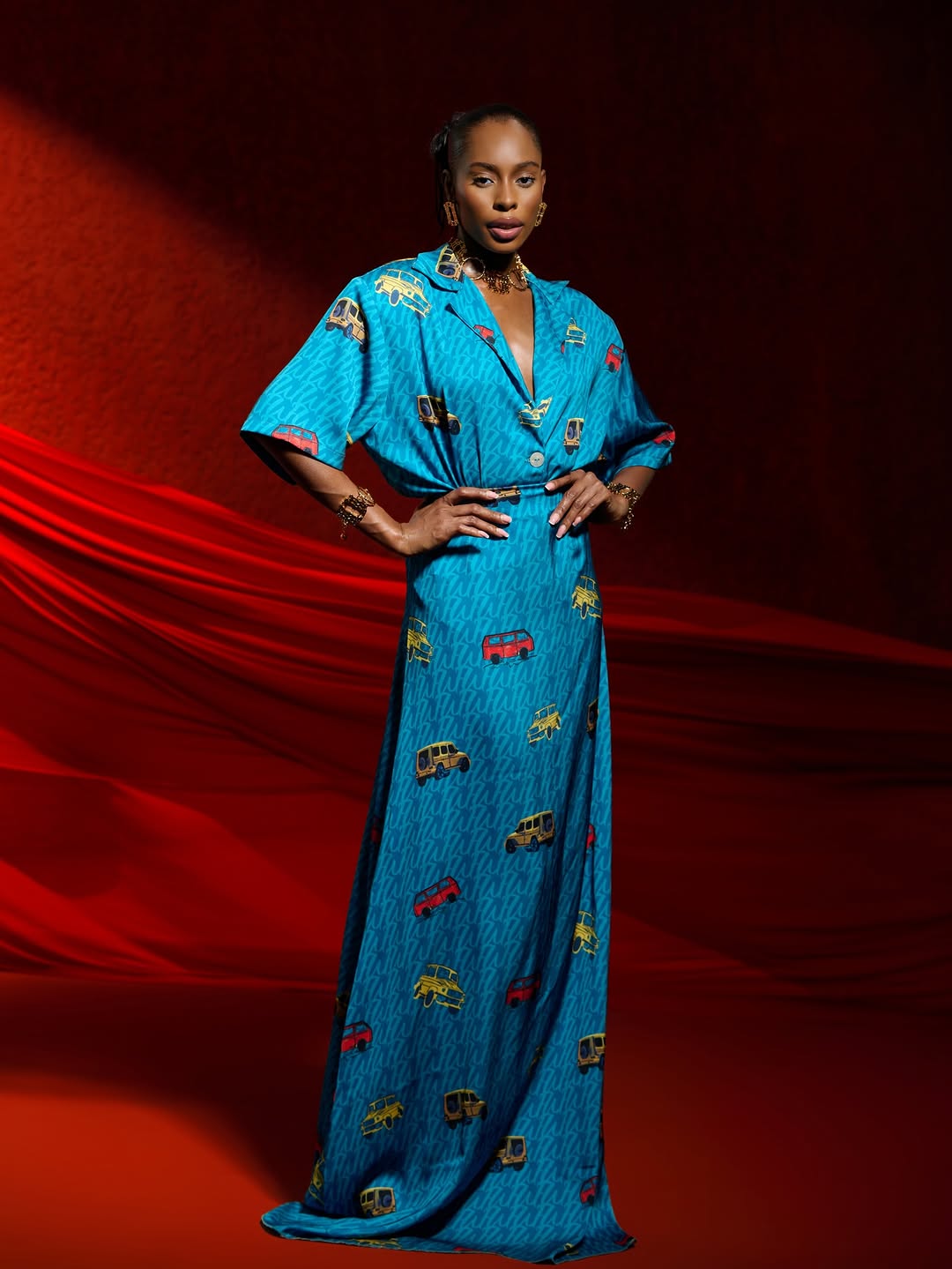
Culture has always shaped fashion, but today, the algorithm shapes culture back. Platforms like Instagram have amplified Nigerian fashion beyond borders, offering unprecedented visibility. At the same time, they have introduced a new pressure — the demand to perform aesthetically for the screen. The runway is no longer confined to physical spaces; it now lives inside a scroll, existing in constant negotiation between heritage and hype.
Walk through any major Nigerian city today; Lagos, Abuja, Port Harcourt — style is everywhere. Fashion has always been part of everyday life. Nigerians dress with intention. Our clothing communicates culture, identity, celebration, and pride.
However in recent years, something has changed.
Fashion is now created for the screen first. Outfits are now imagined as content before they are experienced in real life. The background, lighting, pose, and even colour choices are often influenced by how the look will perform online.
Social media, especially Instagram — has quietly become a new runway. Fortunately and unfortunately, this shift brings both opportunities and challenges.
The Positive Impact: Visibility, Access, and Global Reach
One of the biggest advantages of social media is visibility. Platforms like Instagram have given Nigerian designers and fashion creators access to global audiences without relying solely on physical stores, fashion weeks, or traditional media.
A designer in Lagos can now reach clients in London, New York, or Johannesburg instantly. A small brand can grow quickly if its content resonates online. Creativity that might once have remained local can now travel across continents.
Social media has also democratized fashion. You no longer need to be part of a major fashion house to be seen. Emerging designers, stylists, and influencers can build their brands independently. Talent, presentation, and consistency matter more than location.
Another positive impact is cultural amplification. Nigerian fashion — especially traditional textiles like Aso Oke, Adire, and Ankara — can now be showcased to a global audience. Social media allows creators to highlight craftsmanship, heritage, and storytelling in ways that were not as accessible before.
When used intentionally, these platforms can promote identity rather than erase it. They can also preserve culture while introducing it to new markets.
The Negative Impact: The Pressure to Perform
However, the rise of social media has also introduced pressure. Fashion success is increasingly measured by engagement — likes, shares, views, and comments. A design is no longer evaluated only by craftsmanship or quality, but also by how well it performs online.
This creates a new standard. Outfits must be photogenic. They must stand out in a scroll, and must fit the algorithm.
As a result, some styles begin to look similar. Neutral tones, minimalist backgrounds, structured poses, and globally influenced aesthetics dominate many fashion pages. While there is nothing wrong with polished imagery, repetition can gradually reduce originality.
Traditional Nigerian fashion has always been expressive. Bold colours, dramatic silhouettes, layered fabrics, and intricate detailing were part of its identity. But online platforms often reward simplicity and visual consistency.
Over time, creators may begin adjusting their style to match what performs best digitally.
The risk is not influence itself — fashion has always evolved through exchange. The real concern is when imitation replaces interpretation.
Instead of adapting global trends into something uniquely Nigerian, some designs may simply replicate what is already popular elsewhere. When this happens, fashion can start to feel disconnected from local identity.
Creativity in the Age of Content
Social media has also changed how fashion is consumed.
Before platforms like Instagram became dominant, fashion influence spread through events, communities, weddings, and personal reputation. A well-made outfit gained recognition through word of mouth and real-life interaction.
Today, visibility can spread instantly.
This speed encourages creativity — but it can also encourage repetition. If a certain style gains traction online, it may be reproduced again and again to maintain engagement.
Young designers, especially those building their brands, may feel pressure to follow trends rather than experiment. The fear of not being noticed can influence creative decisions.
In this environment, fashion becomes content first, and clothing second.
That shift does not eliminate creativity, but it changes its priorities.
The Strength of Nigerian Fashion Heritage
Despite these challenges, Nigerian fashion remains rooted in strong cultural foundations.
Traditional fabrics such as Aso Oke, Adire, and Ankara carry history, identity, and craftsmanship. These materials represent communities, stories, and generations of design knowledge.
Many contemporary designers are finding ways to merge tradition with modern silhouettes. Instead of abandoning heritage, they reinterpret it. They create structured gowns from traditional fabrics, modern suits from local textiles, and innovative streetwear inspired by cultural prints.
This blend of old and new is where Nigerian fashion often shines most.
Social media, in this sense, becomes a stage for cultural evolution rather than cultural loss.
When tradition is presented with confidence online, it can reach audiences far beyond Nigeria. The same platforms that encourage trends can also amplify authenticity.
The truth is social media is not going away. It will continue to influence how fashion is seen, shared, and evaluated. So the question is not whether Nigerian fashion should resist it — that would be unrealistic.
The more important question is how it is used.
Platforms like Instagram can either flatten creativity into trends or expand it into storytelling. They can encourage imitation or elevate originality. The difference lies in intention.
When designers choose identity over replication, social media becomes a powerful tool. It can showcase culture, celebrate craftsmanship, and introduce Nigerian aesthetics to the world.
The challenge for Nigerian fashion is balance — using digital platforms for visibility while preserving cultural depth. When creativity remains grounded in identity, social media becomes a bridge rather than a replacement.
And in that balance, Nigerian fashion can continue to evolve without losing the voice that has always defined it.