You cannot truly appreciate your body, or fully embrace your uniqueness, until you understand one fundamental truth: human bodies are not created from the same mold.
With the dominating filters, editing apps, celebrity bodies, and social media trends, it’s easy to believe there is one “ideal” body type. Over time, many women have been conditioned to focus on having a bigger butt, without realizing that shape is just as important as size, and that no single shape is superior to another.
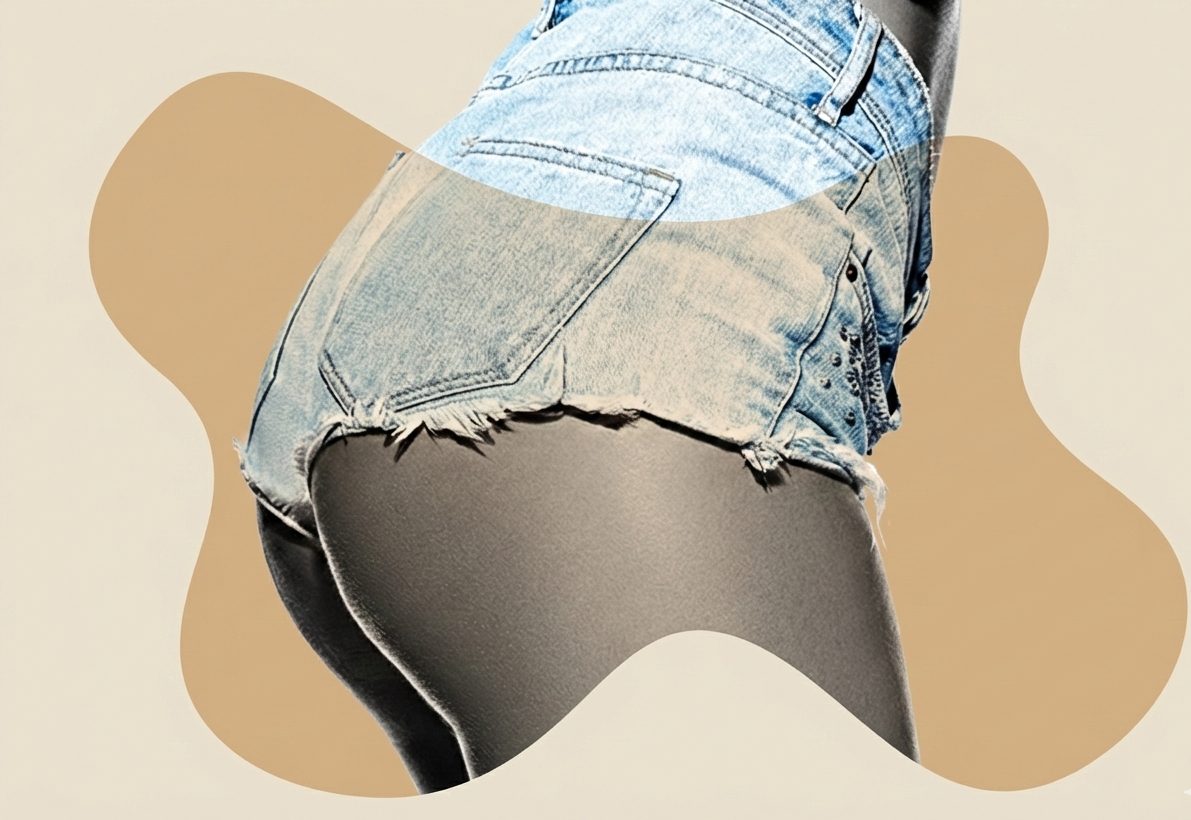
What many people don’t know is that there are distinct butt shapes found across the world, and each one is perfectly normal, natural, and beautiful.
SEE ALSO: Everyone Is Getting a BBL. But Should You?
The Science Behind Butt Shapes
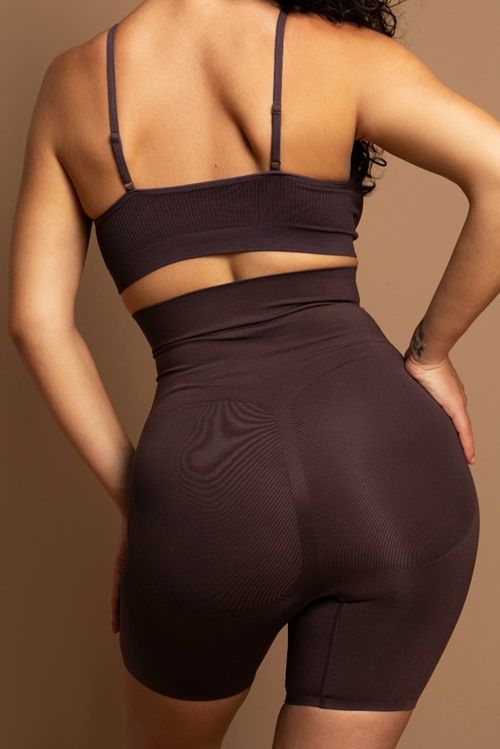
Plastic and cosmetic surgeons have long studied the variations in human body structure, including buttocks. One of the most referenced experts in this field is Dr. Matthew Schulman, M.D., a board-certified plastic surgeon.
After examining over 50,000 patients across more than 35 countries and almost every state in the United States, Dr. Schulman concluded that butt shapes generally fall into a few broad categories. According to his findings, these variations are shaped by a combination of factors including genetics, which largely determine body structure; bone structure and hip placement, which influence overall propoYrtions; muscle mass, particularly in the gluteal region; fat distribution patterns; age-related changes in the body; and lifestyle and nutrition, which affect muscle tone and fat storage over time.
SEE ALSO: How To Love Your Body More When You Don’t Feel Beautiful
In other words, your butt shape is not random, it’s a result of biology, structure, and life itself.
Why Knowing Your Butt Shape Matters
Understanding your butt shape goes far beyond vanity.
Just like knowing your breast shape or body frame, identifying your butt shape can be one of the quickest ways to improve your confidence and body image. When you know your body better, you stop fighting against it and start working with it.
SEE ALSO: From Hourglass to Rectangle: What’s Your Body Type?
Knowing your butt shape helps you:
- Choose clothes that fit and flatter you better
- Understand why certain styles work (or don’t)
- Stop unhealthy comparisons with unrealistic body standards
- Appreciate your natural proportions
- Feel more confident in your skin
- From our faces to our feet, no two people are built the same, and that diversity is exactly what makes beauty universal.
The 4 Common Butt Shapes in the World
1. Round or O-Shape Butt
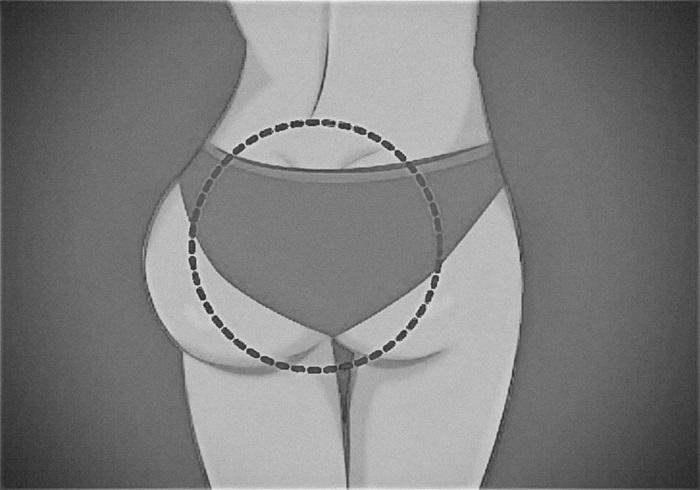
The round butt is often associated with what people casually call a “big booty.”
This shape is defined by even fat distribution across the butt cheeks, along with fuller hips. From both the side and the back, the curves appear smooth and circular, creating a rounded silhouette that resembles the letter “O.”
People with this butt shape often notice fullness at both the top and bottom of the butt, which creates a naturally lifted appearance. This shape tends to stand out in fitted dresses, jeans, and body-hugging outfits.
It’s important to note that while this shape is highly celebrated in pop culture today, it is simply one of many natural body variations, not the gold standard.
2. Square or H-Shape Butt
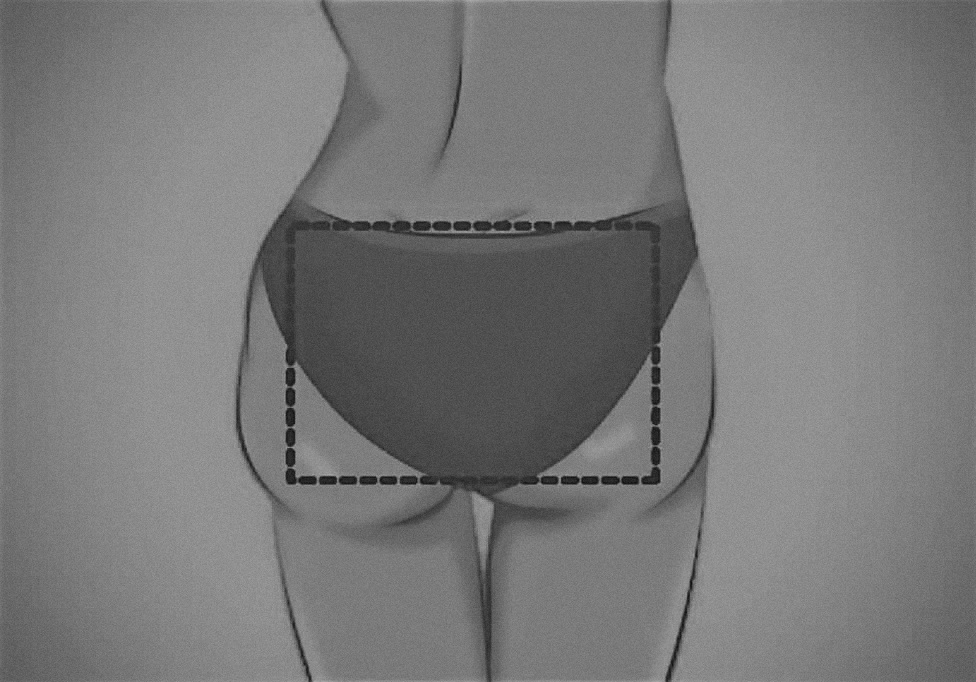
With a square-shaped butt, the line from the hip bone down to the outer thigh runs almost straight.
This shape is characterized by more prominent hip bones and less outward curve at the sides. Often, the lower portion of the butt appears fuller or heavier than the upper part, giving it a boxier look when viewed from behind.
Square-shaped butts are especially common among:
- Younger women
- Growing girls
- Women with higher hip placement
As the body matures, hormonal changes and fat redistribution may cause this shape to become more rounded over time. It’s also a shape that responds well to glute-focused exercises.
3. V-Shape Butt
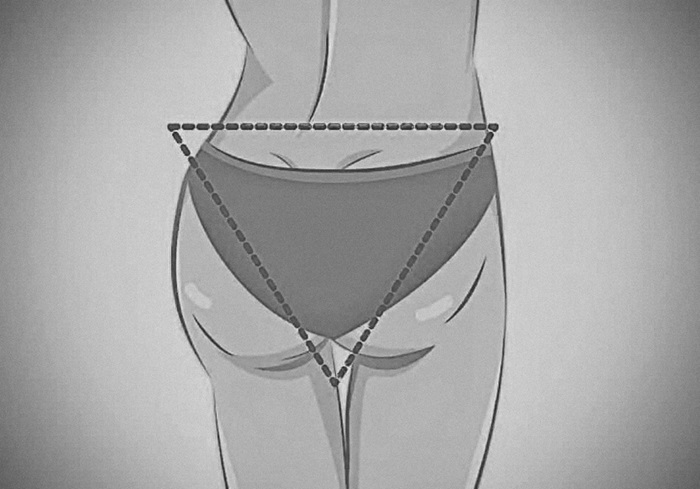
The V-shaped butt is commonly seen in women with broader shoulders and narrower hips.
In this case, the line between the pelvis and hips angles inward, forming a V-like appearance. There is typically less fat stored in the hips and lower butt area, with more weight carried in the upper body.
This shape is completely normal and often influenced by genetics and skeletal structure. While it may not appear as “full” as other shapes, it carries its own elegance and balance, especially when styled intentionally.
4. Heart or A-Shape Butt
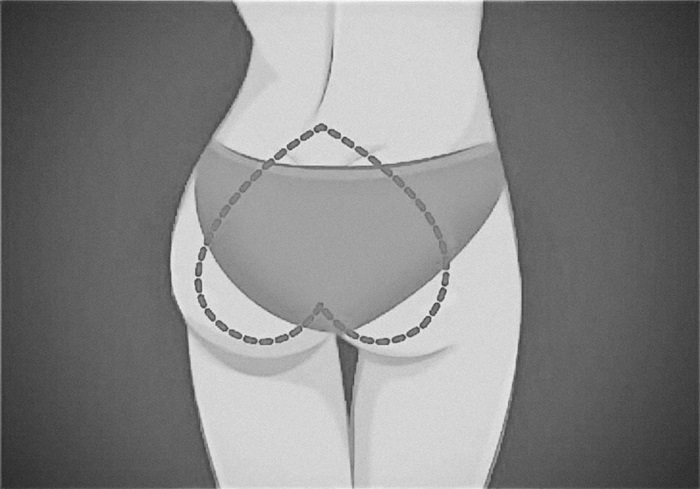
The heart-shaped (or A-shaped) butt is very common among women with pear-shaped bodies and wider hips.
This shape is defined by greater fat distribution in the lower portion of the butt and upper thighs, with less fullness at the top. When viewed from behind, the bottom appears fuller, creating a soft heart-like or triangular shape.
This butt shape often gives the illusion of curvier hips and is naturally suited to flared pants, high-waisted styles, and fitted skirts.
Can You Change Your Butt Shape?
The short answer: your natural butt shape is largely determined by genetics, but its appearance can evolve.
Several factors influence how your butt looks over time:
Genetics
About 70% of your body structure is inherited. This includes bone placement, muscle shape, and fat storage patterns.
Age
As you age, fat distribution and muscle tone change. The butt may lose volume, appear flatter, or shift in shape due to hormonal changes and reduced muscle mass.
Lifestyle and Nutrition
What you eat affects how fat is stored in your body. Poor nutrition can lead to muscle loss, while balanced diets support healthier body composition.
Exercise
Strength training, especially glute-focused workouts, can:
- Improve firmness
- Add lift
- Enhance shape
- Prevent sagging
While exercise may not completely change your natural butt type, it can enhance the best version of what you already have.