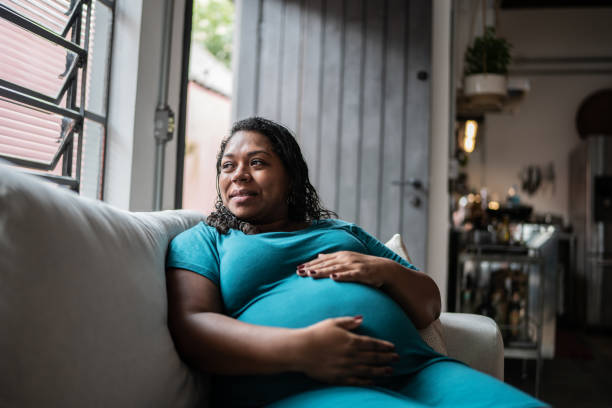
The pressure on new moms to snap back after childbirth is one of those serious conversations we must have. Shedding baby fat and letting go of that postpartum body, one that took over 9 months to accumulate, is a struggle new moms silently battle.
Conversations about a woman’s postpartum body are very common among single ladies, because these are aspirations for when they become moms. This phenomenon also sparks fear in women for how their bodies are going to change forever. As a new mom, the societal expectations to lose baby fat quickly can be quite heavy. There is constant scrutiny of your body, dietary tips and remedies, dos and don’ts; everyone feels like they have a license to advise you on the postpartum journey.
The reality of postpartum bodies
In the age of social media and content creation, celebrity “postpartum body” reveals have extended the pressure beyond relatives and the immediate community to the digital world. What social media, particularly influencers, often fail to share are the behind-the-scenes struggles of trying to “snap back in no time.” Behind the filters and the glam look lies the silent truth—healing takes time, and no two journeys are the same.
While healing and self-care are important, external pressure can threaten your physical and emotional well-being. Your body will change after giving birth, but take your time and do what’s best for you and your baby. As a mother, you must care for your postpartum body.

The snap-back culture
What is snap-back culture? Snap-back culture is the societal glorification of women who return to their pre-pregnancy bodies in very little time after childbirth. The effect of this contributes to body image concerns and can negatively impact postpartum mental health, causing women to focus on these standards rather than individual recovery.
With the pressure of snap-back culture, new mothers need to start learning to accept their reality. Remember, a new life now depends on your overall well-being and health. So, choose yourself and heal without shame. Ignore the postpartum photoshoots, endorsements, and body-shaming disguised as “motivation.” What is meant to be a resting and bonding period with your baby has now become a race against the clock.
Truthfully, African mothers have postpartum body rituals that dictate the dietary needs and remedies for a new mom, but the society is now discarding that for waist trainers and surgeries. The gym junkies are a harmless influence if you give your postpartum body time before you join the bandwagon.
What happens after childbirth?
Every woman’s body changes during pregnancy, just as it will respond to postpartum recovery differently. After childbirth, your postpartum body will undergo several natural changes, like
- Vaginal bleeding and discharge for up to six weeks.
- Uterine contractions that cause bleeding and can feel like menstrual cramps as your uterus returns to its pre-pregnancy size.
- Weight gain or weight loss depending on your body.
- Stretch marks, sagging skin, and scars, especially after a C-section.
- Hormonal changes that can cause mood swings, acne, constipation, and hemorrhoids.
- Fatigue and pain
- Sometimes hair loss.
P.S: I recently found out that women shiver, mostly in the first 24 hours after childbirth, especially after CS births.
The pressure on mothers
While the baby gets showered with gifts and prayers, the mother’s postpartum body goes under the public lens of scrutiny and criticism. However, this obsession with snap-backs comes with a cost. It’s a culture that pretends to be about health but often promotes perfection at the expense of healing.
Imagine being sleep-deprived, adjusting to a newborn, trying to find the rhythm of feeding your baby, and being told, “During our time, women tied their bellies.” The pressure is not just unfair; it’s unhealthy. Doctors recommend giving the postpartum body at least six weeks before beginning any structured exercise. For some women, it takes months, even years, to feel strong again, and that’s okay.
Mothers put themselves at risk from unsafe slimming practices. The constant comparisons and early obsession with fitness take an emotional, physical, and mental toll on women, which can lead to depression and hinder bonding with their babies.
What if the change in your postpartum body were celebrated as badges of honor, rather than imperfections?
Just so you know, that postpartum body you badly want to get rid of is celebrated in some traditions as a symbol of health, fertility, and wealth. Redefine your beauty by recognizing that your worth as a woman is not measured by your waistline or FUPA.
Dear new moms:
- Heal first; the gym can wait.
- Eat to nourish, not just to shrink.
- Move gently.
- Filter your social media feed if need be.
- Seek support both professional and from loved ones.
- Affirm yourself daily.
Just because someone you know snapped back almost immediately with minimal effort doesn’t mean you are a failure. Remember, you are evidence of life-giving strength; snapback should never outweigh self-care and recovery.