
Let’s take a quick dive into the unspoken financial burden of menstruation for women in 2025.
The Price Tag of Womanhood
That time of the month is not just about the discomfort of menstruation but also the cost of going through it. An average woman’s monthly budget typically includes expenses set aside for sanitary pads or tampons, pain relief medication, and other self-care essentials.
Periods are a natural, biological process, but they are accompanied by financial and emotional costs for women. If periods are natural, why does it cost so much to bleed? In 2025, menstrual cost is still a huge burden for African women, especially those living in low-income communities.

Tampons cost about ₦7,500 in Nigeria, and a pack of sanitary pads now costs ₦1,500. Some women use more than one pack per month. If we are to do the math for sanitary pads, multiplied by 12 months, that’s over the cost of tampons, about ₦15,000 on average.
Bear in mind that on the list of sanitary items, pads are a cheaper option for most women. Sanitary cups are cheaper long-term, but they are not always accessible in certain areas, plus some people have not been able to build the level of comfort it requires. With the current economic situation, menstrual products are slowly becoming a luxury rather than the basic necessity they should be.
Pain Management
For some women, a simple dose of painkillers will do the trick when the pain comes. While others might need heating pads or a warm bottle. For women who deal with severe cramps and headaches, they might need supplements or a doctor’s visit, especially women dealing with health conditions like PCOS.
In cases like this, periods involve more than just painful cramps; they represent a monthly struggle for survival.
Hygiene & Comfort Essentials
Periods may have you bathing more than the regular ‘twice a day.’ Changing underwear, using more detergent for washing in case of leaks, and sometimes new bedsheets are hygiene needs. Little things like these add up to the monthly budget.
Work & Productivity Effect
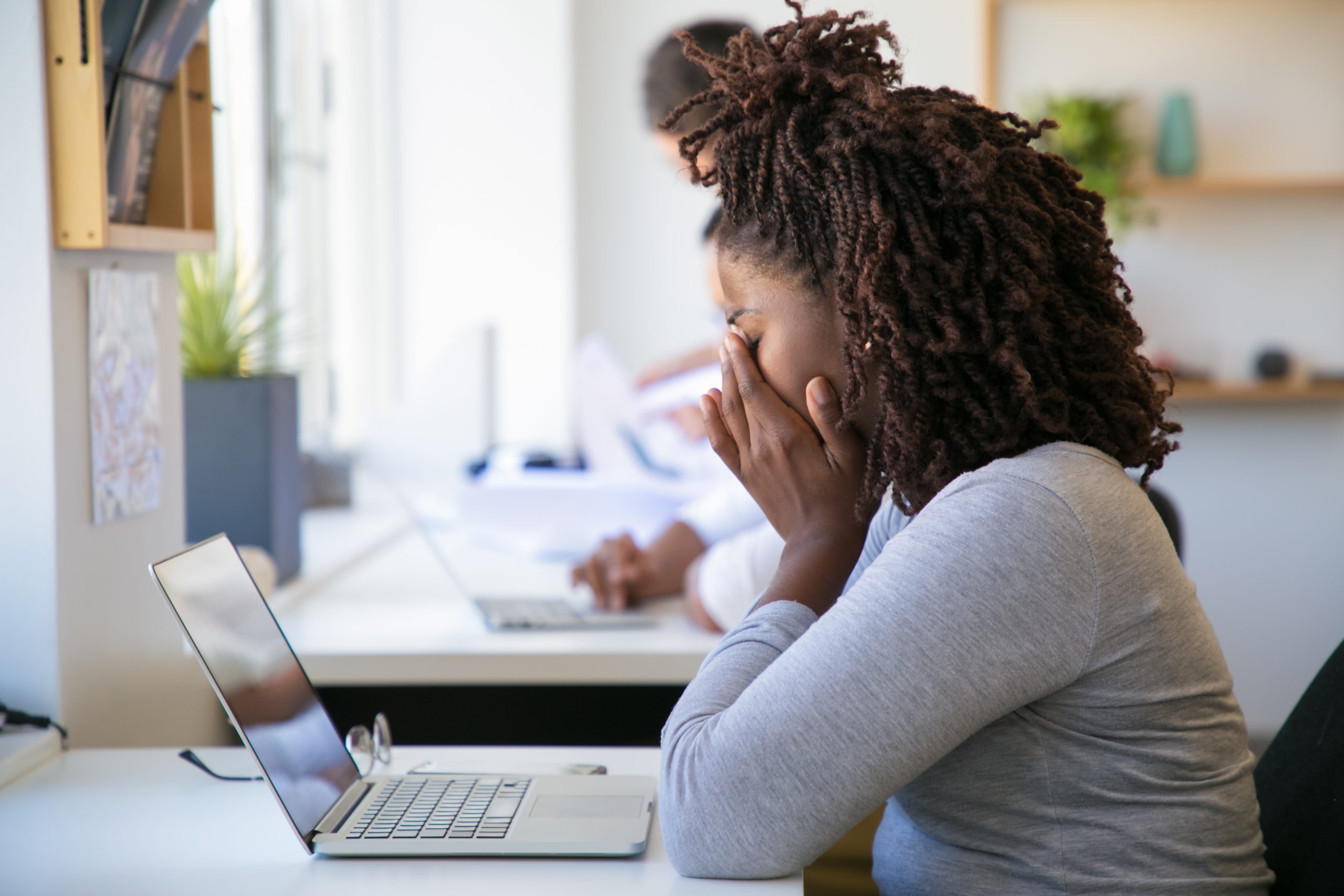
Imagine missing work for some days every month because of excruciating pains, or having to get drips from the hospital. Women with fibroids that bleed heavily have no choice but to deal with their condition at home. Time and sometimes opportunities will be lost.
SEE ALSO: Easy Herbal Teas To Relieve Menstrual Cramps
Some women miss opportunities because their menstrual cycle prevents them from functioning in a particular role or working long distance. Sometimes, it gets difficult to concentrate at work when you are on your period. These factors can affect productivity.
Period Poverty
I understand that our attention is primarily on women with modest incomes. But can we take a moment to address the girl child that falls in this same bracket? There are girls in rural communities who cannot afford sanitary products, which makes them use unsafe alternatives like fabrics, tissues, and paper.

Period poverty is real. These girls miss school because they can’t afford hygienic menstruation. For these girls, attending school during their periods means being extra careful to avoid any potential leakage.
A 2024 UNICEF article spotlighted the challenges Nigerian girls face with menstrual hygiene and missing school during their periods. The problem isn’t just money; it’s also shame.
The Cost of Silence
In many places, menstruation is still whispered about like a dirty secret. The cultural stigma of being silenced to “have some shame” rather than talk about menstruation. We should talk about it at home, in schools, and in public and policymaking spaces.
Many women are embarrassed to buy pads in public. Men don’t even want to be associated with the thought of it. By initiating conversations that educate women about their periods and related care, we can address half of the issues linked to menstrual health; the other half pertains to the cost of period products.
The emotional and social impact of periods extends far beyond financial costs. There are the premenstrual symptoms, the anxiety of stains, the discomfort of cramps, and the embarrassment of having open conversations about it.
Having to endure period stress in public can cost young girls their self-esteem. They can grow up feeling ashamed about something so natural, which can affect how they view their body.
What Can Be Done?
To make periods affordable and dignified for women, government action and NGOs, as well as efforts from brands and local entrepreneurs, should be considered. The government should treat menstrual products as essential health items, remove VAT, and support local production. Brands and local entrepreneurs can create affordable, eco-friendly options, while individual efforts or NGOs can involve open discussions, donations, and education.
And until we fix that, women will keep paying the price for something they never asked for.