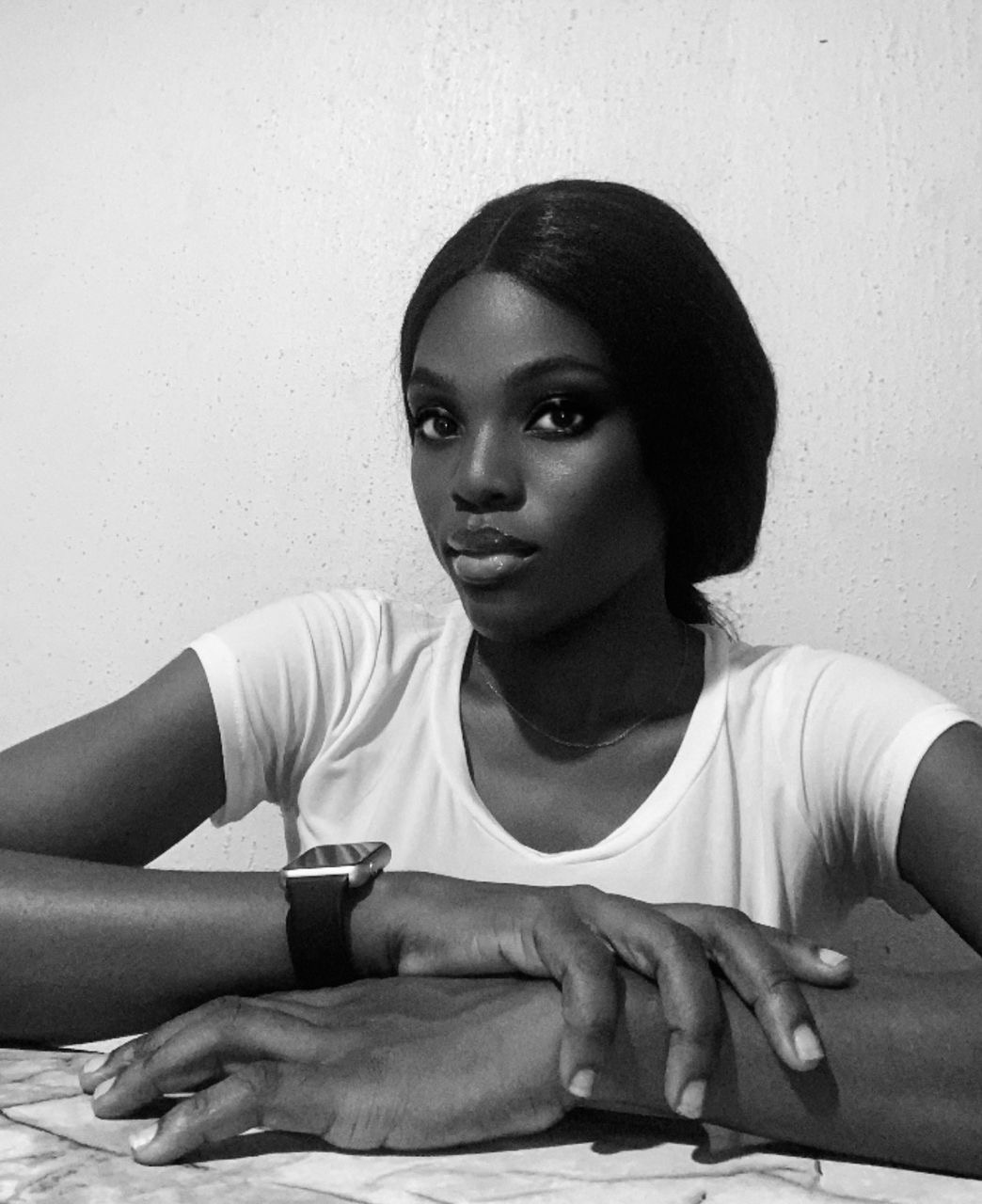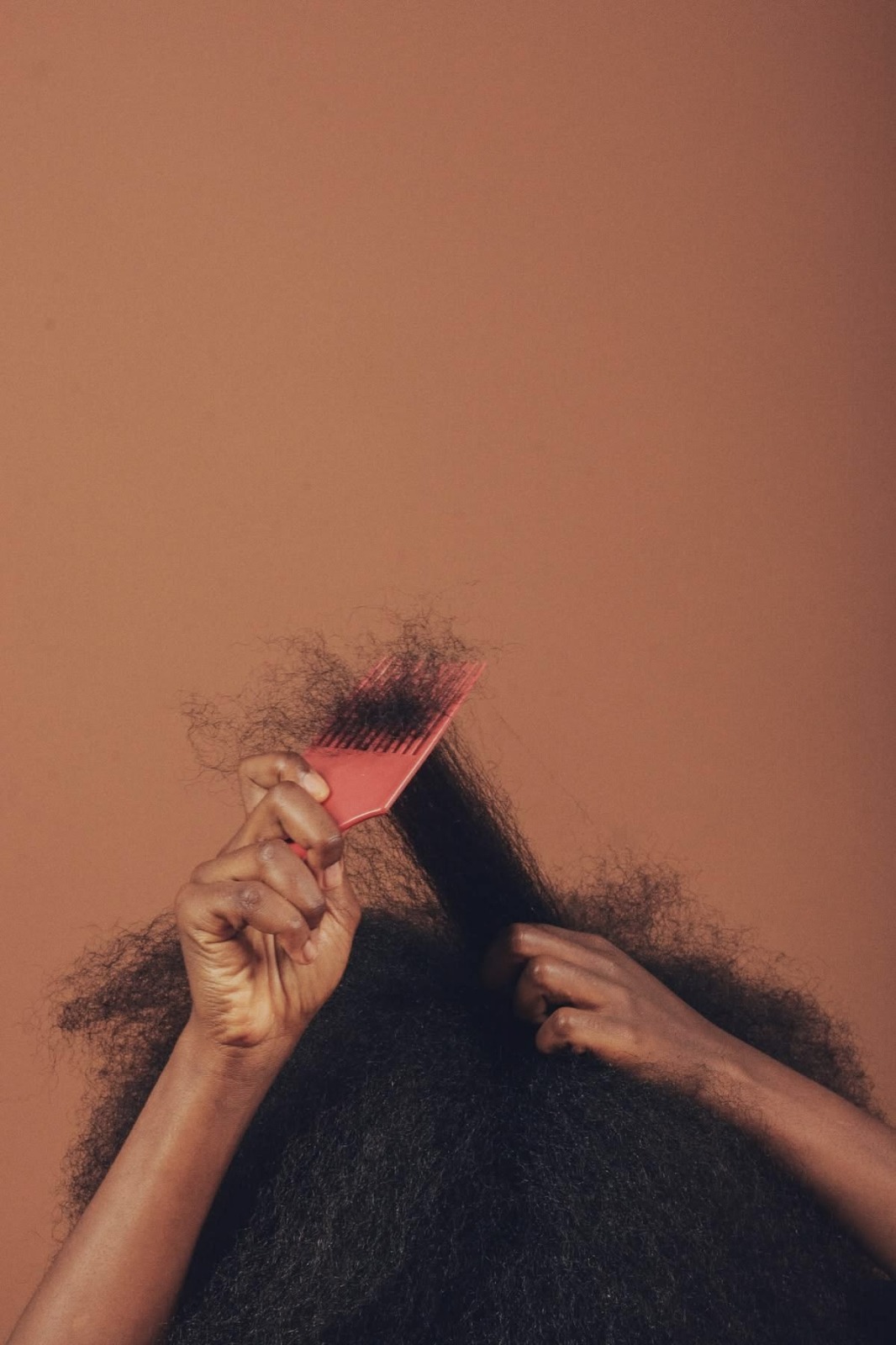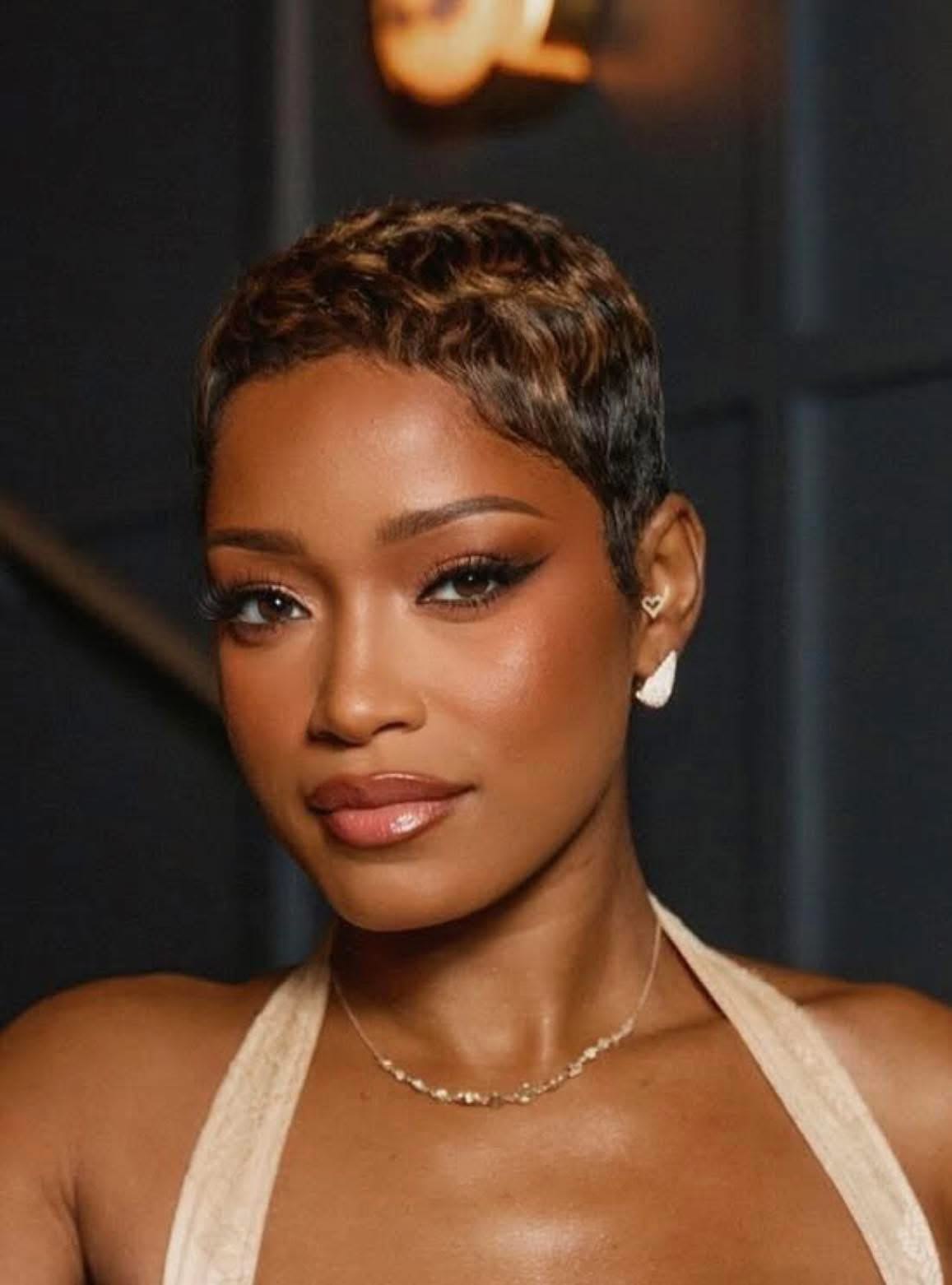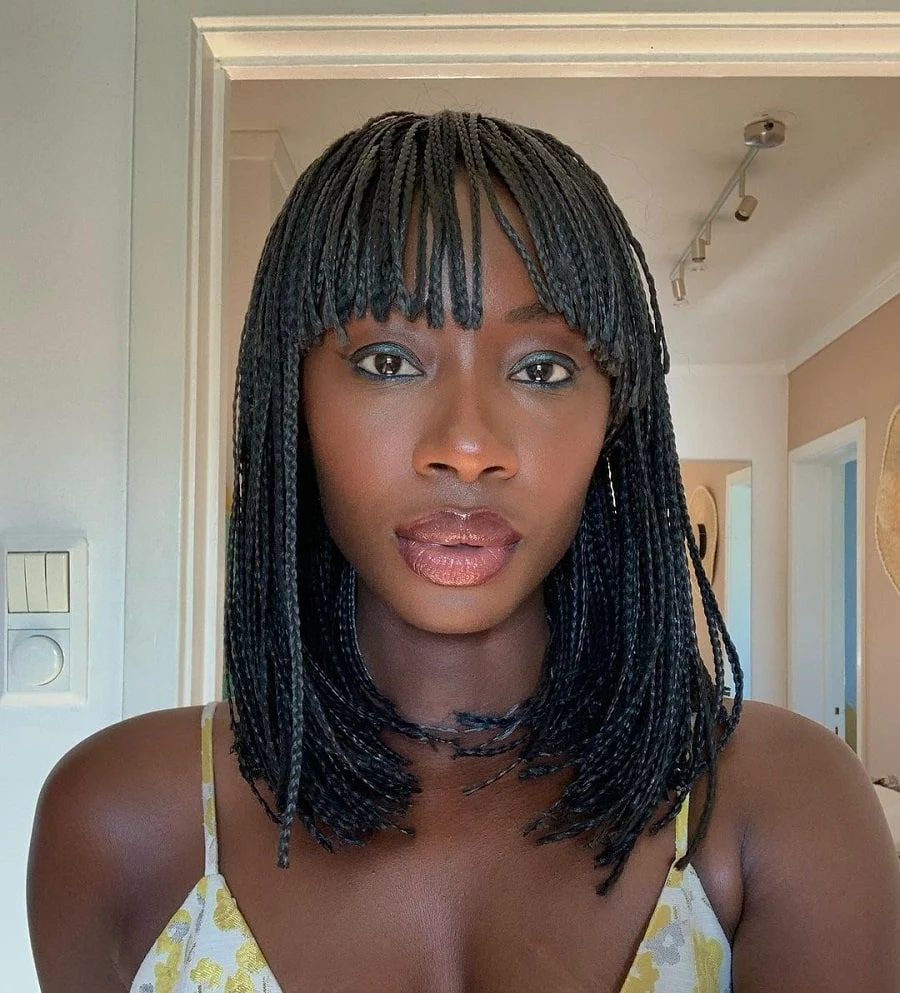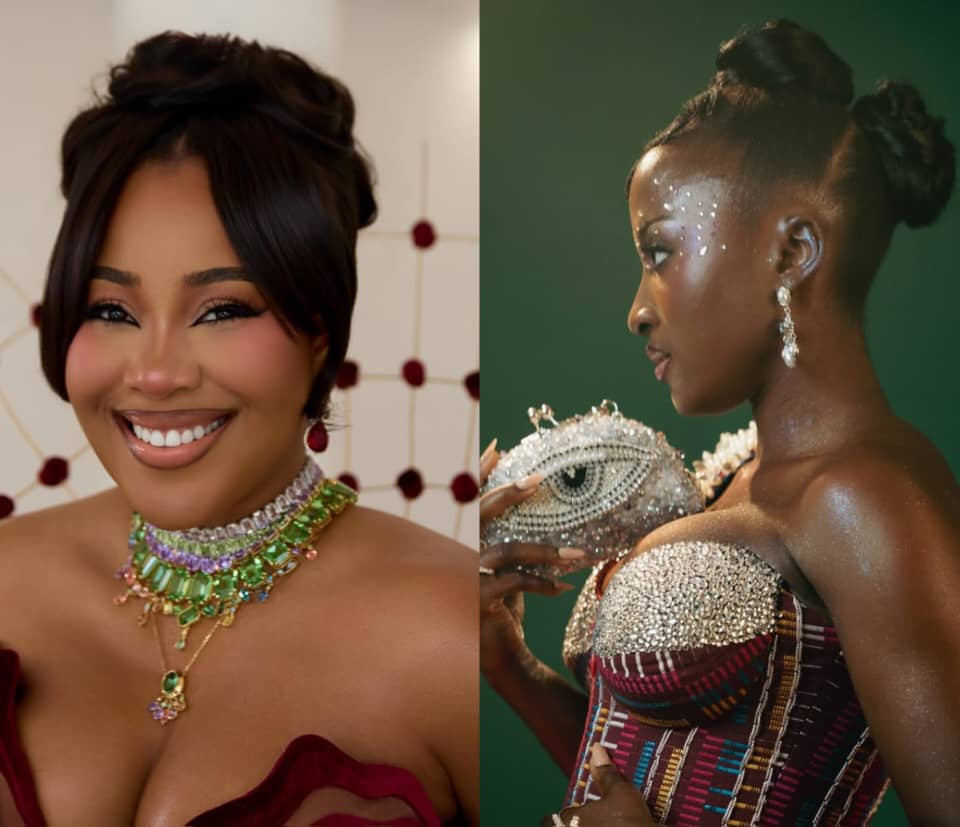
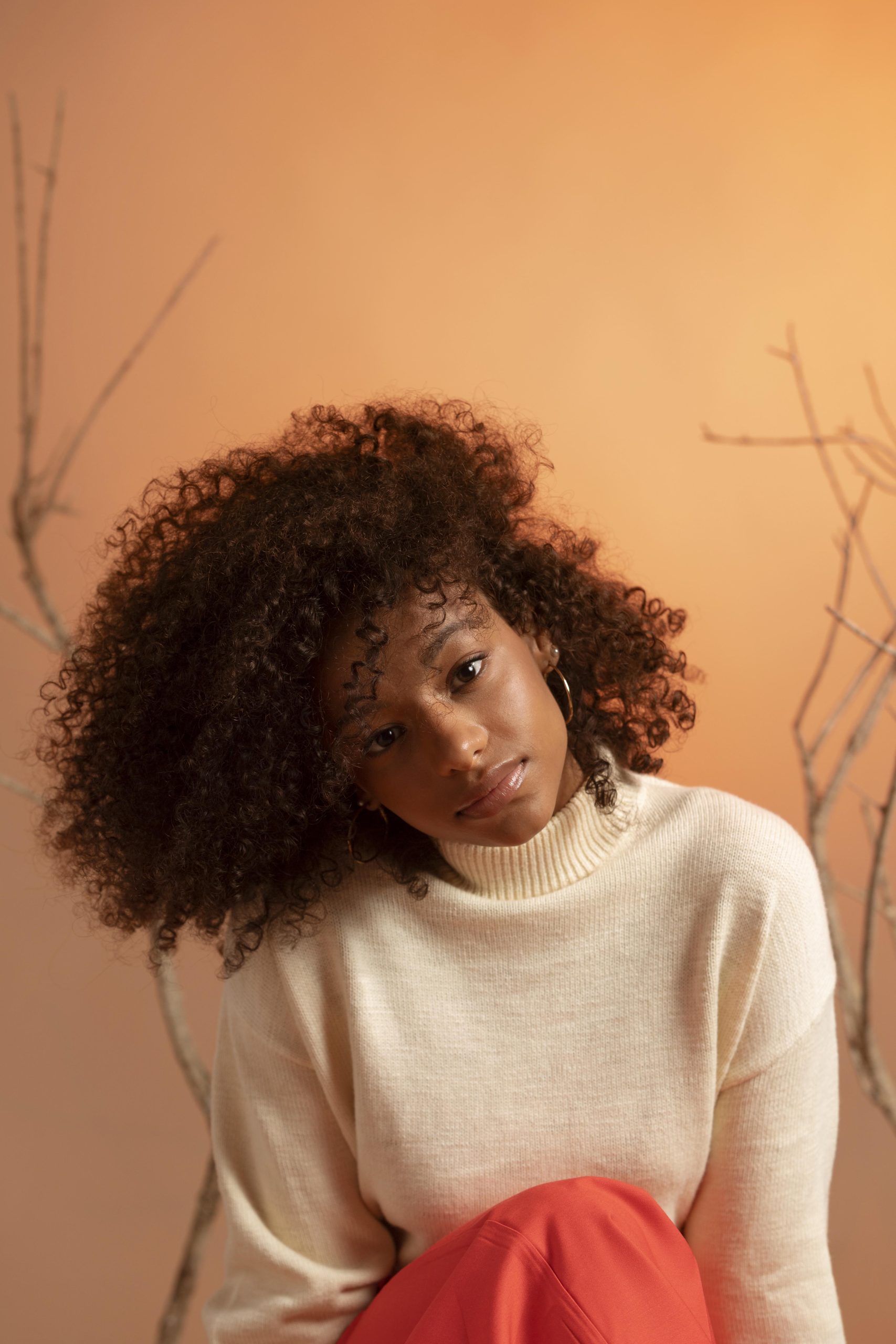
Sew-ins are back in style, and recently, stylists have mastered how to blend sew-ins to achieve a lush finish that can be so enticing. There is something surreal when you blend sew-ins flawlessly. It always draws admiration from people. You can be having a conversation with someone, and they stop midway to ask, “Wait…is this your real hair?” This is a top compliment for an African woman.
Trying to blend sew-ins is beyond hair bundles. It’s more about creating a beautiful look that still protects your natural hair. If we’re being honest, trying to blend sew-ins can feel like forcing two people with different backgrounds and personalities to get along. It’s not going to be easy.
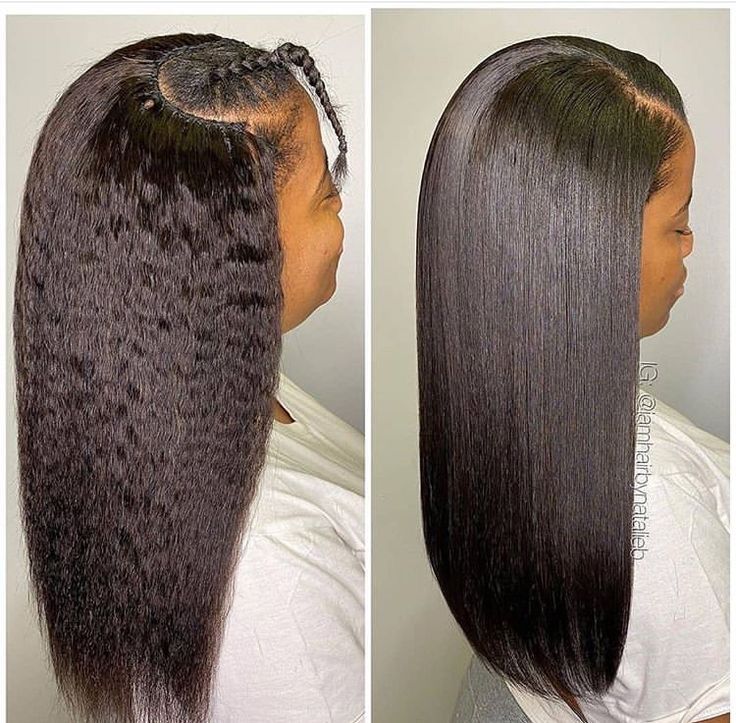
Your hair could be shrinking while your bundles are showing off with flair. The textures don’t match, and what is supposed to be natural-looking becomes an exposed secret by afternoon. However, when it is done right, it’s near perfection.
Read Also: 5 Braid Styles We Are So Loving Right Now
What are sew-ins?
Sew-ins are hair extension styles where the natural hair is braided into cornrows as the base, and the extensions are sewn onto the braids with thread and needle. It is a popular choice because it is a long-lasting, protective style that helps minimize the damage of daily heat styling.
“Blending sew-in” refers to how your natural hair, also called the “leave-out,” matches the hair extension seamlessly in a way that the tracks disappear.
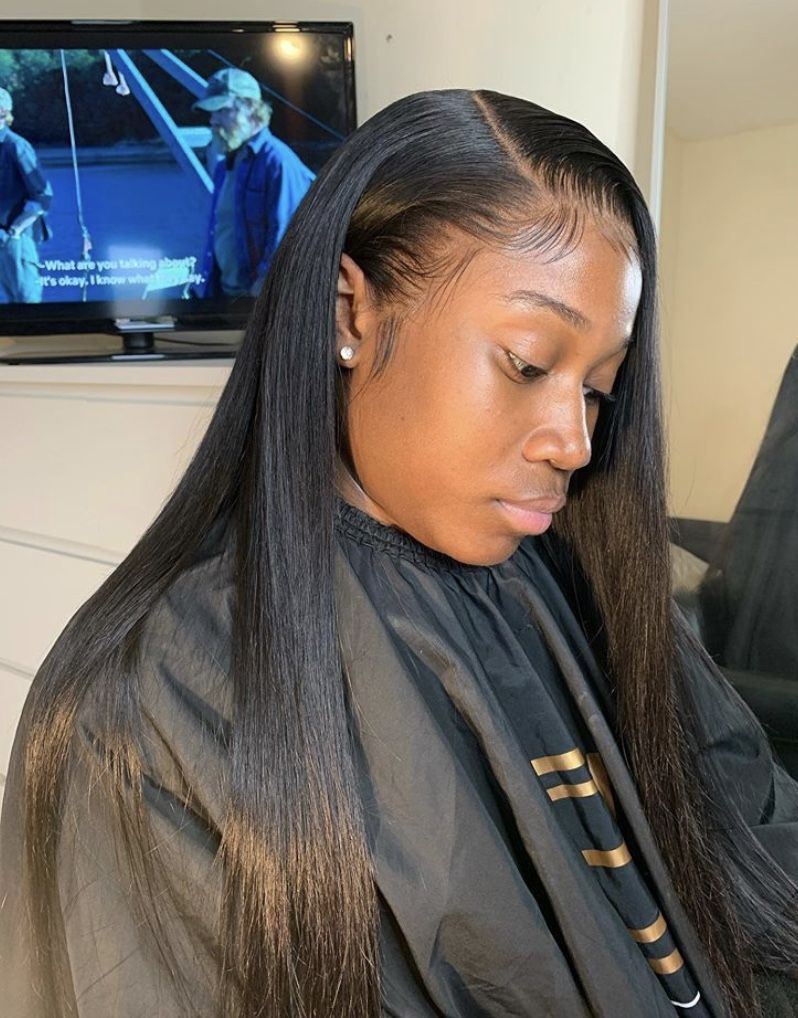
There are different types of sew-ins, but traditional and closure are the two major choices. The traditional sew-in leaves a small portion of natural hair out at the part or hairline to blend with the extensions. In a closure sew-in, all your hair is braided, and the leave-out will be replaced with a lace closure. Other sew-ins are partial, full, versatile, frontal, versatile closure, vixen, micro-link, and track-by-track.
How To Blend Sew-in Flawlessly
A perfect blend starts before the stylist even touches a needle and thread. Most women focus only on the hair extensions, without bothering about texture matching. And this is why many sew-ins either fail or shine. African hair is textured in unique ways. Imagine forcing silky, bone-straight hair on frizzy hair without a long-term plan in sight. The best sew-ins blend with your natural hair rather than isolating from it. It is advisable to match your hair and the extension in the right texture and color.
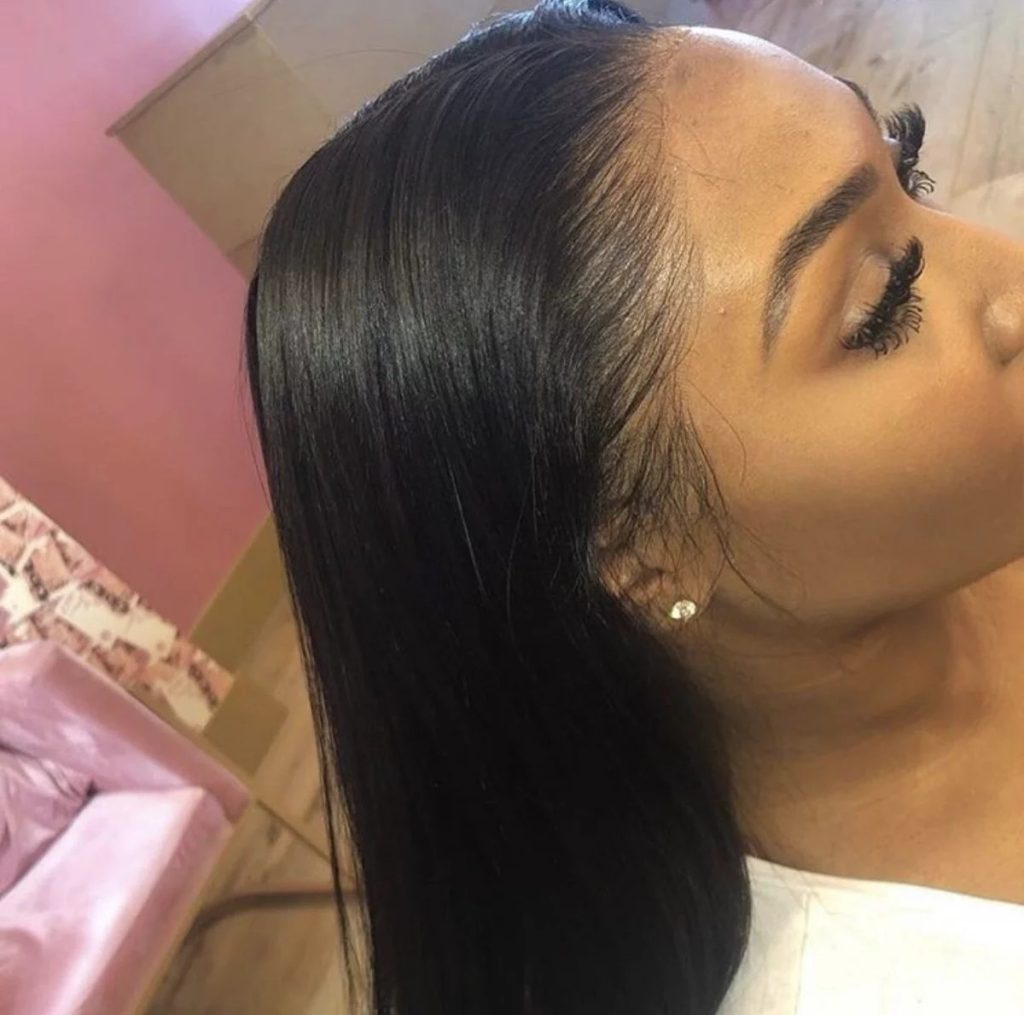
Firstly, match the hair textures. And that means your hair and the extensions of choice. Make sure the extension you are going for mimics your hair closely. If you have kinky or coily natural hair, textured extensions like kinky straight, Afro kinky curly, or soft coils are far better options than straight hair. If the textures are different, you may need flexi-rods (bending rollers) or heat styling to marry them together.
Go ahead and prepare the leave-out. Remember to protect your hair. Always apply a good heat protectant before using flat irons or curlers on your natural hair. Use a flat iron or hot comb on small sections while simultaneously brushing it out with a fine-toothed comb to get the roots of your leave-out to get a flat and sleek look.
The blending technique is where the trick is. Take small sections of your natural hair and combine them with small sections of the extension hair, curling or straightening them together. There will be stubborn edges or flyaways. To tame them, apply a small amount of edge control or hair wax directly to the part and roots, then smooth it down with a fine-tooth comb to blend into the weave. Finish with a lightweight serum or holding spray to make the shine match.
Read Also: How to Make Your Hair Extensions Less Toxic
Blending Hack
For daily maintenance, if you are wearing curly extensions, avoid over-straightening your natural leave-out. Instead, braid or twist your leave-out together with the extensions at night using a lightweight setting mousse to twist the curls.
As for leave-out, that tiny hair gets the most attention when creating the illusion. Too much of it will have you struggling every morning before work. Too little, and the sew-in may look bulky or unnatural. The hack is to get just enough strand that blends in naturally.
Deep down, black women don’t want to choose between protective styling and preserving their edges anymore. We are tired of pretending heat doesn’t do more harm than good. We don’t have to install hair that can only be maintained by the hair stylist, leaving us stranded after three days.
Honestly, ladies who truly understand the assignment have mastered heatless blending techniques. Instead of frying your leave-out every morning with a hair straightener, get an extension that is close to your hair texture and style it to blend in rather than stand out.