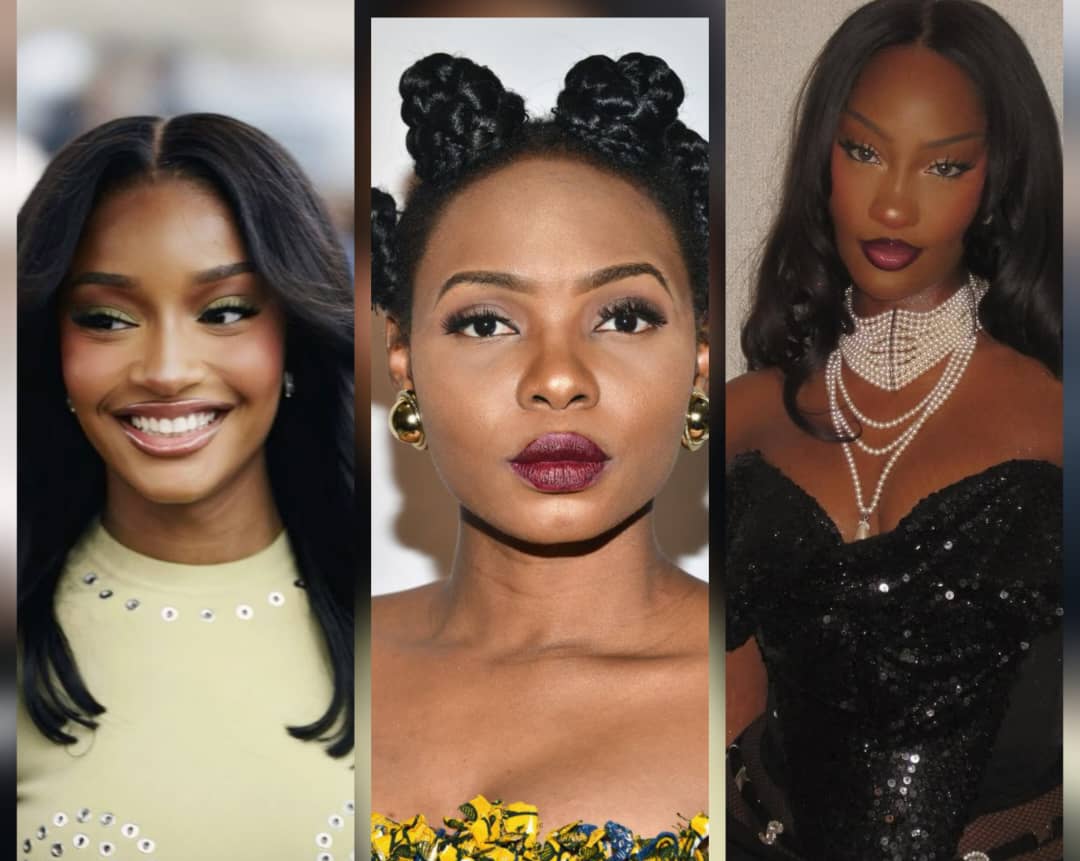
Afrobeat is no longer an emerging sound. It is a global industry, shaping charts, fashion, and culture across continents. From African artists like Burna Boy selling out Madison Square Garden, records dominating international charts, its influence is no longer up for debate.
But for all its growth, the structure of the industry runs on gender imbalance, which doesn’t link to a women’s problem, but a credit problem.
Turn on any major Afrobeats record and women are everywhere.
But presence is not power. Being the subject of the music is not the same as being the authority within it. For most of the genre’s commercial history, the women with the most visibility in Afrobeats were the ones being sung about, not the ones holding the microphone.
Hit songs like ‘Your Waist’ by Iyanya, didn’t celebrate women rather it reduced them to rhythm, to movement, to something to be watched, and it always works. But it reinforces a pattern where women are central to the music without being in control of it.
Who drives the culture?
Before we talk about who is on stage, it is worth looking at who is in the crowd.
Women are the engine of Afrobeats culture. They drive streaming numbers, fill up concerts and start dance trends that take over social media spaces keeping songs in circulation long after release.
Yet the industry has found a way to rely on that energy without returning it in kind.
As DJ Yvonne, an Afrobeats DJ, put it: “Afrobeat loves women when they’re the inspiration, not when they’re in control.”
That tension also plays out visibly in club culture. “In our club scene, it’s always the girls who start the dance challenges,” said DJ Simi Adetoye, a Lagos nightclub promoter. “Yet on stage, it’s men headlining.”
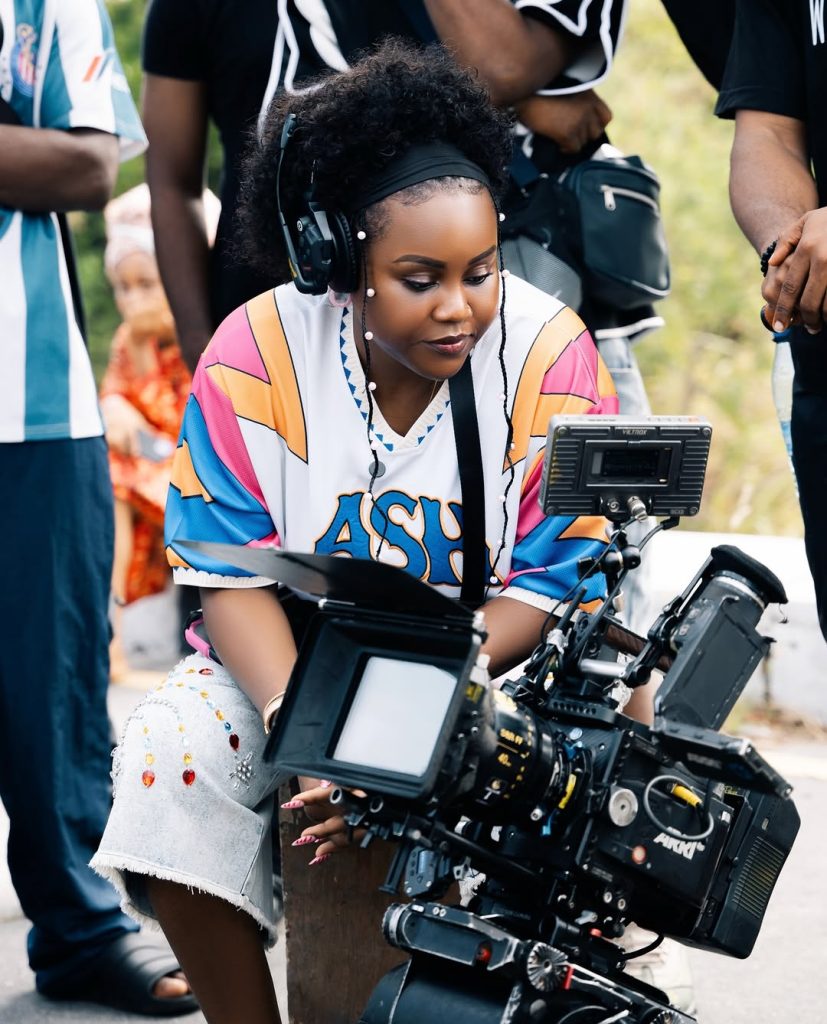
Beyond the audience, women hold the industry together in ways the media rarely stops to document. Music directors like Director Pink are shaping the visual language of the genre. Managers like Jada P are building the careers of its biggest names.
Female DJs are sustaining the nightlife economy that keeps Afrobeats connected to its street-level roots. These are not peripheral roles, and that is precisely why the gap between contribution and visibility is so difficult to ignore.
The imbalance becomes clearer at the highest levels. At the Afro Nation Portugal 2026 official lineup announcement, three Nigerian acts headlined: Wizkid, Burna Boy, and Asake. Not a single Nigerian female artist made the bill. A South African woman, Tyla, filled the lone female slot. The industry’s Big Three — Burna Boy, Davido and Wizkid, are all males. The architecture of the genre has been built around men, even as women hold it up from every other direction.
In his 2024 song, HEHEHE, Rema declared himself part of a new ‘Big Four’. Nobody thought to ask the obvious question. If we are expanding the conversation, where is Tems, The first African artist to debut at number one on the Billboard Hot 100. By any measurable standard, she is up there. But the Big Four is not really about numbers. It’s about who the industry sees as the main character, and in Afrobeats, that has always been a man.
The Women Who Made It Anyway
The story of women in Afrobeats is not a story of absence, it’s a story of what it costs to be present on your own terms.
Tiwa Savage, often called the “Queen of Afrobeats,” has spent over a decade navigating an industry that celebrates her while simultaneously overlooking her.
She became the first woman to win Best African Act at the MTV EMA 2018.
This is a milestone that should have marked a turning point, but it didn’t. The industry’s appetite for her work never fully translated into the kind of consistent recognition her male peers receive as a given. She performed Keys To The Kingdom from the album ‘The Lion King: The Gift’, released in 2019, co-written by Beyonce, at the Coronation Concert of King Charles III. That performance showed just how far she has reached. Still, recognition doesn’t always follow the way it does for her male peers.
Yemi Alade also known as ‘Mama Africa’, a nickname derived from her Sophomore Album. Mama Africa:The diary of an African Woman. She carries a completely different energy, bold, expressive, and deeply rooted in her identity. You see it in her style, her performances, and the way she moves across cultures.
Where Tiwa aimed global, Yemi went pan-African. Multilingual, Afrocentric, rooted in the continent. She turned her 2013 hit JOHNNY into a continental breakthrough and sustained that reach across years with a consistency few artists have matched. She has also headlined the Global Citizen Festival, collaborated with Beyonce, and built an audience that does not depend on Western validation to feel legitimate.
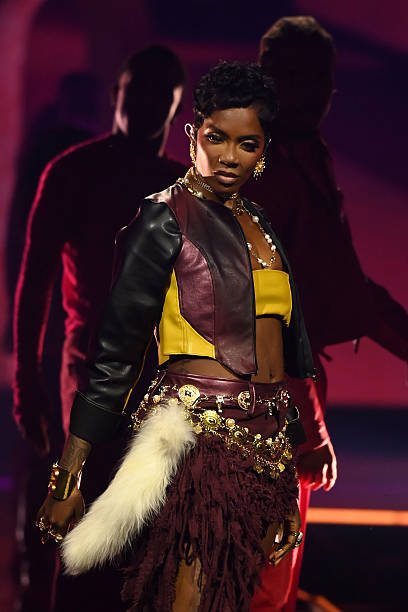
Then came Temilade Openiyi, with the stage name Tems. Early in her career, she was told repeatedly that her sound did not fit the Nigerian market, that the only viable path was to conform to Afrobeats as it already existed. But she didn’t. Tems didn’t just bring talent, she brought her velvety voice and enchanting aura into the industry. She kept making music that felt true to her, and the industry had to adjust around it. But she never pretended it came without a price.
“I realised that there’s always a cost. There’s always a price that you pay. And a lot of those prices I wasn’t willing to pay and there weren’t a lot of options.”
— Tems, BBC interview
Tems became the first Nigerian artist to win multiple Grammy Awards, taking home Best African Music Performance at the 2025 ceremony for ‘Love Me Jeje’
beating entries from Burna Boy, Wizkid, Asake and Davido in the same category. She has written beyond Afrobeats,working with Rihanna on LIFT ME UP for Black Panther: Wakanda Forever.
With BET Awards and an Academy Award nomination, she now stands at the forefront of an industry that once questioned her place in it.
See also: Why Tems’ Grammy Win is More Than Just an Award
Ayra Starr, known to fans as “Sabi Girl,” arrived on the foundation these women built and moved differently from the start. Young, unapologetic and globally minded, she has expanded what a female Afrobeats artist can look and sound like. At nineteen, her breakout single AWAY gained attention in Nigeria and beyond, while BLOODY SAMARITAN became the first solo song by a Nigerian female artist to top the TurnTable charts 2021. Her global visibility has only grown since then, from being featured on Barack Obama’s playlists to becoming the first African female artist to perform on Glastonbury’s Pyramid Stage 2024 and the first female Nigerian artist to surpass 20 million monthly listeners on Spotify.
Her album The Year I Turned 21 debuted at number one in Nigeria and accumulated over a billion cumulative streams.
What these women share is not a smooth path. It is the evidence of what happens when talent refuses to wait for permission.
What’s Changing, and What isn’t
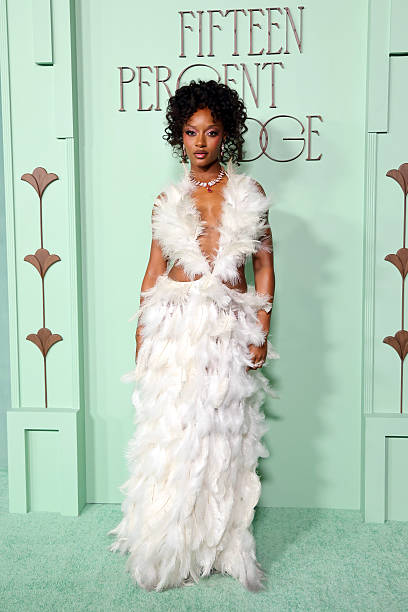
Women are breaking records, gaining international visibility, and expanding the Afrobeat genre. The wins are real, and they matter. But individual excellence in a structurally imbalanced industry does not automatically redistribute the balance. It just makes the imbalance harder to see, because there is now enough female achievement to point to when the question gets asked.
The festival lineups are still predominantly male, the biggest narratives still centre men. And the women who break through are still treated like exceptions.
But what becomes clearer across conversations and patterns, is how often women are required to negotiate their place in a system that already depends on them. They push through doubt, external pressure, and structural limitations, and still carry the culture forward.
Because the system makes room for them if they don’t refuse to step out of it.