More than 7,000 Nigerian women have attended HERtitude since 2022, and every year the number grows. Beyond the vibe and the hype, something keeps bringing women back. The reason is beyond HERtitude itself. It speaks more to why events like it are necessary in the first place.
A Bubble Inside the Rest of the World
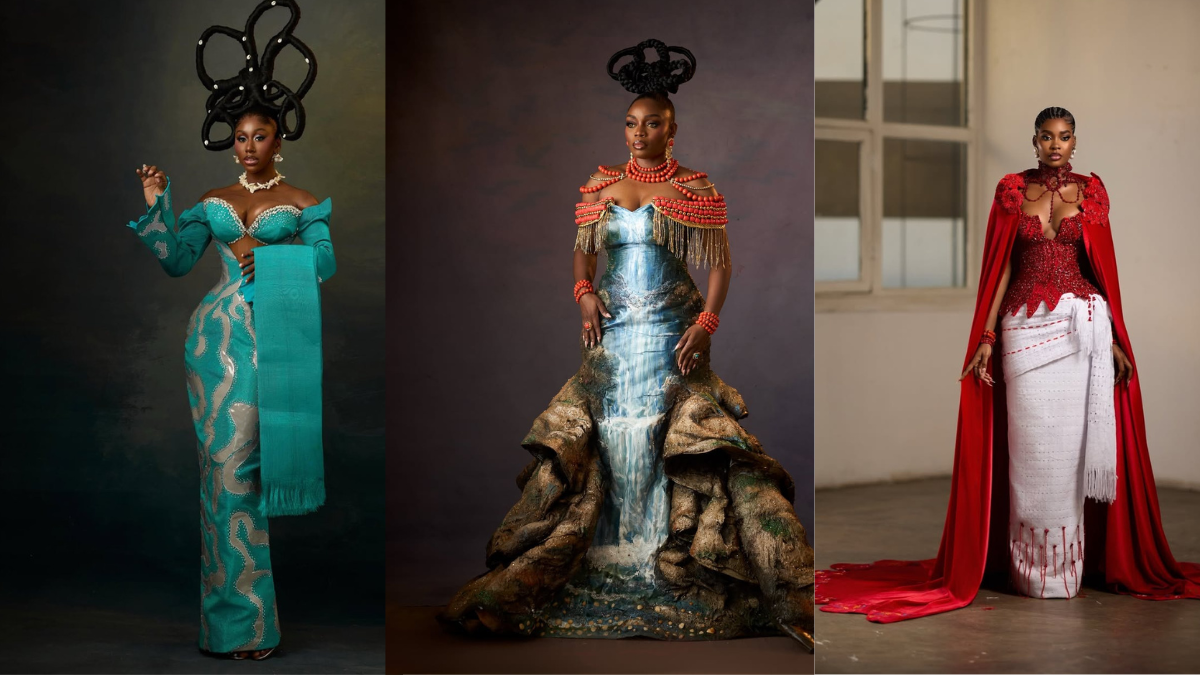
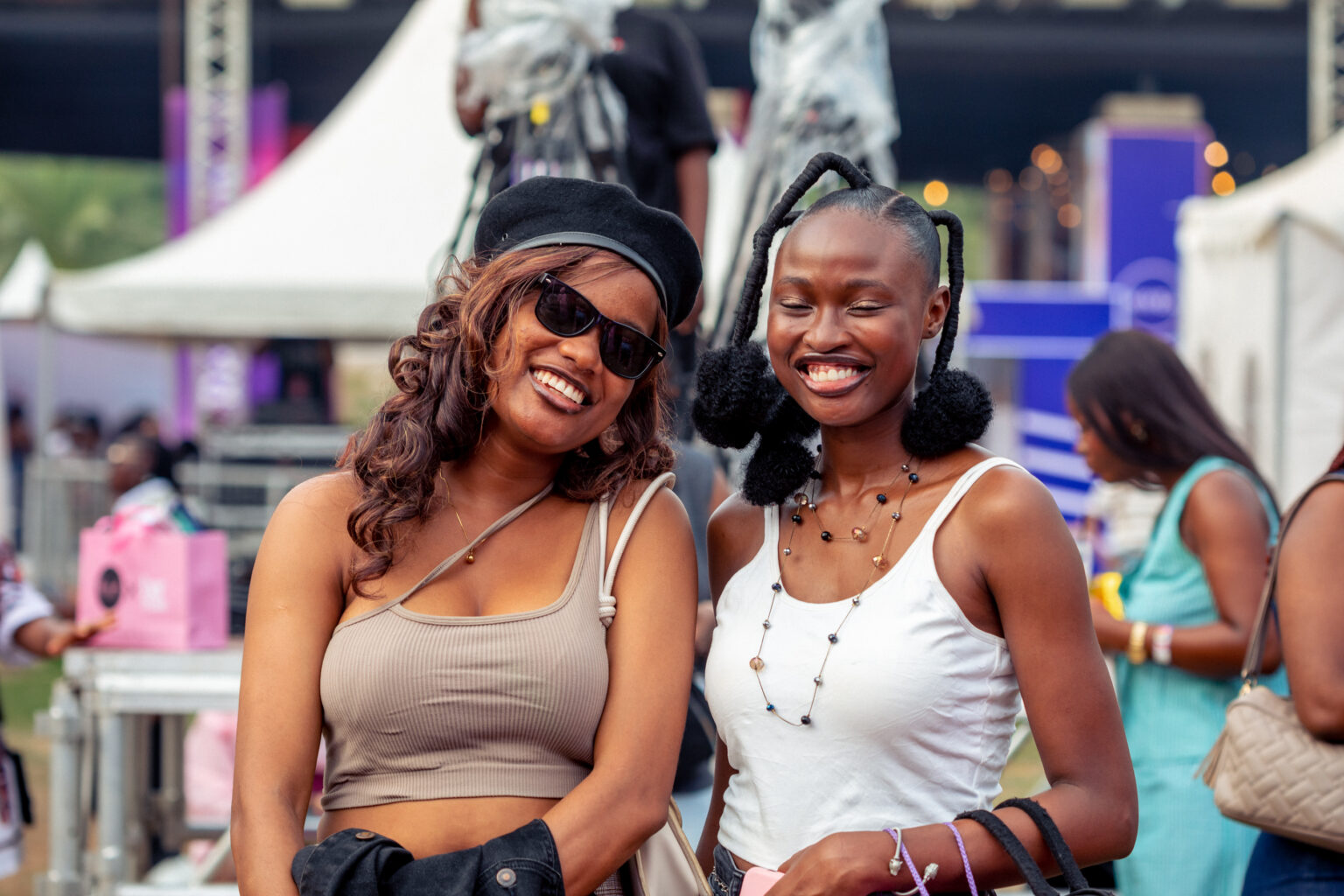
One of my favourite things about my first experience was seeing women express themselves through their clothes. They say women dress to impress men. But they have clearly not seen what women wear when men are not present.
The fourth edition had a Y2K theme and a variety of activities. But the depth of the experience was not in any single activity. It was in the environment itself. It was a no-judgment zone where women from all walks of life, regardless of class, wealth, religion, or sexual orientation, could breathe easy.
Women felt safe, at least for the time being, from leering eyes and the guarded feeling we have been conditioned to carry. In essence, I would describe it as a bubble inside the rest of the world, a space made entirely for women to be free while everything else continued as usual outside it.

Why We Need the Bubble That Is Women-Only Spaces
For the average Nigerian woman, a day looks like work, family, life, and everything that comes with those three things. But underneath all of that, for women who are both self and socially aware, there is a specific kind of heaviness and self-monitoring.
Am I doing enough? Am I well covered? Am I polite enough? Am I likeable enough? There is also that careful management of how much space you take up, how direct you are, and how ambitious you allow yourself to appear.
This heaviness follows you everywhere, to work, social settings, family gatherings. It is so constant that it has become business as usual for most women.
Walking into a genuinely safe women-only space means letting go of that burden and being able to breathe easy for a few hours. This is why these spaces will continue to be necessary, and it is also the main reason women keep going back.
Still using HERtitude as a case study, if you ask women why they keep coming back, you would get different variations of the same answer. They love the community, the atmosphere, the safety, the freedom to just be.
This is the same for me. I went back for the fifth edition for two reasons, to let my hair down and for the community. The latter was especially rewarding because beyond going with someone I know and meeting new people, I also reconnected with women I had lost touch with, and we were all so happy and excited to be in each other’s orbit again.
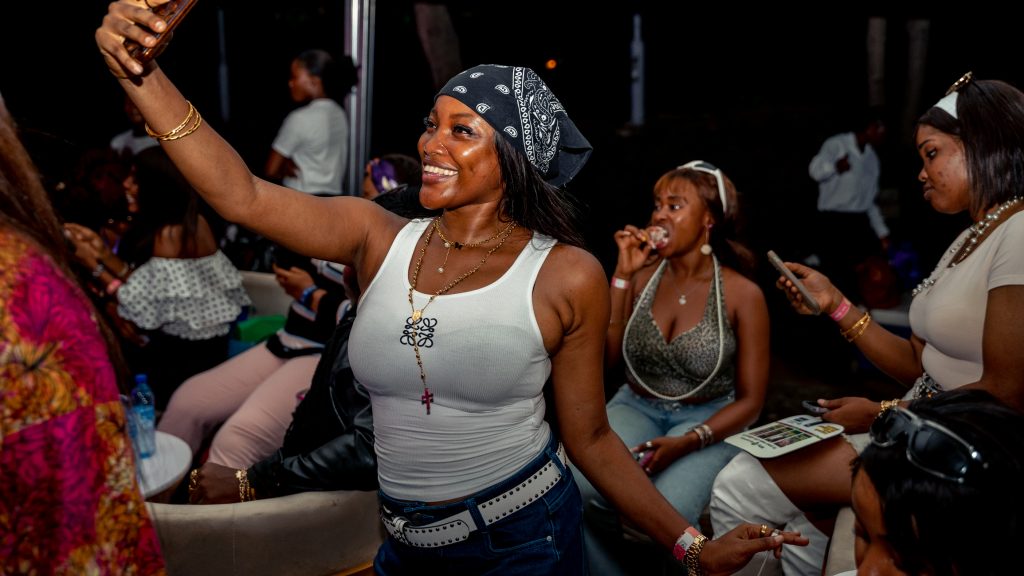
There is also something uplifting about being in the presence of other women. A stranger complimenting you, women cheering you on during competitions, patronising women-owned businesses because even the vendors at the event were women-owned. Showing up to such events is not only showing up for yourself but for other women too.
Read Also: I Want to Go Back to the Era Our Grandmothers Lived In
The Bubble Does Not Hold Forever
Life goes back to regular programming after those few hours. So the question is: if these events do not change society, if women walk out of them and straight back into the same conditions they walked in from, why do they keep going back?
The answer is that women-only events are not engines of immediate social change. They were not built to dismantle anything in a day. What they do is, in my opinion, more sustainable. Every time women gather, in large groups or small ones, they talk and they listen. A woman might leave feeling more confident than when she arrived because of something she learned. She might go home and challenge a norm she had never thought to question before because another woman had survived something similar. It is subtle, less radical, but when done continuously it makes a difference.
In essence, women-only events are part of social change even if they are not the whole of it. What needs to change about how society views and treats women’s autonomy goes far beyond any single event. But as women continue to show up, they keep the conversation alive about why these spaces are necessary.
What 7,000 Women Are Telling Us
When you remove the conditions that set women against each other, the competition, the scarcity, the male gaze, the social structures that reward women for making each other smaller, what you will find underneath are women who want to learn from each other. Women whose presence alone uplifts the women around them. Women who will cross every boundary of class, religion, age, and background to stand in the same space and breathe easy together.
Women will always find rooms where they do not have to perform, and they will keep showing up for each other inside these rooms, because that is what women do.