
Reframing one of the most misunderstood features in African beauty
Across Africa, especially in East Africa, one feature that continues to spark conversation is the forehead. For years, it has been joked about, critiqued, or subtly hidden. But this is one thing about being African, particularly an African woman: there is always something that stands out, something that may feel unfamiliar to the Western world. That unfamiliarity can begin to breed misunderstanding, a kind of misseeing that slowly makes us question what makes us unique, or worse still, try to change it.
When it comes to features like the forehead, the conversation must move beyond beauty. It is, at its core, a cultural conversation.
Facial openness, especially around the forehead, has long been associated with clarity, maturity, and even wisdom. It was never something to hide.
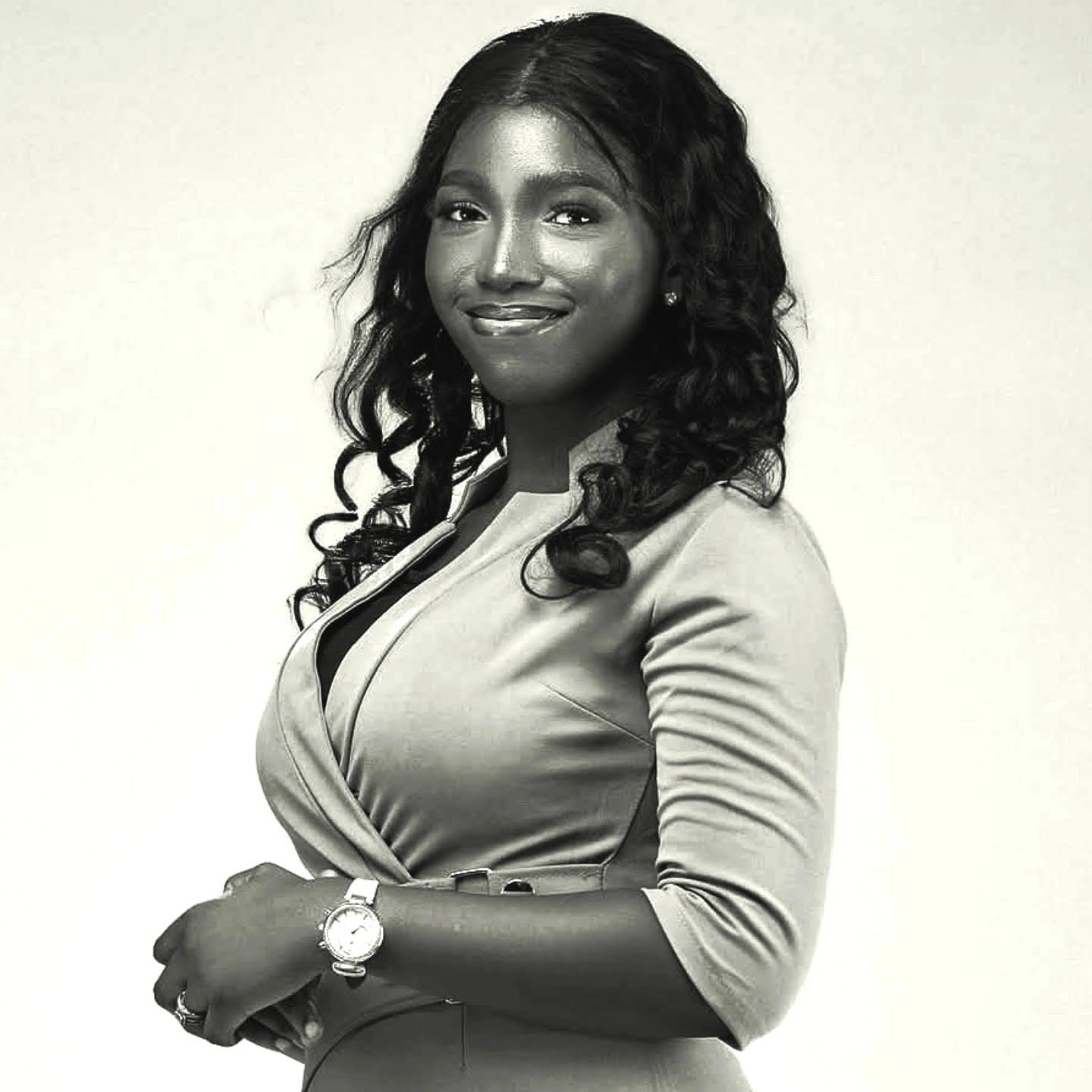
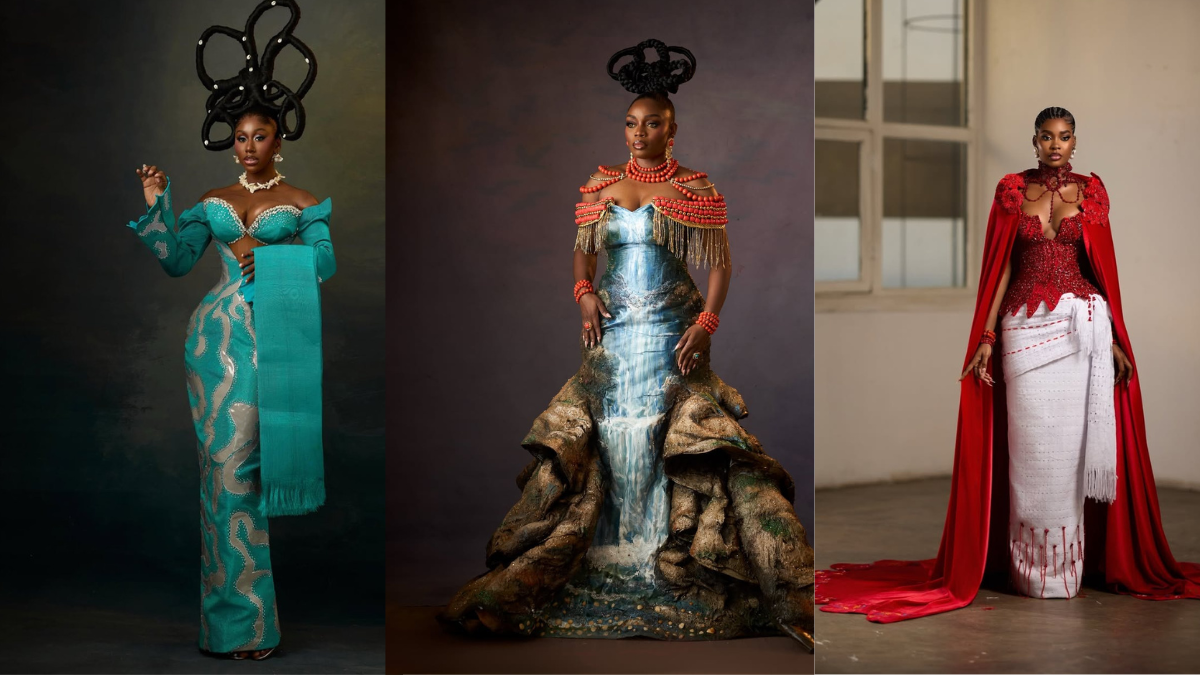
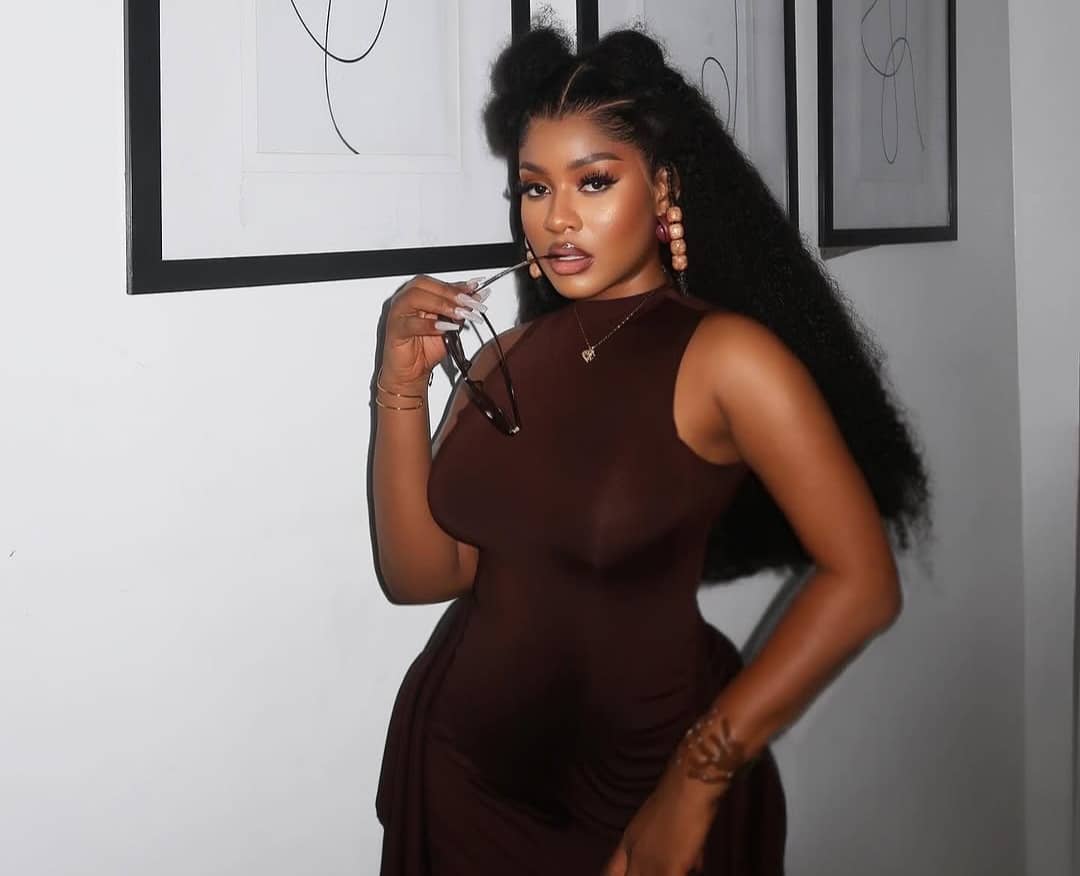
Across different African cultures, physical features have always carried meaning beyond aesthetics. The forehead, in many ways, is a canvas. It frames the face, holds expression, and subtly influences how we are perceived. In East Africa, where facial structures often include higher or wider foreheads, this feature contributes to a distinct elegance: soft, striking, and unmistakably African.
Historically, African beauty was never confined to a single mould. Move across West Africa and there is something distinct in the way features come together. Look toward Southern Africa and you find a different expression of that same truth: variation. Before global beauty standards began to dominate media and perception, diversity was the norm. Women were admired for their presence, their posture, their skin, their hair, and yes, their facial structure. The forehead existed as part of that harmony, not apart from it.
However, over time, exposure to Westernised beauty ideals introduced a different narrative, which often favoured smaller facial proportions and a kind of “balanced” symmetry defined by foreign standards. As a result, many African women grew up feeling the need to “correct” what was never wrong in the first place.
The Forehead as Structure, Not Excess
A forehead is not an “addition” to the face, it is part of its architecture. It determines how the face is framed, how the eyes sit, and how expressions are carried.
In many African faces, particularly among East African women, the forehead tends to be more prominent.
A broader forehead creates space. It opens up the face and allows light to fall differently across the skin. It gives the eyes room to stand out and the cheekbones space to define themselves. There is a strength in that openness, a presence that does not need to compete.
This is why many high-fashion models, especially those on the global beauty scene—often have strong, open foreheads. It photographs with depth, carries emotion clearly, and holds attention without effort.
The Role of Expression
The forehead is one of the most expressive parts of the face. It moves with thought, reacts with emotion, and communicates before words are even spoken.
A raised brow can signal curiosity. A relaxed forehead can suggest calm. A slight crease can reflect depth or contemplation. These subtle shifts are part of how we connect, how we are understood, and how we express ourselves without language.
This is why actors and performers often benefit from expressive foreheads—it enhances storytelling in ways that are both visible and felt.
For instance, Lupita Nyong’o is often praised not just for her talent, but for the way her face carries emotion. Her features, including her forehead, contribute to her powerful on-screen presence and identity.
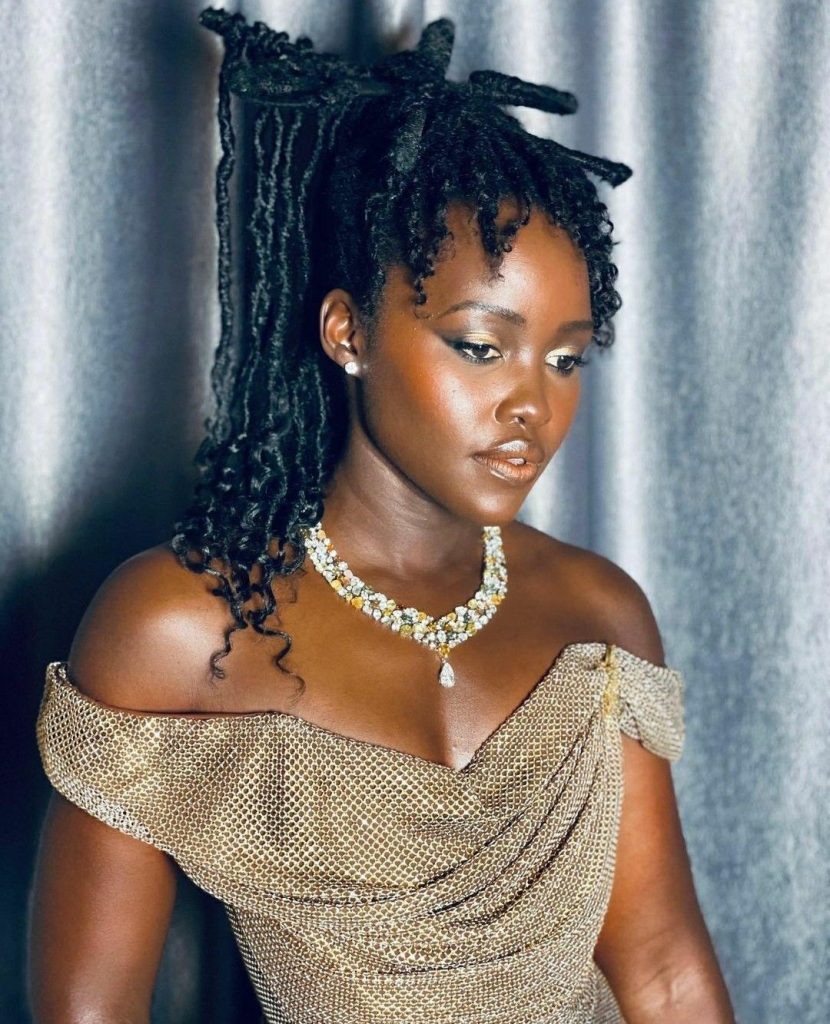
Expression is beauty, and the forehead plays a central role in it.
Representation also matters. Over time, several global and African women have helped shift how prominent foreheads are perceived.
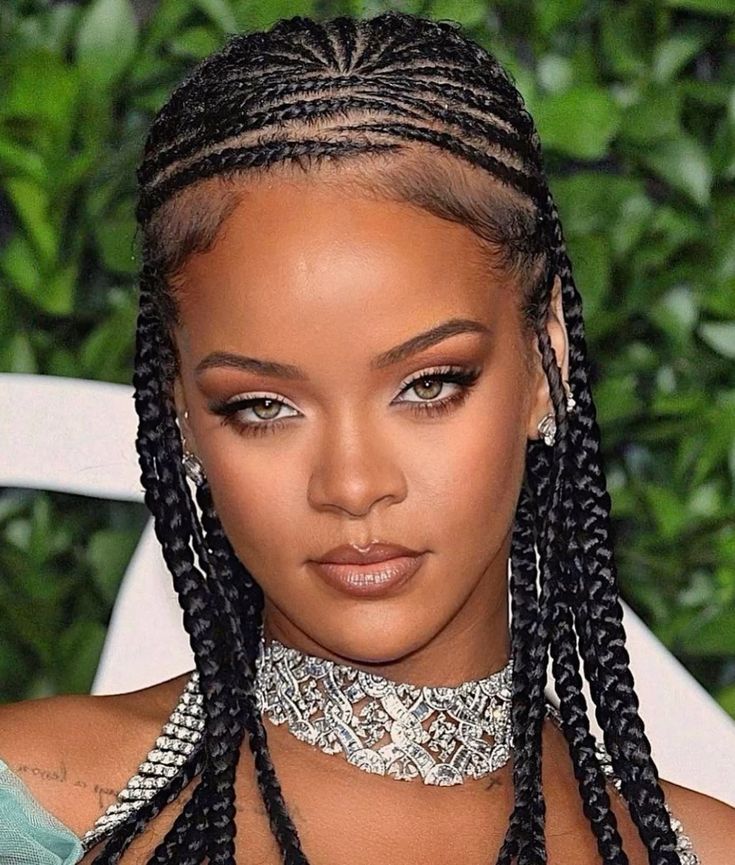
Take Rihanna, for example. She has openly embraced her forehead, allowing it to become part of her signature presence and confidence. Her choice to wear hairstyles that fully reveal her hairline has inspired many women to stop hiding theirs.
Then there is Tyra Banks, whose career in high fashion challenged narrow beauty ideals.
Women like Zoë Saldana and Angelina Jolie have also been noted for their prominent foreheads, yet their beauty has never been diminished by it. If anything, it adds to their distinctiveness.
What connects these women is not just their features, but their confidence. They do not hide. They present. And in presenting, they shift perception.
No one is born thinking their forehead is “too big.” That idea is introduced—through comments, comparisons, or media. Unlearning it requires something deeper than styling; it requires a shift in identity.
Instead of asking, How do I hide this? the question becomes, How do I understand this? Because once a feature is understood, it becomes easier to accept, and once it is accepted, it can be appreciated.
Being proud of your forehead begins with changing the story you tell yourself. Your forehead is not an accident—it is part of your structure, your heritage, your uniqueness. It frames your face, carries your expressions, and adds to your presence in ways that are often overlooked.
Confidence grows when you stop trying to shrink yourself—literally or figuratively—to fit into narrow ideas of beauty. It grows when you show up fully, without editing what was never meant to be hidden. Pride is not always loud; sometimes, it is simply choosing to wear your hair back without hesitation, or looking in the mirror and seeing balance instead of “too much.”
You do not need to earn the right to feel beautiful. You only need to stop questioning it.
Forehead Is Making Sense Again
What makes 2026 feel different is not the disappearance of beauty standards, but the growing awareness of how much they have flattened individuality. For years, faces across the world were subtly pushed toward sameness, shaped to fit narrow ideas of proportion and balance. In that process, distinctive features—like the forehead—were often treated as something to adjust or conceal.
Now, that thinking is being questioned.
As people begin to recognise how repetitive beauty has become, there is a renewed appreciation for features that bring character back to the face. The forehead, once seen through the lens of “too much,” is being understood differently. It no longer disrupts anything; instead, it restores a sense of openness and authenticity that overly curated faces often lack.
There is something striking about a face that is fully visible, where nothing is hidden or reduced to fit expectation. The forehead contributes to that clarity, giving the face presence and honesty. It allows expression to sit naturally and identity to come through without interruption.
More African women are embracing this shift, not as a trend, but as a return to self. In a beauty landscape that is slowly moving away from uniformity, the forehead is no longer something to manage—it is something that finally makes sense.