
Within five minutes of scrolling through TikTok, an “if you’re suffering from acne” video pulls you in before you even realize you have stopped scrolling. A vendor advertising a wig has you wondering if you can afford to buy it if you sacrifice some things for the month.
We’ve all heard the saying, “hunger is temporary but the drip is essential” right? Perfumes. Nail sets. That particular dress you have been eyeing for months. We all, at some point, can relate to different variations of “You keep saving items, when are you going to buy them?” jab on social media.
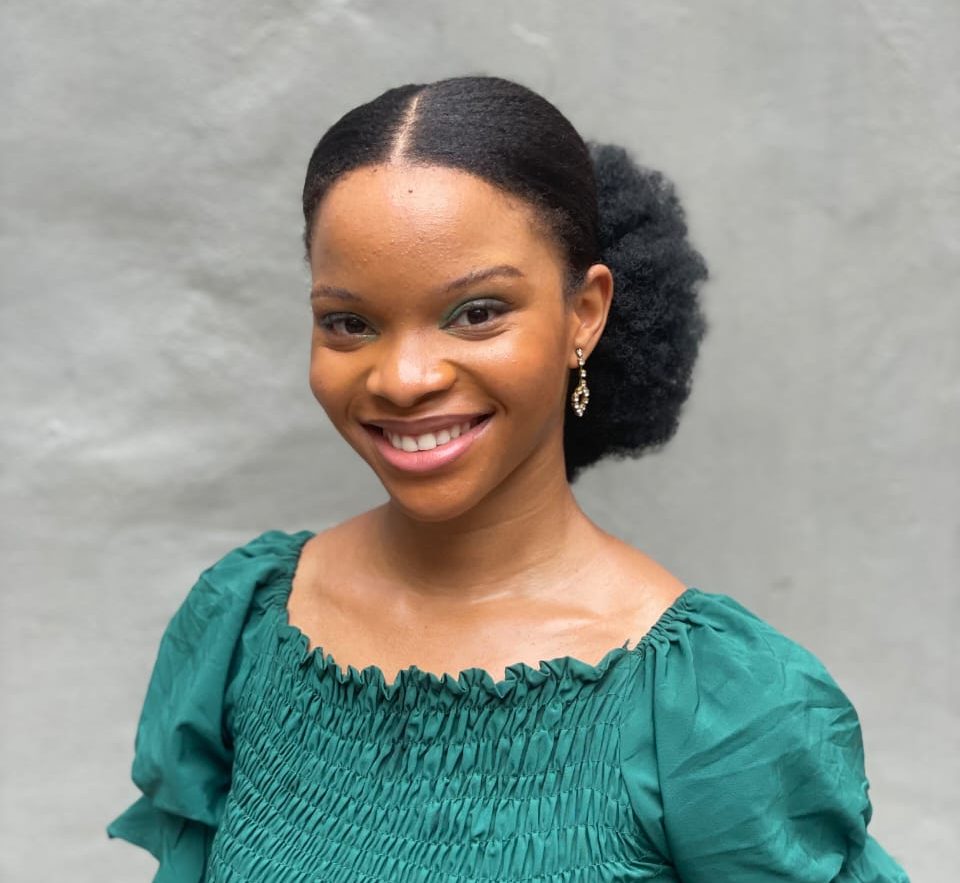
Four Nigerian women across different income levels and lifestyles broke down how much they spend on beauty monthly, covering everything from clothing and skincare to hair, fragrance, nails, and makeup. The budgets are different. The underlying logic is largely the same.
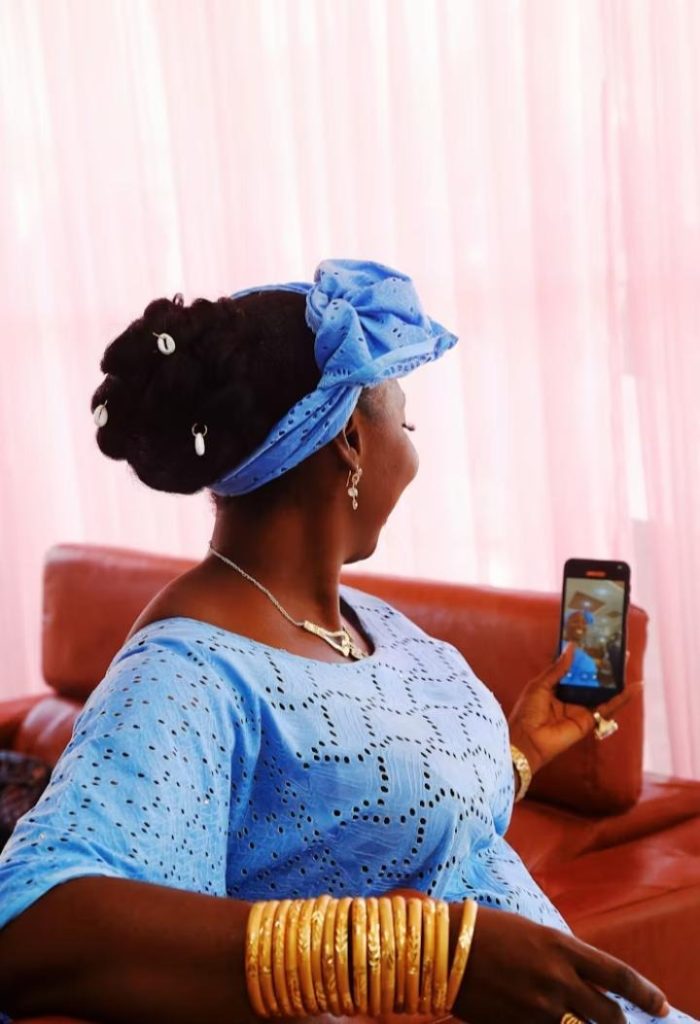
Stephanie, Nail Tech and Tailor
Clothes: ₦100,000 | Skincare: ₦25,000 | Perfume: ₦15,000 | Makeup: ₦20,000 | Wigs: ₦150,000–₦200,000 | Nails: ₦10,000 | Lashes: ₦15,000
For Stephanie, appearance is inseparable from professional identity. Her wigs and clothing carry the highest costs, and the structure of her spending reflects that she has thought carefully about what she needs to show up as in her work. Lashes are the one item she would let go of if she had to. “I don’t really like them,” she says. It tells you about how deliberate the rest of it is.
Read Also: The Forehead, Reconsidered: Why It Finally Makes Sense in 2026
Naomi, Student
Cosmetics: ₦30,000 | Perfume: ₦15,000 | Wig: ₦150,000 | Braids: ₦30,000 | Nails: ₦5,000
Hair remains one of the highest beauty expenses at every income level, and Naomi’s breakdown is a clear example. She has long natural hair she can style herself, which is why wigs would be the first thing to go if her budget forced the question. But as at the time of this story, they have not forced that question yet.
Daniella, Model
Clothes: ₦60,000 | Skincare: ₦300,000 | Wigs: ₦600,000 | Perfume: ₦300,000–₦400,000 | Nails: ₦45,000 | Lashes: ₦30,000
Daniella’s numbers look different from the others because her work demands it. When appearance is directly tied to how and whether you work, spending on it is professional infrastructure. She would lose lashes before she lost skincare or wigs, which reflects a clear internal hierarchy about what is functional and what is decorative.
Dara, Student
Clothes: ₦30,000 | Skincare: ₦5,000 | Perfume: ₦15,000 | Makeup: ₦3,000 | Wigs: ₦45,000 | Nails: ₦3,000 | Lashes: ₦1,500
Dara’s budget is the smallest here, but her participation in beauty culture is consistent. When asked what drives her to buy, she is direct: “If I see it on someone’s post or social media.” So for Dara, the budget adjusts. The expectation doesn’t.
See Also: 5 Practical Treatments That Helped My Hyperpigmentation

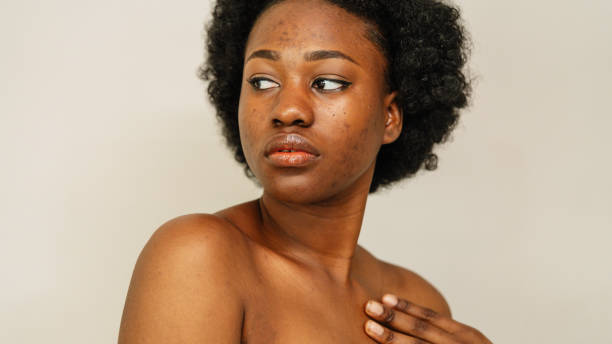
What drives women to spend on beauty is partly social, partly structural. In the case of the former, Victoria, a university undergraduate who did not tell us how much she spends on beauty but has dealt with severe acne, described how visibly her confidence improved with her skin:
“It got so bad I had to wear nose masks to cover part of my face. It affected me to the extent that I stopped taking pictures.” Now that her skin has cleared, she is direct about what it gave back: “I love my skin and I love the confidence it brings.” That kind of experience is not unusual. It is, in fact, why so many women do not treat beauty spending as optional, even when money is tight.

Looking at this through a structural lens, the spaces Nigerian women move through, professional, social, romantic, reward a certain kind of presentation. The beauty industry understands perception very well. What it sells, consistently, is not just products but an expanding standard. The market grows because there is always a new category of need to meet.
Chidera, a final year student, describes this perfectly, “When you look good, smell good, and dress nice, there’s a different level of confidence it brings.”
So is the spending worth it? Most of the women in this piece would agree that it is. Dara is the only one who admits to occasional regret, and even that is narrow: “I only regret it when it’s ‘what I ordered versus what I got.’”
The rest are largely unbothered. They know what they spend, they know why, and they intend to keep going. What the numbers reveal is not a crisis of overconsumption or a story of women trapped by external pressure. It is more about decisions made inside a particular social reality, where appearance carries weight and everyone, to some degree, is accounting for that. What all these women make clear is that the accounting is deliberate, considered, and entirely their own.