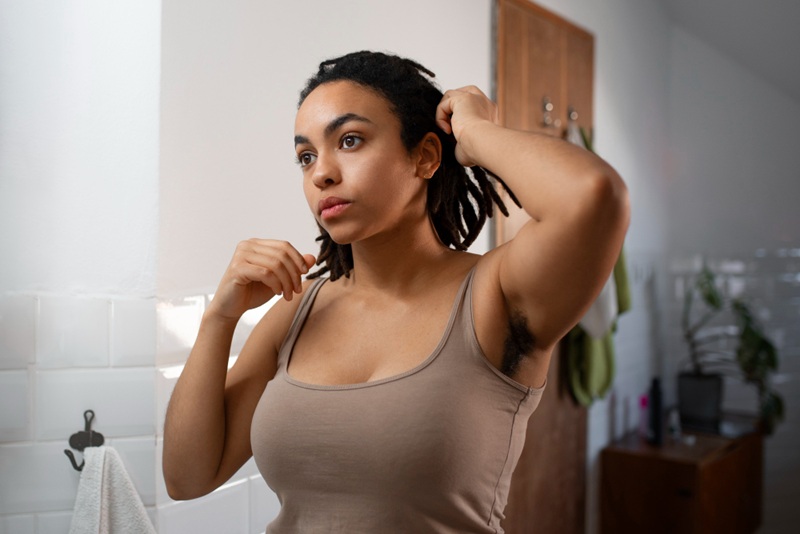
You’ve showered, you’ve applied deodorant, and you stepped out feeling confident, only to percieve that familiar, unwelcome scent beneath your arms barely midday How is it possible that after all this care, your underarms still smell?. It’s confusing, frustrating, and honestly, more common than you think. Despite what advertising tells us, deodorant isn’t a magical fix that guarantees freshness forever. The science of body odor is far more complex, involving sweat glands, bacteria, skin chemistry, and even your lifestyle.
SEE ALSO: Homemade Natural Deodorants That Actually Works
Understanding why your underarm odor persists even after deodorant requires looking beyond the surface. It’s about how your body produces sweat, how bacteria on your skin interact with it, and how deodorant products actually work (or don’t work) in real life. Unpack these processes with us and you’ll see why just slathering on deodorant isn’t always enough, plus what you can do about it.
Let’s look at the science behind smell
To understand persistent odor, it helps to know that sweat itself doesn’t have a smell. The glands in your body produce two main types of sweat: eccrine and apocrine. Eccrine glands are distributed all over your body and release mostly water and salt to cool you down, which by itself doesn’t create an odor. Apocrine glands, however, are concentrated in areas like your underarms and groin, and they release a thicker fluid rich in proteins and lipids. When this apocrine sweat lands on your skin, it becomes food for bacteria.
These bacteria, especially species like Corynebacterium and Staphylococcus, break sweat down into smaller molecules, including fatty acids and other volatile organic compounds that our noses perceive as smell. This basic microbial digestion process is why body odor occurs in the first place: it’s not the sweat that stinks, but the byproducts of bacteria eating your sweat.
Deodorant products often focus on masking this smell with fragrance or killing some of the bacteria responsible for producing it. But if the underlying conditions that feed the odor remain, such as sweat, moisture, or a bacterial community that thrives—your deodorant is fighting a battle that’s already been lost before it even began.
SEE ALSO: We Found The Best Fabrics and Beauty Habits For Surviving Hot Weather.
How Deodorants and Antiperspirants Really Work
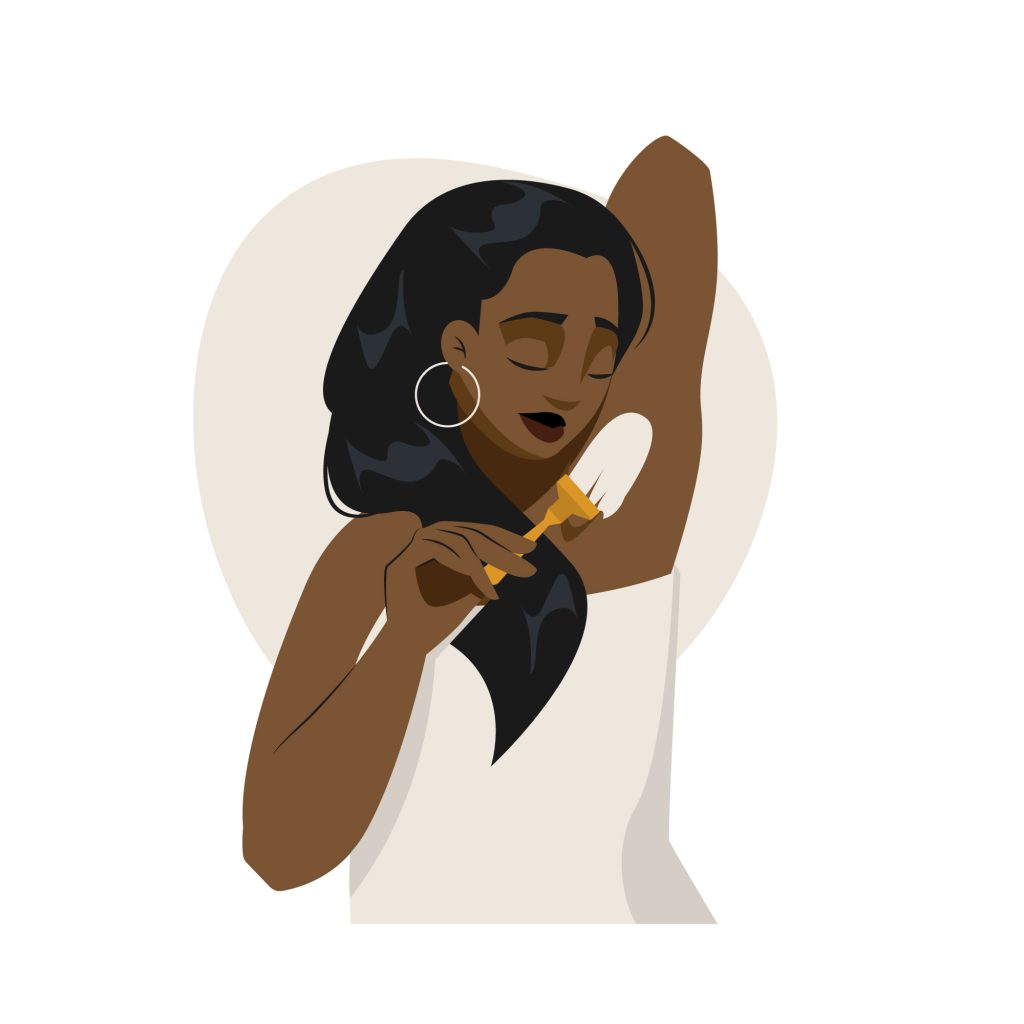
Not all underarm products are designed to do the same thing. “Deodorant” and “antiperspirant” are often used interchangeably in casual conversation, but scientifically they function very differently.
A deodorant’s job is to neutralize or mask odor. It usually contains antimicrobial agents that suppress some bacteria on the skin, as well as fragrances to make you smell fresh. An antiperspirant, on the other hand, aims to reduce sweating by using aluminum-based compounds that temporarily block sweat glands, reducing the amount of sweat that reaches the surface.
There’s a delicate balance here. Deodorants may kill some bacteria, but research shows that both deodorants and antiperspirants significantly alter the bacterial community living under your arms, not always in ways we fully understand. One study found that altering this microbial ecosystem can reduce some odor-producing species but might encourage others that are more resilient and possibly more odorous.
In some cases, antiperspirants reduce the number of sweat glands producing sweat—but the bacteria that remain can shift how they behave, leading to changes in odor patterns that deodorant alone may not address.
Your Microbiome and Deodorant Interaction
Your underarm isn’t a sterile battlefield waiting for deodorant to save the day, it’s a thriving microbiome with millions of bacteria per square inch. These microorganisms are unique to each person, and their composition plays a significant role in how your body odor smells and how persistent it is.
Deodorant and antiperspirant use, especially when habitual, can shift the balance of this microbiome. Studies have found that individuals who regularly use these products have significantly different bacterial populations in their underarms compared to those who do not. Interestingly, these shifts don’t always reduce odor; in some instances, they may simply replace one type of odor-causing bacteria with another.
The microbiome adapts. If you use the same product day after day, the bacteria that survive are often the most resistant, meaning they may continue to produce smell even when deodorant is present. This adaptation partly explains why deodorants sometimes seem effective at first, but less so over time.
Wrong Application of Deodorant
Even the best deodorant won’t work if it isn’t applied correctly. Many people apply deodorant immediately after a hot shower or while the skin is still slightly damp. Moisture can dilute active ingredients or wash them away before they properly bond with the skin.
Dermatologists often recommend applying antiperspirant to completely dry skin at night, allowing the sweat-blocking compounds to set and clog sweat glands more effectively. Studies show this timing improves performance, because sweat glands are less active during sleep and more receptive to being blocked.
This simple adjustment, waiting until your skin is dry, can make a notable difference in how long an underarm product lasts.
Hormones, Stress, and Lifestyle Factors
Your body chemistry changes throughout life, and so does your sweat. Hormonal shifts—whether due to puberty, the menstrual cycle, pregnancy, menopause, or stress—can increase apocrine gland activity, altering both the amount and composition of sweat. Stress, in particular, triggers sweat from apocrine glands, which are more likely to produce odor when metabolized by bacteria.
Lifestyle factors such as diet also influence your body’s chemical output. Foods rich in sulfur compounds (like garlic and onions), or those that change your sweat composition (such as red meat or caffeine), may indirectly affect how strong your underarm odor becomes. Hydration, physical activity, and even clothing choices (especially tight or synthetic fabrics that trap sweat) all shape your personal odor profile.
Your Clothes Are Gaslighting You
Sometimes, the smell isn’t coming from your body, it’s coming from your shirt. Synthetic fabrics like polyester, nylon, and spandex (the stuff most gym clothes and fast-fashion tops are made of) are basically magnets for body odor.
Unlike cotton or linen, which allow sweat to evaporate, synthetic fibers trap the oils and bacteria in the weave of the fabric. Standard laundry detergent often can’t get deep enough into these plastic-based fibers to actually kill the odor. You might think the shirt is clean, but as soon as your body heat warms up the fabric, the “trapped” smell from three weeks ago is released. This is called “re-scenting.
The “Natural Deodorant” Transition
If you recently switched to a natural, aluminum-free deodorant, your body is likely going through a “detox” phase. Aluminum-based antiperspirants change the types of bacteria that live in your armpits. When you stop using them, your microbiome goes into overdrive.
For the first 2–4 weeks, you might actually smell worse as your skin’s bacterial balance tries to reset. This isn’t the product failing; it’s your body adjusting. Many people give up during this phase, but if you stick it out and keep your skin clean, the “stink” usually levels off.
When Persistent Odor Signals Something Else
If you’re doing all the “right” things, good hygiene, proper application of deodorant, breathable clothing, and still dealing with persistent odor, it might be worth considering deeper issues. Excessive sweating (hyperhidrosis), metabolic conditions, infections, or certain medications can all contribute to more intense body odor. In some cases, a healthcare professional can help determine if there’s an underlying cause that needs more than topical solutions.
Looking Beyond Deodorants: Future Research
The science of body odor is evolving, and researchers are exploring innovative ways to address the problem without just masking it. For example, a 2019 study investigated the use of polymer nanoparticles that bind odor precursors before bacteria can break them down, potentially preventing odor at the source without disrupting the microbiome or using harsh chemicals.
Other cutting-edge research is exploring technologies like cold atmospheric plasma to directly reduce odor-causing bacteria without traditional antimicrobial agents, offering another potential approach for those who find deodorants ineffective or irritating.
The Ultimate “No-Stink” Routine
If you want to stop the mid-day smell for good, follow this blueprint:
- Double Cleanse your Pits: In the shower, use an oil-based cleanser or a washcloth to really break down the old deodorant, then follow with an antibacterial soap.
- Acidify: Twice a week, swipe a Glycolic Acid toner under your arms. It lowers the pH of your skin, making it too acidic for odor-causing bacteria to survive.
- Apply at Night: Put on your clinical-strength antiperspirant before you hit the sheets.
- Wear Natural Fibers: Stick to 100% cotton, silk, or linen, especially on high-heat days.
- Manage the Hair: Armpit hair provides extra surface area for bacteria to cling to. You don’t have to shave it, but trimming it can significantly reduce the “surface area” for smell to live on.
Body odor is a part of being human, but it doesn’t have to be your main personality trait. By understanding the chemistry between your skin and your shirt, you can finally make your deodorant do the job it was hired for.