Choosing colours isn’t about following fashion trends. It’s about understanding what naturally works with your skin. Sometimes we wear a colour that instantly makes us look brighter, and another that makes us appear tired and dull. It isn’t random. The colours we wear either work with our skin tone or against it.
Many people focus on trends or what looks good on others, but colours behave differently on every individual. A shade that looks vibrant on one person might feel flat on another. This is why understanding your skin tone and undertone is important. Once you understand how colours interact with your skin, choosing what to wear becomes easier and more intentional.
Understanding Undertones
The first step in choosing what works best is understanding undertones—the hue beneath the skin surface that affects how colours appear on you. This plays a role not just in fashion but also in makeup and even hair choices.
READ: 8 Reasons Your Skin Tone Keeps Fluctuating (and How to Handle It)
Unlike skin tone, which can tan or lighten with sun exposure, undertones remain the same. Your undertone stays constant, which is why identifying it is useful when building a wardrobe or selecting beauty products.
There are three main types of undertones: warm undertones, cool undertones, and neutral undertones. Neutral undertones are simply a mix of warm and cool tones. Some people may also have an olive undertone, which appears slightly green or grey.
SEE ALSO: Fashion Items Worth Investing In — And What to Skip
The Vein Test
One of the simplest ways to identify your undertone is the vein test.
Look at the veins on your wrist in natural light. If they appear blue or purple, you likely have a cool undertone. If they appear green, that usually indicates a warm undertone. If they look like a mix of blue and green, then you probably have a neutral undertone. When the veins appear slightly greenish or greyish, that can suggest an olive undertone.
The Jewellery Test
Another simple method is the jewellery test.
If gold jewellery tends to look better on you, that often indicates a warm undertone. If silver jewellery complements you more, that usually suggests a cool undertone. If both gold and silver look equally flattering, then you most likely have a neutral undertone.
The Fabric Test
There is also the fabric test.
SEE ALSO: We Found The Best Fabrics and Beauty Habits For Surviving Hot Weather.
Hold a piece of pure white cloth close to your neck or face. If it makes your skin appear rosy or slightly pink, you probably have a cool undertone. If your skin appears yellow or golden, that suggests a warm undertone. If your skin looks balanced without leaning toward either tone, then your undertone is likely neutral.
Undertones For Deeper Skin Tones
Understanding undertones is very important because many people, WDD especially those with deeper skin tones—often struggle to find colours in clothing or makeup that truly complement them.
This is why skin depth also needs to be considered. Skin depth refers to how light or deep your complexion is. Everyone has a different shade of skin tone, ranging from lighter to darker complexions.
For people with lighter skin tones, softer shades or medium tones often look more natural. Deeper skin tones, on the other hand, tend to look striking in bold and vibrant colours.
Colours That Complement Each Undertone
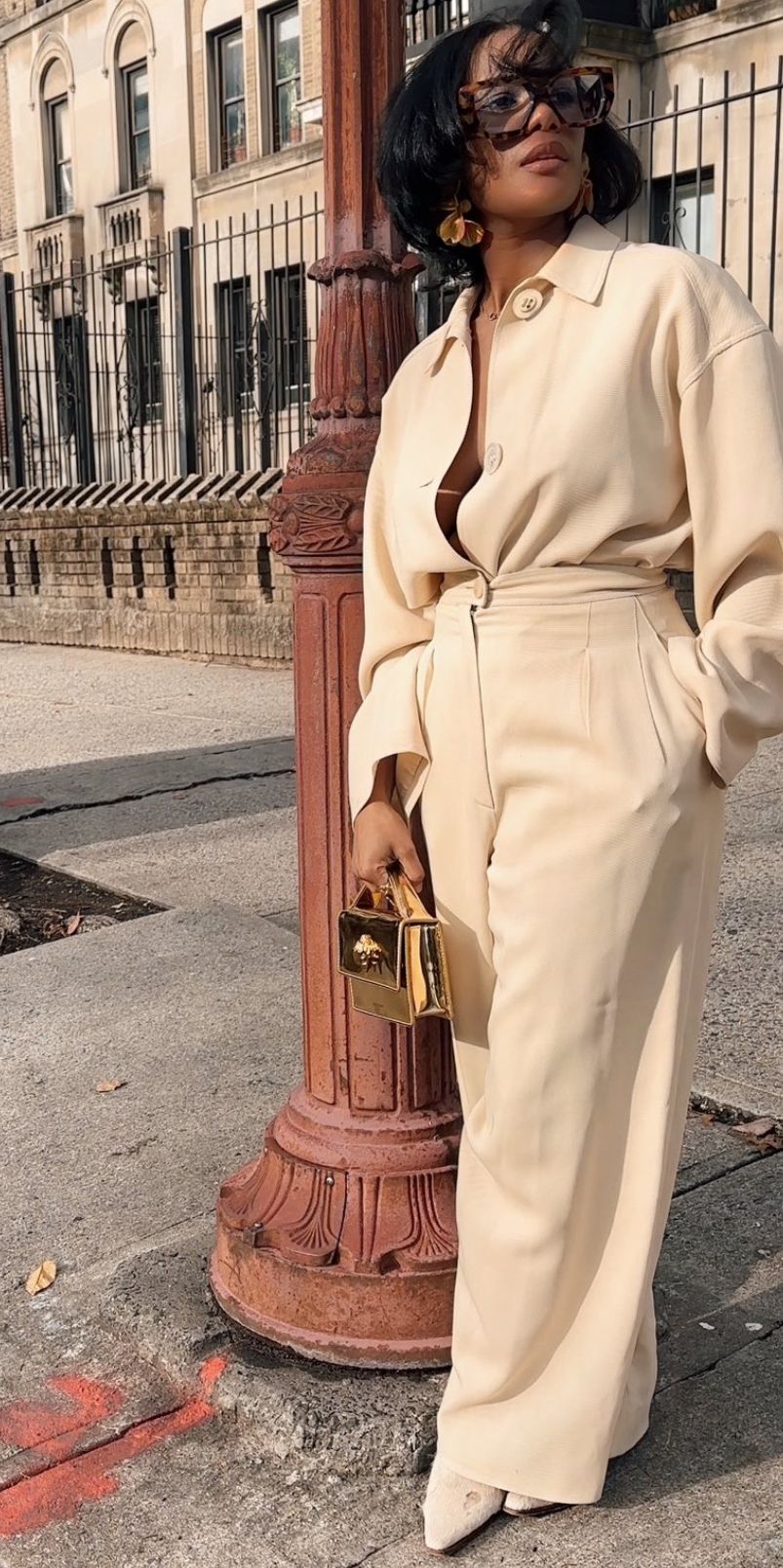
If you have warm undertones, colours like burnt orange, cream, olive green, mustard, and earthy tones tend to complement your skin beautifully.
For cool undertones, shades like royal blue, red, lavender, purple, and emerald green often work best because they balance the cool hues beneath the skin.
If you have neutral undertones, you have more flexibility. Colours like navy blue, beige, teal green, and soft pink are usually good choices because they sit comfortably between warm and cool tones.
Stylists like Cristina Ehrlich and Philippe Uter, alongside colour specialist Leatrice Eiseman, often emphasize that understanding undertones makes it easier to incorporate more colours into your wardrobe with confidence.
Styling Colours for Different Occasions
Events also help us experiment with colours, especially when considering the vibe they carry. What we wear does not only reflect colour but also reflects mood.
That’s why choosing what to wear for an occasion is just as important as understanding undertones. This is where a mix of undertones and event aesthetics comes into play.
The time of the event and the general atmosphere often guide colour choices. When styling for an occasion, it helps to remember that clothing communicates something before you even speak.
Dressing With Intention
Getting dressed for an event is rarely just about the outfit itself. Every event carries a certain mood. One common mistake people make is dressing for the event without considering how the event’s atmosphere interacts with their personal style and skin tone.
Every event has a silent dress code that goes beyond formal or casual. When that cue is ignored, the outfit may feel out of place even if it looks good on its own.
Birthday parties usually carry a playful and energetic mood. Fun colours and expressive styles often feel appropriate. Funerals tend to be solemn and require subdued colours. Weddings are warm, celebratory, and relaxed, while corporate dinners are typically structured and controlled.
Before choosing what to wear, it can help to ask yourself simple questions: What image do I want to portray? How do I want people in the room to perceive me? This idea connects with the common saying: dress the way you want to be addressed.
In the end, choosing colour is not just about trends or rules, but about understanding how light interacts with your skin and how colour communicates mood and presence.