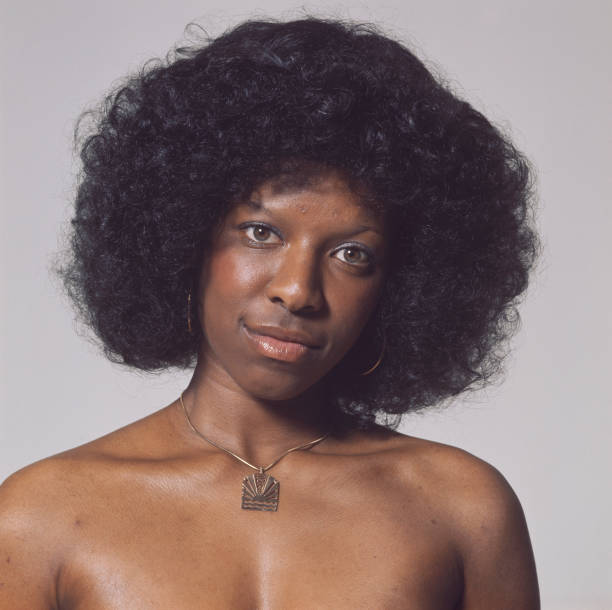
There comes a moment, usually after a long day, a tight underwire, or a dramatic sigh in front of the mirror — when many women briefly consider freeing themselves from their bra collection entirely. Not in a revolutionary sense. Just in a “why does this feel like a medieval contraption?” kind of way. And while bras have long served as wardrobe essentials, they can also feel restrictive..
For decades, bras have been associated with femininity, structure, and polish. The right fit can enhance posture, support the body, and shape clothing in ways many women appreciate. For some, wearing a bra creates a sense of confidence — a feeling of being secure and composed.
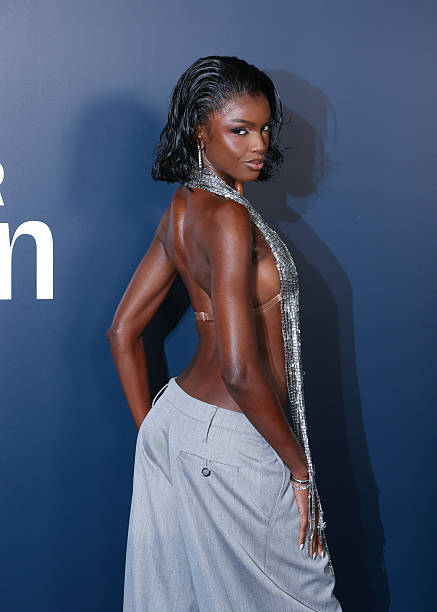
However, the cultural dialogue around going braless is evolving. Increasingly, women are exploring comfort-first dressing, autonomy in style choices, and body awareness beyond traditional norms. And importantly, research suggests that bras are not medically required for breast health in everyday life.
What Research Actually Says
Contrary to long-standing belief, bras are not necessary for breast tissue health unless specifically required for physical activity or personal comfort. A well-known long-term study by sports medicine researcher Dr. Jean-Denis Rouillon at the University of Besançon in France observed women over several years and suggested that, for some participants, not wearing a bra did not negatively impact breast support and may have even strengthened natural tissue support over time. While the study was limited in scope and not universally generalizable, it contributed to existing discussions about bras as optional rather than essential.
It is also worth noting that many women report wearing bras primarily for social conformity rather than necessity. This reflects cultural expectations more than biological requirement.
Can Women With Larger Busts Go Braless?
The conversation often becomes more nuanced for women with larger bust sizes. Concerns around support, movement, and visibility are common, particularly in environments where body scrutiny is intense. These concerns are valid and personal.
However, going braless is not determined solely by size. With careful styling, structured fabrics, layering, posture awareness, and well-fitted clothing — many women across different body types explore braless dressing comfortably. The key factor is not cup size; it is context, confidence, and individual preference.
Importantly, choosing not to wear a bra does not define morality, professionalism, or character. It is a wardrobe decision, not a value sample.
SEE ALSO: O, H, V, or A: Well, Your Butt Shape Has A Name
Fashion, Freedom, and Cultural Shift
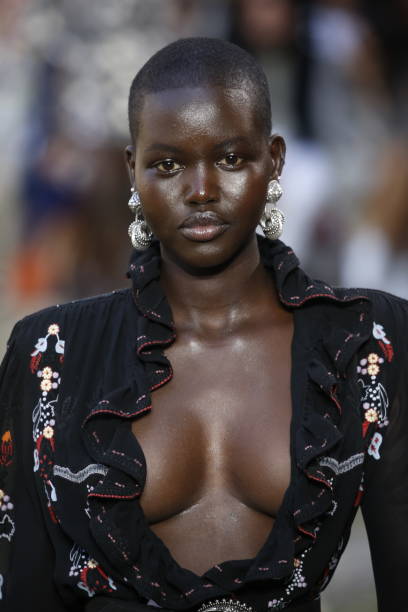
Fashion historians also note that bras, in their modern structured form, are relatively recent in the timeline of women’s clothing. Like many garments, they emerged from social evolution rather than biological necessity.
In the early 20th century, African women did not wear bras in the modern sense. Dressing was shaped by tradition, climate, and locally available fabrics rather than Western undergarments. Wrappers, blouses, structured indigenous garments, and layered textiles defined everyday style, with support and coverage achieved naturally through the way clothing was wrapped, tied, and tailored. The modern bra later arrived through colonial trade routes, urban expansion, and Western fashion influence in the mid-20th century, as imported clothing and department-store retail began to shape women’s dressing in growing cities. By the 1950s and 1960s, with the rise of global fashion advertising and the increasing availability of lingerie in urban markets, bras gradually moved from being an imported novelty to an established wardrobe item, particularly among educated and urban women. The term “bra,” short for brassiere (a word of Norman-French origin), became widely adopted in everyday language as the garment itself became more normalized within modern African fashion culture.
As a matter of fact, conversations around modesty and presentation can make braless styling feel more culturally sensitive. Yet even within these settings, style is expanding. Women are finding ways to balance comfort with cultural awareness, choosing options such as bralettes, structured tops, or layered looks that reflect both individuality and environment.
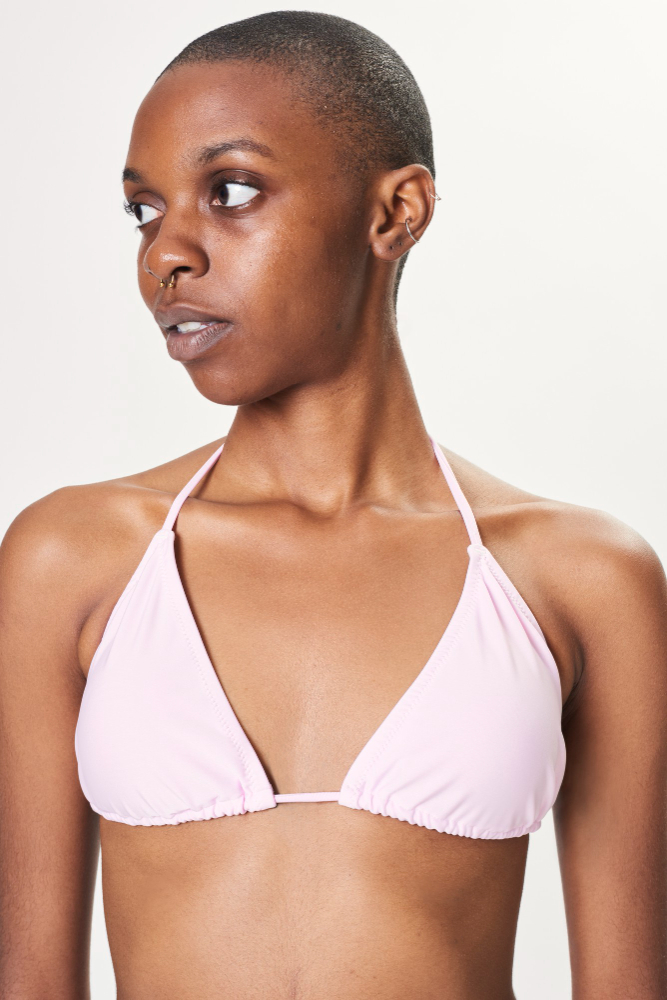
Practical Ways to Transition Comfortably
For women who are curious but hesitant, exploring bralessness does not have to be abrupt. It can be gradual
1. Start Indoors
Beginning at home allows the body to adjust without external pressure. Comfort can be built privately before stepping into public spaces.
2. Use Layering Strategically
Light tank tops, fitted singlets, crop tops, or structured innerwear can provide coverage while still reducing reliance on traditional bras. Layering can help ease the transition.
3. Try Bralettes
Bralettes, which are typically free from underwires and rigid structure — offer a middle ground. They provide light support while maintaining comfort, making them an accessible option for experimentation.
4. Choose the Right Fabrics
Certain fabrics, particularly structured T-shirts or thicker materials, naturally provide shape and discretion. Fit plays a significant role in comfort.
5. Pay Attention to Posture
Going braless can influence body awareness. Some women may unconsciously adjust posture when transitioning away from structured support. Strengthening core muscles and practicing confident posture can enhance comfort and appearance.
6. Release External Pressure
Perhaps most importantly, confidence grows when external opinions are minimized. Going braless is a personal decision. No one should feel diminished, judged, or labeled for choosing what feels right for their body.