Toxic Shock Syndrome, or TSS, is commonly linked to Staphylococcus aureus bacteria. According to NHS UK, TSS is “a rare but life-threatening condition caused by an infection.” It can happen through infected skin wounds, surgery, or when using a highly absorbent tampon or a menstrual cup.
TSS is a medical emergency that often requires hospitalization in intensive care for fluid replacement and organ support. Yet, many women are not aware of the condition or how feminine hygiene products expose a woman’s body to such health risks. The symptoms appear suddenly and progress quickly. High fever, low blood pressure, rash, vomiting or diarrhea, muscle aches, headaches, severe pain in wounded areas, and confusion are some of the symptoms of TSS.

How harmful are tampons? Why do many women still know little about TSS? Let’s have a conversation on TSS from the real-life experiences of these women.
Cases of Toxic Shock Syndrome
“I have so much life to live.” – Lauren Wesser, American, 2019
The glamorous image of model Lauren Wasser at the recent Met Gala distracts the mind from the painful story behind her golden prosthetic legs. Globally known as the “Girl with the Golden Legs,” Wasser became an advocate for Toxic Shock Syndrome (TSS) awareness after a tampon-related infection nearly took her life and eventually led to the amputation of both legs in 2012 and 2018. Her experience reopened conversations that many thought had faded with the ’80s.

In 2012, Lauren Wasser’s life changed forever when she started experiencing flu-like symptoms while on her period. At first, she believed it was exhaustion. Within hours, her condition worsened drastically. Her organs began shutting down. She suffered two heart attacks, which made doctors place her in a medically induced coma. She was only 24 years old when this happened. According to an interview Lauren Wasser granted Today in 2019, she revealed that she continues to live daily with excruciating pain because of her battle with toxic shock syndrome. She has constantly called for transparency surrounding feminine hygiene products.
READ ALSO: Pain Is Not a Portion: The Menstrual Health Conversations Nigerian Women Are Still Not Having
I fell into coma for an entire week—Michelle Alberts, American, 2007
Michelle developed Toxic Shock Syndrome after using a tampon as usual. What she believed to be flu quickly escalated into fever, weakness, and confusion. She ended up in the emergency room, where she fell into a coma for an entire week. Doctors warned her family to prepare for the worst. It’s been nearly sixteen years later, and Michelle still lives with health complications caused by the infection.
She left her tampon in for nine days and almost lost her life—Emily Pankhurst, UK, 2016
At just 20 years old, Emily made a mistake that almost cost her life. She dismissed the symptoms as stress and anxiety. But she became dizzy, feverish, disoriented, and unable to speak properly. She finally sought medical help when her skin color changed and she struggled to function normally. When doctors diagnosed her with TSS, her story gained attention, shocking women who disregarded tampon-related warnings as exaggerated, outdated, or not real.
READ ALSO: 10 Things About Women’s Health you Wish you Knew Sooner
“The way my body reacted to tampons made me stop immediately.” – Tiwalade, UK, 2025
I have always been a sanitary pad girlie. I hadn’t heard of Toxic Shock Syndrome when I decided I wouldn’t use tampons anymore. In 2023, I tried tampons for the first time, and my body rejected them. I started feeling lightheaded, but I dismissed it. Then, the spasms kicked in on the third day, and I found myself in so much discomfort. I knew where the problem was coming from, but I thought my body was just reacting because it was my first time trying it. I was shocked to find out there is something called “Toxic Shock Syndrome.” Anyway, I wouldn’t know if what I experienced was indeed TSS because I won’t be trying tampons again. I’m back to base now.
Treatment And Prevention
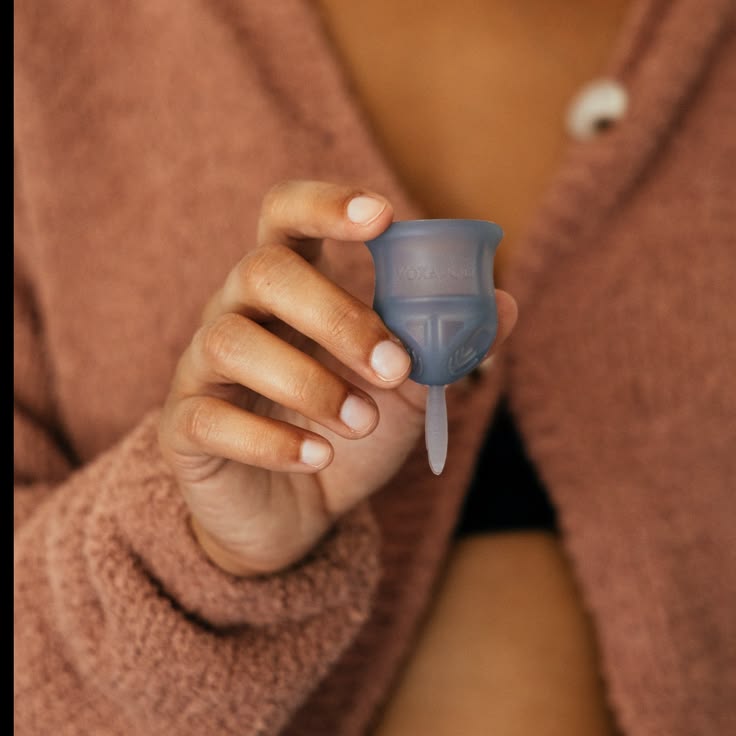
To reduce the risk of TSS, change your tampons frequently, at least every 4 to 6 hours. Also, try to use the lowest absorbency tampons necessary for your flow, alternate with pads or liners, keep wounds clean, and monitor for signs of infection.
This is not a movement against tampons but an awareness of feminine hygiene products and how they affect women’s health. Part of what makes Toxic Shock Syndrome scary is how ordinary the symptoms can be. It’s easy for women to regard symptoms like fever, nausea, headaches, muscle pain, vomiting, dizziness, or fatigue as normal illnesses.
Medical experts continue to stress that although Toxic Shock Syndrome is rare, it can be fatal if left untreated. Stories like Lauren Wasser’s are scary because they challenge the belief that menstrual products are automatically harmless. Women deserve full awareness of everything connected to their health, including the rare conditions.