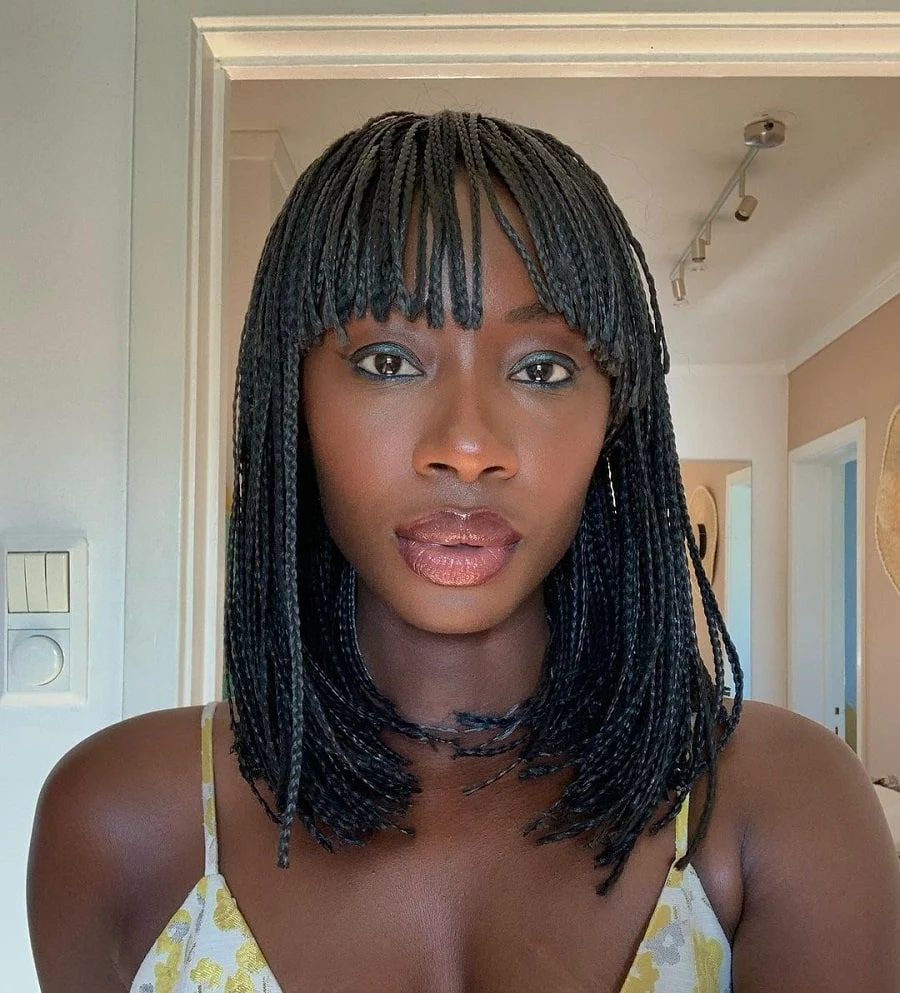
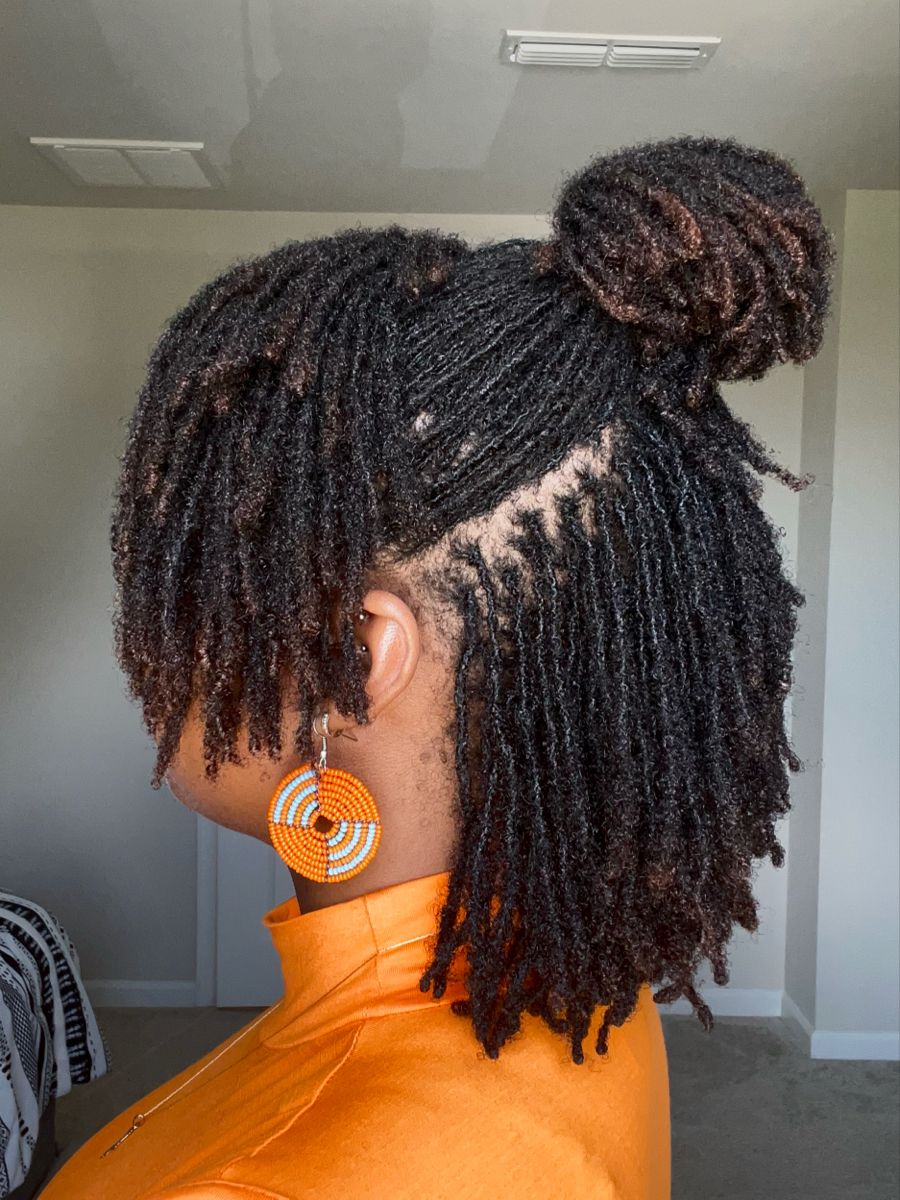
Locs, often referred to as “dreadlocks” — are strands of hair that naturally mat and rope together over time or are intentionally sectioned and cultivated into defined, rope-like formations. Today, many prefer the term locs, distancing the style from the word “dread,” which carries historical associations linked to colonial narratives and the era of the transatlantic slave trade.
While the look has become highly visible in fashion, social media, and professional spaces today, locs have been worn for hundreds of years by people across many parts of the world. The hairdo was never merely aesthetic, as it carries centuries of cultural, religious, and political weight.
In parts of West Africa, especially among the Yoruba of modern-day Nigeria, children born with hair that naturally matted into rope-like strands were known as Dada. In traditional Yoruba belief, this naturally formed hair was seen as spiritually significant and sometimes connected to personal destiny and ancestral connection. In many accounts, only a chief priest may be able to cut the hair, after some specific rituals have been made. Even the ‘Ashanti’ people in Ghana identified the ‘Okomfo priests’ by their dreadlocks. The hair style was a symbol of authority and higher power.
Beyond West Africa, locs acquired another layer of meaning in the Caribbean through the Rastafari movement of the 1930s. Among Rastafarians in Jamaica, “dreadlocks” symbolised a covenant with God, inspired in part by the Nazirite vow described in the Bible. The term “dread” referred to reverence and later became associated with resistance to colonial rule and rejection of Eurocentric grooming standards. Wearing locs in those times was seen as a rebellious activity that signalled detaching from “Babylon,” the Rastafarian term for oppressive Western systems.
Because of these associations, locs were seen as a spiritual, radical, or defiant movement in society. In many formal spaces, they were stigmatised as unkempt, rebellious, or unprofessional. Today, locs are chosen intentionally by women across different communities, professions, and creative spaces.
The Modern Reclamation
For decades, locs was closely tied to spiritual and countercultural identities but has since evolved into a deliberate aesthetic embraced by diverse groups of women. As locs moved beyond these historical frameworks, they began to be worn intentionally for personal, aesthetic, and cultural reasons. Today’s “Loc Renaissance” has moved locs to hair chosen intentionally and not by spiritual fate. Modern women are embracing locs as a symbol of identity, style, and self-expression. They are grooming, styling, and maintaining them with precision, making locs a versatile and polished aesthetic rather than a countercultural statement.
SEE ALSO: Are Invisible K-Tips Safe for Natural Hair? We Found Out.
Globally, figures like Alice Walker also helped reshape the perception. Alice revealed she chose locs as a personal and intellectual statement, turning the hair-do into an act of conscious choice over chemically straightened hair.
Loc styles have gained significant mainstream traction, with Pinterest alone showcasing hundreds of modern loc variations: micro locs, goddess locs, sculpted loc bobs and hybrid creative expressions. This indicates a vibrant and evolving interest in the hairstyle.
This trend aligns with the broader natural hair movement, where low-maintenance and protective styles are increasingly preferred by people who want both cultural authenticity and practical versatility. Innovations like instant locs, which appeal to individuals seeking quick installation and reduced manipulation, reflect how locs have significantly gained space in contemporary hairstyling.
Far from being confined to subcultures, locs now appear in fashion runway shows, and media representations now being signalled as personal expression, pride in natural texture, and creative identity.
Importantly, this shift has also reached professional environments. As more professionals achieve leadership positions and define success on their own terms, locs are now being accepted in the corporate space.
The Mainstream Bloom
Locs didn’t become a popular, everyday look by accident or overnight. As recently as the mid-2000s, roughly between 2005 and 2010, locs were widely perceived as a statement hairstyle and wearing them meant you were communicating an ideology, whether you intended to or not. Now, the hairstyle has gradually been detached from that stigma; locs appear in spaces associated with beauty, prestige, and global entertainment.
Part of this change happened because locs started showing up in places people admire and pay attention to. When women wore locs on big stages, on red carpets, and in major films, perception on the hairstyle began to change. In the late 1990s and early 2000s, Lauryn Hill wore her locs while standing at the top of music and culture. She represented intelligence, confidence, and Afrocentric pride, making locs feel powerful. Locs visibility was pushed even further recently when Halle Bailey wore her locs as ‘Ariel’ in The Little Mermaid. A Disney princess with locs was a disruption of the Eurocentric ‘fairytale’ princess imagery, especially for young girls.
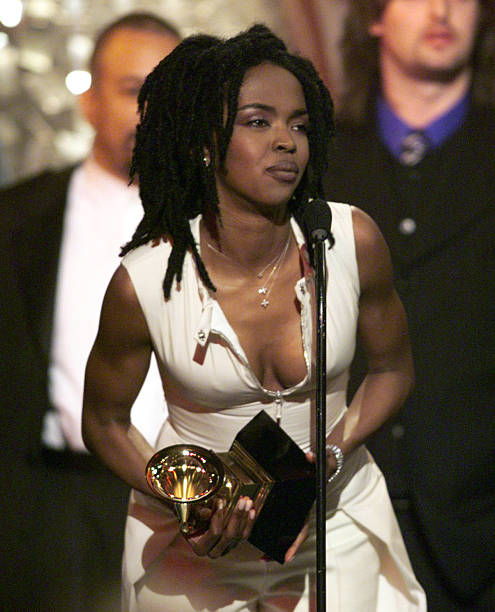
Beyond movies, women in fashion and luxury spaces have normalized showing up in locs. Zendaya has worn loc-inspired styles on red carpets like the Oscars, pairing them with high-end couture. Instead of being seen as rebellious or alternative, locs were styled as elegant and high fashion.
The passage of the CROWN Act (Create a Respectful and Open World for Natural Hair) beginning in 2019 provided legal backing against hair-based discrimination in workplaces and schools across multiple U.S. states. For decades, locs were deemed “unprofessional” in corporate settings, and individuals were disciplined or denied employment because of them. The CROWN Act shifted that landscape by formally recognising natural hairstyles, including locs, as protected under anti-discrimination law.
The natural hair movement of the 2010s broadened acceptance of textured hair overall, making more women reject relaxers and embrace protective styles. Long before the CROWN Act, India Arie, a musical pioneer, wore locs publicly while performing and in the media, symbolizing pride in natural hair and empowering Black women to embrace their textures. Locs became a practical evolution, and social media accelerated this process. Platforms like Instagram, TikTok, and YouTube created room for women to document their “loc journeys,” transforming the private commitment into a shared community.
Why More Women Are Choosing Locs
There are practical, protective, and personal reasons why women would choose to go for Locs, and one reason is to save time. Once your locs are set, you don’t have to worry about spending hours every day combing and detangling. For women balancing work, school, motherhood, and business, dealing with loose natural hair can be demanding. Choosing to your hair also reduces the frequent visits to the salon. Many women find that they save money and time on long-term hair care compared to regular perms, weaves, or braids.
Locs are also great for hair health as they are not heavily affected by humidity, making them an ideal worry-free hairstyle. They protect tightly coiled hair from breakage caused by constant brushing or heat styling, helping it grow stronger and longer.
Another reason is identity and pride. Locs connect women to their heritage and natural hair texture. Seeing icons like Lisa Bonet or Ava DuVernay in locs helps normalize them in creative and professional spaces, proving natural hair can be elegant, versatile, and respected. Many see it as a journey of self-expression, growth, and pride in their natural look. Locs have become a powerful, unapologetic statement of pride in their natural hair, rejecting societal pressures to conform to Eurocentric beauty standards.
Locs can be styled in many ways, including buns, ponytails, updos, and braids. With celebrities and professionals alike wearing them, locs have become a fashionable, versatile look suitable for both casual and professional environments. Choosing locs today is about practicality, hair health, cultural pride, and personal style.
Microlocs and Sisterlocs
Locs are trending, but it’s the smaller styles: microlocs and sisterlocs. They are delicate, neat, and give off a more polished look. They have become the go-to for women who want their hair to look “well put together” without losing the natural, protective benefits of locs.
Cost-wise, these styles can be a smart investment. Installation takes time, but maintenance is generally straightforward and less frequent than daily styling with heat or chemicals. Over time, this reduces the stress on hair and maintenance costs.
These smaller locs sit neatly, hold their shape, and fit seamlessly in corporate settings, creative industries, and formal events. Actress Kerry Washington has sported micro-style locs in public appearances, demonstrating how they can blend elegance with practicality. These small locs allow women to experiment without committing to one large loc style. They can start small, see how they feel, and grow their loc journey gradually. This flexibility makes them perfect for anyone exploring locs for the first time or wanting a refined, professional look.
Microlocs and sisterlocs are a modern twist on a classic hairstyle: they demand time and care, but the result is a hairdo that combines practicality, aesthetic finesse, and cultural pride.