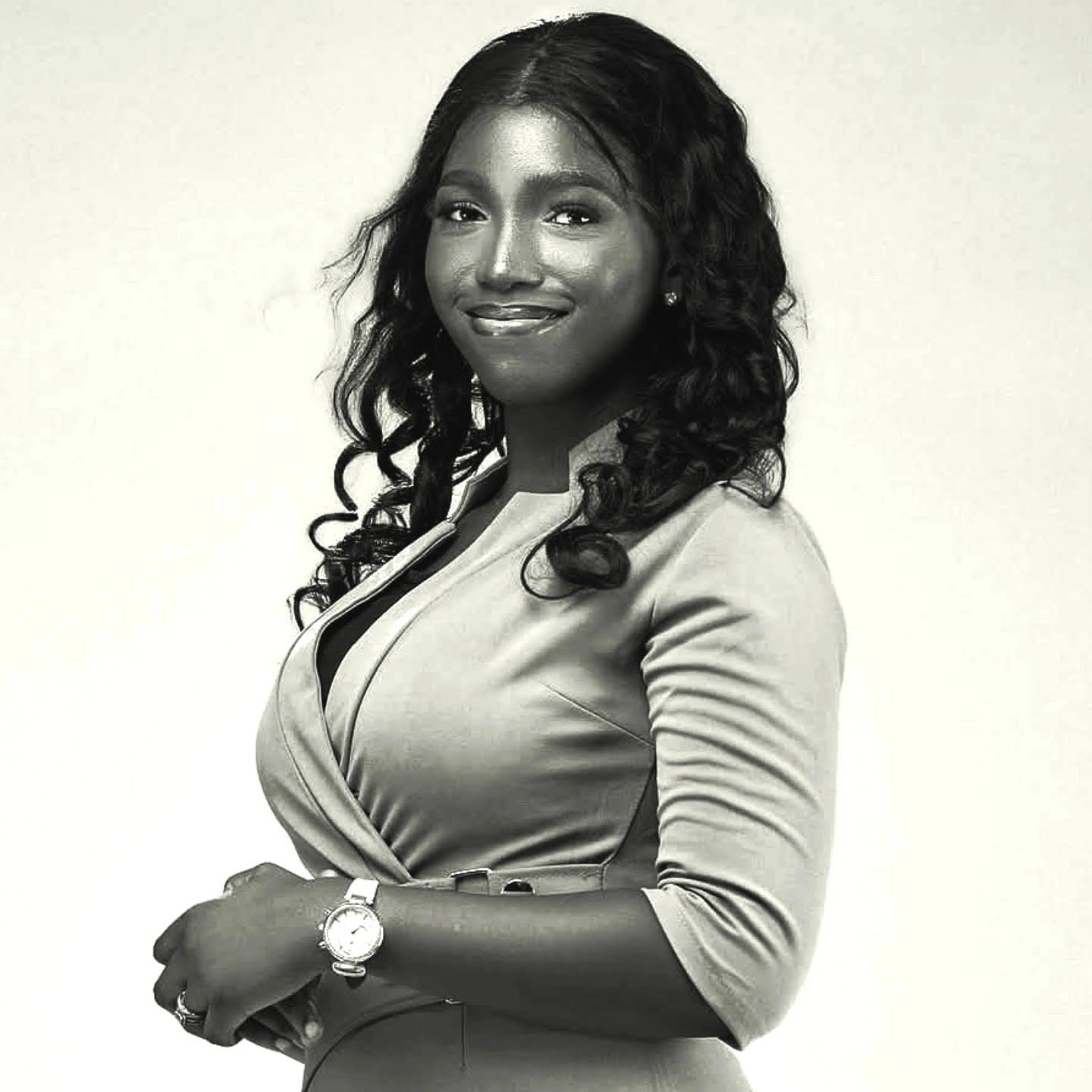

I met Tola in Ikoyi, a 29-year-old make-up artist with a soft, rectangular frame. She wore an adire tailored blazer over wide-legged trousers, a subtle belt to hint at a waistline that didn’t naturally curve. “I used to feel invisible,” she admitted. “I thought body types were about perfection, about being an hourglass or a curvy goddess. I tried to force myself into shapes that weren’t mine. It never worked.”
Tola’s honesty rung a bell. Many of us grow up thinking that beauty, one that earns compliments, social attention, or cultural approval, comes pre-packaged in certain silhouettes. Hourglass, pear, apple, rectangle, inverted triangle: the names sound scientific, clinical, yet they carry weight far beyond anatomy. They suggest hierarchy, a ranking system for desirability. And for years, women like Tola, and countless others across Lagos and Africa, have measured themselves against it.
The idea of body types is not new. Dating back to early 20th-century anthropometry and the popularization of “ideal” measurements in fashion, body type charts have long categorized women, and sometimes men, into archetypes. The hourglass is said to be classic and desirable. The pear evokes soft curves. The rectangle is athletic or straight, and the apple is often associated with upper-body fullness.
Yet, these labels are tools, and not to be used as judgments. They are meant to help understand proportions, not to determine worth.
Understanding your body type isn’t about rigidly classifying yourself. It’s about awareness: knowing what works with your natural frame, where your strengths lie, and how to dress in a way that makes you feel confident.
SEE ALSO: Everyone Is Getting a BBL. But Should You?
Tola’s frame is rectangular — shoulders and hips aligned, minimal waist definition. However, from the moment she walked into the café, she carried herself with ease. Her style mirrored that she understood her body: structured blazers that broaden her shoulders, high-waisted pants that elongate her legs, and wrap dresses that create subtle dimension where needed. Her body isn’t “flawed” or “lacking curves”; it’s a unique canvas for self-expression. She dresses for her body, and that day, it showed.
Knowing your body type offers you a strong tool for navigating cultural expectation. Awareness allows women to choose whether to engage with certain rends, adapt them, or ignore them entirely. It offers freedom from comparison, and instead fosters appreciation for your unique proportions.
Practical Ways to Identify Your Body Type
- Observe your proportions: Stand in front of a mirror and notice shoulder width, hip width, and waist definition.
- Dress experiments: Try different silhouettes. A-line skirts, high-waisted pants, wrap dresses, and observe which pieces make you feel most at ease and confident.
- Understand movement and fit: Notice how clothing moves with your body. Does it accentuate your natural lines or force unnatural shapes? Comfort is a sign you are working with your body type.
Knowing your body type can also inform fitness and self-care choices, not to “correct” your frame but to enhance functionality and well-being. Strength training for posture, stretching for flexibility, and mindful nutrition can help you feel grounded in your own skin.
What is your body type and how should you dress for it?

1. Hourglass

Anatomy & Proportions:
The hourglass is probably the most “classic” body type in popular imagination. Its defining feature is balanced shoulders and hips with a clearly defined, narrow waist. Think of it as a natural curve that’s symmetrical top and bottom, giving the body a “cinched” middle. Bust and hip measurements are often similar, while the waist is noticeably smaller.
Style Logic:
Because the hourglass naturally has curves, the goal is to highlight the waist without overwhelming the figure. Clothes that hug the body in all the right places are flattering.
Tips:
- Fitted tops and belted dresses: Accentuate the waistline. Belts at the natural waist create an elegant hourglass silhouette without exaggerating it.
- Fabrics that drape: Avoid stiff, boxy materials that hide curves. Fabrics that follow your shape — silk, jersey, crepe — highlight natural proportions.
- Wraps and tailored cuts: They enhance the hourglass line, emphasizing symmetry.
Why It Matters:
Hourglass figures are often celebrated in media, but the danger is over-focusing on curves. Style should enhance the body while allowing movement and comfort, not force it into exaggerated ideals.
2. Rectangle (Straight / Athletic)
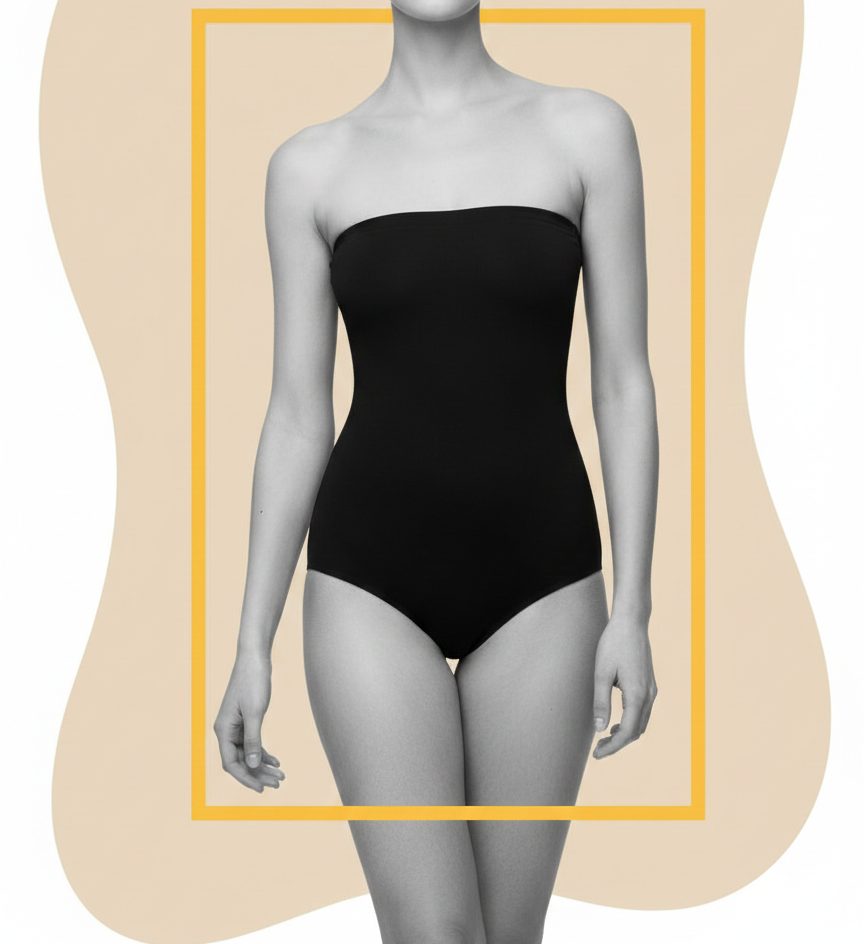
Anatomy & Proportions:
A rectangle body is characterized by shoulders, waist, and hips of roughly equal width, with minimal natural waist definition. It’s often athletic or straight, and movement creates less pronounced curves.
Style Logic:
Since the rectangle lacks a naturally defined waist, styling is about creating curves and dimension to make the silhouette more visually interesting.
Tips:
- Peplums: These tops flare out slightly at the waist, giving the illusion of curves.
- Belts: Cinching the waist adds definition and shape.
- Wrap dresses: Create subtle curves without adding bulk.
- Structured jackets: Add shoulder or torso definition, giving balance to the straight frame.
Why It Matters:
Rectangle figures benefit from play with proportion and layering. The goal is not to force curves unnaturally, but to highlight the body’s natural lines and create visual interest.
3. Pear (Triangle)
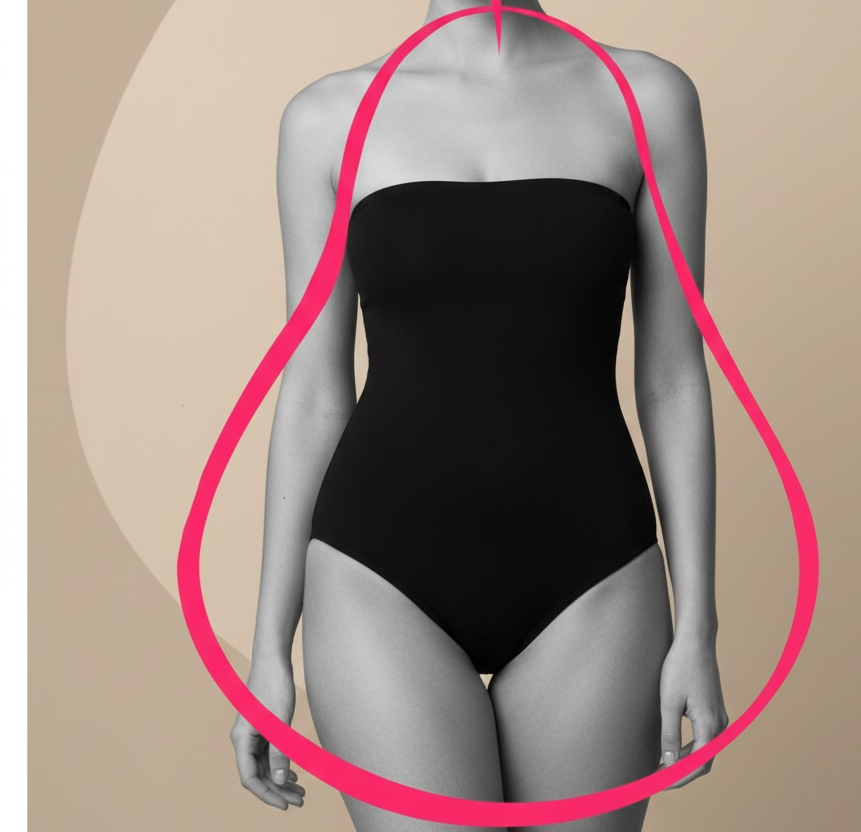
Anatomy & Proportions:
The pear shape has narrow shoulders and a smaller bust, with wider hips and thighs. The waist may be defined or slightly sloped. Essentially, weight and volume are concentrated in the lower half.
Style Logic:
Styling aims to balance the upper body with the lower body, drawing attention upwards while streamlining the hips.
Tips:
- Lighter tops: Bright colors, embellishments, or patterns attract attention to the upper body.
- Darker bottoms: Neutral or darker shades visually minimize the hips and thighs.
- A-line skirts: These skim over the hips gracefully, creating smooth lines.
- Tailored jackets with shoulder detail: Adds width at the top to balance proportions.
Why It Matters:
Pear-shaped bodies often get attention for their hips, but smart styling can create symmetry and elegance, enhancing confidence and versatility in dressing.
4. Apple (Round / Oval)

Anatomy & Proportions:
Apple bodies carry more weight around the midsection, often with a fuller bust, rounded stomach, and narrower hips and legs. Shoulders may be broad, and arms may be more prominent. Waist definition is minimal.
Style Logic:
Apple styling is about elongation and verticality, creating a streamlined silhouette that draws the eye away from the midsection.
Tips:
- V-necks: Lengthen the neck and torso visually.
- Empire waistlines: Cinch under the bust, creating shape without compressing the stomach area.
- Vertical patterns and lines: Give the illusion of height and slimness.
- High-rise pants: Define the waist subtly and create proportion with the torso.
- Flowing dresses or tunics: Skim the body without clinging to the midsection.
Why It Matters:
Apple figures are often powerful and bold. Clothing that elongates and balances proportions allows confidence to shine without forcing a shape.
5. Inverted Triangle (V-Shape)
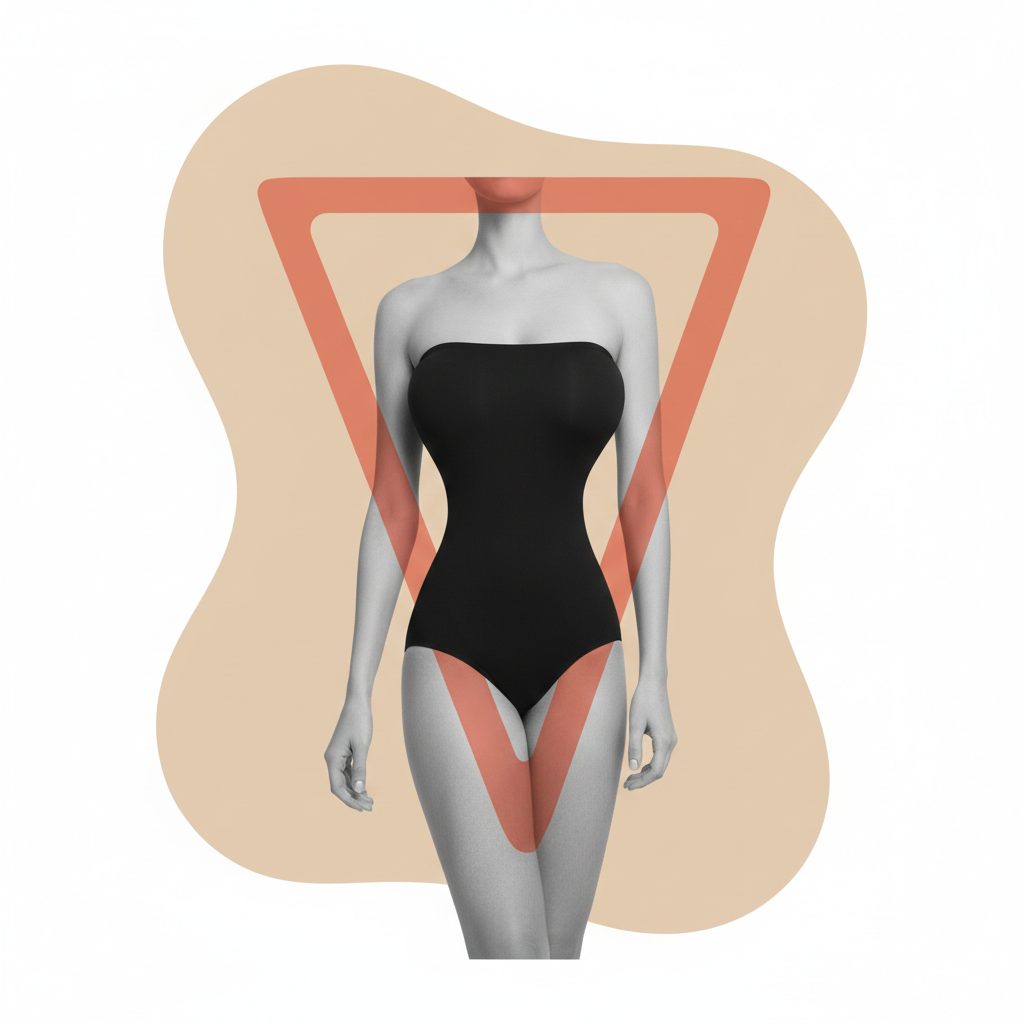
Anatomy & Proportions:
The inverted triangle has broad shoulders and bust, with narrow hips and a smaller lower body. The waist may be subtle, and the body tapers toward the bottom, creating a “V” silhouette.
Style Logic:
The styling goal is to soften the upper body and add visual weight to the lower body, balancing the frame.
Tips:
- Draped tops: Avoid overly structured shoulders; soft fabrics reduce visual width.
- Flared skirts or wide-leg pants: Add volume to the lower half to create balance.
- Minimal shoulder embellishment: Keeps the top from looking heavier than the bottom.
- Wraps and belted dresses: Can help emphasize waist while controlling upper-body proportions.