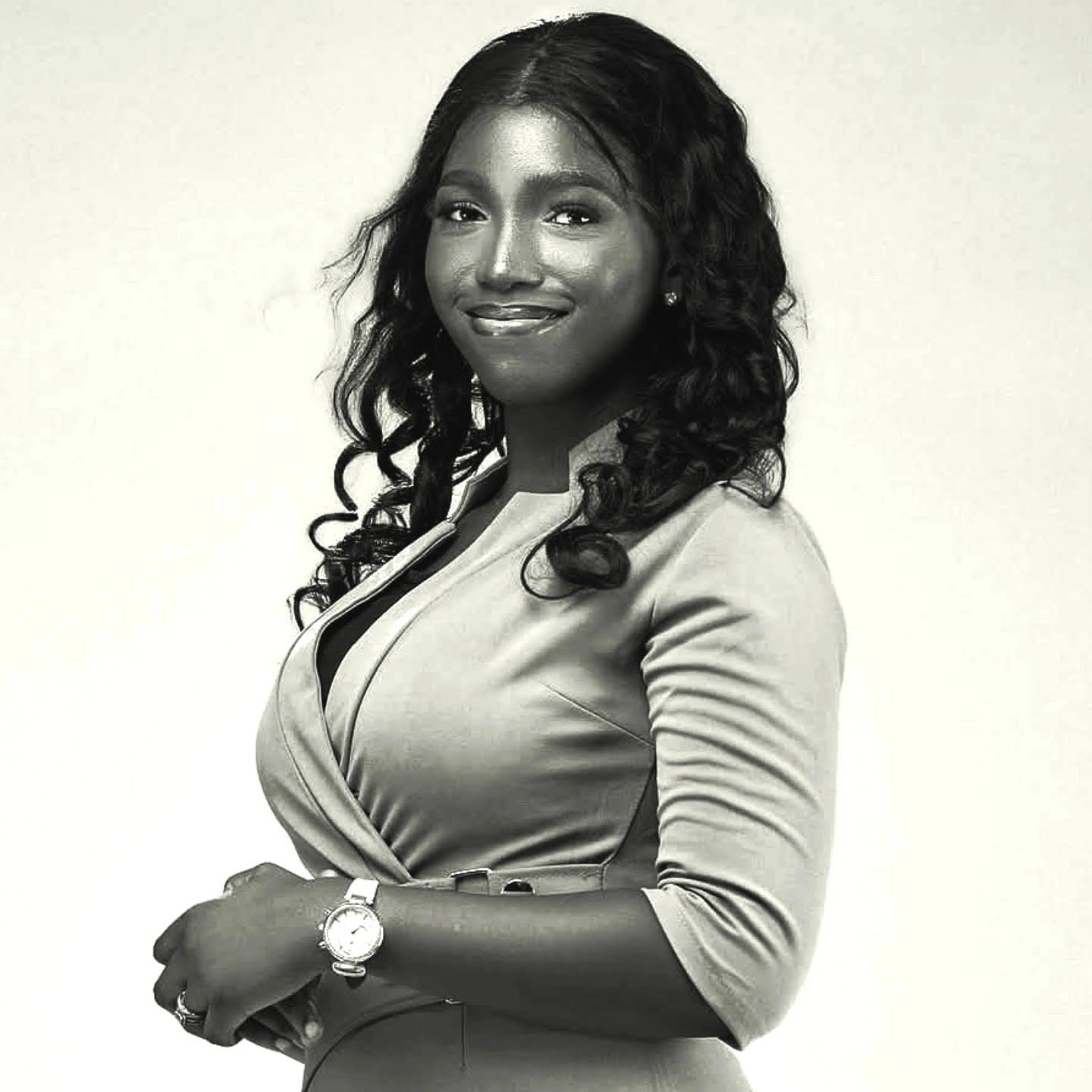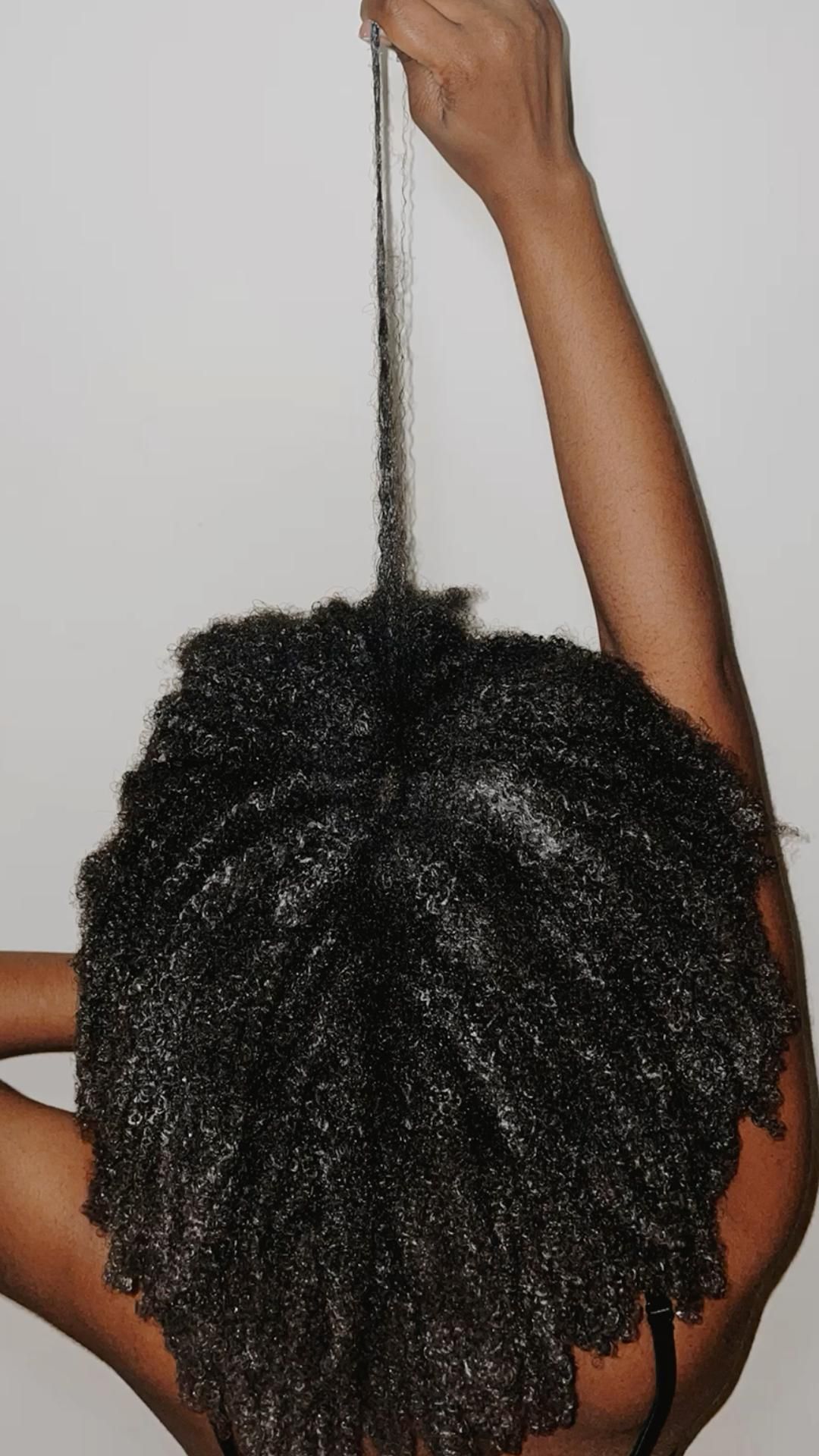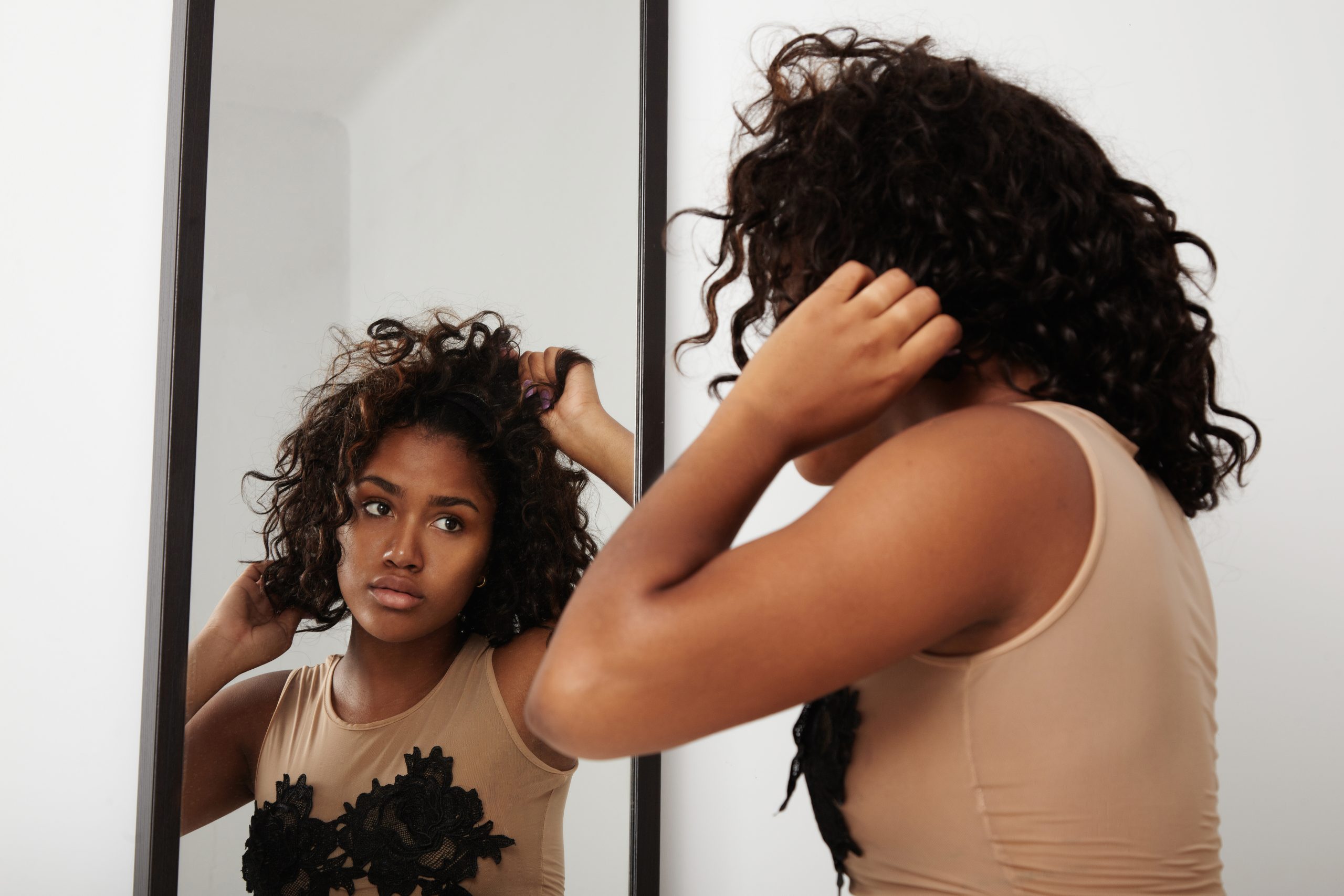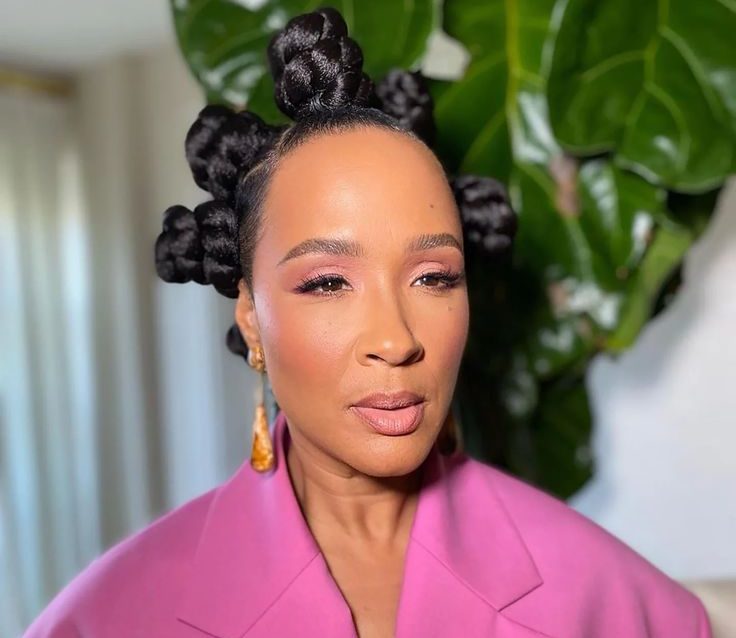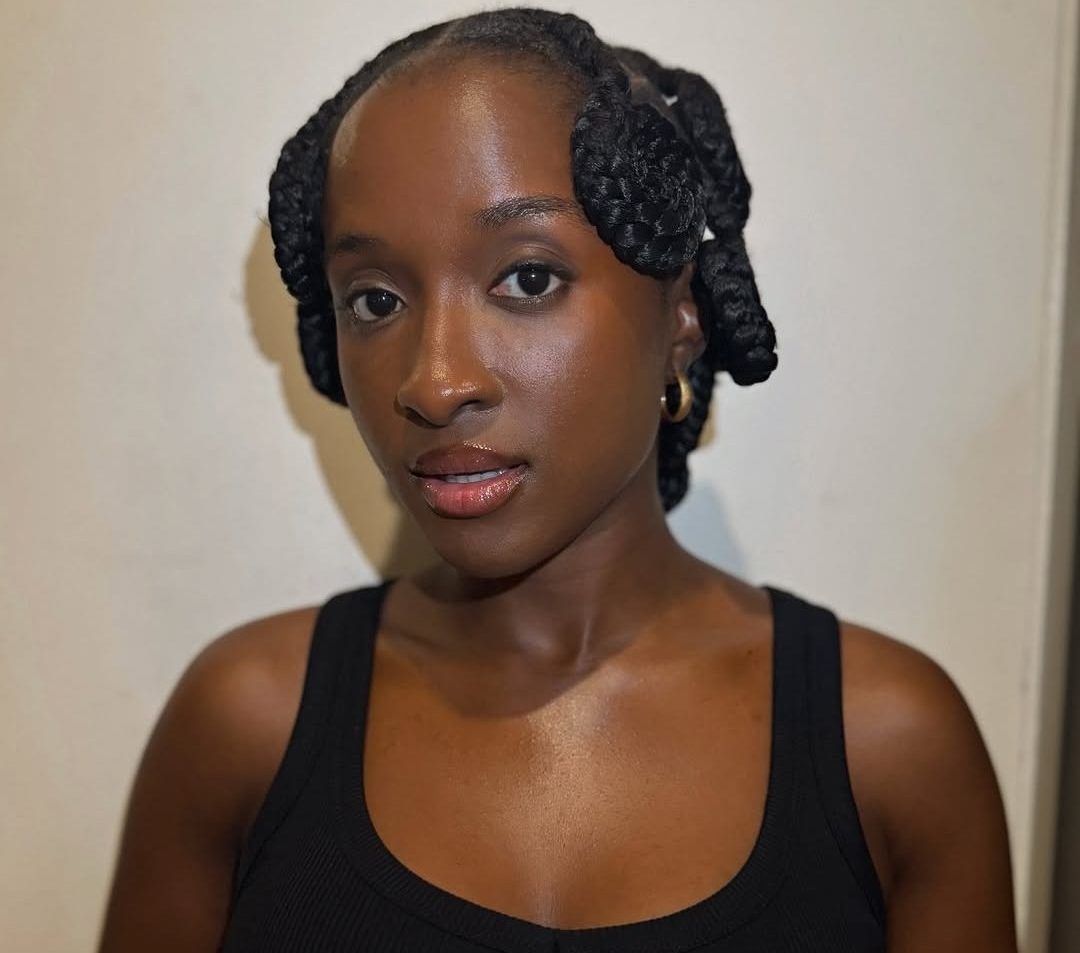
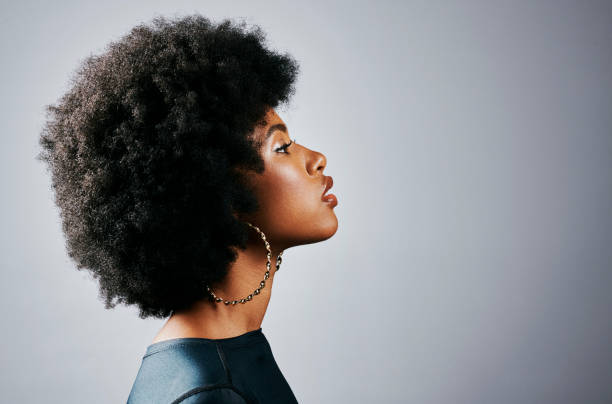
For a long time, I have observed how deeply Black women attach their self-confidence and self-worth to the quality of wigs and human hair they wear. The more luxurious the hair, the more poised and powerful they seem to feel. It’s a beauty standard that has evolved over time, yet its implications remain complex.
I recall a particular day when an older woman—someone I deeply admired—approached me. Expecting a meaningful conversation, I smiled warmly, eager to hear what she had to say. To my surprise, she had only come to offer unsolicited advice about my consistent choice to wear my natural hair. She urged me to experiment with wigs instead, insisting they added class and sophistication to a woman. Natural hair, she argued—no matter how well-kept—made one look “small” and “unserious.”
READ ALSO: Carcinogens in Synthetic Hairs? A Beauty Crisis.
Mind you, my hair was beautifully styled. I took great care in maintaining it—my strands were well-defined, my curls perfectly shaped. It was something I took immense pride in. And yet, in that moment, my pride was met with condescension. The audacity.
It was then I realized something unsettling: even among Black women, there exists a hierarchy of beauty—one that often places natural hair at the bottom.
Vietnamese hair, bone straight wigs, sleek ponytails, Brazilian bundles—the obsession with owning an extensive wig collection speaks volumes about modern beauty culture. It’s no longer just about convenience or self-expression. For many Black women, wigs have become a status symbol, a marker of class and sophistication.
The evidence is clear in the soaring demand for premium human hair. Women now invest heavily in high-quality wigs that promise not just length and volume, but an aura of effortless luxury. The craze reflects deeper societal narratives—ones that equate certain hair textures with desirability, success, and even social mobility.
Wigs, undeniably, offer versatility. They provide an easy solution for those who want to experiment with different looks without committing to a permanent change. They also serve as a protective shield from environmental damage, reducing the stress of daily hair maintenance. The appeal is understandable.
But beneath the glamour and practicality, what happens when the love for wigs comes at the expense of appreciating our natural hair?
For generations, African hair has been policed and politicized. Straight hair was historically seen as the “acceptable” standard, associated with cleanliness, professionalism, and social mobility. Relaxers, hot combs, and chemical treatments became tools of assimilation—necessary for success in spaces where natural hair was deemed unkempt or unprofessional.
Then came the natural hair movement of the 2010s—a powerful cultural shift that challenged these ideals. Social media played a pivotal role, as influencers and everyday women shared tutorials, product recommendations, and empowering stories about their natural hair journeys. Brands quickly adapted, launching an array of products tailored for curls and coils.
The movement was more than a trend; it was a reclamation of identity. Women proudly wore their afros, twist-outs, and braids, refusing to conform to outdated beauty standards. “Big chops” became a rite of passage, a symbol of freedom from societal expectations.
But even with this progress, an undeniable reality remains: the pressure to embrace natural hair often exists alongside an even stronger pressure to conform to Eurocentric beauty ideals.
Of course, hair is personal. Every woman should have the freedom to wear her hair however she pleases—be it in its natural state, braided, relaxed, or styled under a wig. The problem arises when personal choice is subtly shaped by external pressure—when wigs are not just an option but an expectation, while natural hair is seen as a less desirable alternative.
Many women genuinely love the convenience and elegance of wigs. But we must ask: Is our preference for wigs purely about style, or has it been influenced by years of conditioning that tells us our natural hair is not good enough?
It is one thing to enjoy wigs as a form of self-expression, but another to feel as though wearing natural hair in certain spaces diminishes one’s presence, professionalism, or attractiveness. The fact that some women feel more “put together” in a wig than in their natural curls speaks to a larger issue—one that cannot be ignored.
The conversation about wigs vs. natural hair shouldn’t be about choosing one over the other. It should be about dismantling the idea that one is superior to the other. The beauty industry, social media, and cultural narratives must shift towards true inclusivity—one that celebrates both natural hair and wigs without creating a hierarchy.
Women should feel just as beautiful and confident in their natural kinks as they do in a sleek 30-inch wig. One should never come at the expense of the other.
At the end of the day, the goal is not to shame anyone for their choices but to ensure that those choices are truly free—not dictated by societal bias or deep-rooted insecurities. Beauty should empower, not confine.
So, the next time we admire a luxurious wig, let’s also admire the beauty of coily strands. Because true beauty is not in the texture of the hair—it is in the confidence that comes with knowing we are enough, just as we are.