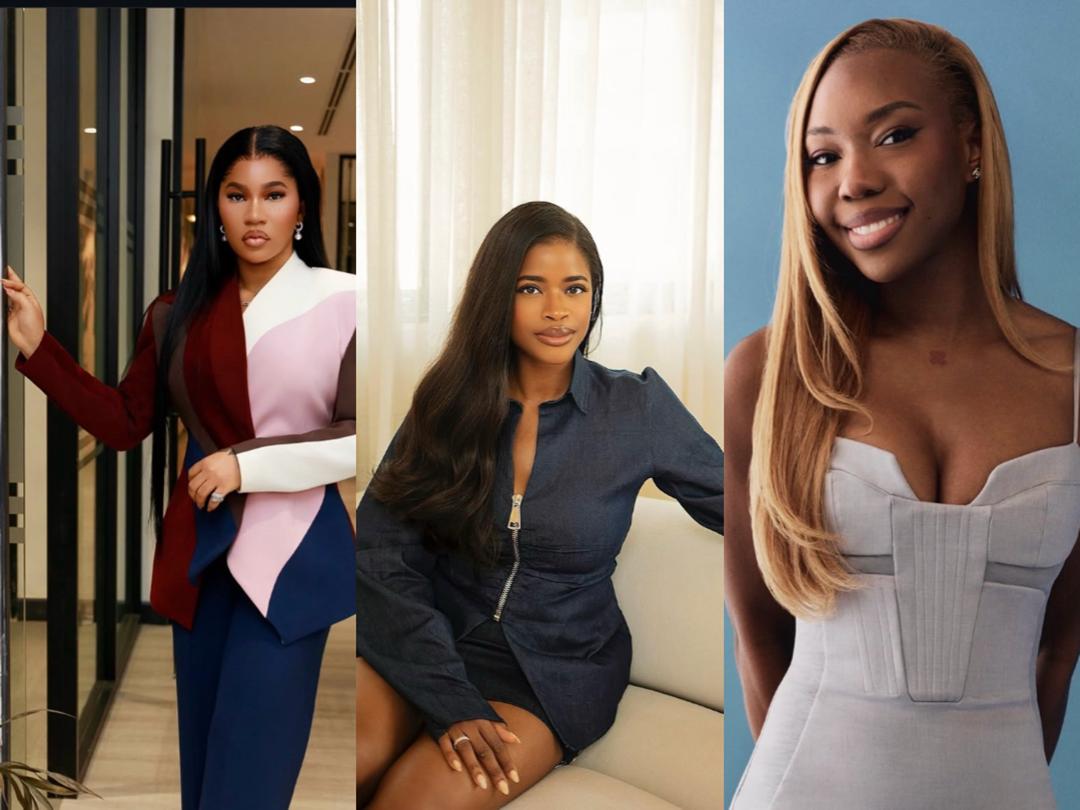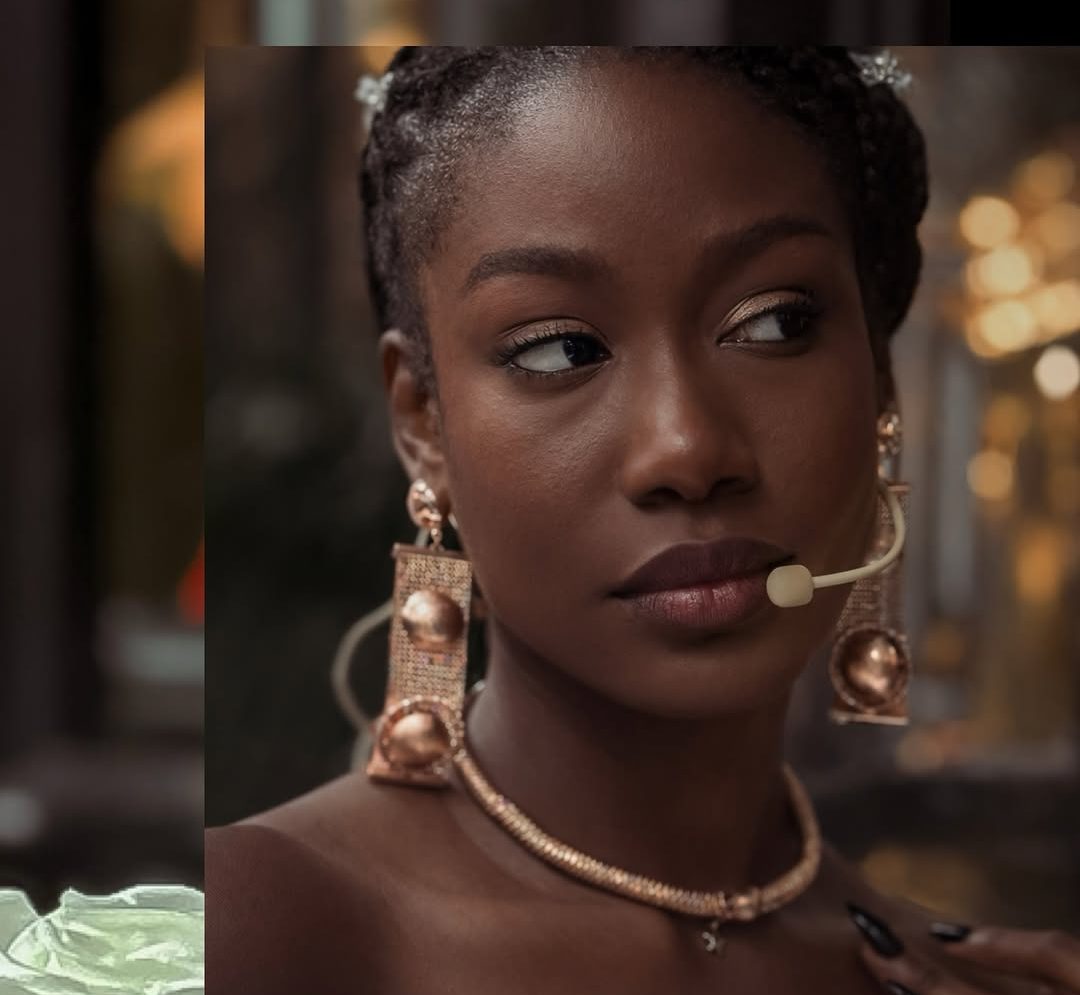
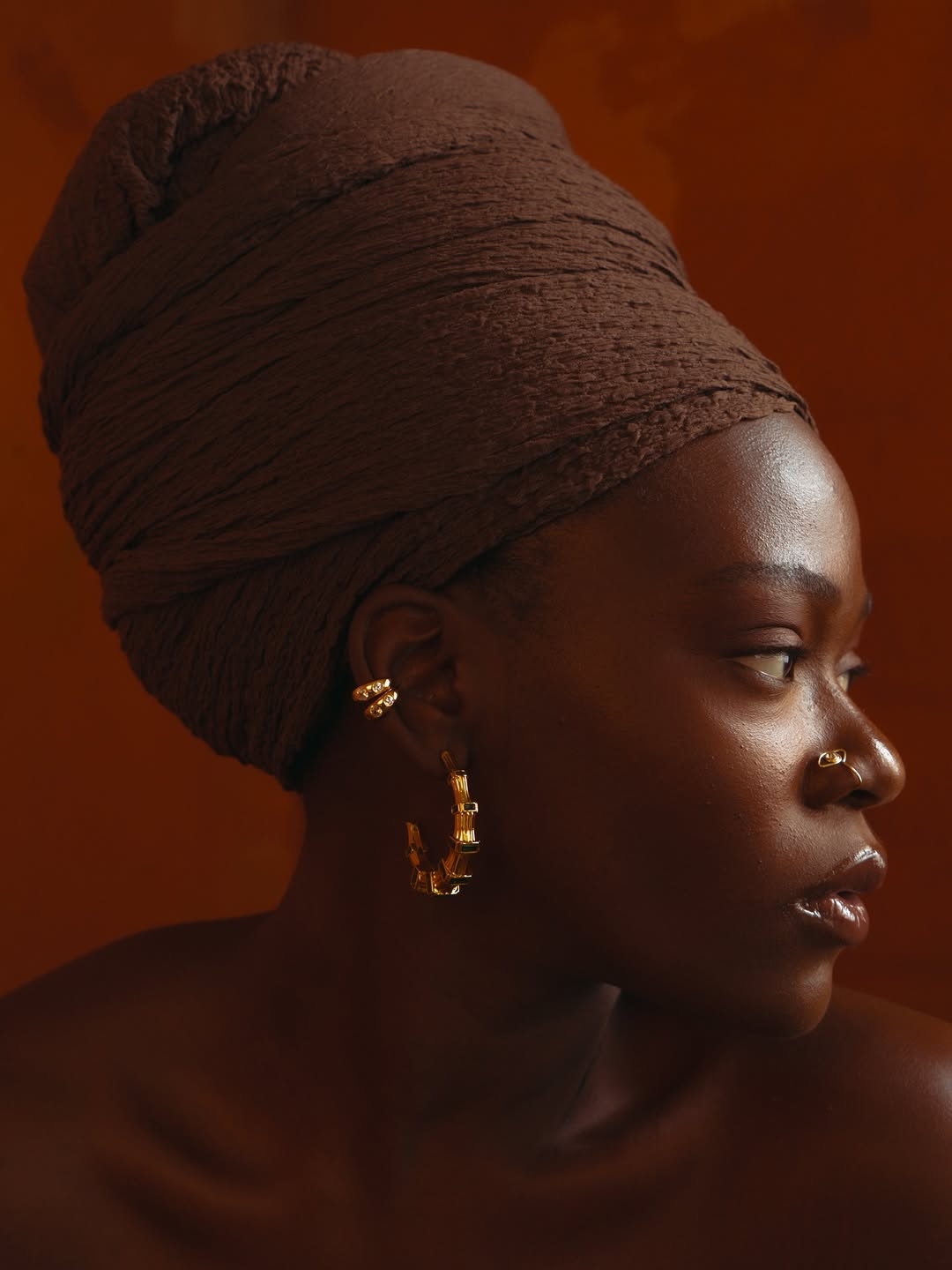
Let’s get this out of the way: the headwrap has always been here. But now, it’s having a very specific moment, the kind that doesn’t shout ‘I’m over here’, doesn’t come with tutorials that are three minutes too long, and definitely doesn’t feel try-hard. Instead, it gives off “this is how I’ve always dressed.”
If you’ve ever wanted to look like you grew up around polished women who smelled expensive and didn’t explain themselves, or like your father casually knows the president — a headwrap can absolutely help sell the story. This year’s headwrap revival isn’t loud. It isn’t dramatic. It’s calm, intentional, and quietly powerful. This kind of styling feels inherited. Which is exactly why people keep calling it old money.
Old-money style isn’t about showing wealth. It’s about ease, and wearing things that look familiar, even when someone can’t quite place why. Pieces that feel like they’ve lived a life before you.
When you apply that thinking to headwraps, everything changes. The fabric matters. The tie matters. The way the rest of your outfit behaves around it matters.
So if you want your headwrap to feel refined, timeless, and quietly elevated (not costume-y or performative), here’s where to start.
Start With Fabric, Because This Is Where Most People Get It Wrong
If the headwrap is stiff, shiny, or fighting gravity, it’s already doing too much. Old-money styling is allergic to anything that looks brand new or overly structured. Instead, it lives in fabrics that move. Cotton voile. Soft linen. Silk blends. Lightweight wool. Handwoven materials that drape naturally and don’t need convincing.
These fabrics don’t announce themselves. They sit comfortably on the head. They fold easily. They age well. And they instantly look more expensive than anything overly starched.
A soft silk headwrap in a muted tone, tied simply, will always look more elegant than a dramatic gele that arrives before you do. The goal here isn’t structure. It’s keeping it soft.
Keep the Colours Quiet (Yes, Quiet Is the Point)
Old money is never neon. When it comes to headwraps, think in neutrals and grounded tones: cream, olive, taupe, chocolate brown, sand, navy, charcoal, wine. Colours that feel settled. Confident. Unbothered.
This doesn’t mean you can’t wear colour — it just means the colour shouldn’t be shouting. Jewel tones work when they’re deep and slightly muted. Prints work when they’re subtle and feel traditional, not trendy. The kind of headwrap you can wear five times in a month without anyone noticing you’ve repeated it? That’s the one.
Let the Headwrap Do the Talking
If you’re wearing a headwrap and everything else is also shouting, the look loses its point. Old-money styling is about restraint. One strong element at a time. So if the headwrap is present, let it lead — and let the rest of the outfit behave.
Clean silhouettes work best. Tailored dresses. Soft kaftans. Crisp shirts. Structured blazers. Simple gowns that skim the body instead of clinging to it. Avoid competing prints or heavy layering.
The same rule applies to accessories. Keep jewellery quiet: small gold hoops, pearl studs, thin bangles. Nothing that fights the wrap for attention. Makeup should feel calm, too. Groomed brows. Even skin. A soft lip. The goal isn’t “done up” — it’s put together.
SEE ALSO:
Dress Like You’re Keeping It Forever
Old-money style always feels generational. Like someone could borrow it from you ten years from now and it would still make sense.
So when choosing headwraps, ask yourself a simple question: Would this still work if trends disappeared tomorrow? Avoid novelty fabrics and prints that feel tied to a specific moment online. Instead, choose wraps that feel slightly nostalgic — the kind your mother, aunt, or grandmother might recognise immediately.
SEE ALSO:
Over time, your headwrap stops being something you “try” and becomes part of how people recognise you. That’s when it turns into a signature.
Proportion Is Quietly Important
A refined headwrap understands balance. Too large and it overwhelms the face. Too tight and it feels rigid. The sweet spot is a wrap that frames your features without dominating them.
Soft folds flatter sharper faces. Slight structure balances rounder ones. The wrap should feel like it belongs to your face, not like it was borrowed from someone else.
Old-money dressing pays attention to these details.
Confidence Is the Part You Can’t Buy
Here’s the truth no styling guide can teach you: the most important element of this look isn’t fabric or colour or technique.
It’s comfort and confidence. A headwrap worn with hesitation reads differently from one worn with ease. When you’re constantly adjusting it, explaining it, or wondering how it’s being perceived, that energy shows. When you wear a headwrap like it belongs there — because it does — everything else falls into place.