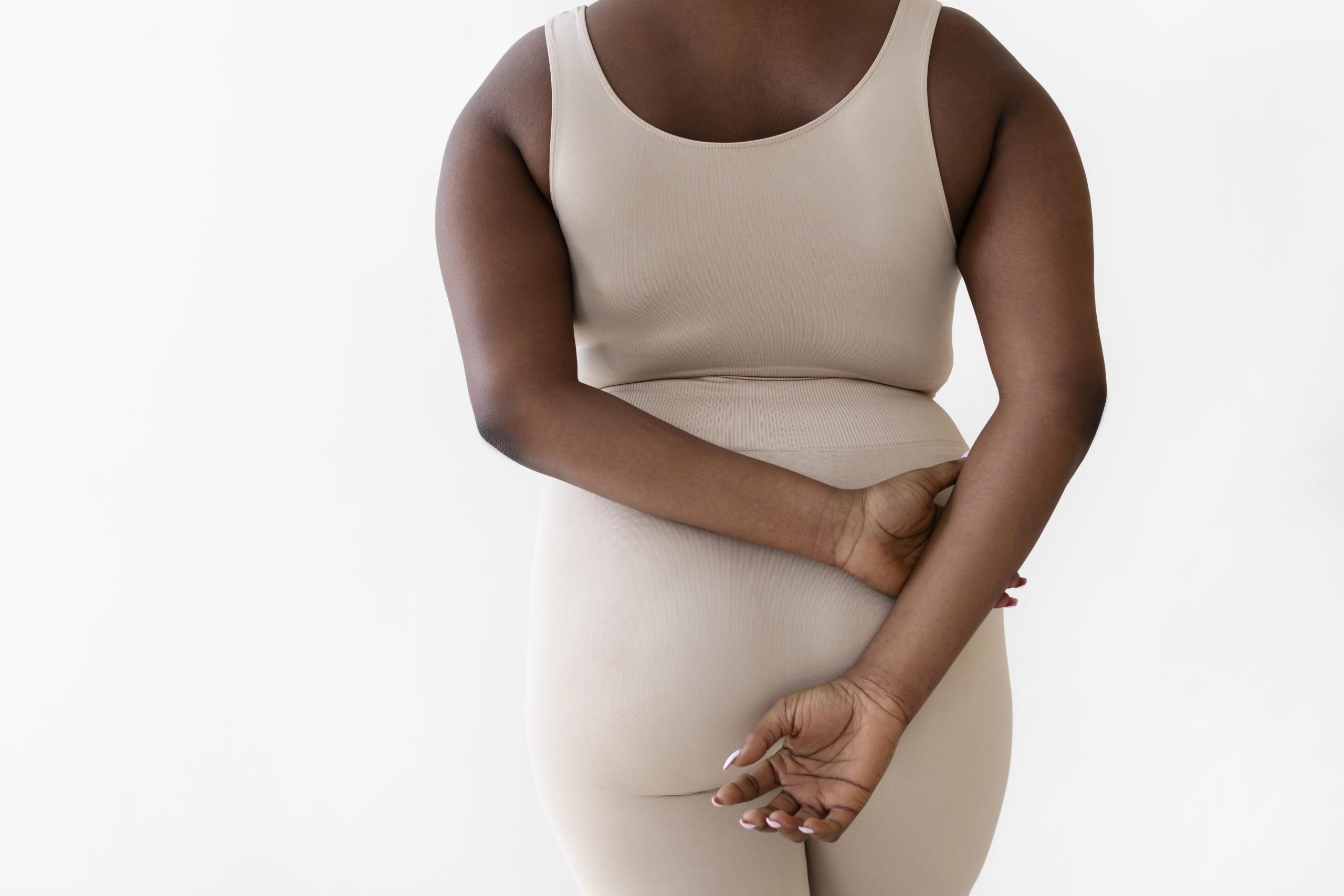

The Insecurities No One Talks About
When we talk about insecurities, we often limit it to body image and beauty, but it runs deeper than that for African women, especially in 2025.

African women have always covered up their insecurities by not wearing it on their faces. We could be going through a lot physically or mentally but still find a way to show up every time. Our culture, societal pressure, family, and now, social media form these insecurities.
African women have been boxed in since time immemorial, yet we have started rewriting the narrative. Cultural expectations and social inequality have shaped the quiet insecurities women battle daily. These insecurities are not formed from vanity; rather, they are the fruit of the realities women face at work, in the family, and even in their skin.
Here are Five Common Insecurities African Women Face Today:
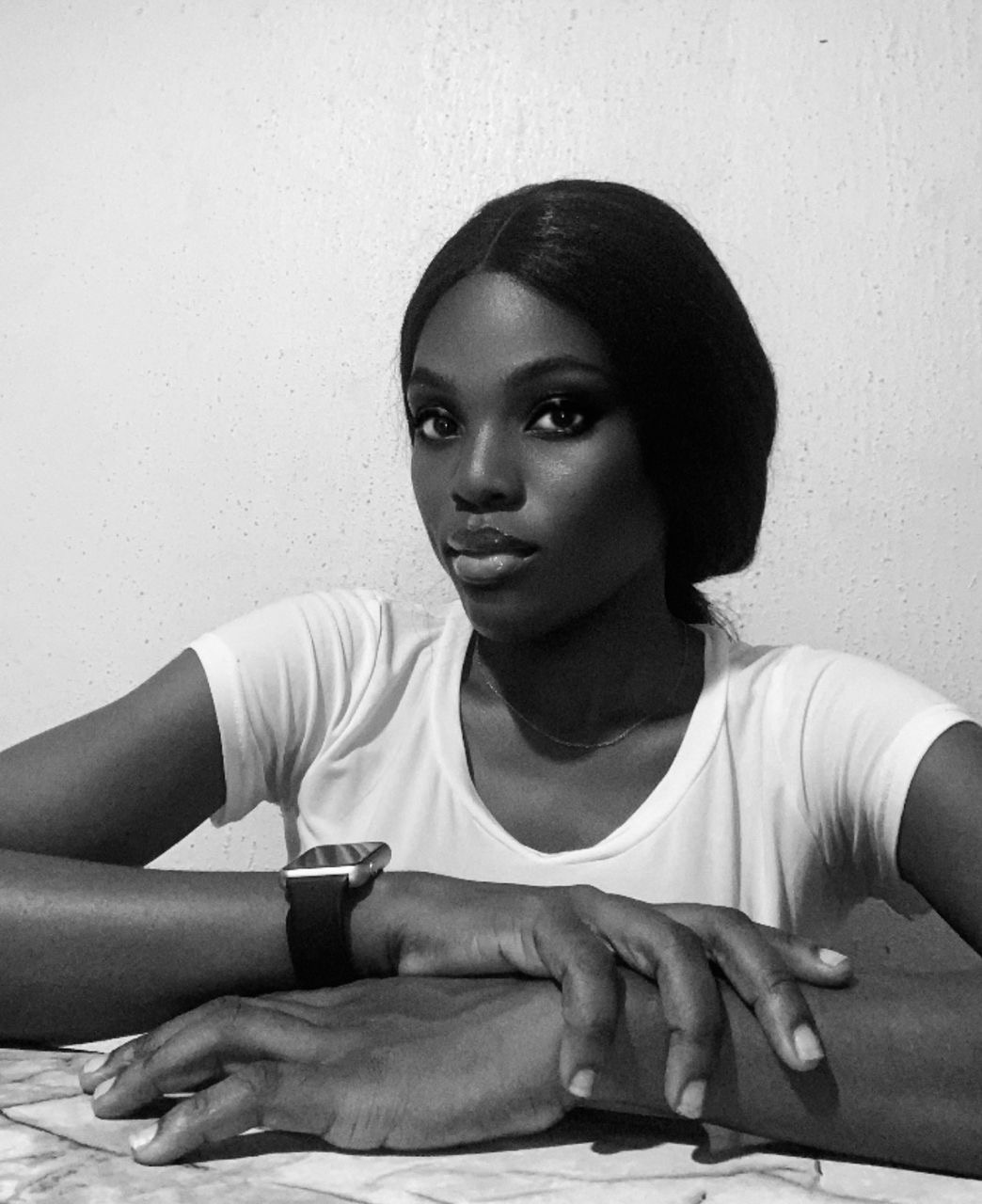
1. Body Image, Natural Hair & Colorism

Pop culture influence on embracing brown skin has proved abortive, because colorism still thrives in Africa. “Brown skin girl” in the mud. Light-skinned women are favored over dark-skinned women. They are subtly glorified in mainstream media.
Another major challenge that is on par with skin tone bias is body image. Short women are stigmatized. Thick women are told to trim down, and slim women are pressured to “add some flesh.” Stretch marks and scars are edited out of pictures or covered up with tattoos.
Despite the different advocacy for hair, natural hair is considered unprofessional in some organizations and unacceptable in social functions. Societal beauty standards, skin conditions, and body shape and weight aren’t issues women should be facing in 2025 if we are all confident in our skin, kinder to each other, and mind our business.
It doesn’t have to be popular before we accept ourselves. Choose yourself and the world will adjust.
2. Workplace Discrimination
The African woman’s competence is constantly being questioned, she is underpaid compared to her male counterparts, and she is denied access to promotions due to social conditioning that has crept into many workplaces. Too firm? She is called “rude.” When she is calm, she is considered weak.
Single women have the short end of the stick. They cannot rent apartments because landlords require proof of a husband. They cannot get promoted over a man who has bills to pay and a new wife to cater to.
Workplace gender bias has women questioning their abilities, but the best decision any woman can make is self-acceptance. Communities are rising daily to help women find their voice through mentorship, advocacy, and support systems.
3. Health Issues
There are too many health challenges that accompany womanhood. These are some of the causes of body image insecurities. From PCOS to endometriosis, many health challenges plague the woman’s body, making many women float through their days, carrying the heavy weight in silence.

Insecurities have many women self-medicating and asking Google about their symptoms. Women do not trust in the health system. The health sector makes women feel unheard and invisible, increasing the mortality rate and late detection of cancer.
A new wave of initiatives led by women is attempting to bridge this gap.
4. Sexual & Domestic Violence
Sexual violence is a horrid memory that never fades, not to mention the stigma. From catcalling to harassment and rape, the system is yet to catch up on protecting sexual abuse victims.
The emotional weight one woman has to carry is overwhelming for the adult mind; now imagine people who have been dragging theirs from childhood.
Women have been told to dress appropriately to help the men avoid temptation, yet girls who cover up their innocence fall victim to abuse. Rape victims have been blamed for visiting their abusers. Still, females of different ages are molested by acquaintances in their homes.
Women are afraid to speak in their own homes as a result of physical, emotional, and psychological abuse. Law enforcement trivializes cases of abuse. These insecurities affect how women function daily. Our society can do better with gender bias, victim-blaming, and stigmatization.
5. Postpartum Challenges & Body Changes
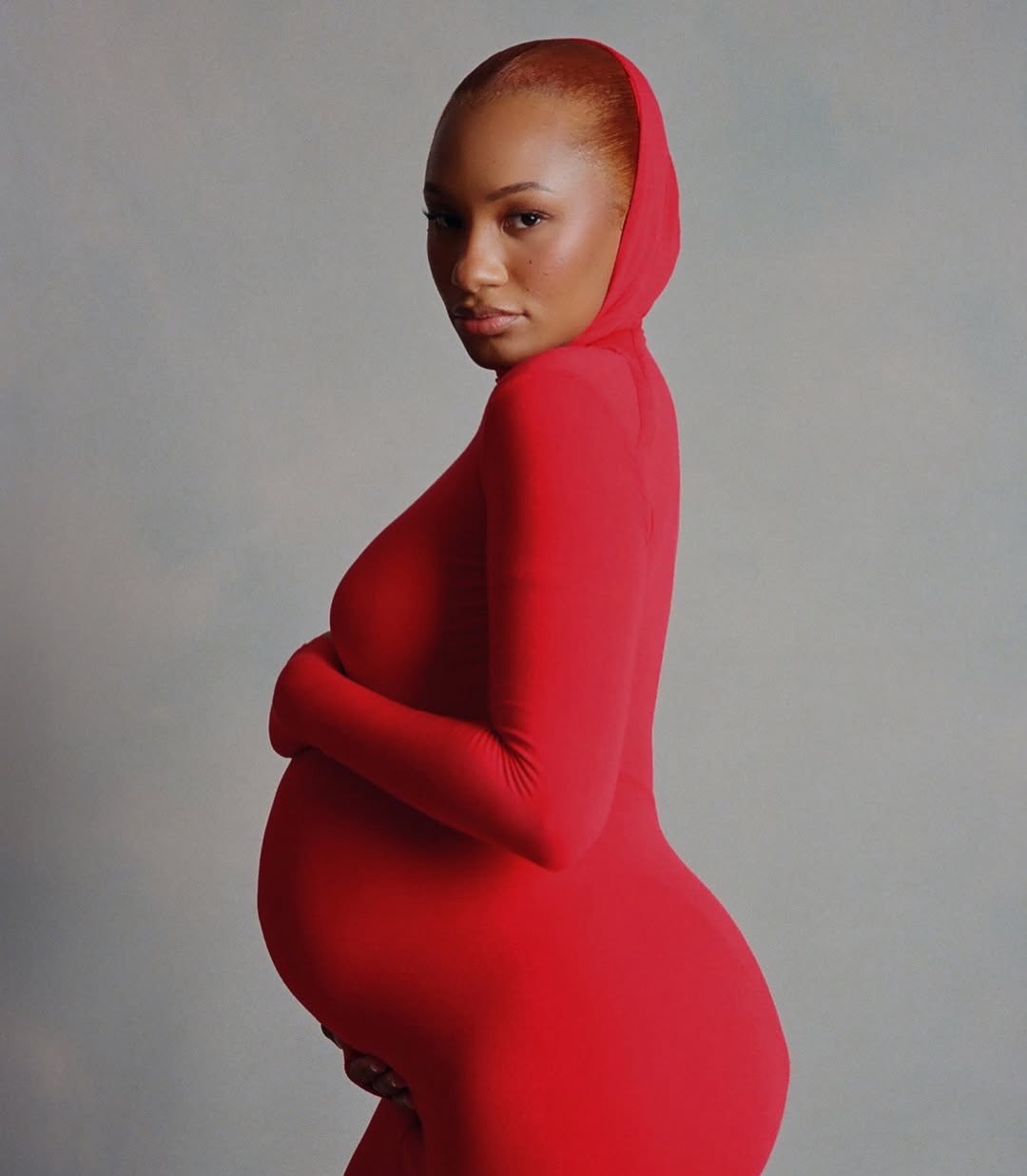
Some women face the stigma of infertility, while some are trying hard to accept their bodies after childbirth. New mothers are required to be strong, not laze around or use having a child as an excuse to slack their bodies.

Pregnancy is a trying phase, but it doesn’t end with the delivery of your baby. The nine-month journey is a preamble to the next phase, which gets demanding, to say the least.
The list of possible changes that a woman’s body is susceptible to, from pregnancy to postpartum, is scary, and an average woman can experience up to five symptoms at the same time.
Postpartum depression is seen as a spiritual attack or “abisiwin” as Yoruba’s call it; which translates as a woman who experiences a mental breakdown after childbirth. Meanwhile, all a woman wants is to be seen, heard and cared for during the recovery period.
Thankfully, women are encouraged to open up about their struggles and seek help.
The insecurities African women face in 2025 are rooted in history, culture, and survival. But each generation is unlearning more than the last.