

It was an unusually hot Saturday morning. I was scrolling through Instagram absentmindedly when the sound of an acoustic guitar playing a familiar progression made me pause. The nostalgia was immediate and disarming. This time, I held my phone tightly and scrolled back up, trying to locate the sound that had unsettled me. It was a rendition of “So Ala Teme,” originally performed by Cardinal Rex Jim Lawson.
The vocals, paired with the acoustic arrangement, gave the song a softer texture and immediately brought back memories, while the delivery made me want it to continue. The nostalgia was so strong, yet it did not feel confined to the 1970s. The song sounded like a present-day moment.
The voice behind the rendition belongs to Ifechukwu Mercy Michael, professionally known as Ifé. In recent months, she has been intentionally revisiting and reinterpreting highlife classics, introducing them to younger listeners while reminding older audiences of their enduring relevance. Although this may appear at first glance as simple acoustic covers, it seems to be an act of cultural preservation.
The Editor-in-Chief of Elowell Max, Elohor Ogaga-Edafe sat down with Ifé to discuss the motivations behind this artistic direction, the responsibility that comes with reworking foundational Nigerian music, and why this is the right time for this.

It began, she tells me, as something that felt natural, a return to the sounds that defined her earliest years. “Honestly, it felt like a natural evolution. I’ve always been drawn to highlife all my life. It’s the soundtrack of my childhood, those vinyl records. Even my parents, who were both musicians and had albums, also played a role in my love for music.”
But as she grew as an artist, she started to notice something missing in the scene. There was a gap between the music of the legends and the ears of the younger generation. Highlife was the foundation of the culture, yet it seemed to be fading for the youth.
The real turning point came during the COVID-19 pandemic. This period slowed down the pace of creativity, but for Ifé, it also brought a lot of clarity. After talking it through with her manager, she realized she had a unique opportunity to act. “The pandemic and some personal reflections during quieter times made me think, and my manager, Mr. Kenechukwu Ibedu, who strongly believes we could make something out of this, so we decided: why not use my voice to bridge that gap?”
She started small, testing the waters with simple acoustic sessions. “I started with acoustic sessions. Slowly, it evolved into what it is today and the response has been very overwhelming.” She tells me that, so far, people have been sharing deep stories of their own connections to these songs.
Ifé believes this is not just about singing old songs. She also has to do the work of making sure the soul of the music stays intact. It takes deep research and a lot of respect for the original lyrics to get it right.
She is also quick to point out that this wasn’t a move made out of a lack of ideas or original material. She has plenty of her own stories to tell, but right now, the ancestors seem to be leading the way. “I could have focused on new originals. Of course, I have my own songs that are originals, but this felt urgent – like a calling to honor the elders while infusing my contemporary style. I feel like the spirit jumped inside of me and I cannot resist it.”
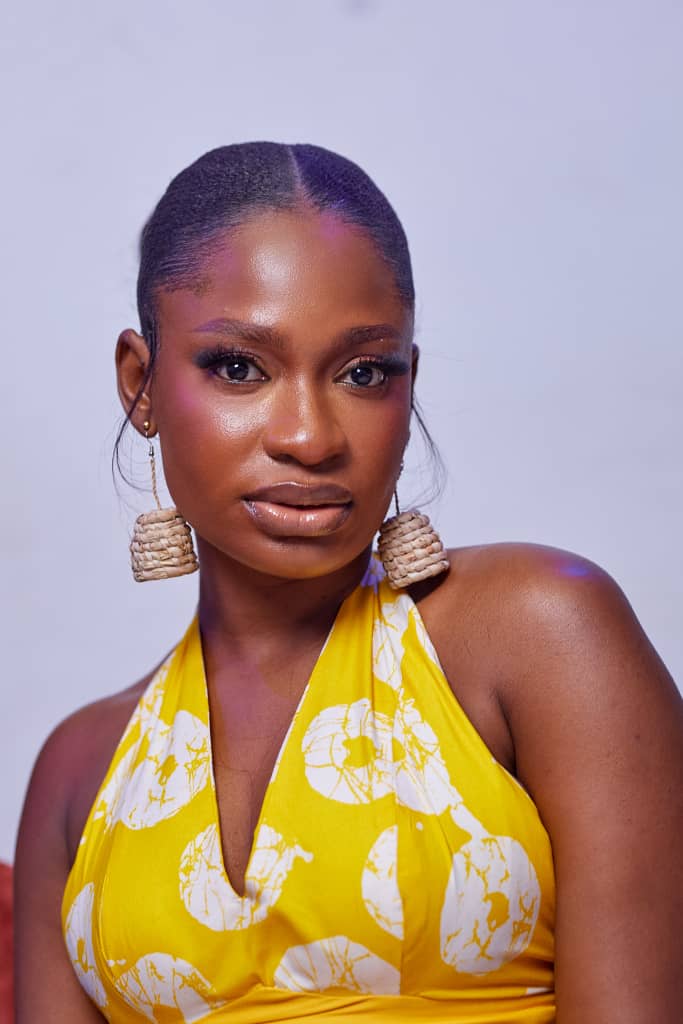
In Ifé’s view, timing is everything. She sees the music world moving at a breakneck speed, and while the fusion of sounds is exciting, she worries about what might get left behind in the noise. She explains that there’s a risk of losing our roots amid the hypes and false equivalence.
She isn’t afraid of the digital age, though. Instead, she sees social media as the ultimate tool for a comeback. For her, the internet has leveled the playing field, making it the best time to bring back the classics. “So now, with social media democratizing music, it’s the perfect moment to reintroduce these gems.”
“It’s educational for me too. Look at how Phyno’s “Pino Pino” samples the Oriental Brothers’ guitar riff from “Nwanyi Di Ya Bu Eze.” It’s proof that classics are influencing today’s hits.”
Ifé believes there is weight and truth in these old melodies that modern life sometimes lacks. “These songs offer wisdom and simplicity. They remind us of resilience, community, and joy.”
As the world continues to change, she sees a growing hunger for things that feel real and rooted. She wants to make sure the music stays in the streets and in the ears of the people, not just in a museum.
I asked how revisiting old classics influenced her songwriting and artistry. She says going back to the basics has completely changed the way she sees her craft. Immersing herself in the old masters has given her a new perspective on how to tell a story through song. “It’s been transformative. Diving into tracks like “Iheoma Adighi Onye Oso” by the Oriental Brothers or “Edikwansa” by Peacock Band has sharpened my focus on storytelling.”
“HighlIfe is poetic, full of metaphors and lIfe lessons – and that’s seeped into my originals. My songwriting always emphasizes emotional clarity and cultural depth; I think about how lyrics can teach while they entertain.”
The process has also refined her performance style. Artistically, it has pushed her to experiment with minimalism – just voice and guitar – stripping back to the essence. “It’s made me a better performer too, more intentional about pronunciation and meaning, so audiences connect deeper,” she adds.
For her, this work is a duty she owes to her heritage. On a personal level, it’s an honor and a responsibility. “Nigerian highlife is our history in melody,” she explains.
When she covers songs such as “Nwa Mbie” by Peacock Band, she says, “I’m not just singing; I’m translating vulnerabilities and praying for the powerless, as the lyrics imply. It means making the inaccessible accessible, correcting misheard words, explaining contexts and translating the lyrics to English Language – so everyone, not just Igbo speakers, can appreciate it.”
The singer goes further to explain that she sees her music and return to the old classics as a form of resistance.
“To me, what I’m doing is part of cultural activism: fighting erasure in a globalized world. And personally, it’s healing; it connects me to my ancestors and community.”
To wrap up our conversation, Ifé gets personal about the specific songs that shaped her. For her, these tracks are the maps she used to find her way in the world.
She points to legends like Cardinal Rex Lawson as the foundation of her upbringing. “They represent where I come from: the wisdom of proverbs, the rhythm of resilience.” Even songs like “Nye Asem Hwe” by the City Boys Band serve as a practical compass for her life today. “That’s real-life advice that’s guided me through relationships and the industry.”
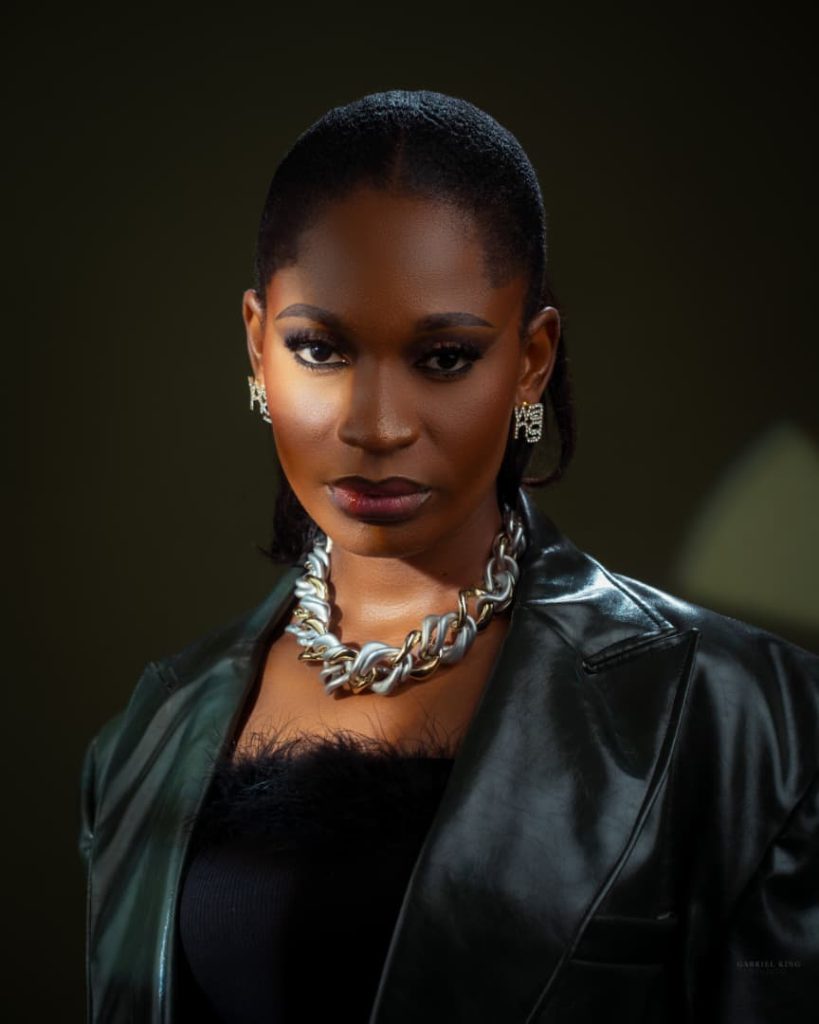
Through these songs, she has found a way to balance the pressures of being an artist. “They’ve helped me navigate my own journey as an artist, reminding me that vulnerability and strength coexist. Sharing them now feels like living life to the fullest without keeping anything unused.”
Out of curiosity, I asked which moment really lit the spark for this journey, but she finds it hard to pick just one. “I have done alot. I cannot really say but Okwudili by Paulson Kalu was magical. I have done alot of Osita Osadebe, Onyeka Onwenu, Edikwansa Peacock Band. And i am not stopping.”
It was her cover of Edikwansa that really proved she was onto something special. “I remember posting my cover, and the feedback was electric – people saying it transported them back to their childhoods.”
That one moment opened the floodgates, leading her to dive deeper into the catalogues of the Oriental Brothers and Rex Lawson.
As for what’s next, Ifé is already moving toward a bigger stage. She’s currently in talks to take this revival to the next level, ensuring the legacies of these artists are handled with the respect they deserve. “I am in talks with the right people to take it to a different level. I have visited Premiere Records, the company that owns the rights to some of these classics, and we are hoping to see what we can work out of these classic songs.”