Deciding to stop bleaching is easier said than done. After years, sometimes decades, of altering your skin tone, quitting can feel like stepping into the unknown. What most people don’t realize is that the decision itself is only the first step; the real challenge comes when your skin begins to adjust and heal.
A Nigerian UK-based aesthetician, Okikiola Emaleku, who has guided multiple clients through bleaching recovery, explains, “When skin is compromised from bleaching, it often lacks hydration and barrier function. Hyaluronic acid doesn’t just moisturize — it helps the skin heal from the inside out.”
In 2025 alone, Okikiola supported eleven clients through their journey to stop bleaching. One common factor she noticed among all of them was a lack of preparation. “What makes the journey harder for most people is that they do not have a full understanding of what to expect. So when they are faced with those skin concerns, with those challenges, they panic. They don’t know what to do, so they go back to what they know — bleaching.”
SEE ALSO: How Soon Should You Resume Skincare Postpartum?
Understanding what your skin may go through can make the process far less intimidating and reduce the likelihood of relapse.
SEE ALSO: 5 African Herbs That Do Wonders for the Skin
Rebound
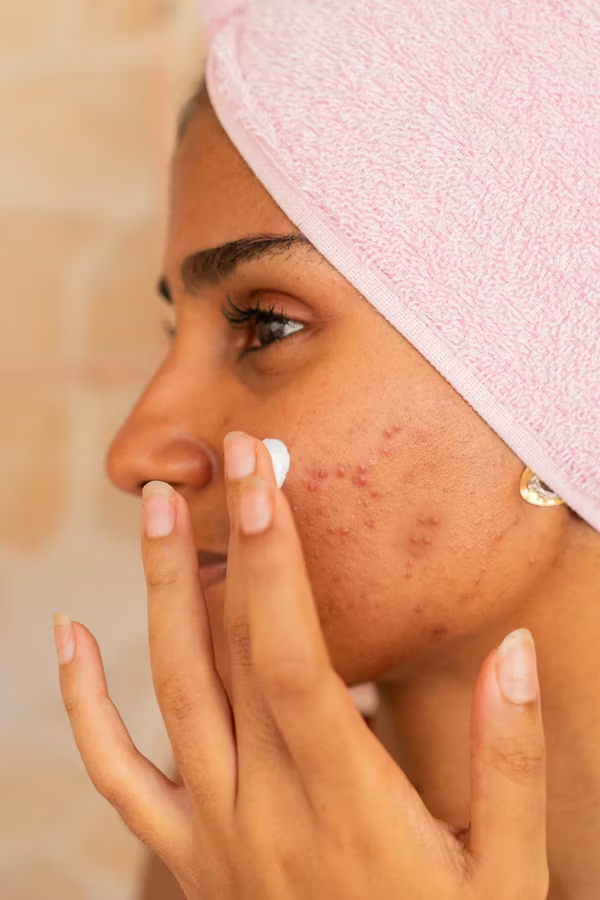
The first and most common reaction is known as rebound. During this phase, the skin darkens — sometimes even darker than it was before bleaching began. This darkening is often uneven, resulting in patchy hyperpigmentation. “You may experience severe hyperpigmentation in certain areas that are more sensitive than others — your knuckles, knees, elbows, those areas where you have joints and movement will be severely pigmented,” Okikiola notes.
While this can be alarming at first, it is a normal part of the healing process and usually improves over time with proper care and hydration.
Topical Steroid Withdrawal
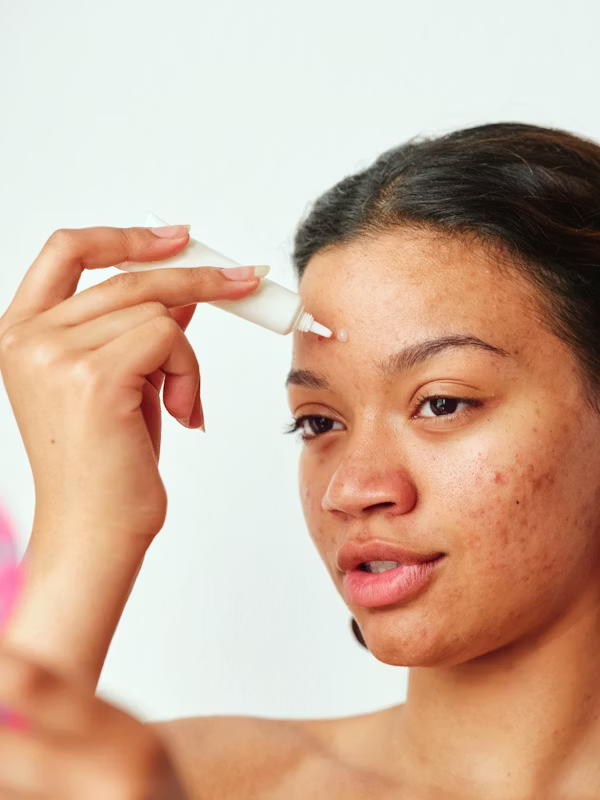
Another common challenge is topical steroid withdrawal, especially if the bleaching products used contained steroids. This can include burning, redness, thinning of the skin, visible blood vessels, and steroid-induced acne. Some people may even experience symptoms that mimic severe eczema.
These reactions can be distressing but are temporary. Awareness and proper guidance are essential to help skin recover without returning to harmful bleaching practices.
Okikiola emphasizes that supporting your skin requires a routine focused on healing and protection. Gentle cleansing is key; harsh products only exacerbate irritation. Moisturizing is a top priority to restore hydration and rebuild the skin barrier. “Moisturizing your skin should be top on your list,” she advises.
Sun protection is non-negotiable. Even as your skin heals and patchiness is present, UV exposure can worsen hyperpigmentation and slow recovery. Pairing your skincare with antioxidants is also recommended. “Antioxidants play a very vital role in skin healing and recovery. Depending on the severity of the damage done to the skin, antioxidant IV therapy can be very helpful. And I mean under proper medical supervision, after blood work and monitoring — not unregulated infusions you see in salons,” she explains.
Recovering from bleaching isn’t just about skincare. The visual changes — darker, patchy skin, flare-ups, or irritation — can be frightening. Okikiola advises managing expectations and seeking support when necessary. “People will talk, and they will have opinions, but your skin health, your healing, and your long-term well-being matter more than any commentary,” she says.
Patience is crucial. Skin recovery can involve flare-ups, slow progress, and emotional ups and downs. Consistency and understanding that the journey is rarely linear are essential to long-term success.
SEE ALSO: Here’s Why You Should Never Get Skincare Products Without Reading The Ingredients.
The Road to Recovery
While it may take months, or even years, to fully recover, the results — healthy, natural skin — are worth it. For anyone considering this change in 2026, preparation is key. Knowledge, guidance, and a consistent routine help prevent panic and premature return to bleaching.
Stopping bleaching is not just about appearance; it is an act of self-care and a commitment to long-term health. “The journey is hard, but it is possible — especially when you are informed, supported, and patient with your body,” Okikiola reassures.
For anyone ready to stop bleaching in 2026, this guide offers a roadmap: anticipate changes, commit to skin healing, and seek professional advice when needed. Recovery is a process, but with proper support, your skin can regain its natural resilience and glow.
You can watch the full explanation and advice in her video here.