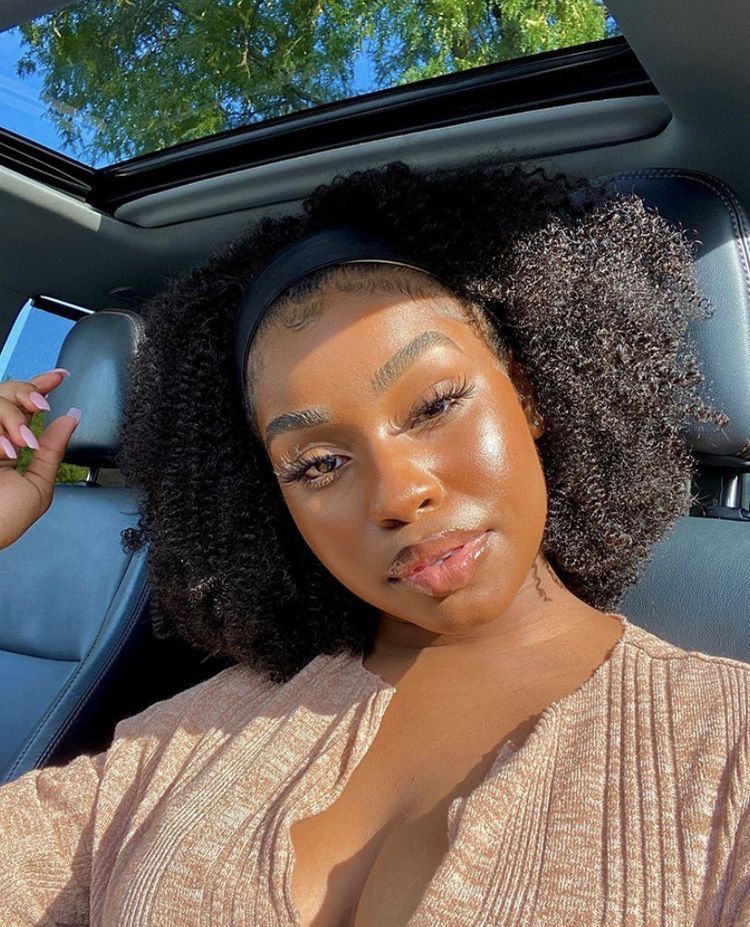
One day you catch your reflection and your skin looks bright, even, and glowing—practically a “Main Character” moment. The next day, you look in the mirror and things feel… off. Your complexion appears darker, duller, or strangely uneven, and you’re left wondering what exactly changed while you were sleeping. If you’ve ever felt like your skin has multiple personalities, you aren’t imagining things.
Skin tone fluctuation is incredibly common, especially for women of color, and it’s rarely caused by just one factor. Your skin is a living, breathing organ that is constantly reacting to your environment, your habits, and your internal health.
How Soon Should You Resume Skincare Postpartum?
Here are eight real reasons your skin tone keeps fluctuating, and how to get things back on a steady, glowing track.

1. “Accidental” Sun Exposure
Sun exposure is the undisputed champion of skin tone changes. Even if you aren’t spending the day at the beach, short bursts of daily exposure, walking from the office to your car, sitting near a window, or even just running into the supermarket—trigger melanin production. For our skin, melanin is a defense mechanism; when it feels the heat, it darkens to protect you.
What to do: Wear your sunscreen every single day, regardless of whether it’s cloudy or you’re “only going to be outside for five minutes.” Choose a formula that doesn’t leave a white cast (no one wants that ghostly look!) and reapply if you’re spending the afternoon outdoors.
2. Inconsistent Skincare Routines
Your skin absolutely thrives on consistency, but many of us treat our faces like a laboratory. Switching products every week because of a new trend, skipping steps when we’re tired, or using treatments sporadically confuses your skin. One week you’re exfoliating like a pro, the next you’re doing nothing—and your skin responds by becoming irritated or dull.
What to do: Pick a simple, steady routine and marry it for a while: cleanse, moisturize, protect. Introduce new actives slowly and give them at least 4–6 weeks to actually show you results.
3. Hyperpigmentation and Post-Inflammatory Marks
Dark spots from old acne, insect bites, or that one “stress pimple” you couldn’t help but pick can make your overall tone look like a map. As these marks heal at different speeds, your complexion can seem to fluctuate, lighter here, darker there. This is especially true for melanin-rich skin, which is “extra” when it comes to responding to inflammation.
What to do: Hands off! Picking only deepens the trauma. Use gentle brightening ingredients like Niacinamide or Vitamin C to speed up the fading process, and always keep healing spots covered in SPF.
4. Over-Exfoliating or Using Harsh Products
We’ve all been there, you exfoliate once and love the glow, so you think doing it every day will make you twice as bright. Plot twist: it does the opposite. Over-exfoliating strips your protective barrier, leading to redness and increased sun sensitivity, which eventually causes the skin to darken as it tries to heal itself.
What to do: Limit exfoliation to once or twice a week. Your skin isn’t a kitchen floor; it doesn’t need to be scrubbed raw to be clean. Focus on hydration to keep that barrier strong.
5. Hormonal Mood Swings
Our hormones play a massive, sometimes annoying, role in how much pigment we produce. Whether it’s your monthly cycle, pregnancy, stress, or even birth control, these internal shifts can trigger “melasma” or general patches of darkening. One week your skin is clear, the next it’s “acting up.”
What to do: Be patient with your body. Hormonal skin needs extra kindness, not harsher products. If the pigmentation feels aggressive or persistent, it might be time for a chat with a dermatologist.
6. Dehydration and Poor Nutrition
Your skin is often a mirror of what’s happening inside. When you’re dehydrated or skipping your fruits and veggies, your skin is the first to lose its “light.” It can appear dull, ashy, or grayish, making your tone look much darker and less vibrant than it actually is.
What to do: Drink your water, and no, coffee or carbonated drinks doesn’t count! Prioritize healthy fats and antioxidants in your diet. A real glow starts in the kitchen, not just on the vanity.
7. Product Buildup and Makeup Residue
If you aren’t cleansing thoroughly, leftover makeup, sunscreen, and the day’s “Lagos dust” are sitting on your skin. This buildup causes congestion and a literal film of dullness that makes your skin tone look uneven. Sleeping in your makeup is essentially an invitation for your skin to look tired and dark the next morning.
What to do: Double cleanse! Use an oil-based cleanser first to melt the day away, followed by a gentle water-based wash. It’s the only way to ensure your skin is actually “empty” and ready for your serums.
8. Stress and Lack of Sleep
When you’re stressed, your body produces cortisol, which is basically an “anti-glow” hormone. It triggers inflammation and can even mess with your pigmentation. Combine that with a lack of sleep—when your cells are supposed to be repairing themselves—and you get a complexion that looks inconsistent and drained.
What to do: Prioritize your rest. We know, “hustle culture” is loud, but your skin needs that 7–8 hours to reset. Even a weekend of proper sleep can make your skin look two shades brighter.
The Elowell Max Take
Fluctuating skin tone isn’t a “failure”—it’s just your skin talking to you. It’s reacting to the sun, your stress, and your habits. The goal isn’t to chase a filtered version of perfection, but to understand what your skin is asking for.
When you simplify your routine, stay consistent with your SPF, and treat your body with a bit more grace, your complexion will settle into its natural, beautiful rhythm. Your glow isn’t gone; it’s just waiting for the right support to come back out.