
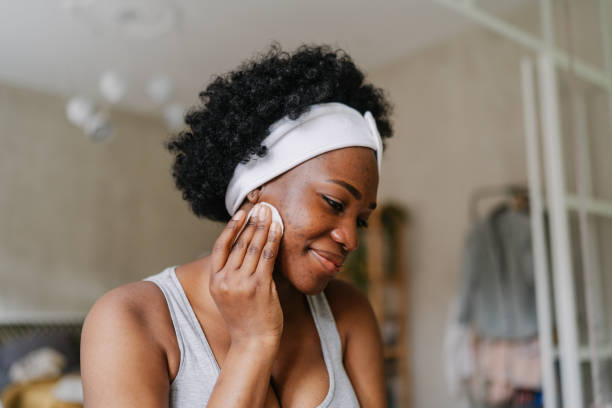
For many new mums, resuming skincare postpartum is quite challenging. The postpartum journey is filled with both joy and change. You’re holding your little one, adjusting to a new routine, and at the same time noticing how much your body, and your skin have experienced huge transformations. Stretch marks, melasma (pregnancy mask), dullness, or dryness may suddenly become the feedback you receive when you look in the mirror. There’s so much pregnancy and childbirth does to your skin and it’s entirely natural to want your glow back as soon as possible.
But here’s the truth: resuming skincare postpartum is not a race. Your body just went through one of the most powerful processes it has and will ever experience. Pregnancy and childbirth span almost ten months, and the changes that happened to your skin during that period did not occur overnight. It took time and that same patience is needed when it comes to recovery.
So, how soon should you think of resume skincare postpartum? The answer is simple: when you feel comfortable and ready. Not when people comment about how “tired” you look, not because social media suggests you must “bounce back,” but when your body and mind say, now feels right.
Here are some things to note in resuming postpartum skincare

Your Skin Just Went Through a Lot
During pregnancy, your hormones did much of the regulating. Increased estrogen and progesterone shaped everything from your glow to your breakouts. Even hyperpigmentation and sensitivity were all thanks to the hormones. Childbirth then shifts those hormones again, and your skin responds in kind.
This means that what you’re seeing on your face or body is part of a biological process. You may notice:
- Hyperpigmentation around your cheeks, forehead, or armpits.
- Melasma (mask of pregnancy) that deepens during sun exposure.
- Stretch marks on your stomach, thighs, or breasts.
- Dryness or dullness from sleepless nights and dehydration.
- Breakouts as your hormones regulate.
Understanding this helps you approach your skin with compassion rather than pressure.
1. Start with the Basics
Just because you’re not diving into a 10-step skincare routine doesn’t mean you should do nothing at all. Postpartum skincare can be simple, gentle, and effective. Think of it as pressing “reset” rather than “fast forward.”
- Ensure proper hydration. Keep your skin and body hydrated. Drinking water and using a good, fragrance-free moisturizer is one of the easiest ways to support your skin barrier.
- Cleanse gently. A mild, soap-free cleanser will remove sweat and dirt without stripping your skin.
- Moisturize consistently. Opt for creams or oils that are safe for nursing mums. Ingredients like shea butter, aloe vera, and ceramides are soothing and safe.
- Don’t forget sunscreen. Even indoors, protecting your skin from UV rays will help prevent hyperpigmentation and melasma from worsening.
Read: These African Skincare Brands Are An Absolute Delight
These basics may not give you instant transformation, but they lay the foundation for long-term recovery.
2. Be Careful of the Ingredients
If you’re breastfeeding, you’ll want to pay close attention to what goes into your skincare products. Certain ingredients, while effective, are recommended during nursing. For example:
- Avoid: Experts advise nursing moms to stay away from certain ingredients such as retinoids, hydroquinone, and high-strength chemical peels.
- Safer choices: You choose Vitamin C (for brightness), niacinamide (for barrier support), and hyaluronic acid (for hydration).
If you’re not sure or ready to consult with a dermatologist for skincare recommendations, stick to minimal ingredient lists and patch test before trying anything new.
3. Listen to Your Body

One of the hardest things about postpartum life is the pressure to “bounce back.” It’s everywhere; on Instagram, in unsolicited comments from relatives, even in subtle remarks from friends. But here’s the thing: you don’t owe anyone quick results.
It took nearly 10 months for your skin and body to change, and it will take time for them to recover. Some women notice improvements naturally within months. For others, it may take longer. Both experiences are normal.
Instead of chasing an external timeline, give yourself grace. Begin when you feel ready. If that’s two weeks postpartum with gentle hydration or six months later with more targeted treatments, so be it. Do you!
4. Little Acts That Help Beyond Products
Skincare isn’t just about creams and serums. Lifestyle changes can make as much difference as what you put on your face.
- Sleep (when you can). Even short naps support skin renewal.
- Eat nourishing meals. Foods rich in fruits, vegetables, and omega-3s can help your skin heal.
- Move gently. Light stretching or short walks can boost circulation and bring a natural glow.
- Breathe. Stress shows on the skin. Incorporating deep breathing, journaling, or even a five-minute mindfulness session daily can calm both mind and body.
When to Introduce Targeted Skincare
Once you feel stable in your routine as a new mum and your doctor clears it, you can slowly reintroduce more targeted treatments if you choose. This could mean:
- Serums for hyperpigmentation (vitamin C, niacinamide).
- Oils for elasticity (rosehip seed oil, almond oil).
- Gentle exfoliants (like lactic acid or polyhydroxy acids).
Always reintroduce products one at a time to observe how your skin reacts.
….in conclusion
Your purpose for resuming skincare postpartum shouldn’t be about returning to who you were before pregnancy. It’s more about acceptance, embracing your new self, and treating your skin with the same tenderness you show your baby. Progress might be slow, but it’s steady.
What matters most is not how quickly you glow but how you feel in your skin as you heal. Whether you choose to do the bare minimum or invest in a full regimen later, the decision should come from a place of comfort, not comparison.
Final Word
As a new mum, you’re already doing the hardest and most rewarding work of your life. Your skin is part of that story. Allow it time, treat it gently, and start when you’re ready — not when society tells you to.
In the end, the most radiant glow isn’t just from products; it’s from peace of mind, confidence, and patience with yourself.