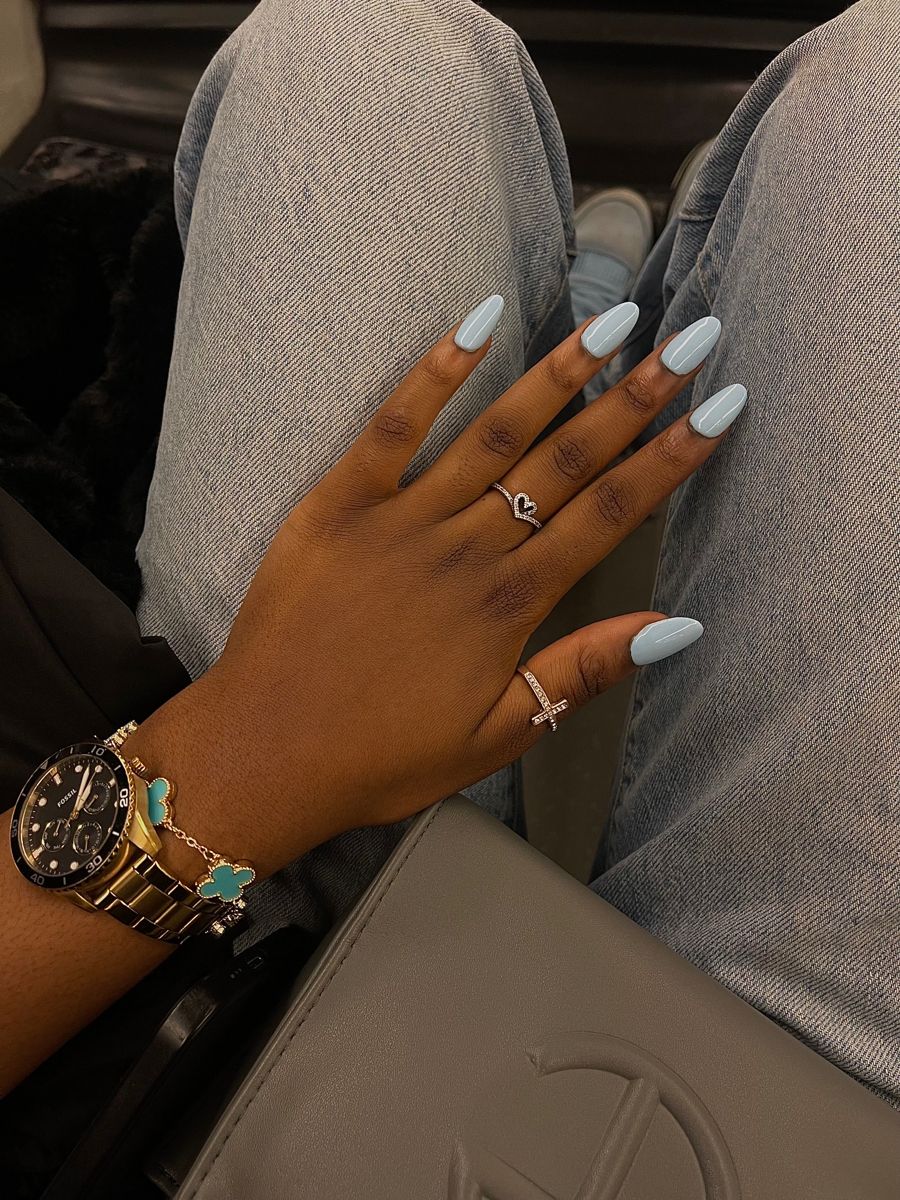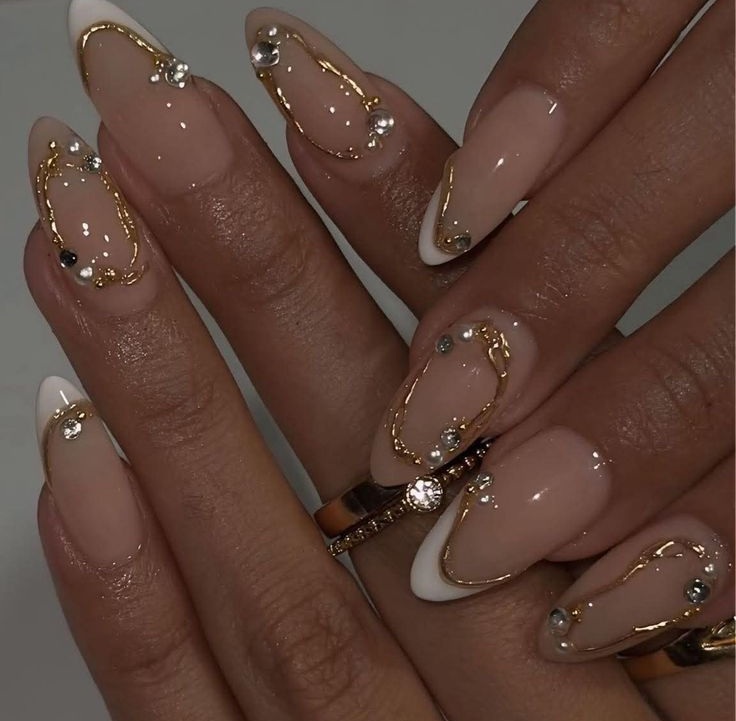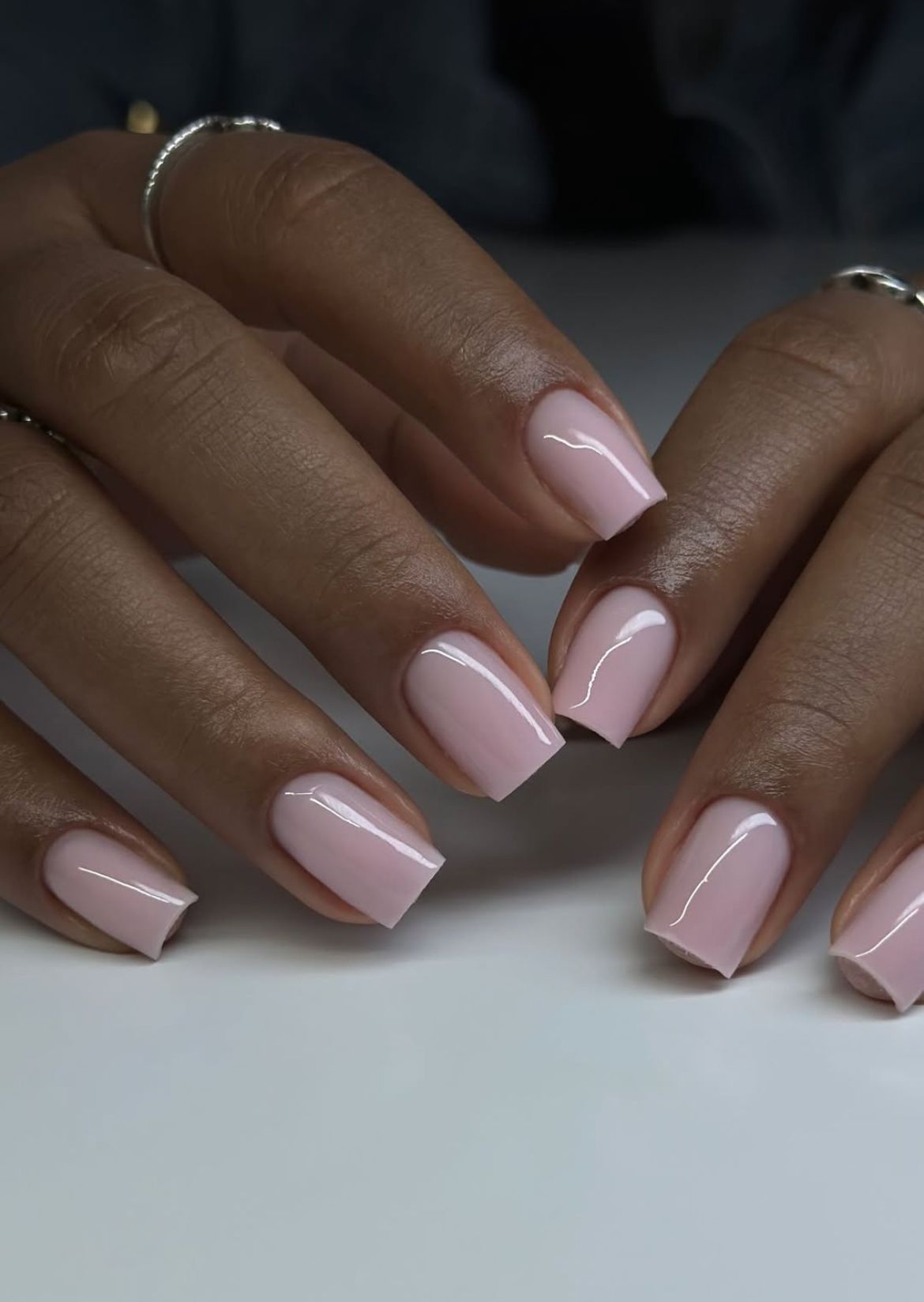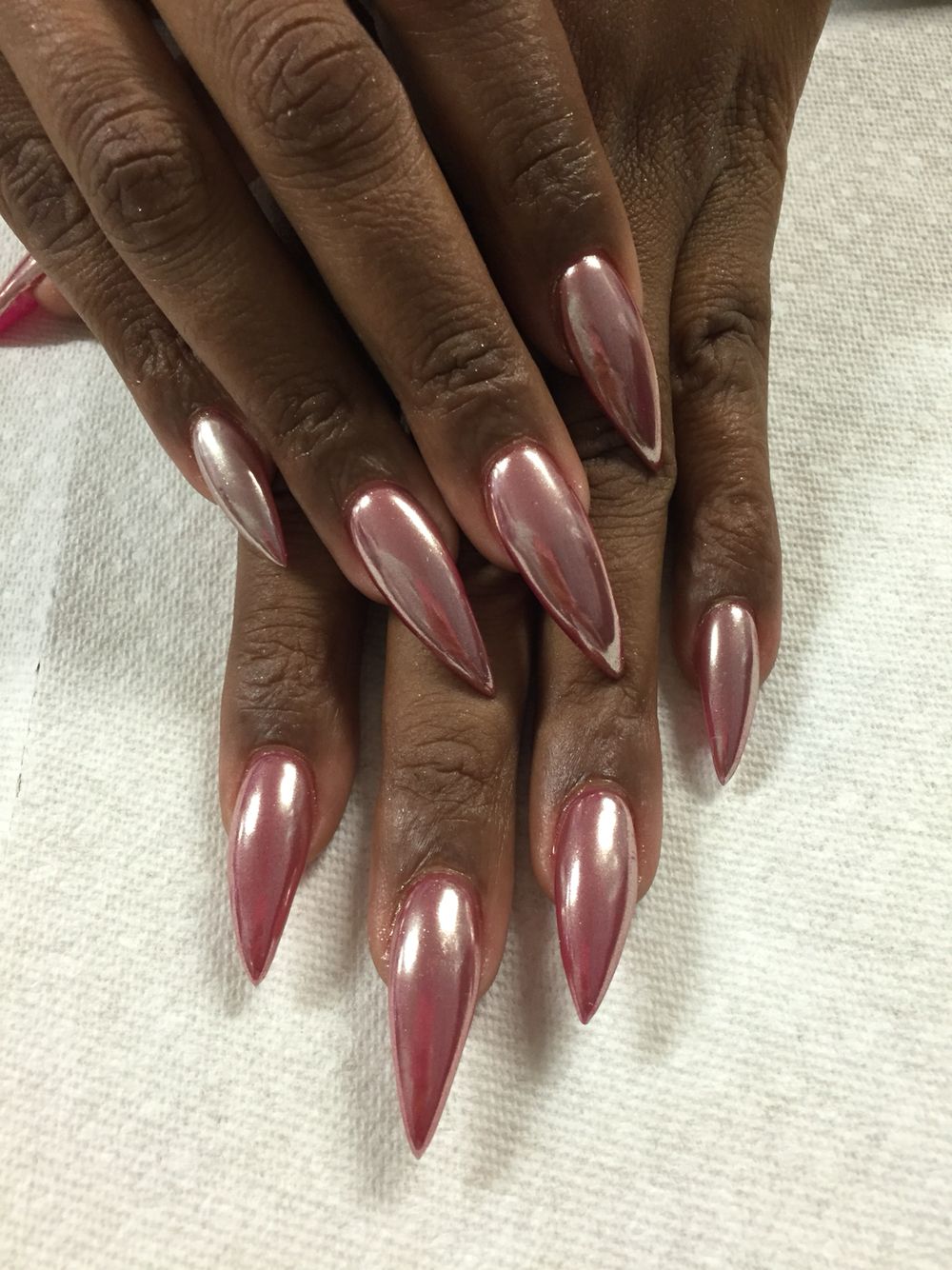
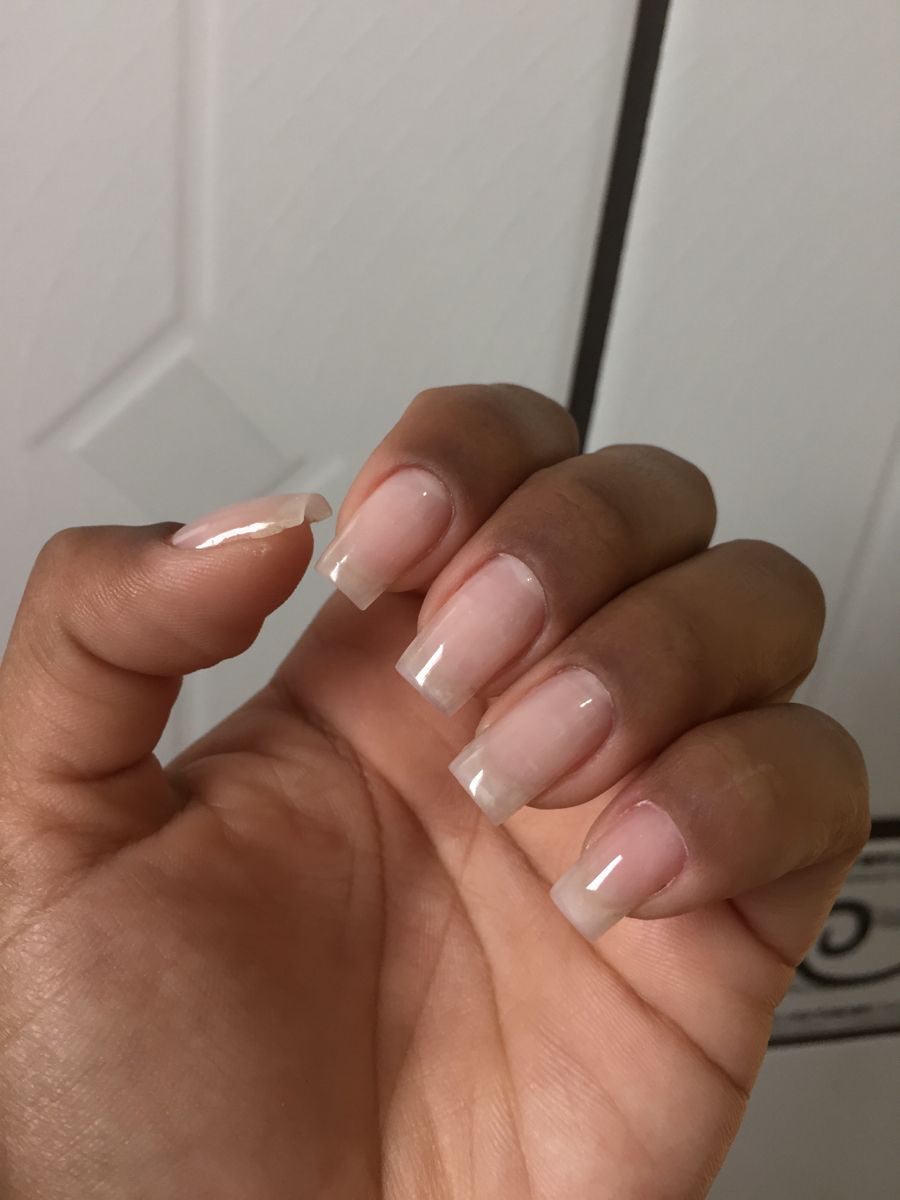
In pursuit of polished aesthetics, nail appointments have become a routine part of modern beauty maintenance. However, while we get the acrylic gel polish and press-ons done, natural nail health is often overlooked
While aesthetic enhancement offers visual appeal, prolonged use without proper nail care can weaken the nail plate, and compromise overall nail health. The goal isn’t to abandon your nail appointments, it’s to enjoy them without sacrificing the foundation underneath.
So, if you want healthy-looking nails and still keep up with your monthly appointments, consider this your essential 101 guide.
According to board-certified dermatologist Dr. Jaimie De Rosa,“our nails exist to protect the hands and fingers, and healthy nails are a strong shield to underlying tissues, and taking proper care of the nails can prevent infections and other health issues”.
Fingernails grow from the area at the base of the nail, under the cuticle, and they are made from a protein called Keratin. Your fingernails are powerful indicators of your health status and general well-being.
According to WebMD, changes in nail colour, texture, or growth patterns may sometimes indicate underlying health issues such as endocarditis(heart infections), diabetes, high-carb diet, poor nutrition, and anemia—while we mostly focus on other indicators like urine colour, hair fall, and stool colour, your fingernails mustn’t be left out in the picture.
Healthy nails are easily identified by how generally smooth they are—consistent in colour(pinkish nail bed), free of spots and discoloration. So, while giving this a quick read, take a peek at your fingernails, and be sure they are in perfect condition.
Signs of Unhealthy Nails
Brittle nails
If your nails chip easily or break faster than they grow, you may be dealing with brittleness. This can be frustrating — especially when you’re trying to grow them out between sets.
Brittle nails are often linked to nutritional deficiencies, including low levels of vitamins A and C, B vitamins such as biotin and B12, zinc, or protein. Overexposure to water, harsh chemicals, or excessive filing can also weaken the nail plate.
Yellow nails
Thick, yellow nails are not just a cosmetic issue. In some cases, they may be associated with fungal infections. In more serious instances, they can be linked to chronic bronchitis, thyroid conditions, diabetes, or lung disease.
While not every color change signals a major health issue, persistent discoloration should be evaluated by a medical professional.
Dark streaks or marks
Dark streaks can also be harmless because they could mean an increased deposit of melanin. If you were born with them, then there is nothing to be worried about but if it just shows up, then maybe you should be concerned, because it could mean microscopic broken blood vessels.
White Spots
Noticing a white spot on your nail, although they are mostly harmless and go away over time, medical researchers believe that this white dot is usually an indicator of low zinc, iron, and calcium due to a high-carb diet.
Vertical and horizontal ridges.
Vertical ridges that run from the cuticle to the tip are generally harmless and are often a result of aging—but can also be an indicator of iron deficiency and anemia. While horizontal ridges, also known as Beau’s lines, are indicators of zinc deficiency, diabetes, or hypothyroidism.
How to keep healthy natural nails
Healthy fingernails: Do’s
- Keep fingernails dry and clean: Keeping your fingernails dry and clean is the first step to maintaining healthy nails. If you do the laundry or dishes very frequently, you might need to consider getting cotton-lined rubber gloves to protect not just your fingernails, but your hands as well.
- Use a moisturizer: Just as your skin needs hydration, so do your nails and cuticles. Petroleum jelly remains a reliable, budget-friendly option. But if you prefer, invest in a dermatologist-approved hand cream or cuticle oil. Regular moisturizing keeps nails flexible and less prone to breakage. Dry nails break. Hydrated nails bend.
- Apply a protective layer: If your nails break easily then. A dermatologist- approved nail hardener may help reinforce weak or brittle nails.
- Supplements: For people with confirmed nutrient deficiencies, prescribed supplements can support healthier nail growth. Always consult a medical professional before self-prescribing vitamins.
Healthy fingernails: Don’ts.
- Biting your fingernails: Bad habits like this are usually costly because they can breed germs, and cause infections.
- Poor nutrition: Healthy nails start from within. A balanced diet rich in protein, iron, zinc, and essential vitamins makes a visible difference over time.
- Ignoring warning signals: It’s always better to be safe than sorry. Persistent pain, discoloration, swelling, or unusual changes should be evaluated by a healthcare provider. It is always better to investigate early than to regret later.
Let Your Nails Breathe
Because healthy nails are the real foundation behind every flawless set, paying close attention to the health of your nails is very important. In as much as you don’t want to miss those monthly nail appointments and follow the latest trend, take a little step back.
Let your nails breathe from time to time and take a moment to check in with your natural nails, because they deserve care too.