Bleaching your skin, especially over the long term, is a process that leaves a mark — and not just on the surface. Years of chemical use can disrupt the natural moisture barrier, cause hyperpigmentation, thinning, and sensitivity. Repairing that damage isn’t instant, but one ingredient has become a hero in the journey back to healthy skin: hyaluronic acid.
Hyaluronic acid (HA) is a naturally occurring molecule in the skin that holds water and keeps tissue plump and hydrated. For anyone recovering from bleaching, it’s a key player in rebuilding moisture and restoring elasticity. Unlike heavier creams that sit on the surface, HA penetrates and draws water into the skin, which helps repair the damage from years of harsh chemical treatments.
SEE ALSO: Quit Bleaching? An Aesthetician’s Thorough Guide on What to Expect.
A Lagos-based Nigerian dermatologist explains, “When skin is compromised from bleaching, it often lacks hydration and barrier function. Hyaluronic acid doesn’t just moisturize — it helps the skin heal from the inside out.”
Here’s how to incorporate hyaluronic acid into a routine that supports bleached skin recovery:
1. Start With a Clean Slate
Cleansing is essential before applying HA. Choose a mild, non-stripping cleanser to remove dirt, sweat, and residual chemicals without irritating the already sensitive skin. Over-cleansing can worsen dryness, which defeats the purpose of adding HA. Once the skin is clean, it’s ready to absorb hydration.
2. Apply on Damp Skin
Hyaluronic acid works best when your skin is slightly damp. After washing, gently pat your face or body with a towel, leaving it a little moist. Applying HA at this stage allows it to lock in water and maximize plumping. For bleached skin that is prone to dryness and flaking, this simple step significantly improves absorption.
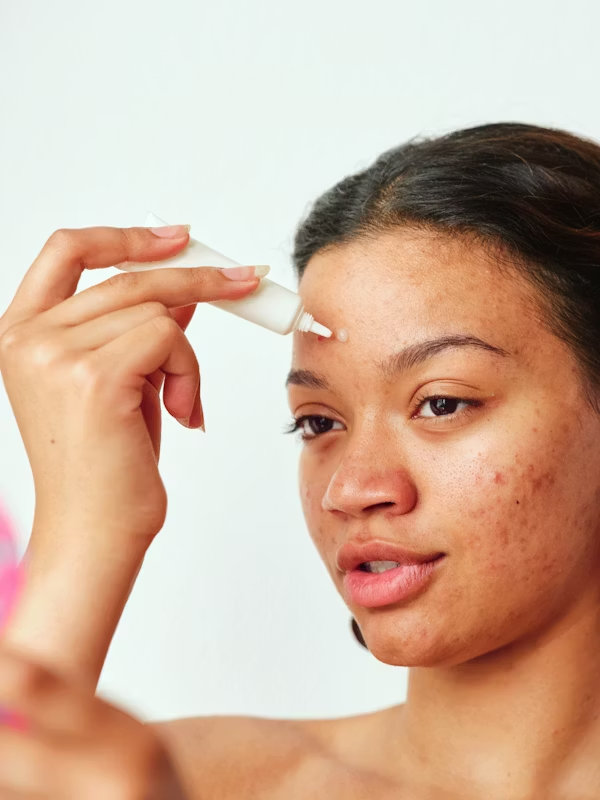
3. Layer With Moisturizer
HA is a humectant, meaning it draws moisture from its environment. But on its own, it can’t prevent water loss. Pairing it with a good moisturizer seals the hydration into the skin. The aesthetician notes, “Moisturizing after HA is critical for barrier repair. It prevents dehydration and protects sensitive areas while your skin recovers.” Look for creams rich in ceramides or natural oils to reinforce the skin’s barrier.
4. Consistency Is Key
Bleached skin doesn’t heal overnight. HA should be applied twice daily — morning and night — as part of a consistent routine. Over time, this regular hydration helps reduce patchiness, improves texture, and can even support the fading of hyperpigmentation caused by long-term bleaching.
5. Sun Protection Is Non-Negotiable
Once your skin begins to heal, it’s more sensitive to UV damage. Sunscreen is essential. UV rays can worsen pigmentation and slow recovery. “Bleached skin is already vulnerable, so protecting it from the sun while using HA ensures that your recovery isn’t undone by new damage.” Use broad-spectrum SPF 30 or higher every day, even if you’re mostly indoors.
6. Combine With Antioxidants
Hyaluronic acid works beautifully alongside antioxidant-rich products. Vitamin C, for instance, can help fade hyperpigmentation, while HA keeps the skin hydrated and supports cell repair. The combination is especially effective for skin that has been over-processed by bleaching.
7. Adjust Concentrations Carefully
HA serums come in different concentrations, from 0.5% to 2%. For sensitive, bleached skin, start with a lower concentration to avoid irritation. Once the skin is calmer and more resilient, you can gradually move to higher concentrations for enhanced hydration and plumping.
8. Don’t Forget the Body
Bleaching isn’t limited to the face. Knees, elbows, and other joint areas are often the most affected and hyperpigmented. HA-based body lotions can be used to moisturize and repair these areas. For maximum effect, follow the same principles: clean skin, apply on damp areas, and layer with a rich moisturizer.
9. Seek Professional Advice When Needed
While HA is generally safe, bleached skin can be unpredictable. If you experience persistent redness, burning, or irritation, consult a dermatologist or licensed aesthetician. They can tailor a routine that combines HA with other healing agents, like ceramides or medical-grade antioxidants, for optimal recovery.
In conclusion, hyaluronic acid is a gentle but powerful tool for anyone recovering from the effects of long-term bleaching. It addresses the root problem: dehydration and compromised skin barrier, helping your skin regain plumpness, resilience, and radiance. Paired with consistent moisturizing, sun protection, and patience, HA supports a skin recovery journey that is both safe and effective.