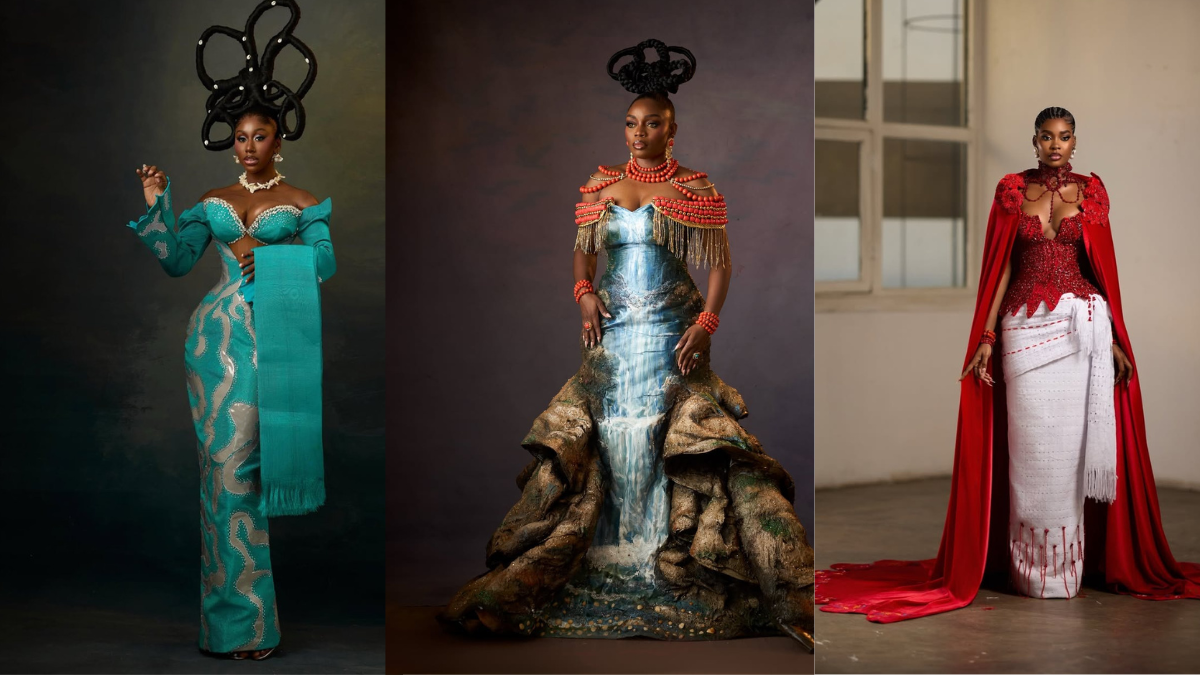
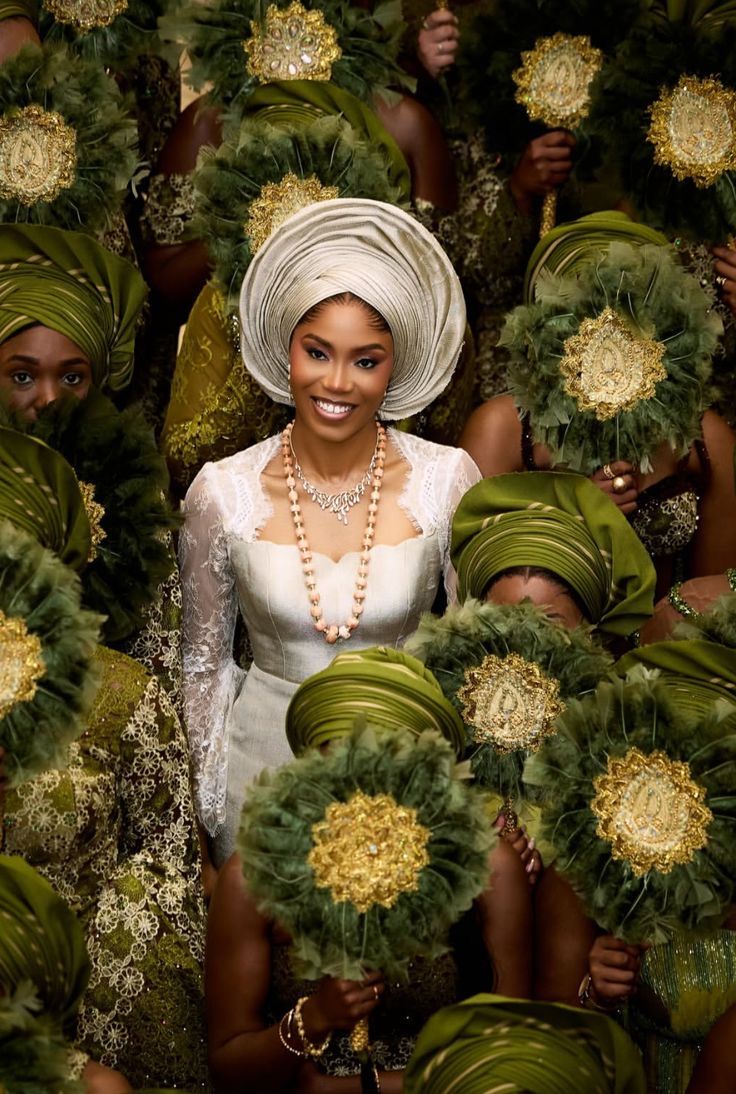
Aso-ebi, loosely translated as “family cloth,” is the Yoruba tradition of wearing matching fabrics for an event to show unity among families and friends or support for a celebrant. It has become a Nigerian cultural norm that is also practiced in other parts of Africa.
You love your friend, but deep down you wonder if it’s really worth it.
The Cultural Significance of Aso-ebi Culture
It’s another Saturday in Lagos; your eyes catch your friend’s wedding invitation on the dressing table. You take a quick glance at the corset dress laid out on the bed beside you; your mind does the numbers, and the price tag is heart-wrenching. “In this economy!” You sigh, mentally calculating cab fare, the cost of the gele you’ll probably never wear again, and the makeup artist who never plays about her fee.
💬 Kin’s cloth, aka, Aso-ebi
Read Also: Are Friendships a Necessity or a Social Construct?
The social wings of this practice have spread beyond the shores of Africa. Every owambe (party) now has a theme color and fabric. Be it Ankara, lace, velvet, or other expensive fabrics, the party culture has expanded the economy of the fabric industry, all thanks to the “and co.” lifestyle. The practice that started as a symbol of cultural identity and shared bond has now become a financial burden that many silently endure to “feel among.”
The price tag of Aso-ebi has gone through the roof over the years. The grander the event, the more expensive the fabric will be. This means a display of style, wealth, and status. Social media has amplified it, making every event a parade and heavy financial commitment.
This culture started as a form of unity but has slowly become a financial strain and silent competition, especially among women. This is because, aside from buying fabrics with inflated prices just to support the celebrant, it comes with other commitments like gele (headgear), the tailor’s charge, makeup fee, transport fare, and possibly a gift for the celebrant.
The downside of showing support for friends and loved ones is that you might end up with a wardrobe filled with clothes you will only wear once because saying “no” means rebellion, pride, or “unsupportive.”
💬 “Unity shouldn’t come with a bank alert.”
Read Also: The Best Dating Advice You Will Ever Hear
The Unspoken Rule
Aso-ebi culture has an unspoken rule that polices people’s emotions. You buy it because you don’t want to offend people or because you want to belong. When you attend the event, you try to enjoy the party and even take smiling pictures for the gram while your purse weeps.
You are paying heavily to make someone’s “happy day” perfect. But aso-ebi is not the enemy here. Honestly, the color coordination and quality of fabrics add glamour to events. The celebrants, the fabric sellers, the tailor, the makeup artist, and the photographers are all benefiting from the culture.
The problem started when our tradition was commercialized. The economy in Africa is not smiling, yet the pressure persists with events almost every day of the week, leading people to buy these fabrics out of compulsion. Why do we buy them or care what others say if we can’t afford them?
💬 “Culture should connect us, not compel us.”
Culture-Conscious: Have a Rethink
The goal is not to cancel the culture but to make it considerate and inclusive.
Let’s have a rethink by exploring the following:
- Inclusion over price tag. Rather than mandating specific fabrics, why not choose a color theme for events? This will let guests wear what they already own in the chosen theme color.
- Your event is not an opportunity to get rich quick. If you are going to choose fabrics, make it affordable and stop spreading your debts on the fabrics your guest plans to buy out of love.
- Don’t equate financial participation as love or the lack of it as disloyalty. People can show up for you in different ways.
- Learn to be vocal about your stance or budget when next you get approached with fabric.
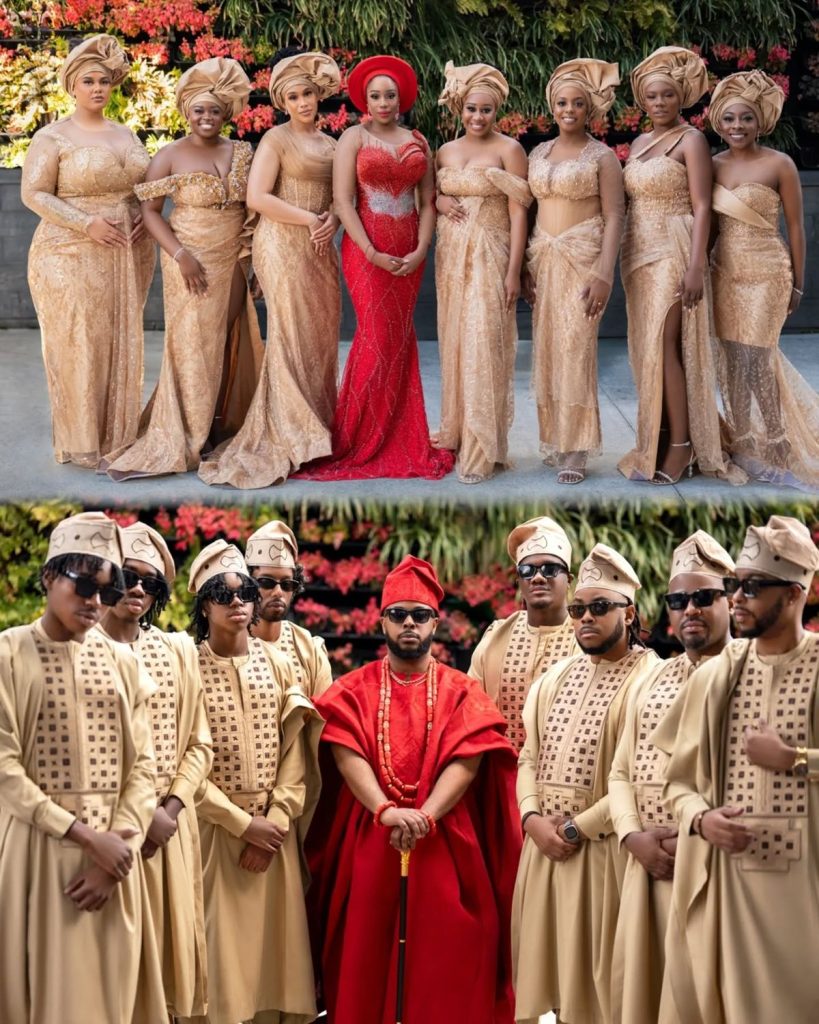
If you can afford to show up for your loved one, including the fabric cost, please do. But, if you can’t, don’t beat yourself up about it. Getting a loan to buy aso-ebi has never made anyone the best human alive, and it never will.
Like it or not, aso-ebi is woven into our culture. Therefore it has a future in our identity. We must return to the days when this practice brought us together, rather than burdening us with guilt.
So, next time you receive a fabric with an invitation card, ask yourself if it is about love or an obligation. Your decision-making will become easier.