
We had a chat with hair experts and found out all the real reasons your braids don’t last
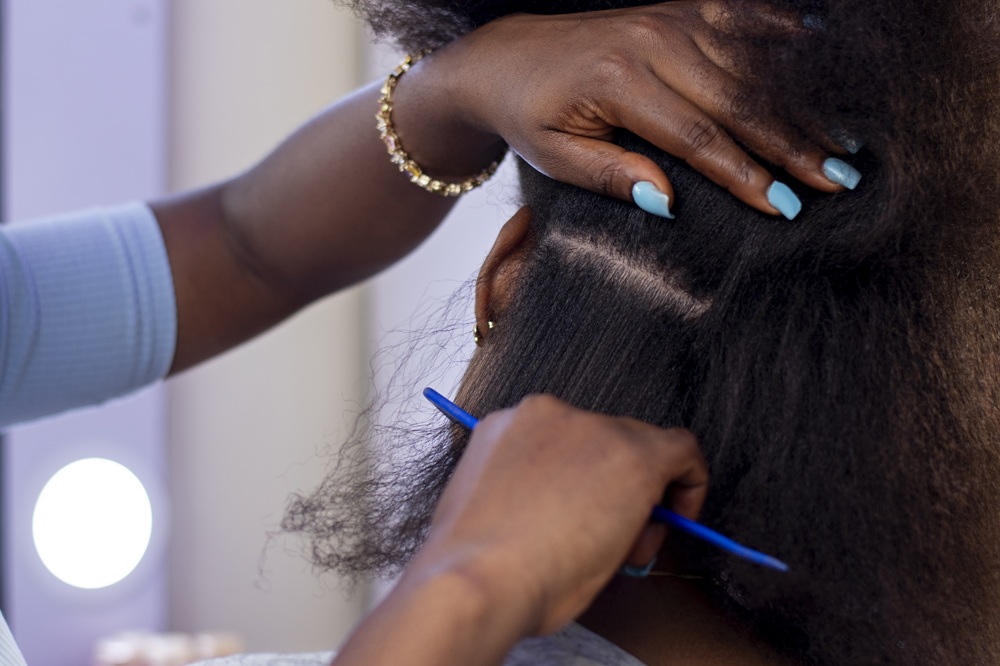
For many women with Afro-textured hair, braids are not a cosmetic indulgence. They are a system—designed to reduce daily manipulation, conserve time, and protect fragile strands within demanding lifestyles. The expectation is implicit: hours spent in a salon chair should translate into weeks of low-maintenance wear.
Yet the reality is strikingly consistent. Styles marketed as six-to-eight-week solutions often begin to deteriorate far earlier. Roots lose definition. Frizz appears prematurely. The scalp becomes irritated. What is frequently framed as poor upkeep is, in truth, a structural issue shared by most Afro-textured hair wearers.
According to professional stylists, why your braids don’t last is rarely accidental. To understand why this system fails, we spoke to two leading voices in the industry: Olabisi Joyce, a Lagos-based master stylist with over fifteen years of experience in high-end protective styling, and Charlotte Brown, a Texas-based licensed trichologist and natural hair specialist who treats hair health as a clinical discipline.
“Most braid problems start before the client even sits in the chair,” says Olabisi Joyce, a Lagos-based hairstylist with over a decade of experience working with protective styles. “People focus on how the braids look on day one, but longevity is decided during preparation.”
SEE ALSO: Why Hair Falls Out When Relaxing Tinted Natural Hair.
Excess moisture and products buildup
In Afro hair culture, moisture is often emphasized as the ultimate safeguard but this could be a strong reason your braids don’t last. As a result, many clients arrive for braid appointments with hair saturated in oils, butters, and leave-in conditioners. While well-intentioned, this approach compromises structural integrity.
Excess product residue reduces friction between the natural hair and extension fibers, leading to early slippage, particularly along the hairline and nape, where strands are finer. Olabisi Joyce notes that the physics of a braid relies on friction. When we spoke with her, she explained the fundamental error in this.
“Most braid problems start before the client even sits in the chair. People focus on how the braids look on day one, but longevity is decided during preparation. Clean hair holds braids better than oily hair. When the hair is coated in heavy products, the extensions have nothing to grip. The braid may look neat initially, but it is unstable from the moment you leave the salon”
Experts recommend clarifying the hair before braiding to remove buildup that interferes with grip. Conditioning should focus on restoring elasticity, not surface slickness. Post-wash products should be minimal, allowing the natural texture to support a firm, secure install.
SEE ALSO: How To Handle Stubborn Hair That Refuses To Cooperate
Your hair texture
Another reason your braids don’t last is texture.
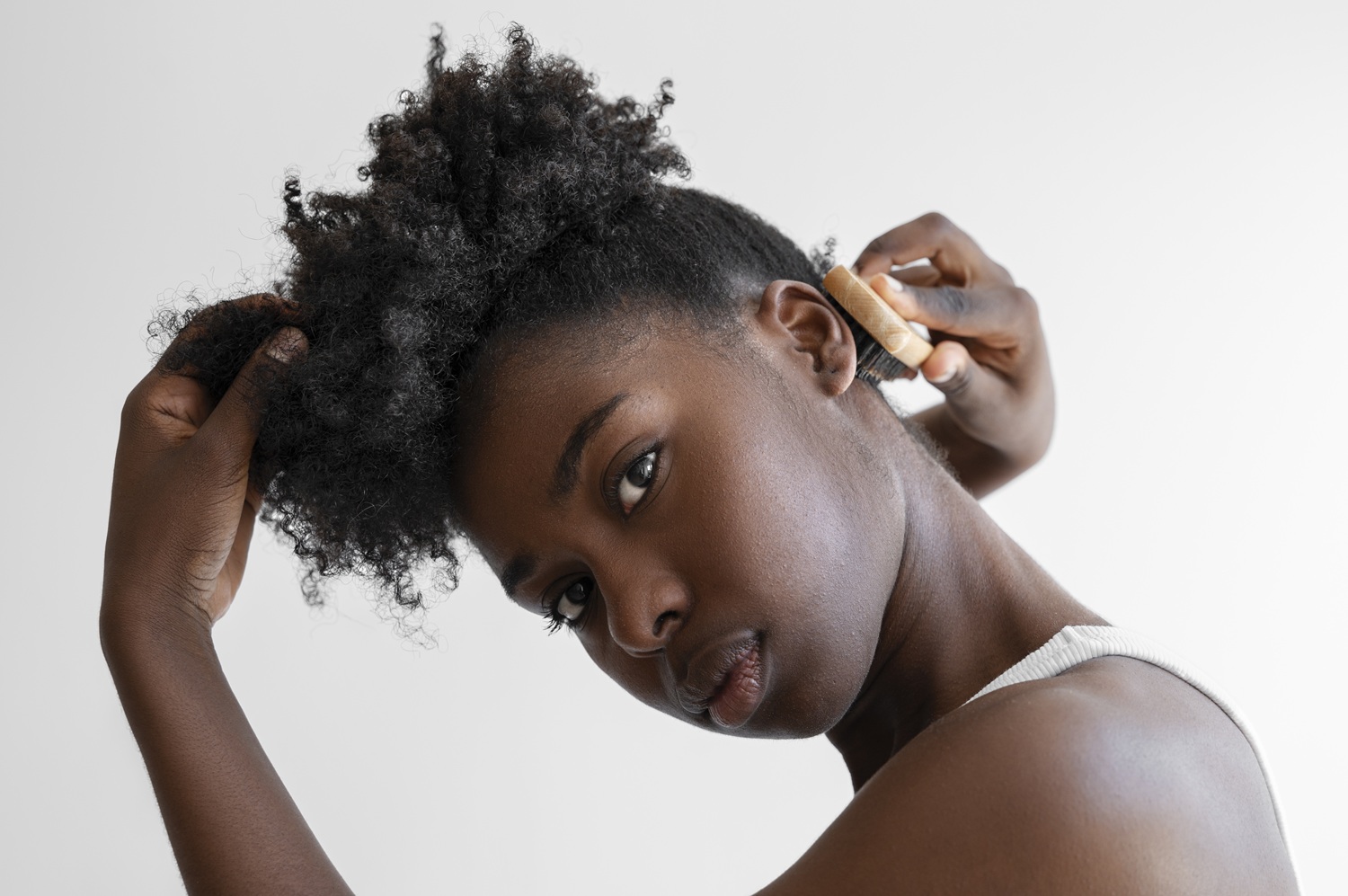
Not all textures are created equal when it comes to the “grip” required for a long-lasting braid. Hair with a tighter coil (Type 4C) often has a natural “velcro” effect that helps extensions stay in place, whereas Type 3 textures or hair that has been heat-trained may be too “slippery” for certain heavy extensions.

“We often try to force one braiding technique onto every hair type, but that’s not how hair works. If you have fine, silky texture and you’re putting in heavy, waist-length jumbo braids, they are going to slide. The ‘need’ of your hair in that moment is a lighter fiber, like a feathered pre-stretched hair or a human hair blend, that mimics your natural weight. If your braids aren’t lasting, it might be that you are asking your texture to do something it structurally wasn’t built to do.” says Olabisi
SEE ALSO: The Case For Hair Steaming (And All You Should Know)
Align your style with your hair’s density. If you have fine hair, opt for smaller sections and lighter extensions. If you have high-density, coarse hair, focus on thorough detangling and a heavier “jam” or edge control during the install to keep the fibers cohesive.
Knotless Braids
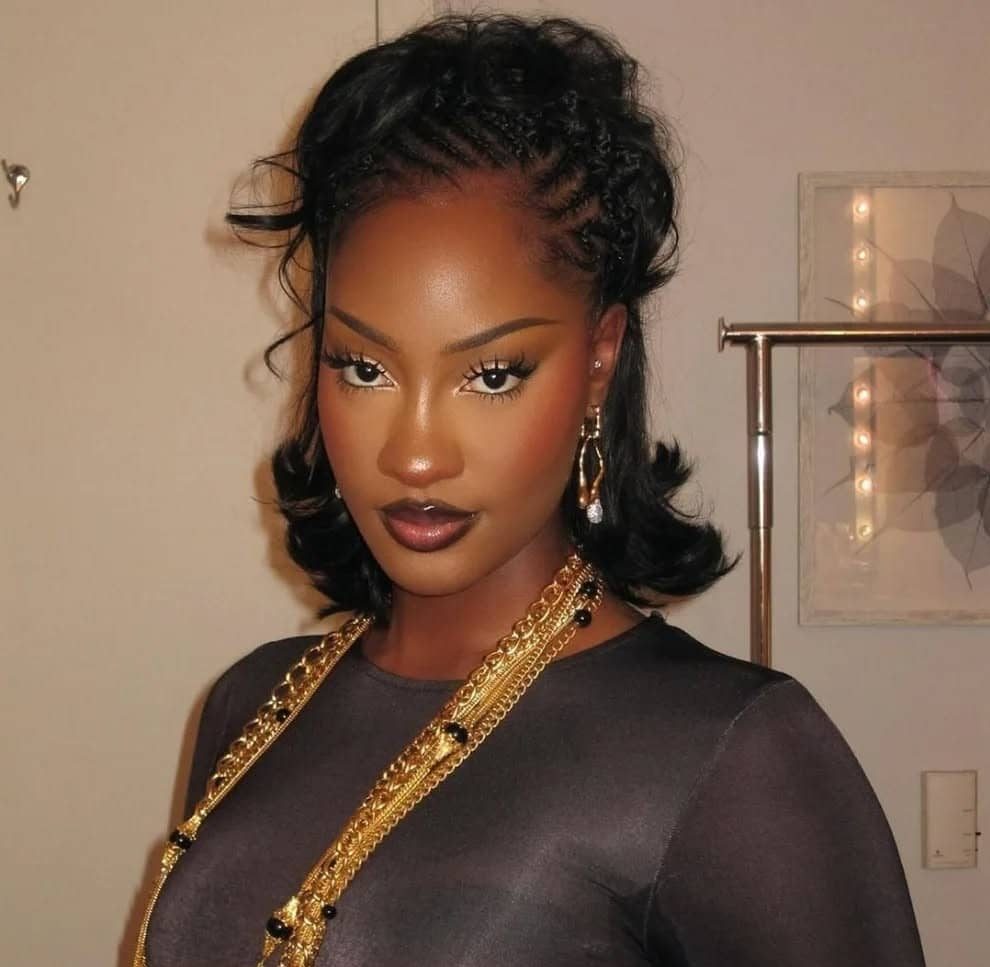
The popularity of knotless braids has reshaped contemporary braid aesthetics, emphasizing comfort and seamlessness. Well, this could be a strong contributor to why your braids don’t last. They are praised for their comfort and “scalp-like” appearance, but they are inherently more fragile than traditional box braids. However, this technique redistributes tension to the natural hair itself, increasing the likelihood of premature loosening when not executed precisely. Because the natural hair is exposed for several turns before the synthetic hair is added, the root is subject to more friction. Charlotte Brown approaches this from a trichological perspective, noting that the weight distribution in knotless styles is often mismanaged:
“Knotless doesn’t automatically mean better or healthier. If a stylist adds too much extension hair too quickly, or if the parts are too large for the amount of hair being added, the natural hair stretches and sags under the weight. That is when you see that ‘fuzzy root’ after only ten days. It’s a structural failure.”
Longevity depends on proportional design. Demand proportional design. Ensure your braider is adding hair gradually. If you want a style that lasts two months, consider traditional box braids for the back of your head and knotless for the perimeter where visibility is highest.
Scalp Neglect
Protective styles shield the hair shaft, but the scalp remains exposed to sweat, oil, and environmental buildup. Avoiding cleansing altogether, common among braid wearers attempting to preserve neatness, often results in inflammation and braid lift.
“A dirty scalp pushes braids away from the root,” Brown explains. “People think washing causes frizz, but buildup is what actually loosens the style.”
This issue disproportionately affects Afro-textured hair, where scalp health is closely tied to overall hair performance.
To addres this issue on why braids don’t last, stylists advise treating the scalp as skin, not hair. Use a pointed-tip applicator with a water-based, antimicrobial toner (containing tea tree or witch hazel) to keep the skin hydrated and flake-free without disturbing the braid. When washing is necessary, diluted shampoo applied directly to the scalp, rather than the braid length
Product Misuse
Foams and mousses are widely marketed as solutions for braid frizz. While effective when used correctly, many commercial mousses are high in alcohol, which dehydrates the hair, causing the natural strands to “pop” out, increasing long-term dehydration. “Mousse without compression doesn’t set anything,” Joyce notes. “It just wets the hair and lets it dry fuzzy again.”
Apply an alcohol-free foam, and then immediately tie your hair down with a silk or satin scarf for 15 to 20 minutes. This “sets” the hair back into the braid structure through compression.
Friction
The most common “crime” against longevity is sleeping without protection. Environmental friction, particularly from cotton bedding, significantly reduces braid longevity. Cotton absorbs moisture and roughens synthetic fibers, accelerating wear and dullness.
“One unprotected night can undo a week of maintenance,” Brown says.
Use the “Double Down” method. Secure the roots with a silk scarf and cover the length with a large bonnet. If the bonnet falls off, a silk pillowcase serves as your final line of defense.
Synthetic Fiber Oxidation
Most braiding hair is made of Kanekalon or similar synthetic fibers. These are essentially plastics and can be one of the strongest reasons your braids don’t last. Over time, exposure to UV rays, humidity, and even the pH of your sweat causes these fibers to lose their sheen and become “shaggy.” This texture change makes the entire style look dull and worn.
SEE ALSO: How to Grow Your Hair Longer With African Threading in 2026
Use a lightweight UV-protectant spray or a braid sheen with an antioxidant like Vitamin E. This coats the synthetic fiber and slows down the oxidation process, keeping the braids looking “new” longer.
Your Hair Porosity
Sometimes, the premature aging of a protective style isn’t just a failure of the stylist, it is a diagnostic report from your own strands. Your hair texture and its specific “needs,” particularly its porosity, dictate how it behaves under the pressure of extensions. When a style roughens early, it is often a sign that your natural hair’s internal moisture balance is misaligned.
Charlotte Brown, the Texas-based licensed trichologist states, “Your hair is communicating through the failure of the style. When braids slip out of fine or low-porosity hair, it’s often because the hair shaft is too smooth and the cuticles are closed too tightly to create a ‘lock’ with the synthetic fiber. Conversely, if your hair frizzes through the braid within forty-eight hours, it’s usually a sign of high-porosity hair that is chronically dehydrated. The hair is literally reaching out of the braid to grab moisture from the air. Your failing style is a symptom of an underlying moisture or protein imbalance that needs to be addressed before the next install.”
If your braids don’t last or consistently fail to “grip,” your hair may be telling you it is Low Porosity (needing gentle heat during prep to open the cuticle). If they frizz instantly, your hair is likely High Porosity and requires a protein treatment or a heavier sealant before braiding. Understanding this allows you to treat the hair before the next install, ensuring the style is an investment in health, not just a temporary mask.
Sweat and salt
For those who exercise regularly and have an active work life, sweat can be the the silent killer of braids. The salt in sweat dries out the hair and can lead to “scalp gunk” that smells and irritates.
After a workout, don’t just let the sweat dry. Use a damp microfiber towel to pat the scalp (not rub) and remove the salt. Follow up with a refreshing scalp mist.