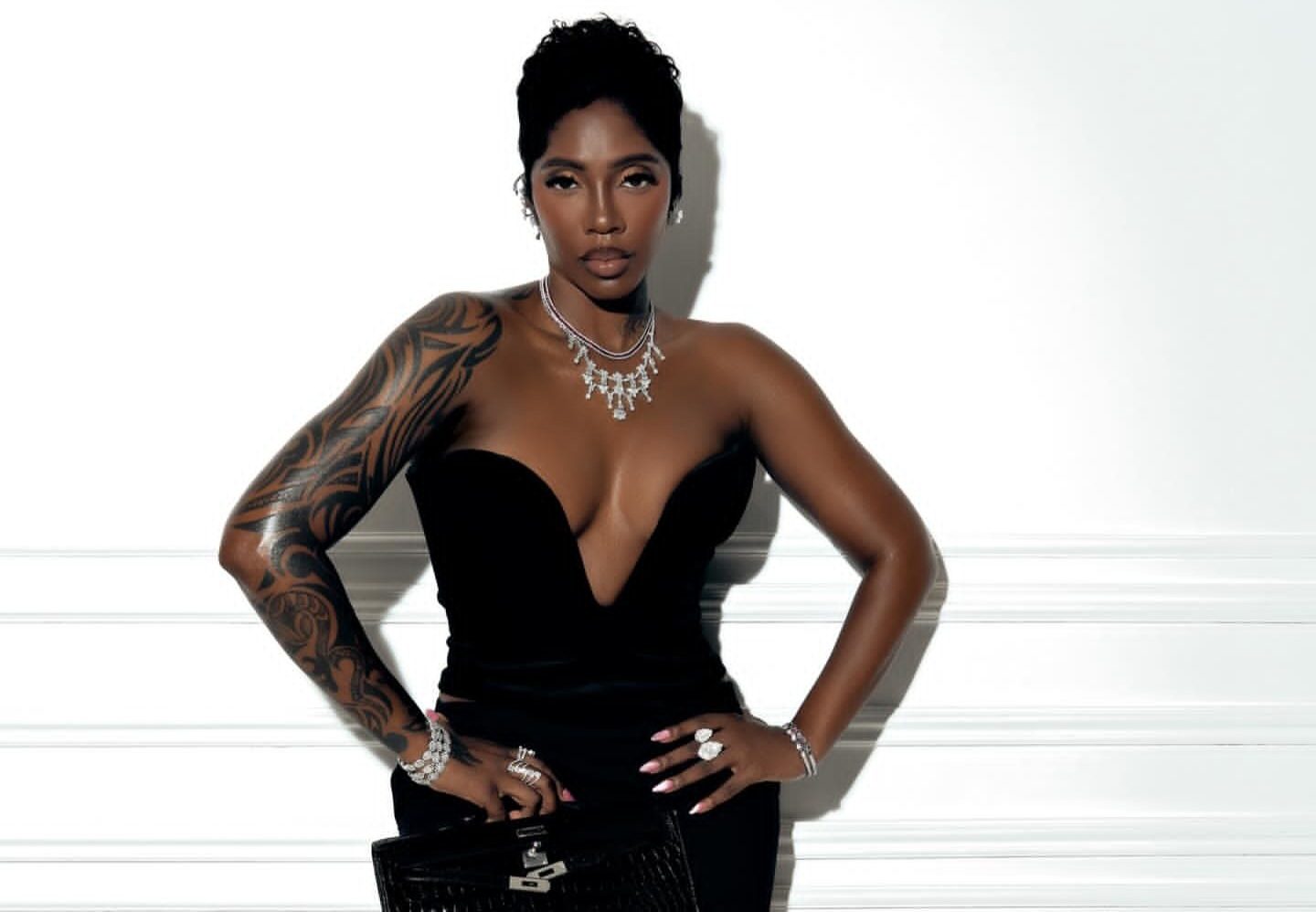
Tiwa Savage Isn’t ‘Getting Old’—She’s Becoming Timeless
There is an inexplicable kind of discomfort that settles in whenever we see a woman ageing. It often disguises itself as concern, criticism, or unsolicited commentary, particularly when that woman exists in the public eye. In recent conversations around Tiwa Savage, the focus has shifted from her voice, her legacy, and her influence to something far more trivial: time and the lines on her face. But perhaps the real issue is not that Tiwa Savage is “getting old.” It is that we are still uncomfortable watching women grow older without apology.
In an industry that thrives on novelty and youth, Tiwa Savage has never relied solely on appearance to command relevance. Her career, spanning over a decade, has been built on talent, discipline, reinvention, and honesty. She did not just “blow up” before our eyes; we watched her grow. Gradually, she became a force—and forces do not disappear simply because time passes. If anything, time sharpens them.
SEE ALSO: How Pop Culture Is Shaping Mental Health
For many, ageing—when it concerns a woman, is treated like a failure to maintain something rather than proof of existing. The expectations are exhausting. Endless youth. Endless smoothness. Endless erasure of time. All demanded from a human being, a mortal. This leads me to ask: is this simply the price that comes with fame, or is it evidence of a deeper mental erosion?
Wrinkles are not a loss of beauty; they are a record of life lived. Every line and wrinkle carries laughter, stress, motherhood, resilience, heartbreak, joy, and recovery. Tiwa Savage’s face, just like her music, tells a story. It reflects years of navigating fame in an industry that rarely makes space for women to evolve publicly. And yet, here she is—still headlining, still relevant, still commanding rooms without needing to pretend time has stood still.
Timelessness is not youth frozen in place; it is presence that outlives trends. It is the ability to remain impactful, to give value, regardless of changing aesthetics. Tiwa has reached that rare space where her name alone carries weight—where she no longer needs to prove relevance, even as she is ageing.
There is also something deeply important about representation. For many African women, seeing a woman like Tiwa age naturally in public is powerful. It counters the quiet pressure to chase perfection at all costs. It reminds women that life does not end at a certain age, and neither does beauty, ambition, or desirability. In a culture increasingly dominated by filters, injectables, and unrealistic standards, her visible humanity is grounding.
This does not mean rejecting skincare, self-care, or cosmetic choices. It means rejecting the idea that a woman owes the world eternal youth to remain worthy of admiration. Tiwa Savage’s worth has never been tied to smooth skin alone. It has always been rooted in her artistry, her influence, and her ability to evolve without losing herself.
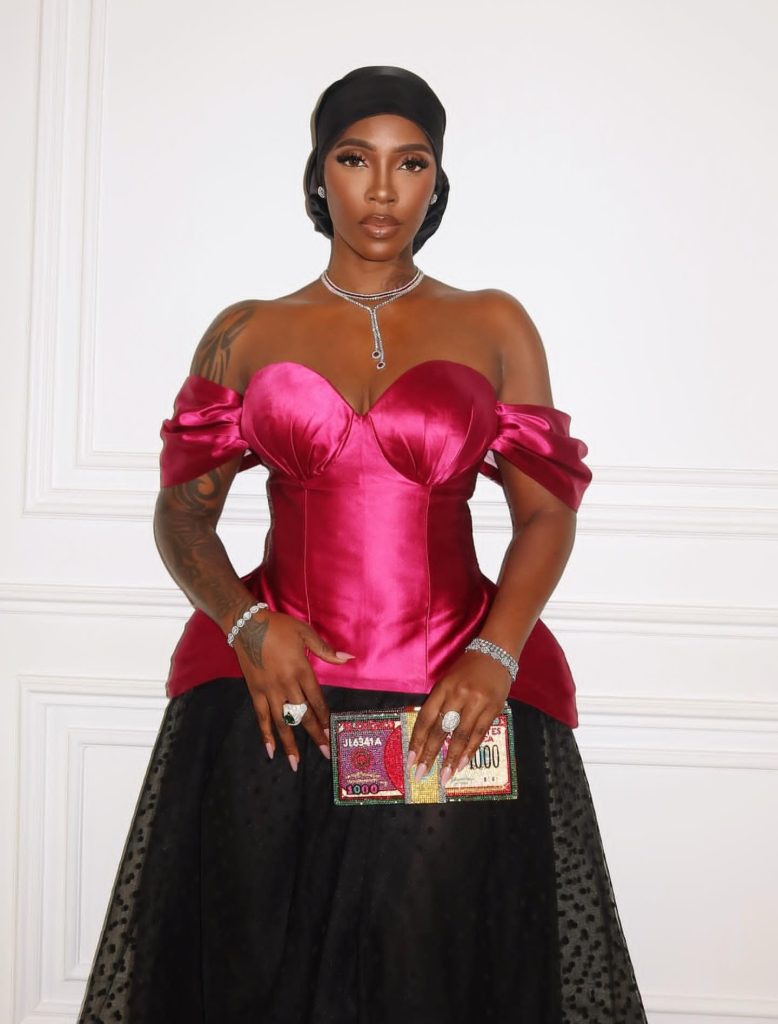
There is courage in ageing publicly as a woman, especially as a Black African woman. Tiwa carries herself with a confidence that suggests she understands something deeply important: time does not take away from you; it adds to you, depending on how you wield it. It adds clarity, authority, and self-knowledge. It adds a freedom that youth often lacks. I have one question for those who mock ageing: do you think it comes only for others and not for you?
SEE ALSO: How Nollywood Women are Flipping the Script
The conversation should not be about whether Tiwa Savage looks older. The real conversation is why we still treat ageing as something women must defend themselves against. Why do we struggle to allow female icons to transition into new phases without questioning their relevance? Why are wrinkles seen as decline rather than depth?
Timeless women are not those who look untouched by time, but those who remain undeniable despite it. Tiwa Savage’s legacy is already written into African music history. What we are witnessing now is not an ending, but a continuation—one that invites us to rethink how we see beauty, ageing, and womanhood itself.
Perhaps the discomfort some feel is not about Tiwa ageing, but about confronting the truth that time comes for everyone. And when a woman meets time without fear, without apology, without disappearing, it challenges deeply held beliefs about power and femininity. Tiwa Savage is not “getting old.” She is becoming timeless. And in doing so, she is reminding us to age loudly, honestly, and beautifully—without shame.